Introduction: The Grid Stability Imperative
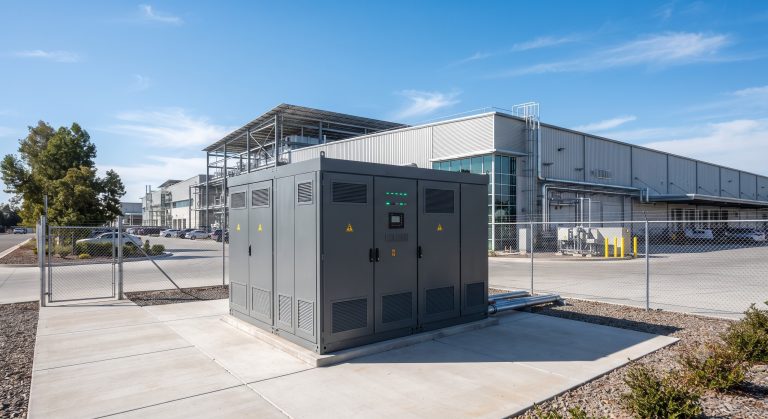
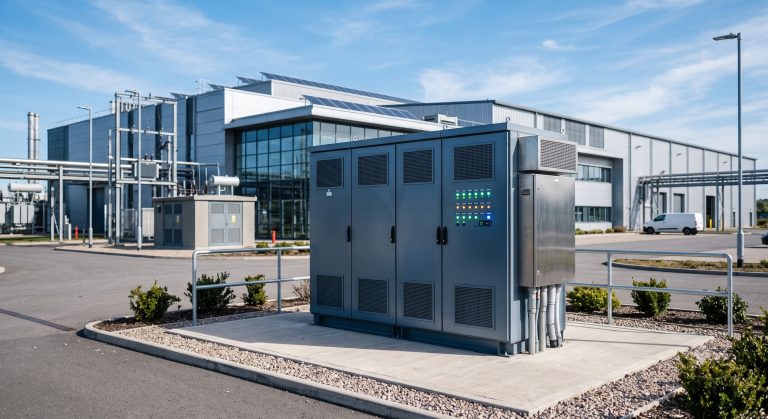
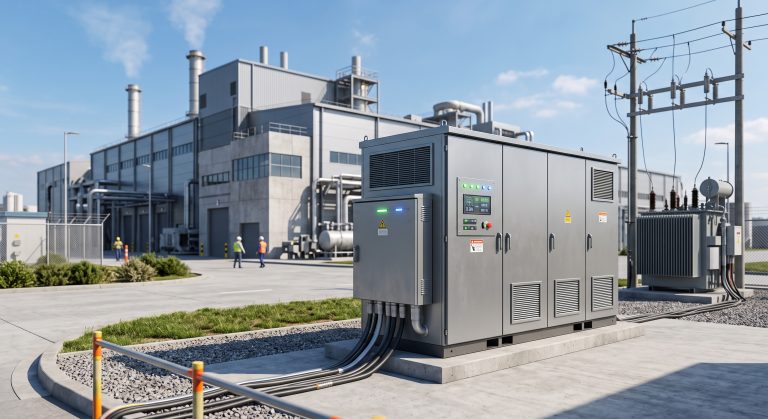
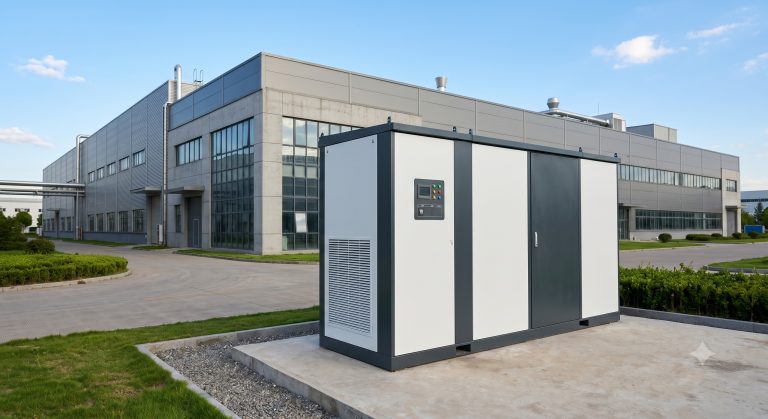
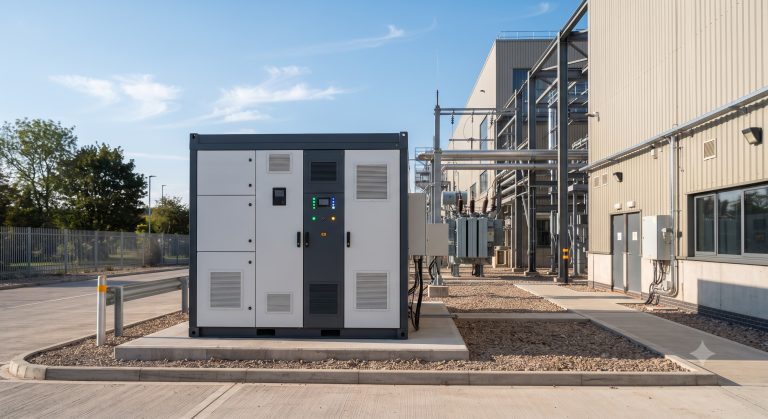
As global energy grids transition towards intermittent renewable sources, the demand for instantaneous power balancing has never been more critical. For Commercial and Industrial (C&I) enterprises, grid instability translates directly to financial risk, operational downtime, and penalty costs. The Frequency regulation container ESS (Energy Storage System) has emerged as the definitive engineering solution for primary and secondary frequency response. Unlike traditional backup systems, modern containerized BESS units are designed for sub-second response times, leveraging advanced Power Conversion Systems (PCS) and Tier-1 LFP battery cells to stabilize grid frequency while generating significant revenue through ancillary service markets. This deep-dive technical review provides system architects and procurement managers with a granular analysis of liquid-cooled PCS integration, cell-level performance metrics, and the quantifiable ROI of deploying a commercial energy storage container in high-stakes industrial environments.
Core Architecture: PCS, BMS, and Liquid Cooling Integration
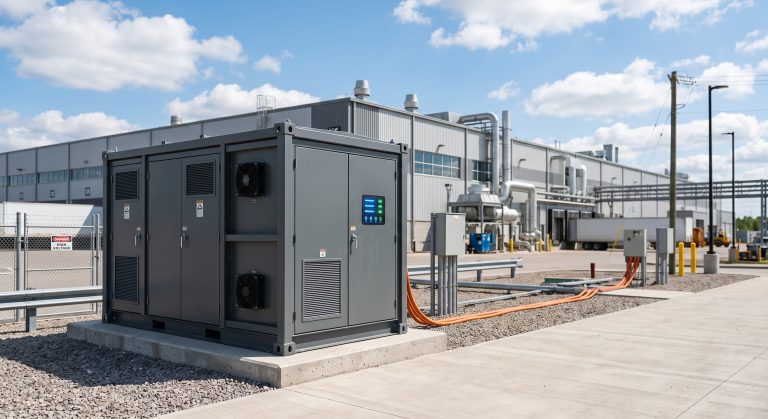
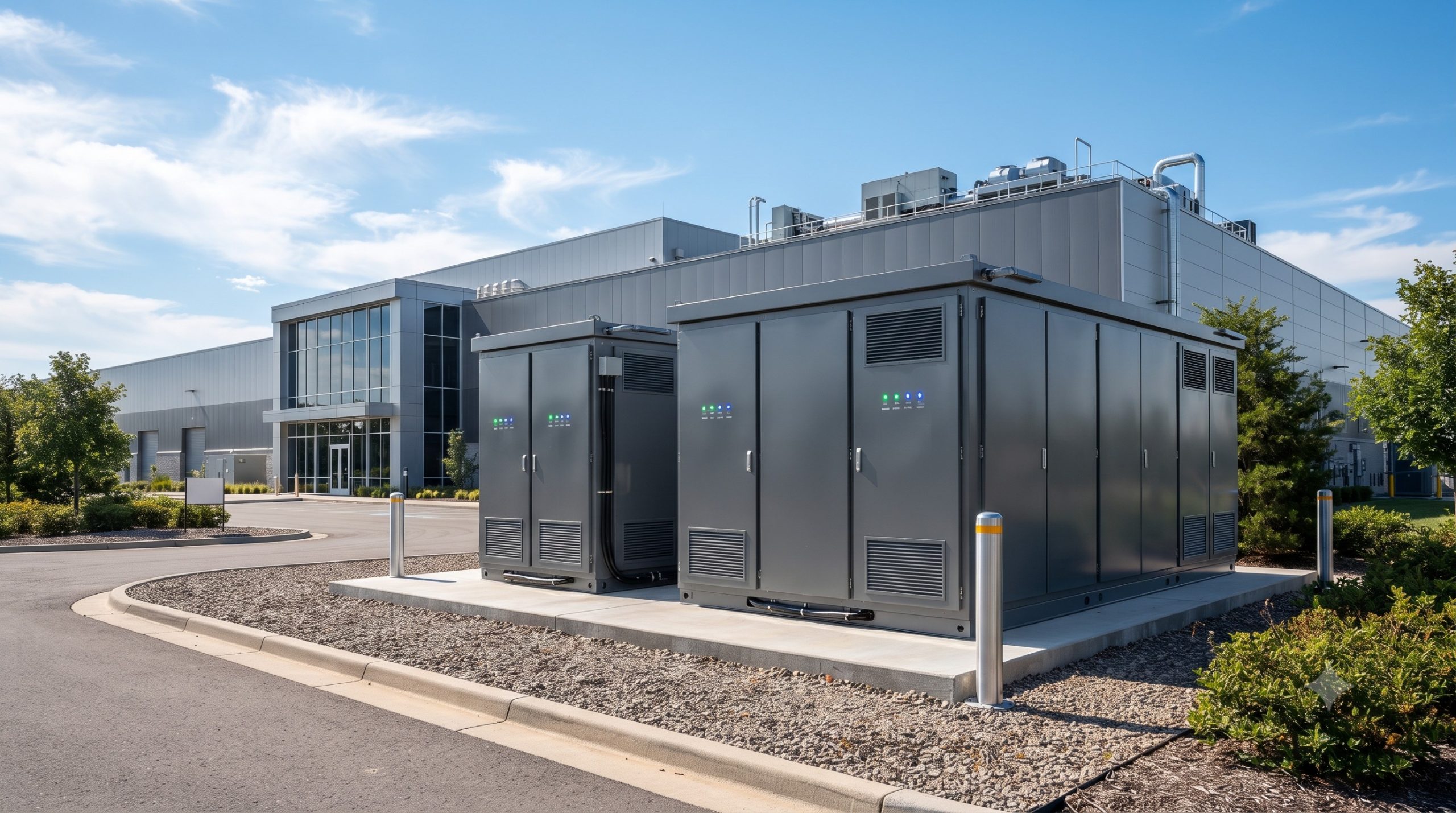
The effectiveness of a frequency regulation container ESS hinges on the seamless orchestration of its core components. The system typically integrates a bi-directional PCS with a conversion efficiency exceeding 98.5%, a multi-tier Battery Management System (BMS), and a sophisticated thermal management architecture. The shift towards liquid cooling has been a game-changer for high-C-rate applications. By circulating a dielectric fluid through cold plates attached to the battery modules, the system maintains cell temperature differentials within ±2°C, significantly mitigating the risk of thermal runaway and enhancing the consistency of charge/discharge responses essential for precise frequency regulation.
Battery Chemistry: The Tier-1 LFP Advantage
For rigorous cycling applications, Lithium Iron Phosphate (LFP) chemistry is the undisputed standard. Tier-1 LFP cells offer a superior safety margin and a cycle life exceeding 6,000 cycles at 90% Depth of Discharge (DoD). In frequency regulation scenarios where rapid bursts of energy are required, the low internal resistance of LFP cells ensures minimal voltage sag and heat generation, allowing the container ESS to deliver rated power consistently without accelerated degradation, a critical factor for maintaining the Levelized Cost of Storage (LCOS).
Thermal Control: Liquid vs. Air Cooling Specifications
Traditional air-cooling systems often struggle to dissipate heat efficiently during the rapid charge-discharge pulses typical of frequency regulation, leading to hotspots and reduced cell balancing efficiency. Our advanced liquid cooling container ESS dissipates heat 2-3 times more effectively than air. This precision cooling directly enhances the round-trip efficiency (RTE) of the system, typically achieving >93% RTE, ensuring that every kilowatt-hour stored is optimally utilized for grid support and peak shaving operations.
Technical Specifications & Compliance Ledger
When sourcing a frequency regulation solution, adherence to international safety and performance standards is non-negotiable. The following table outlines the critical engineering parameters for a high-performance 5MWh+ containerized BESS designed for commercial applications. Compliance with IEC 62619, UL 9540, and UN38.3 ensures safe transportation, installation, and operation, while CE marking guarantees conformity with European health and safety standards.
| Key Parameter | Technical Specification (Standard 5MWh+ Container) |
|---|---|
| Battery Chemistry | Tier-1 LFP (Lithium Iron Phosphate) |
| System Capacity | 5 MWh – 10 MWh (Expandable via Parallel Integration) |
| Nominal Voltage | 1500 VDC (High Voltage Architecture) |
| Cycle Life | >8,000 cycles @ 90% DoD (End of Life: 60% SOH) |
| Round-trip Efficiency (RTE) | ≥ 93% (AC to AC, Liquid Cooling Enabled) |
| Cooling Method | Active Liquid Cooling (Temperature Differential < ±2°C) |
| Response Time | < 30ms for Full Power Frequency Regulation |
| Safety Compliance | IEC 62619, UL 9540, CE, UN38.3 |
| Protection Rating | IP55 (Outdoor Installation Ready) |
Commercial ROI: Peak Shaving and Grid Support Strategy
Beyond technical specifications, the business case for a frequency regulation container ESS is compelling. In deregulated markets, these systems enable C&I operators to participate in demand response programs and Frequency Containment Reserve (FCR) markets. By programing the Energy Management System (EMS) to arbitrage energy prices and respond to grid operator signals, facilities can achieve a payback period of 3 to 5 years. Furthermore, the capability for peak shaving reduces demand charges from utility providers, which can constitute up to 40% of a commercial facility’s electricity bill. The integration of liquid-cooled PCS ensures that these economic benefits are not offset by maintenance costs or performance degradation, providing a tangible total cost of ownership (TCO) advantage over less robust systems.
Deployment Scenarios and Micro-Grid Synergy
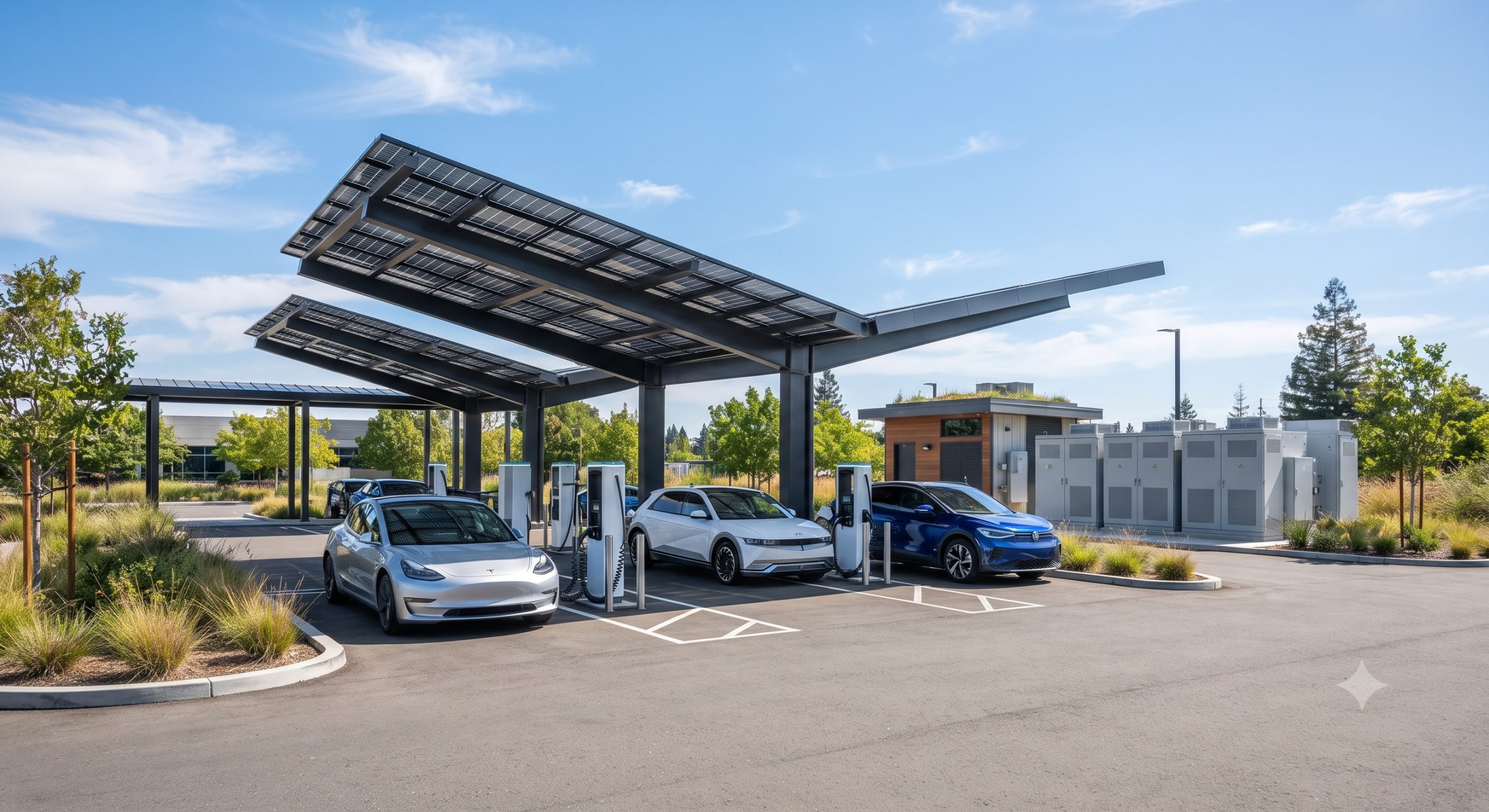
The modular nature of the container ESS design facilitates rapid deployment in diverse environments, from heavy industrial parks to PV-Storage-Charging (光储充) hubs. For micro-grid applications, the system acts as the primary grid-forming unit, ensuring seamless grid transition between islanded and grid-tied modes. This capability is vital for data centers and manufacturing facilities requiring uninterruptible power supply (UPS) functionality alongside frequency regulation. The containerized solution allows for side-by-side scalability, enabling facility operators to incrementally increase capacity up to several hundred MWh as demand grows, without complex civil engineering works.
Conclusion: The Future of C&I Energy Resilience
The deployment of a Frequency regulation container ESS represents a strategic upgrade to the energy infrastructure of any forward-thinking C&I enterprise. By combining Tier-1 LFP durability with advanced liquid-cooled PCS and BMS intelligence, these systems offer an unparalleled combination of safety, performance, and economic return. For decision-makers, the path forward is clear: investing in certified, high-cyclical ESS assets not only fortifies operations against grid volatility but also provides a tangible pathway to achieving net-zero carbon targets while maximizing financial returns. As the global push for grid modernization accelerates, the containerized ESS remains the cornerstone of commercial energy resilience and frequency stability.