Introduction
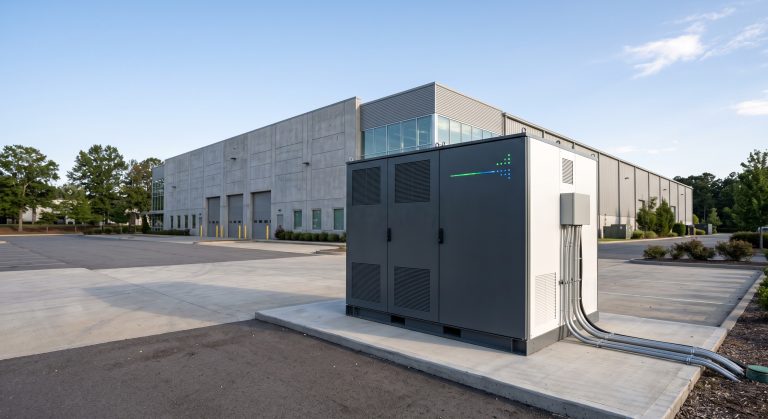
For commercial and industrial (C&I) facilities, the volatility of grid electricity prices has transformed energy management from a fixed overhead into a strategic lever for profitability. The solar plus storage economic benefits model represents the most actionable strategy for facilities to decouple from rising utility tariffs, capitalize on demand response incentives, and achieve energy sovereignty. This analysis moves beyond superficial savings estimates to provide a comprehensive Total Cost of Ownership (TCO) analysis of integrating a Battery Energy Storage System (BESS) with a behind-the-meter PV array. We will dissect the architecture of a grid-tied commercial storage system, evaluate its peak-shaving capacity, benchmark round-trip efficiency, and project the internal rate of return (IRR) by evaluating CapEx, OpEx, and ancillary grid service revenues. By replacing traditional diesel generator backup models with a high-cycle LFP-based system, your facility can achieve sub-3-year payback periods while future-proofing against carbon taxation.
Core Architecture & Smart Energy Management
High-Voltage BESS and Bi-Directional PCS
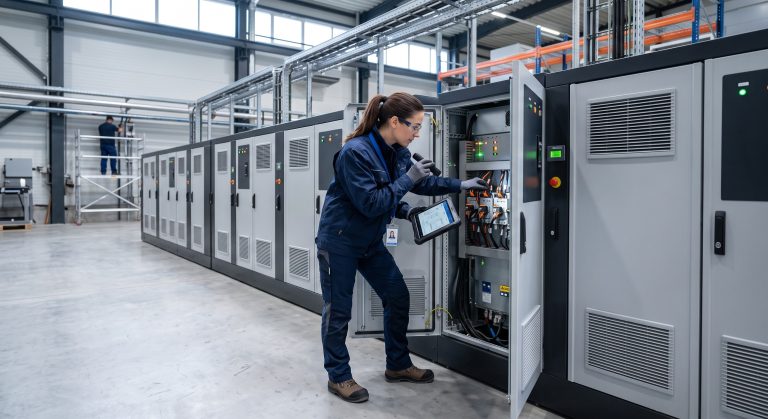
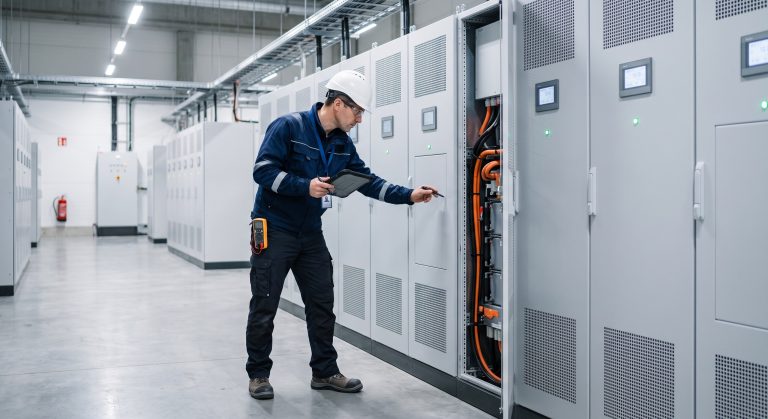
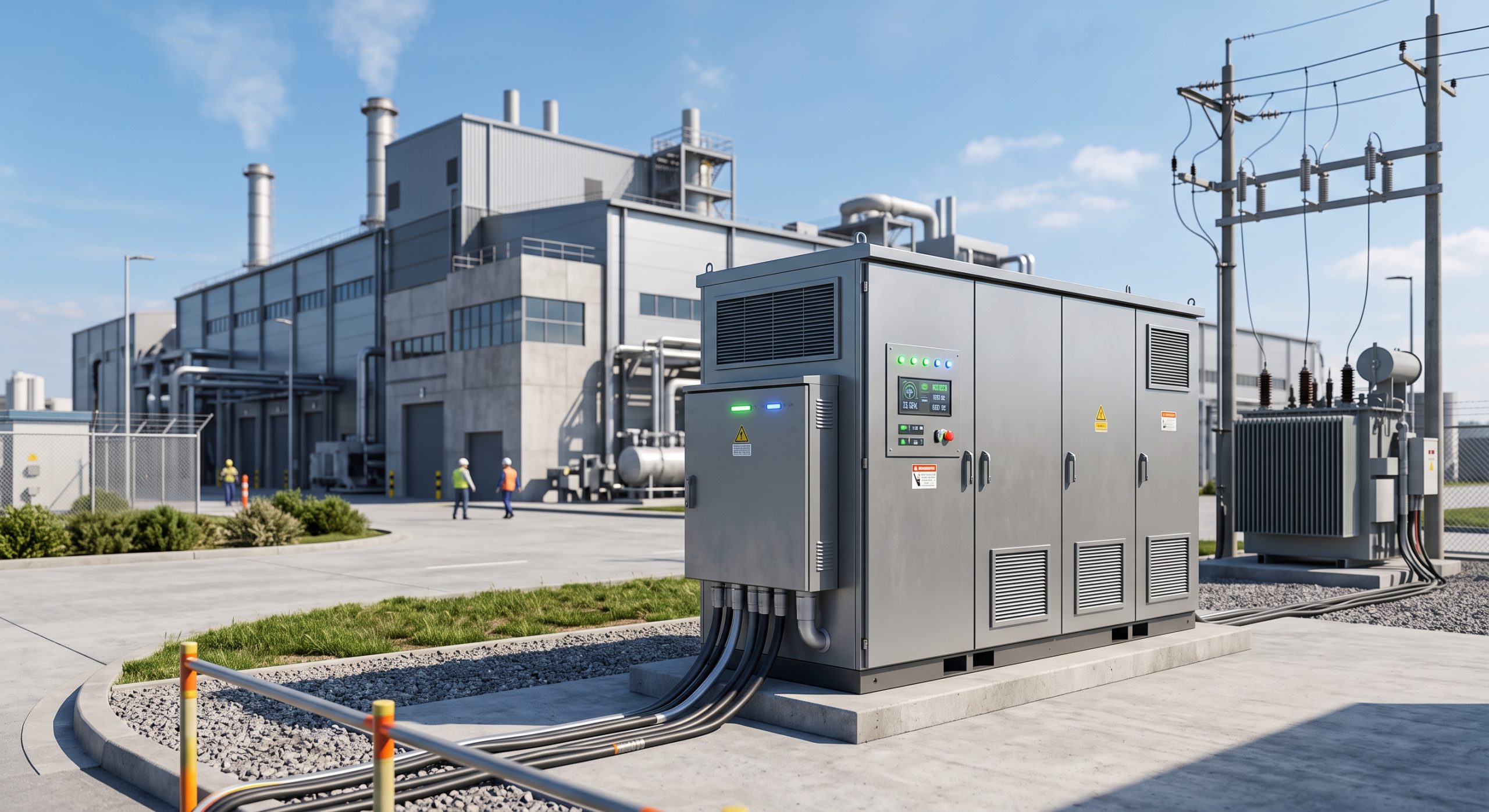
At the heart of maximizing solar plus storage economic benefits lies the seamless integration between the photovoltaic (PV) array, the Battery Energy Storage System (BESS), and the facility’s variable load demands. A modern C&I system is typically engineered around a high-voltage LFP battery pack (often 768V or higher) connected to a bi-directional Power Conversion System (PCS). The PCS is the critical interface that converts DC solar and battery power into usable AC power while managing grid synchronization. However, the true intelligence resides within the Energy Management System (EMS). The EMS processes load forecasting and real-time grid pricing to execute a peak-shaving logic, discharging the BESS precisely during the peak demand window. To ensure optimal charging efficiency and prevent degradation, the system actively communicates with the Battery Management System (BMS), which monitors cell voltage, state of charge (SOC), and state of health (SOH) down to the individual cell level. This hierarchical control architecture is the foundation of TCO optimization, directly impacting the Depth of Discharge (DoD) strategy. By consistently cycling between 10% and 90% DoD, these systems can ensure robust performance and warranty compliance, a key factor in the economic viability of your storage investment.
BMS, EMS, and Thermal Control Integration
Advanced liquid cooling thermal control is no longer a luxury but a requirement for maximizing solar plus storage economic benefits in high-demand scenarios. Liquid cooling actively manages the pack’s internal temperature, ensuring that the delta between cells remains minimal (typically below 5°C). This uniform temperature distribution is essential for maintaining the integrity of the LFP chemistry and extending cycle life beyond 8000 cycles at 90% DoD. The EMS is programmed to prioritize intelligent demand response triggers. If a peak pricing window is predicted, the EMS will reserve sufficient capacity in the BESS to discharge at the maximum allowable rate of the PCS, effectively shaving the load curve. This operational strategy is the primary driver of ROI, allowing facilities to reduce their grid draw precisely when energy costs are at their highest, often effectively slashing the facility’s peak monthly demand charge by up to 40%.
| Key Parameter | Technical Specification |
|---|---|
| Battery Chemistry | Tier-1 LFP (Lithium Iron Phosphate) |
| Cycle Life | >8000 cycles @ 90% DoD |
| Round-Trip Efficiency (RTE) | ≥ 92% |
| Thermal Management | Advanced Liquid Cooling |
| Safety Standards | UL 9540, IEC 62619, CE, UN38.3 |
| Communication Protocols | Modbus TCP, CAN Bus |
| Scalability | Modular High-Density Cabinets |
Total Cost of Ownership (TCO) Analysis and Peak-Shaving ROI
The economic justification for any infrastructure investment hinges on the TCO, and when analyzing solar plus storage economic benefits, the numbers are compelling. The primary revenue stream is the reduction of peak demand charges. In many industrial parks, demand charges can represent up to 50% of the utility bill. By implementing a dynamic peak-shaving strategy, a 1MW/2MWh system can reliably reduce draw during a 2-hour peak window by 500kW, resulting in significant annual savings. Additionally, the system unlocks monetization through grid frequency regulation and participation in Virtual Power Plant (VPP) programs. Utilities pay a premium for fast-responding assets; the PCS can respond to a grid event in under 200 milliseconds, offering a lucrative ancillary service revenue stream. The CapEx for high-density LFP systems has dropped significantly, and with extended warranties covering >8000 cycles, the amortized storage cost is now competitive with peak grid prices. When offset against the savings from reduced energy imports and additional revenue from VPP aggregation, facilities can achieve a Return on Investment (ROI) that beats traditional infrastructure upgrades by a significant margin, with many projects reaching a payback period of under 3.5 years.
Deployment Scenarios and Technical Compliance
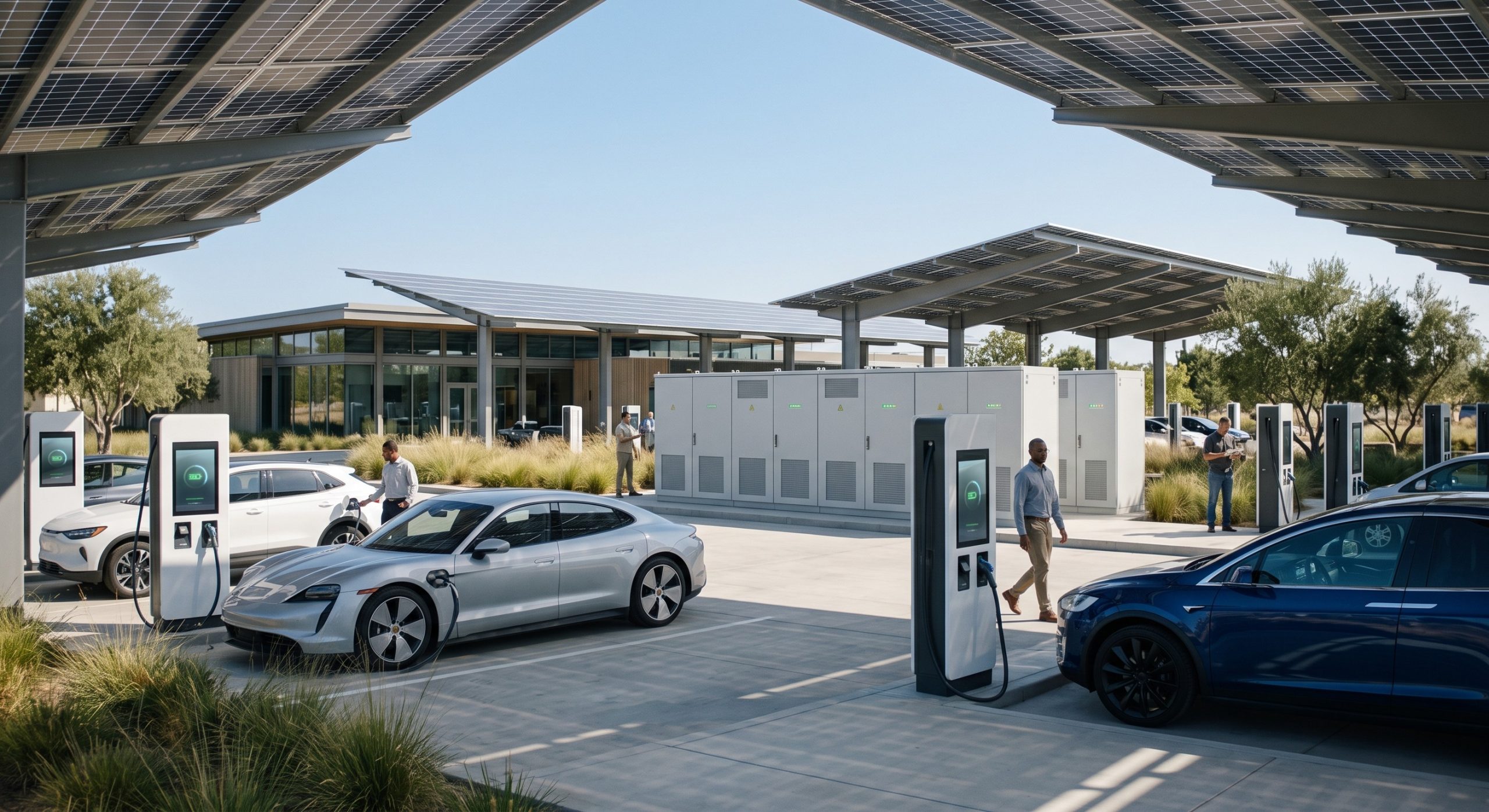
The scalability of solar plus storage economic benefits allows for diverse deployment scenarios, from single-cabinet installations at retail outlets to multi-megawatt containerized systems in industrial parks. For EV supercharging stations, the integration of PV, storage, and charging (PV-Storage-Charging) is essential to avoid grid upgrade costs. The BESS acts as a buffer, allowing the EV superchargers to deliver high-power charges without exceeding the facility’s grid capacity. For remote micro-grids, the system provides seamless grid transition, ensuring operational continuity. Importantly, these systems undergo rigorous testing to meet global safety standards. UL 9540 certifies the entire energy storage system’s safety, while IEC 62619 ensures the safety of the industrial batteries. CE certification confirms conformity with European health, safety, and environmental protection standards, and UN38.3 covers transportation safety for the lithium batteries. This high level of compliance ensures that your asset is insurable, grid-tie approved, and safe for years to come.
Conclusion
The case for maximizing solar plus storage economic benefits is unequivocally clear. The combination of high-cycle LFP chemistry, intelligent EMS dispatch, and advanced liquid cooling thermal control delivers a superior Total Cost of Ownership and a rapid peak-shaving ROI. By strategically deploying this technology, C&I enterprises can hedge against rising electricity costs, unlock new revenue streams through demand response and VPP participation, and achieve their zero-carbon migration targets. To start reaping these benefits, evaluate your facility’s load profile, consult with a Tier-1 system integrator to tailor a solution to your specific needs, and turn your energy overhead into a strategic asset.