Introduction: Why Turnkey Container ESS is Reshaping Commercial Energy Strategy
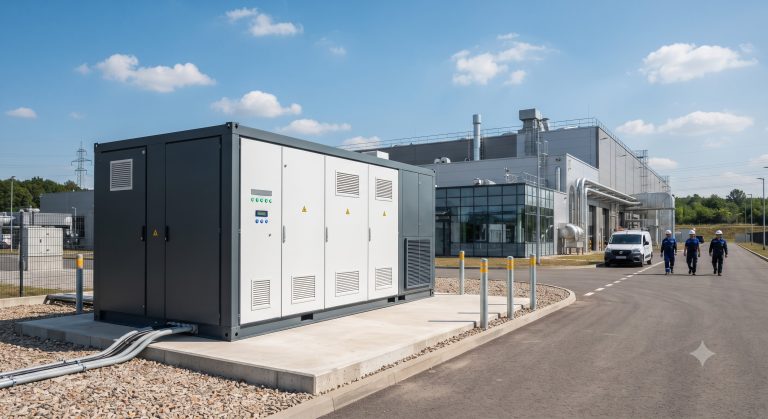
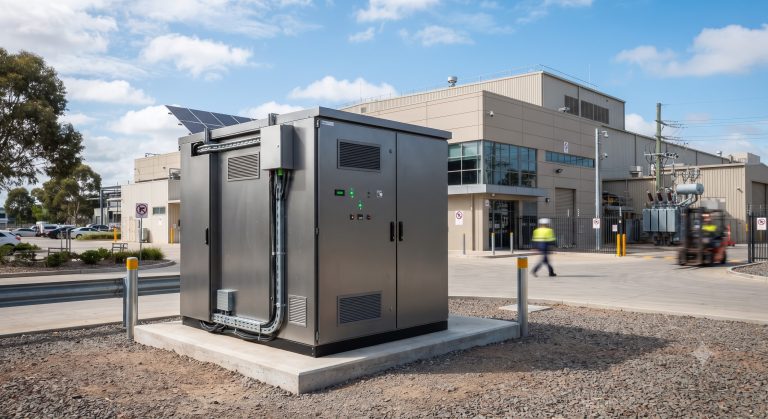
The global commercial and industrial (C&I) energy storage market is experiencing a paradigm shift, driven by volatile utility tariffs, decarbonization mandates, and the pressing need for grid resilience. For facility managers, energy procurement officers, and system integrators, the turnkey container ESS has emerged as the most pragmatic asset class for achieving energy sovereignty. Unlike fragmented component-based systems, a turnkey solution offers pre-integrated battery racks, power conversion systems (PCS), thermal management, and fire suppression within a single standardized enclosure. This approach drastically reduces engineering procurement and construction (EPC) risks while accelerating project timelines by up to 40%. Data from the U.S. Energy Information Administration indicates that peak commercial electricity rates have surged by an average of 6.2% annually over the last three years, making on-site storage not just a sustainability lever but a financial necessity. This comprehensive sourcing guide distills 15 years of industry expertise to dissect the technical architecture, financial modeling (LCOE), and grid-support capabilities of modern turnkey containerized storage, providing decision-makers with an objective, data-driven roadmap for procurement.
Core Architecture: Integrated PCS, BMS, and EMS Synergy
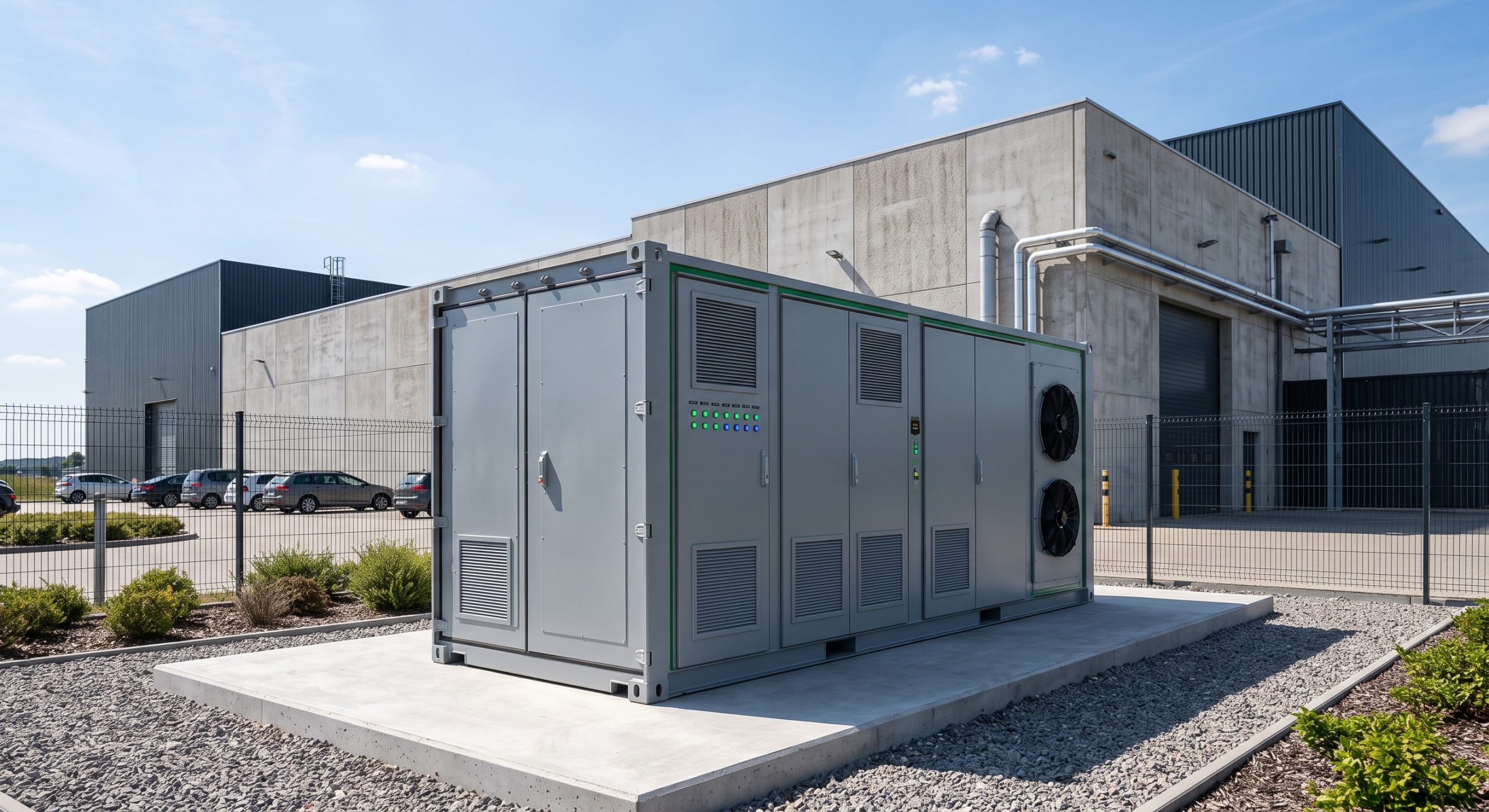
At the heart of every robust turnkey container ESS lies a tripartite control ecosystem: the Battery Management System (BMS), the Power Conversion System (PCS), and the Energy Management System (EMS). The BMS operates at the cell level, continuously monitoring voltage, current, and temperature to ensure each Tier-1 LFP cell operates within safe parameters. Modern BMS architectures employ distributed slave modules connected via CAN bus to a master controller, enabling cell balancing accuracy within ±5mV. The PCS acts as the bi-directional bridge, converting DC power from the battery to grid-compliant AC power and vice versa. High-efficiency PCS units now achieve peak efficiencies of 98.5%, reducing parasitic losses significantly. The EMS serves as the centralized brain, executing complex dispatch algorithms based on utility signals, on-site load curves, and weather forecasts for PV integration. For instance, during demand response events, the EMS can seamlessly transition the system from peak-shaving mode to frequency regulation mode within 200 milliseconds, ensuring grid code compliance. This integrated architecture eliminates the compatibility nightmares often associated with mixing components from different vendors, guaranteeing a single point of responsibility for performance warranties.
Liquid Cooling vs. Air Cooling: Thermal Efficiency Optimization
Thermal management is the critical differentiator between first-generation and modern high-density containerized BESS solutions. While air-cooled systems rely on forced convection via fans, they struggle to maintain uniformity when cell temperatures exceed 35°C, leading to accelerated degradation and a risk of thermal runaway. Advanced turnkey containers now predominantly utilize liquid cooling technology. By circulating a dielectric coolant through cold plates in direct contact with battery modules, liquid cooling maintains cell temperature variance within a tight ±2°C band, even at 1C charge/discharge rates. This precise thermal control directly translates to extended cycle life. Data from field deployments show that liquid-cooled systems preserve 85% of their initial capacity after 6,000 cycles, compared to just 4,500 cycles for equivalent air-cooled systems operating in similar ambient conditions. Furthermore, liquid cooling enables higher energy density by allowing modules to be packed more tightly, reducing the overall footprint of the 20-foot or 40-foot container. For projects where space is at a premium—such as urban EV charging hubs or rooftop industrial installations—this thermal advantage is non-negotiable.
Technical Specifications: Core Metrics for Procurement Evaluation
When evaluating proposals from suppliers, procurement teams must anchor their decisions on quantifiable performance metrics rather than marketing superlatives. The table below outlines the critical technical specifications that define a bankable turnkey container ESS. Pay particular attention to the round-trip efficiency (RTE) and the Depth of Discharge (DoD) parameters, as these directly influence the Levelized Cost of Storage (LCOS). A higher RTE (e.g., ≥ 92%) ensures that less energy is lost during charge-discharge cycles, improving project IRR. Similarly, a DoD of 90% allows the asset owner to utilize a greater percentage of the installed capacity without significantly compromising cycle life, maximizing the usable kWh per investment dollar.
| Key Parameter | Technical Specification |
|---|---|
| Battery Chemistry | Tier-1 LFP (Lithium Iron Phosphate) |
| System Capacity | 3.7 MWh to 5.0 MWh per 40-foot Container |
| Cycle Life | >8,000 cycles @ 90% DoD (Depth of Discharge) |
| Round-Trip Efficiency (RTE) | ≥ 92% (DC-to-DC) / ≥ 91% (AC-to-AC) |
| Cooling Technology | Liquid Cooling with ±2°C Cell Variance |
| Voltage Range (DC) | 800V to 1500V |
| Fire Suppression | Aerosol + Nitrogen + Water Mist (UL 9540 Compliant) |
| Safety Certifications | UL 9540, IEC 62619, CE, UN38.3 |
| EMS Communication | Modbus TCP, IEC 61850, CAN Bus |
| Enclosure Rating | IP54 / IP55 (Outdoor Installation) |
Lithium Iron Phosphate (LFP) Chemistry and Cycle Life
The selection of LFP (Lithium Iron Phosphate) chemistry is now the industry standard for C&I storage due to its inherent thermal stability and long calendar life. Unlike NMC (Nickel Manganese Cobalt) variants, LFP cells exhibit a lower exothermic reaction threshold, significantly mitigating the risk of thermal propagation. Tier-1 LFP cells, sourced from manufacturers with proven gigawatt-hour production histories, are rated for >8,000 cycles at 90% DoD, translating to an operational lifespan of over 15 years in typical daily cycling applications. The cell nominal voltage typically sits at 3.2V, enabling the construction of high-voltage DC buses (800V-1500V) that reduce resistive losses in cabling and increase overall system efficiency.
Commercial ROI: Peak-Shaving, Demand Response, and LCOE Analysis
The commercial justification for a turnkey ESS extends beyond simple energy arbitrage. The primary ROI driver remains peak-shaving—the strategy of reducing facility demand during utility peak windows. By discharging stored energy during the highest tariff periods, commercial facilities can lower their demand charges, which often constitute 30-50% of a monthly electricity bill. For example, a manufacturing facility with a 2MW load can utilize a 4MWh containerized system to shave 1.5MW of peak demand, potentially saving $150,000 to $250,000 annually in demand charges, depending on local utility rates. Furthermore, integration with utility demand response programs provides additional revenue streams. Advanced EMS platforms automatically bid stored capacity into frequency regulation markets, generating ancillary service payments. The Levelized Cost of Storage (LCOE) for a modern turnkey solution has declined to approximately $0.08-$0.12 per kWh, making it highly competitive with peak retail rates that often exceed $0.20 per kWh. This favorable spread ensures payback periods of 3 to 5 years for most commercial deployments.
Deployment Scenarios: From Industrial Parks to EV Supercharging Stations
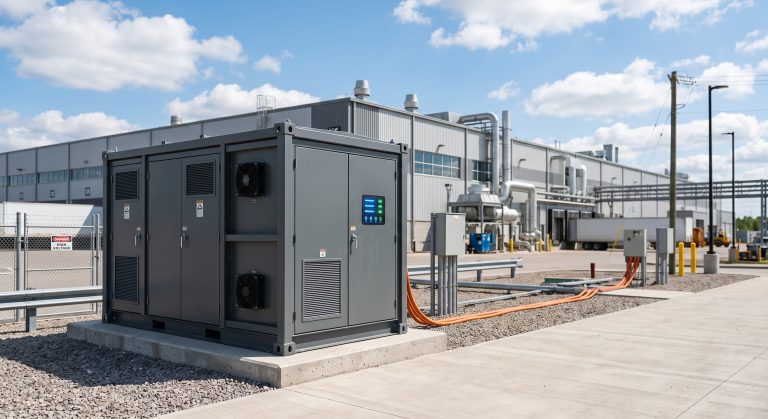
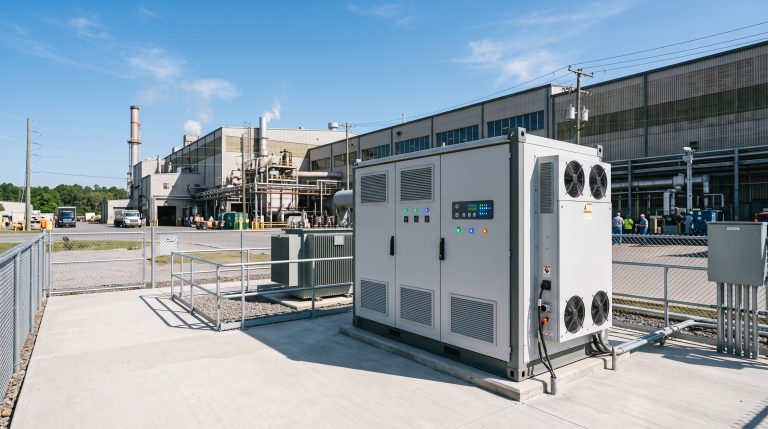
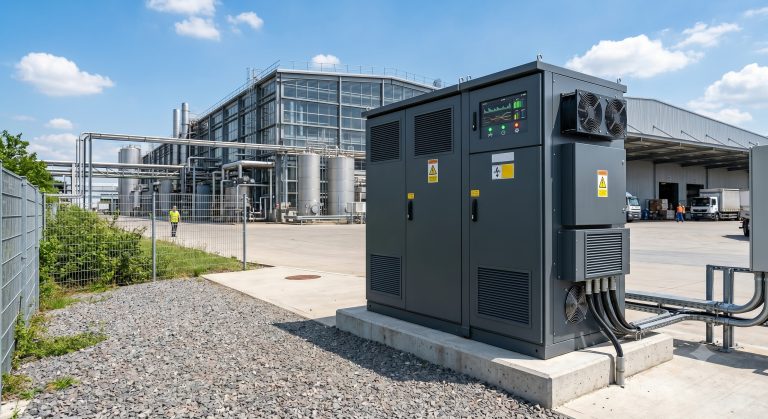
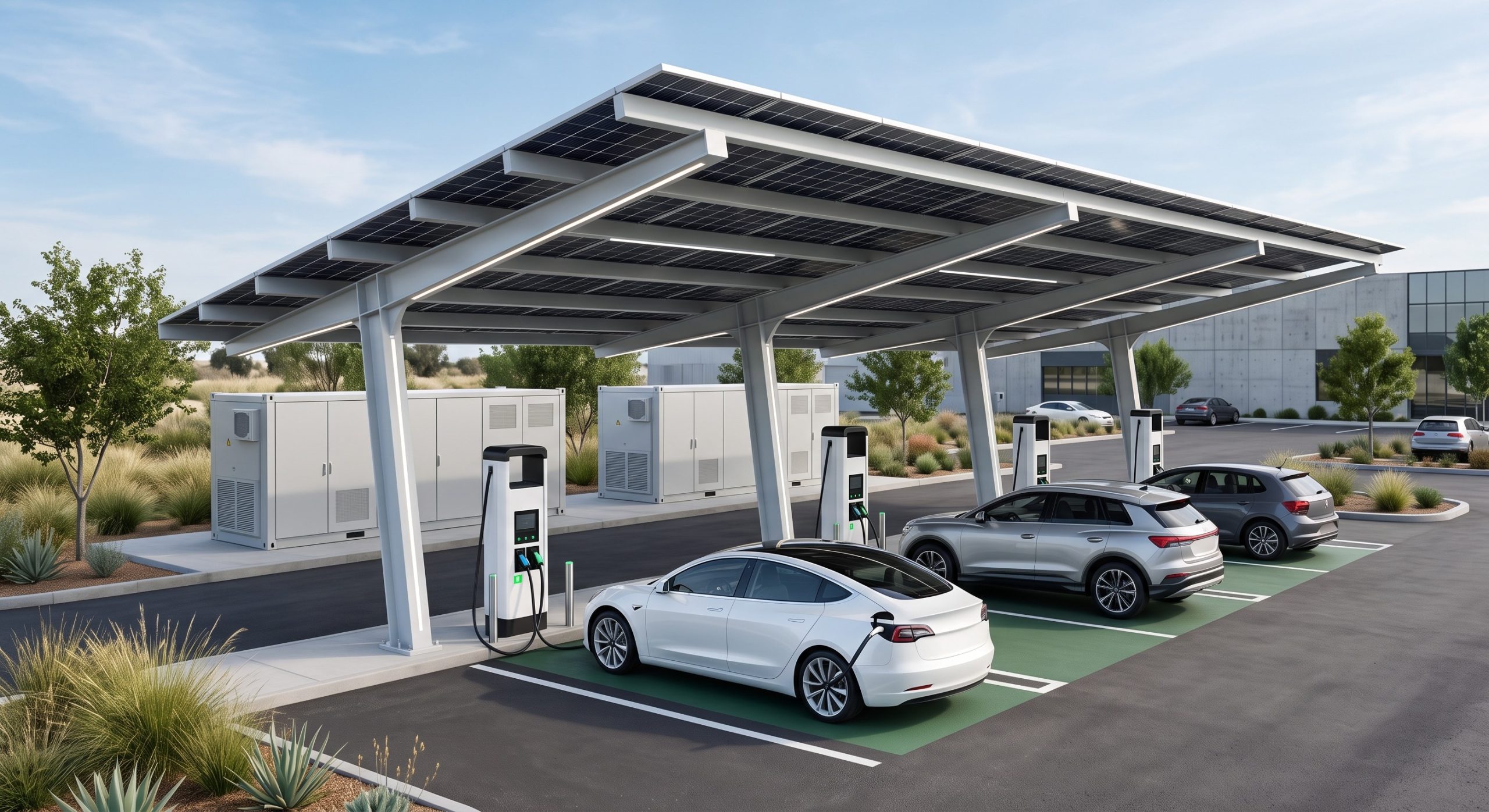
The modular nature of turnkey container ESS makes them exceptionally versatile across a diverse range of application scenarios. In industrial parks with high-voltage (HV) connections, these systems serve as buffer storage, stabilizing production lines against grid fluctuations and allowing seamless black-start capabilities during outages. In the rapidly expanding EV infrastructure sector, containerized storage is the backbone of PV-storage-charging (光储充) synergy. By pairing a 5MWh container ESS with solar canopies, operators can capture excess solar generation during midday and dispatch it at a controlled rate to EV supercharging stations, flattening the grid connection profile and avoiding costly demand spikes from simultaneous fast-charging sessions. Commercial data centers are increasingly adopting these solutions to ensure uninterruptible power supply (UPS) redundancy while participating in grid-stabilization programs. The containerized form factor facilitates rapid outdoor installation with minimal civil works, a distinct advantage over building out dedicated concrete bunkers. Mobile micro-grids for remote mining operations are another prime deployment scenario, replacing expensive and high-emission diesel generators with a low-noise, zero-emission storage solution coupled with PV arrays.
Safety and Compliance: UL 9540, IEC 62619, and UN38.3
Compliance with rigorous international safety standards is non-negotiable for bankable projects requiring insurance coverage and grid interconnection. A turnkey container ESS must be certified to UL 9540 for system-level safety in the U.S. market, which encompasses fire suppression, thermal runaway containment, and electrical protection. For European and Asian markets, adherence to IEC 62619 is mandatory, ensuring safe operation of secondary cells and batteries for industrial applications. Additionally, transportation regulations mandate UN38.3 testing to certify the safety of lithium batteries during shipping. Modern container designs integrate multi-level fire suppression systems comprising aerosol-based suppressants, nitrogen injection, and water mist nozzles controlled by a redundant gas detection network. These measures ensure that any thermal event within a single module is contained to that segment, preventing propagation to adjacent cells. Procurement contracts should explicitly mandate the provision of Factory Acceptance Test (FAT) documentation and Site Acceptance Test (SAT) protocols to verify these certifications before commissioning.
Conclusion: The Strategic Imperative for Turnkey Container ESS
As the global energy transition accelerates, the turnkey container ESS stands as a definitive solution for commercial enterprises seeking to hedge against energy inflation, enhance operational continuity, and meet stringent ESG targets. The data is unequivocal: with cycle lives exceeding 8,000 cycles, round-trip efficiencies surpassing 92%, and integrated liquid cooling ensuring long-term performance stability, these systems offer a compelling total cost of ownership (TCO) compared to diesel generators and grid-only reliance. For B2B sourcing professionals, the path forward involves prioritizing suppliers that demonstrate vertical integration across BMS, PCS, and EMS, possess robust UL/IEC certifications, and provide verifiable field performance data. The transition from a passive consumer to an active energy prosumer is no longer a futuristic concept; it is an operational necessity enabled by the advanced engineering and turnkey simplicity of today’s containerized storage solutions. The time to invest is now, guided by the technical and financial framework outlined in this guide.