Introduction: The Technical Imperative for Grid-Scale Lithium Battery Containers
The global energy storage market is experiencing a paradigm shift, with grid-scale lithium battery containers emerging as the foundational asset for commercial and industrial (C&I) energy resilience. As renewable penetration surpasses 30% in major grids, the demand for utility-grade energy storage systems (ESS) capable of providing frequency regulation, peak shaving, and backup power is surging. Unlike traditional diesel generators, modern containerized ESS offer silent, zero-emission operation with rapid millisecond response times. This deep technical review dissects the architecture of the grid-scale lithium battery container, focusing on liquid cooling integration, Tier-1 LFP cell metrics, and the system-level engineering that delivers >98% round-trip efficiency. We analyze critical performance indicators including cycle life exceeding 8,000 cycles at 90% Depth of Discharge (DoD), compliance with international safety standards such as IEC 62619, UL 9540, CE, and UN38.3, and the advanced battery management systems (BMS) that ensure safe, reliable operation over a 15-year design life.
Core Architecture & Battery Management Systems (BMS)
Containerized ESS Topology
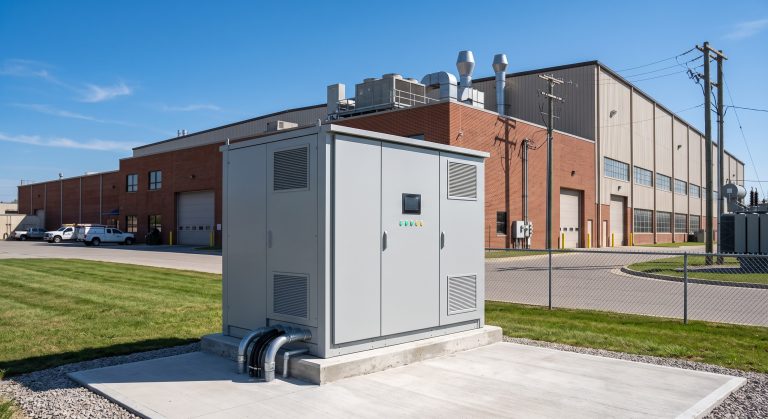
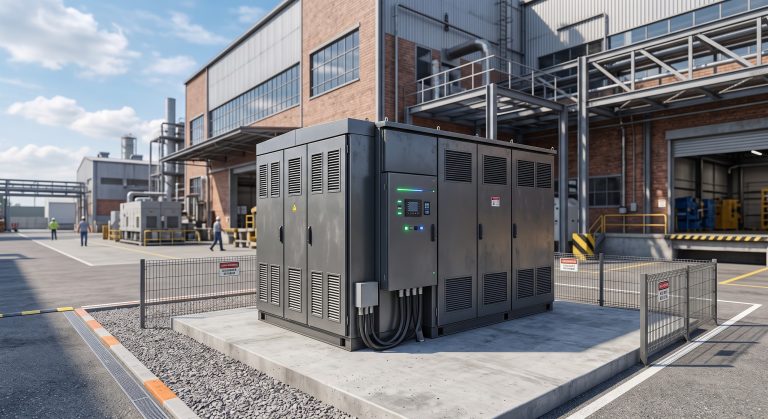
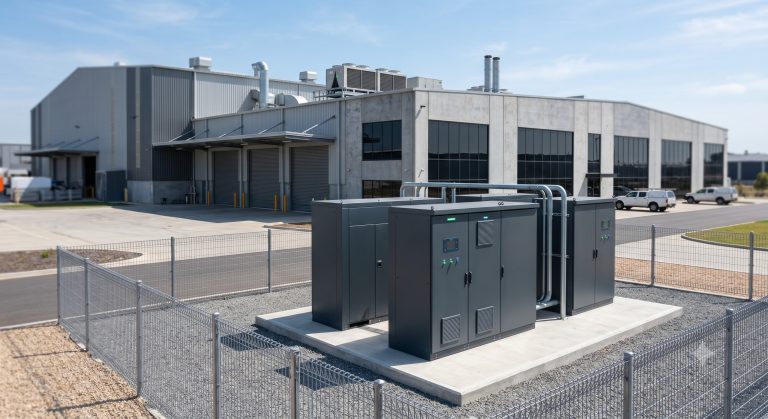
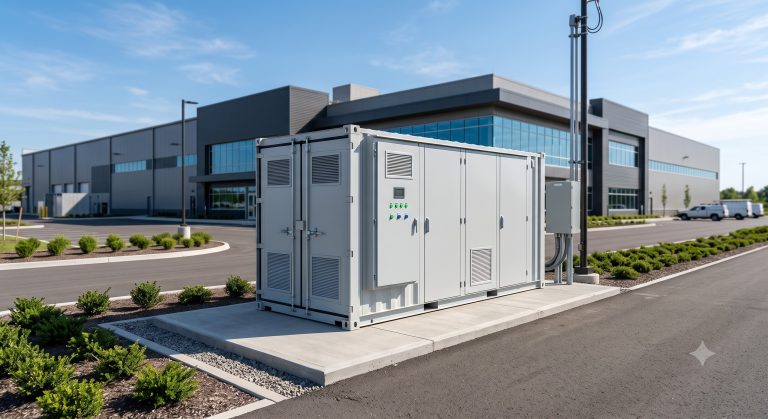
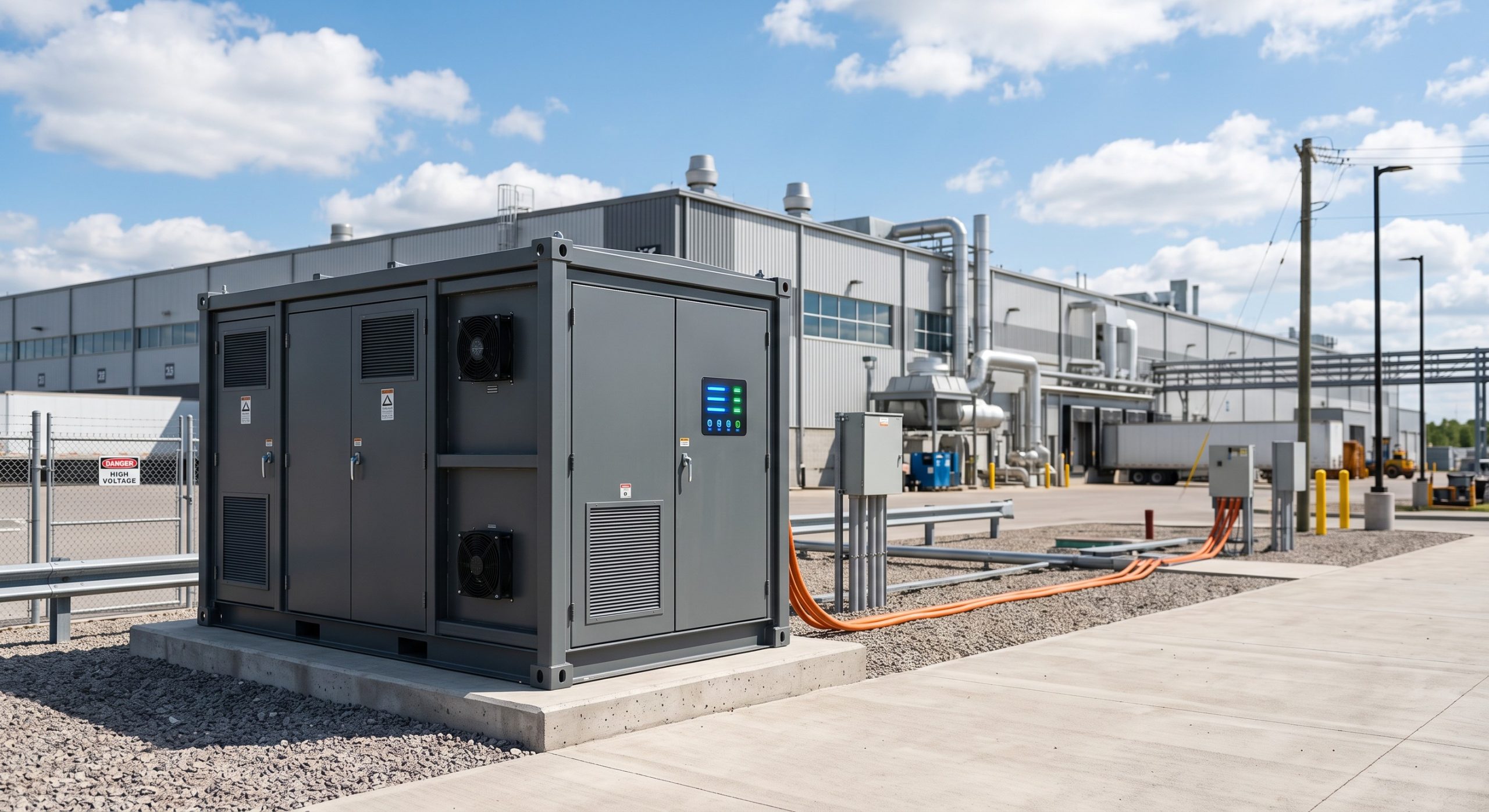
The physical architecture of a grid-scale lithium battery container is a marvel of modular engineering. Typically built within a 20-foot or 40-foot ISO high-cube container, the system integrates racks of Tier-1 LFP battery modules, a bi-directional Power Conversion System (PCS), a centralized Battery Management System (BMS), and a sophisticated thermal management unit. The key to high energy density lies in the cell-to-pack (CTP) design, which eliminates intermediate module structures, increasing volumetric energy density by up to 15% compared to conventional designs. This architecture reduces the footprint required for multi-megawatt-hour installations, making it ideal for space-constrained industrial parks and urban substations.
Advanced BMS Logic and Cell Balancing
At the heart of every reliable grid-scale lithium battery container is a multi-layered BMS that operates at the cell, module, and rack levels. The system employs passive or active cell balancing to ensure uniform State of Charge (SoC) across all cells, mitigating the risk of overcharging or deep discharge. Advanced algorithms monitor voltage, current, and internal resistance in real-time, with data sampling rates as high as 100ms. This granularity enables the BMS to predict cell degradation trends, calculate State of Health (SoH), and proactively schedule maintenance. For large-scale deployments, the BMS communicates with the EMS via Modbus TCP/IP or IEC 61850 protocols, ensuring seamless integration with grid control systems.
Liquid Cooling vs. Air Cooling: Thermal Control Optimization
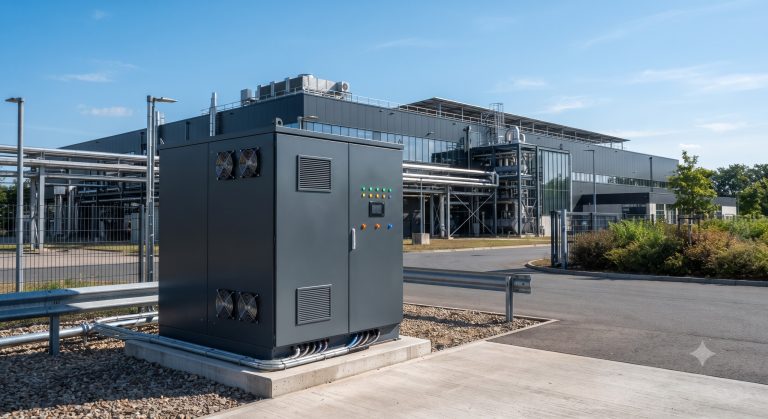
Thermal management is the single most critical factor affecting the lifespan and safety of a grid-scale lithium battery container. While air-cooled systems are simpler and cost-effective for low-power applications, liquid cooling has become the gold standard for high-capacity, high-discharge-rate systems. Liquid cooling offers a coefficient of performance (COP) up to 4.0, maintaining cell temperature differentials within ±2°C, compared to ±5°C in air-cooled systems. This precise thermal control directly enhances cycle life and prevents hot spots that can lead to thermal runaway. The liquid cooling circuit typically uses a water-glycol mixture, pumped through cold plates or micro-channel heat exchangers integrated into the battery pack, enabling the system to operate efficiently even in ambient temperatures ranging from -30°C to +55°C.
Technical Specifications: Performance Metrics and Standards
The following table provides a detailed breakdown of the engineering specifications for a standard 1.5MW/3MWh grid-scale lithium battery container. These metrics are derived from industry-leading Tier-1 manufacturers and validated through Factory Acceptance Tests (FAT) and Site Acceptance Tests (SAT).
| Key Parameter | Technical Specification |
|---|---|
| Battery Chemistry | Tier-1 LFP (Lithium Iron Phosphate) |
| System Capacity | 1.5MW / 3.0MWh (Scalable to 6MWh per 40ft container) |
| Cycle Life | >8,000 cycles @ 90% DoD (End of Life: 80% capacity retention) |
| Round-Trip Efficiency | >98% (DC/DC) including liquid cooling parasitic load |
| Thermal Management | Liquid Cooling (Water-Glycol) with ΔT < ±2°C between cells |
| Voltage Range | 600V – 1500V DC |
| Operating Temperature | -30°C to +55°C (with derating above 45°C) |
| Safety Standards | IEC 62619 (Cell), UL 9540 (System), CE, UN38.3 (Transport) |
| Fire Suppression | Aerosol-based or Water Mist system with gas detection |
| Communication Protocols | Modbus TCP/IP, IEC 61850, CAN Bus |
| Enclosure Rating | IP54 / IP65 (Outdoor rated) |
Commercial ROI & Grid Support Capabilities
Peak Shaving and Total Cost of Ownership (TCO)
For C&I facility managers, the primary economic driver for deploying a grid-scale lithium battery container is peak shaving. By discharging stored energy during peak demand periods, businesses can reduce demand charges, which often account for 30-50% of monthly electricity bills. A robust TCO analysis reveals that despite higher upfront CapEx, liquid-cooled LFP systems offer the lowest Levelized Cost of Storage (LCOS) over 10 years, often under $0.08/kWh. The extended cycle life (>8,000 cycles) ensures that the asset remains profitable for the duration of its operational life, with maintenance costs limited to annual coolant replacement and periodic BMS firmware updates.
Demand Response and Grid Frequency Regulation
Beyond behind-the-meter savings, these containerized systems are pivotal for grid stability. With a response time of <200ms, a grid-scale lithium battery container can participate in frequency regulation markets (e.g., FERC Order 755 in the US, or the National Grid EFR in the UK). The bi-directional PCS enables seamless transition between grid-tied and islanding modes, making it an essential component for Virtual Power Plants (VPPs). This capability allows asset owners to monetize stored energy through ancillary services, creating an additional revenue stream that significantly accelerates ROI.
Deployment Scenarios: Industrial Parks, EV Supercharging, and Micro-grids
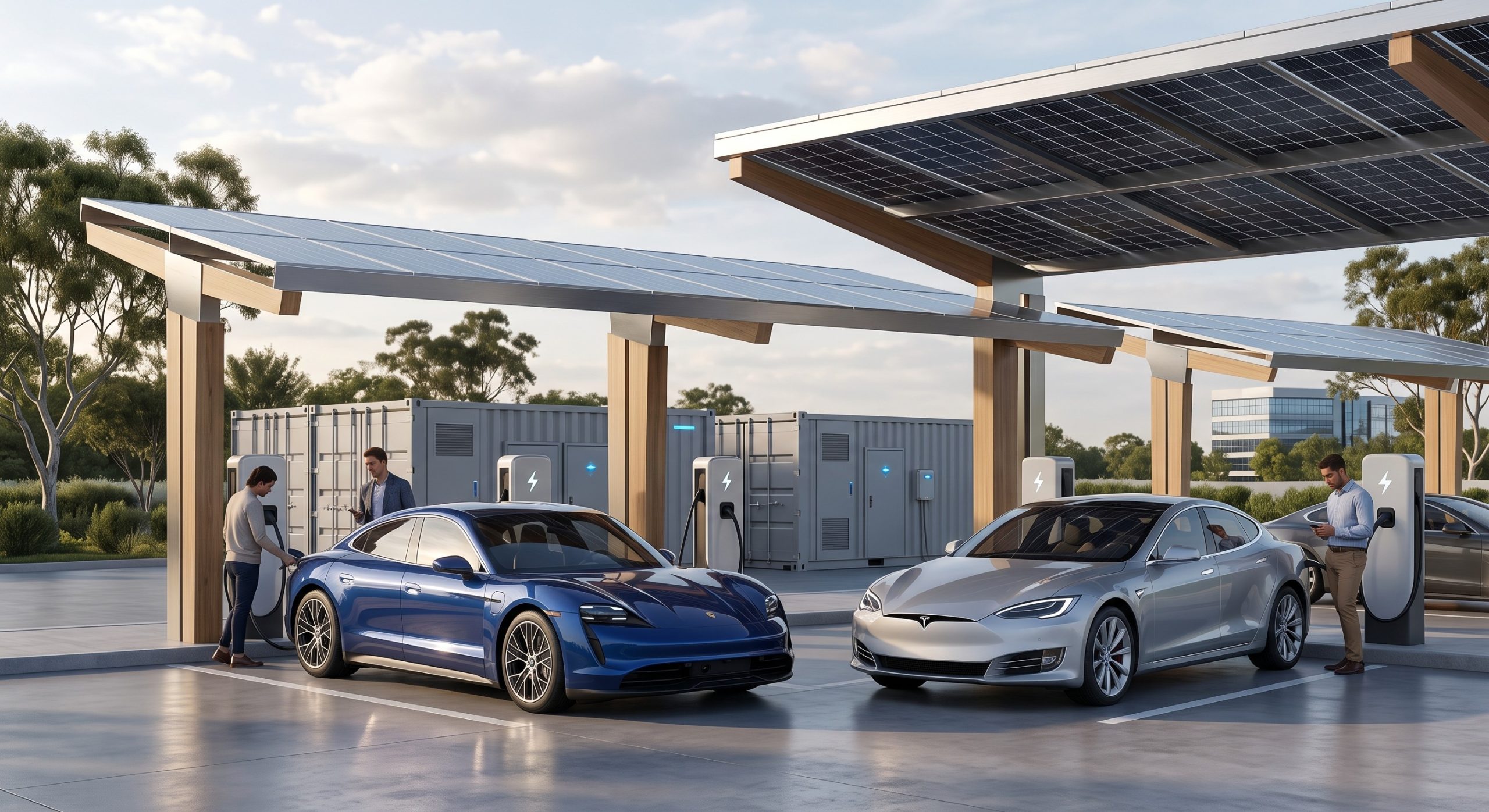
The versatility of the grid-scale lithium battery container is demonstrated across diverse deployment scenarios. In industrial parks, these containers serve as the backbone of a micro-grid, integrating with on-site solar PV to achieve energy independence and reduce carbon footprint. For EV supercharging stations, the container acts as a buffer, storing energy during off-peak hours to deliver ultra-fast charging (150kW-350kW) without overloading the utility grid. This PV-storage-charging (光储充) synergy is increasingly adopted by logistics hubs and municipal fleets. Additionally, in remote mining or construction sites, these containers replace diesel gensets, providing clean, reliable power while eliminating fuel supply logistics and reducing operational noise.
Conclusion: The Future of Grid-Scale Storage
The grid-scale lithium battery container represents the culmination of battery chemistry innovation, power electronics, and thermal engineering. With Tier-1 LFP cells offering unmatched safety and longevity, coupled with advanced liquid cooling and intelligent BMS, these systems are poised to dominate the C&I energy storage sector. As global regulatory frameworks tighten and carbon neutrality targets loom, the adoption of these containers is not just an economic decision but a strategic imperative for energy-intensive industries. For B2B procurement teams and system architects, investing in a high-quality, compliant grid-scale lithium battery container is the most effective pathway to reduce operational costs, enhance grid independence, and achieve sustainability goals.