Overview
For B2B buyers and plant engineers, the durability of a Containerized Energy Storage System (ESS) in harsh environments is non-negotiable. Corrosion is the primary threat to structural integrity, directly impacting safety, performance, and ROI over a 10-15 year lifecycle. This FAQ addresses the most critical technical and commercial questions regarding anti-corrosion measures for container ESS, providing definitive answers to support your procurement and deployment decisions.
Frequently Asked Questions
- Q1: Are the structural materials of the container ESS anti-corrosive?
- Yes, the structural materials are inherently anti-corrosive and are specifically engineered for long-term outdoor deployment. Our standard containers utilize high-grade, corrosion-resistant steel (e.g., ASTM A606 or Corten) combined with a rigorous multi-layer protective coating system, achieving an IP65 or higher ingress protection rating as standard. This ensures resistance to rust, pitting, and structural degradation even in high-humidity or coastal environments.
- Q2: What specific anti-corrosion treatments and coatings are applied to the container?
- The anti-corrosion process involves a comprehensive multi-stage treatment to ensure maximum environmental resilience. This includes a complete degreasing and phosphate conversion coating bath for superior primer adhesion, followed by an automated application of a high-build, zinc-rich epoxy primer and a durable polyurethane topcoat, typically applied in layers totaling over 120 microns dry film thickness (DFT) for superior protection against salt spray and UV degradation.
- Q3: How does the IP (Ingress Protection) rating contribute to anti-corrosion?
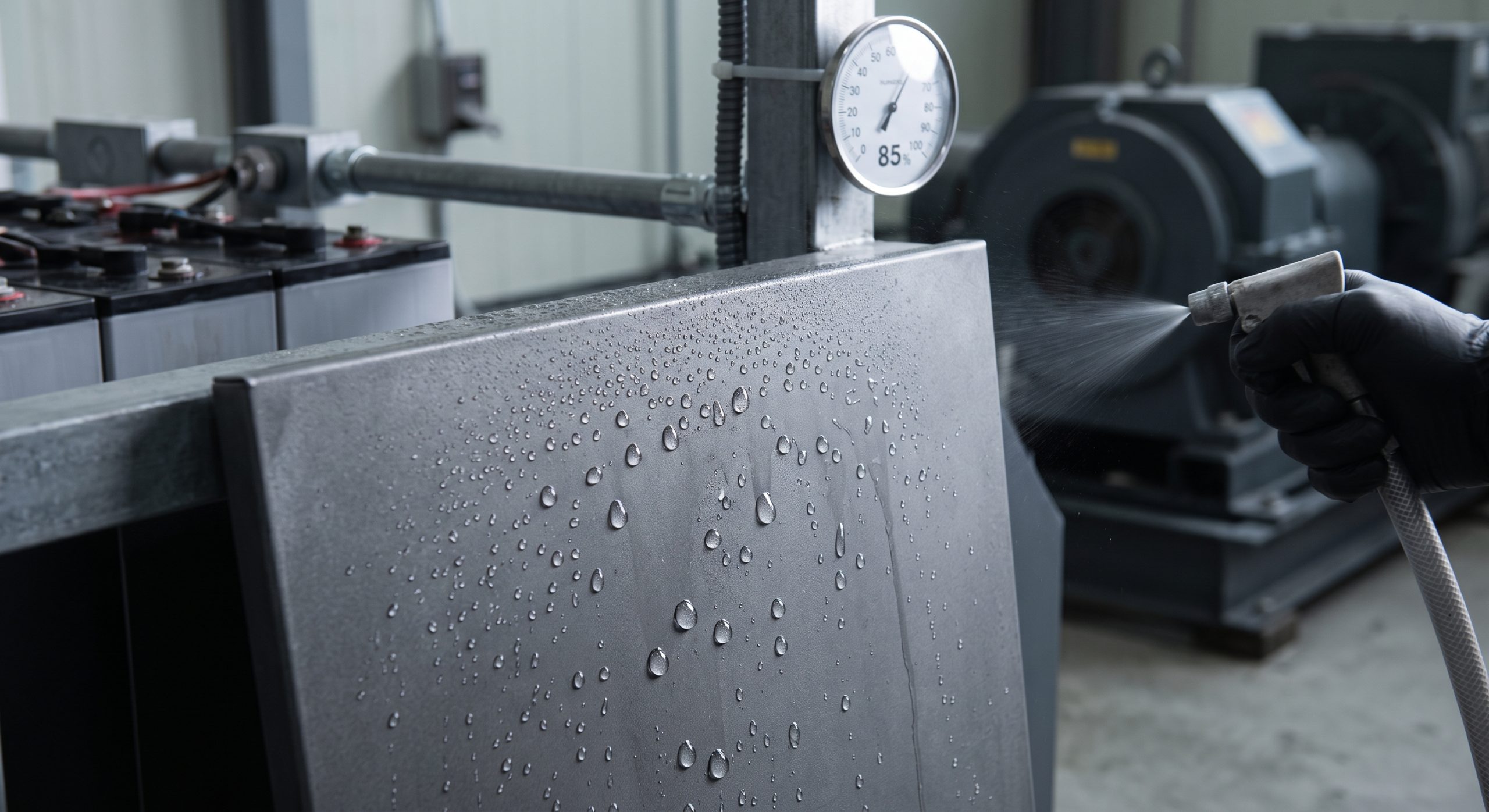
- A high IP rating, such as IP65 or IP66, is critical for preventing moisture ingress, which is a primary cause of internal corrosion. Complete sealing prevents salt-laden air and driving rain from reaching sensitive electrical components and the container’s interior structural surfaces. This is complemented by integrated desiccant breather valves that equalize pressure without allowing moisture ingress, ensuring long-term structural integrity.
- Q4: What is the expected lifetime of the container structure in a coastal or high-humidity environment?
- The structural lifetime is guaranteed to match the overall system lifespan of over 15-20 years, even in demanding C4/C5 corrosivity environments. This is achieved through the use of marine-grade aluminum or high-strength, low-alloy (HSLA) steel in conjunction with our tested coating system. We provide a comprehensive warranty covering structural integrity against corrosion perforation for the first 10 years of operation.
- Q5: What regular maintenance is required to preserve the anti-corrosive properties?
- Preventive maintenance is straightforward and focused on proactive care, including annual visual inspections of exterior coatings and seals to detect any minor scratches or damage. The recommended procedure involves washing the container with fresh water and a mild, non-abrasive detergent to remove salt deposits or industrial pollutants, followed by immediate touch-up of any compromised paint areas using the provided repair kit.
- Q6: How does the anti-corrosion design integrate with the thermal management (cooling) system?
- Our advanced liquid cooling system is fully integrated with the anti-corrosion strategy, employing a closed-loop design with stainless steel piping, specifically to prevent galvanic corrosion. All cooling coils and connections are protected with anti-corrosive coatings, eliminating the risk of leaks that could lead to internal structural corrosion and ensuring reliable thermal regulation for optimal battery performance and longevity.
- Q7: What international standards are met for the anti-corrosion design of the container ESS?
- The anti-corrosion design strictly complies with international standards for environmental resilience, including UL 9540 for safety and IEC 62619 for functional safety. The structural integrity and coating performance are validated against the rigorous ISO 12944 standard for corrosion protection of steel structures by protective paint systems, ensuring adherence to globally recognized best practices for containerized storage.
- Q8: Is the anti-corrosion design compatible with standard modular expansion (parallel connectivity)?
- Absolutely, the anti-corrosion features are fundamental to the design of modular systems, ensuring a consistent, corrosion-free interface for scalable deployment. All inter-container busbar connections and cable glands are housed in corrosion-resistant junction boxes rated to IP65, ensuring a secure, watertight seal that prevents corrosion and guarantees reliable electrical continuity during future capacity expansions.