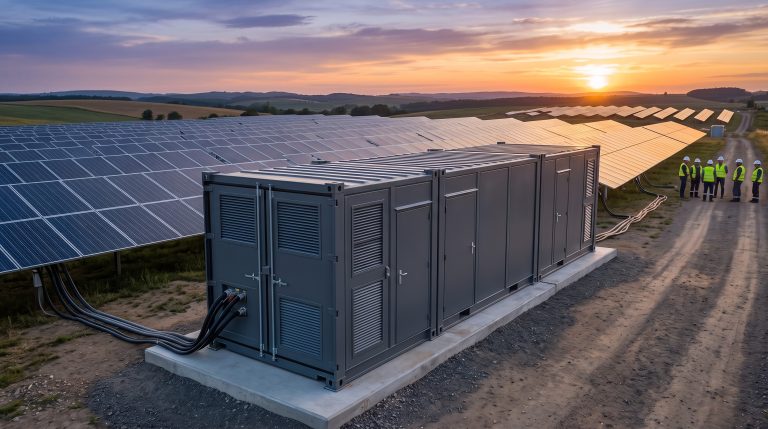
COMMERCIAL SYSTEMS ENGINEERING REFERENCE MANUAL: MODULAR COMMERCIAL ENERGY STORAGE SCALABILITY REPORT
EXECUTIVE SUMMARY
This document serves as the definitive engineering reference for the Modular Commercial Energy Storage Scalability platform, a next-generation Battery Energy Storage System (BESS) purpose-built for Commercial & Industrial (C&I) applications. Designed to address the evolving demands of peak shaving, demand charge reduction, and renewable self-consumption, this system introduces a paradigm shift in scalability. Moving beyond traditional monolithic containerized solutions, this platform offers true modularity, allowing capacity to be precisely matched to site load profiles and expanded incrementally as operational needs grow. The core engineering philosophy centers on providing a future-proofed energy asset that delivers high availability, absolute safety, and a rapid return on investment through intelligent energy management.
SYSTEM ARCHITECTURE & SAFETY
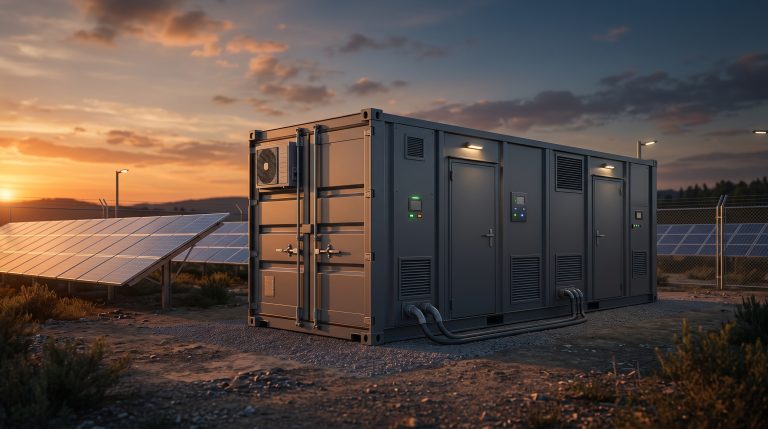
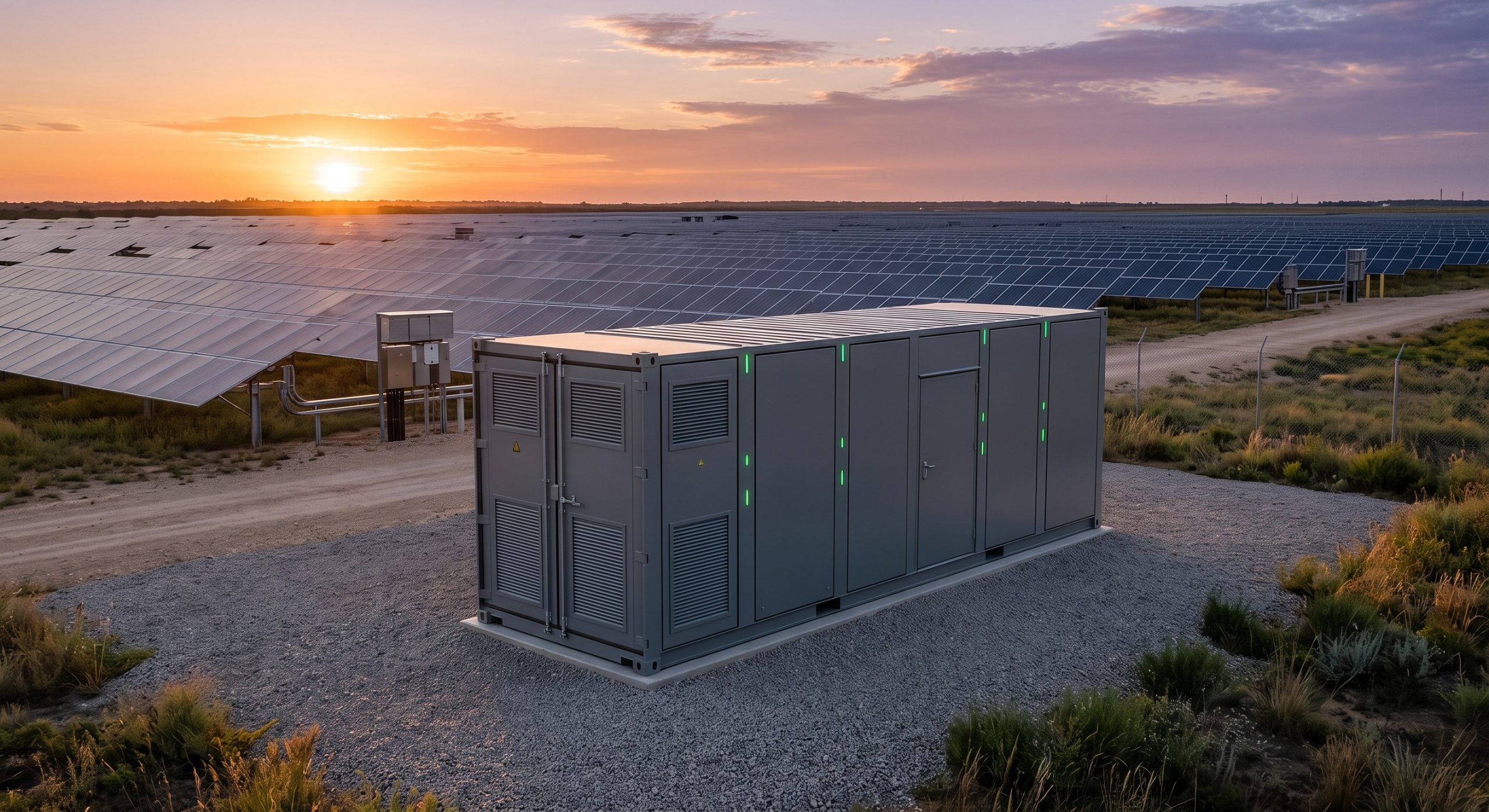
The foundation of the Modular Commercial Energy Storage Scalability platform is its robust and flexible system architecture. At its core, the system integrates high-density, Tier-1 Lithium Iron Phosphate (LFP) battery modules configured within a standardized power cabinet. Each cabinet functions as an independent energy block, complete with its own Battery Management System (BMS) and power conditioning unit, enabling a true parallel expansion architecture. Up to [e.g., 10] cabinets can be seamlessly interconnected via a common DC busbar, scaling the total system capacity from [e.g., 215 kWh] to over [e.g., 2 MWh] without the need for complex re-engineering. The architecture incorporates a three-layer safety design: cell-level monitoring, module-level protection, and system-level fire suppression. The enclosure meets NEMA 3R/IP54 standards for outdoor deployment, ensuring reliable operation in diverse environmental conditions.
KEY FEATURES
– True Modular Scalability: System capacity can be scaled by simply adding power cabinets. This ‘pay-as-you-grow’ model optimizes capital expenditure and reduces financial risk, as capacity can be incrementally increased in line with business expansion or changing tariff structures.
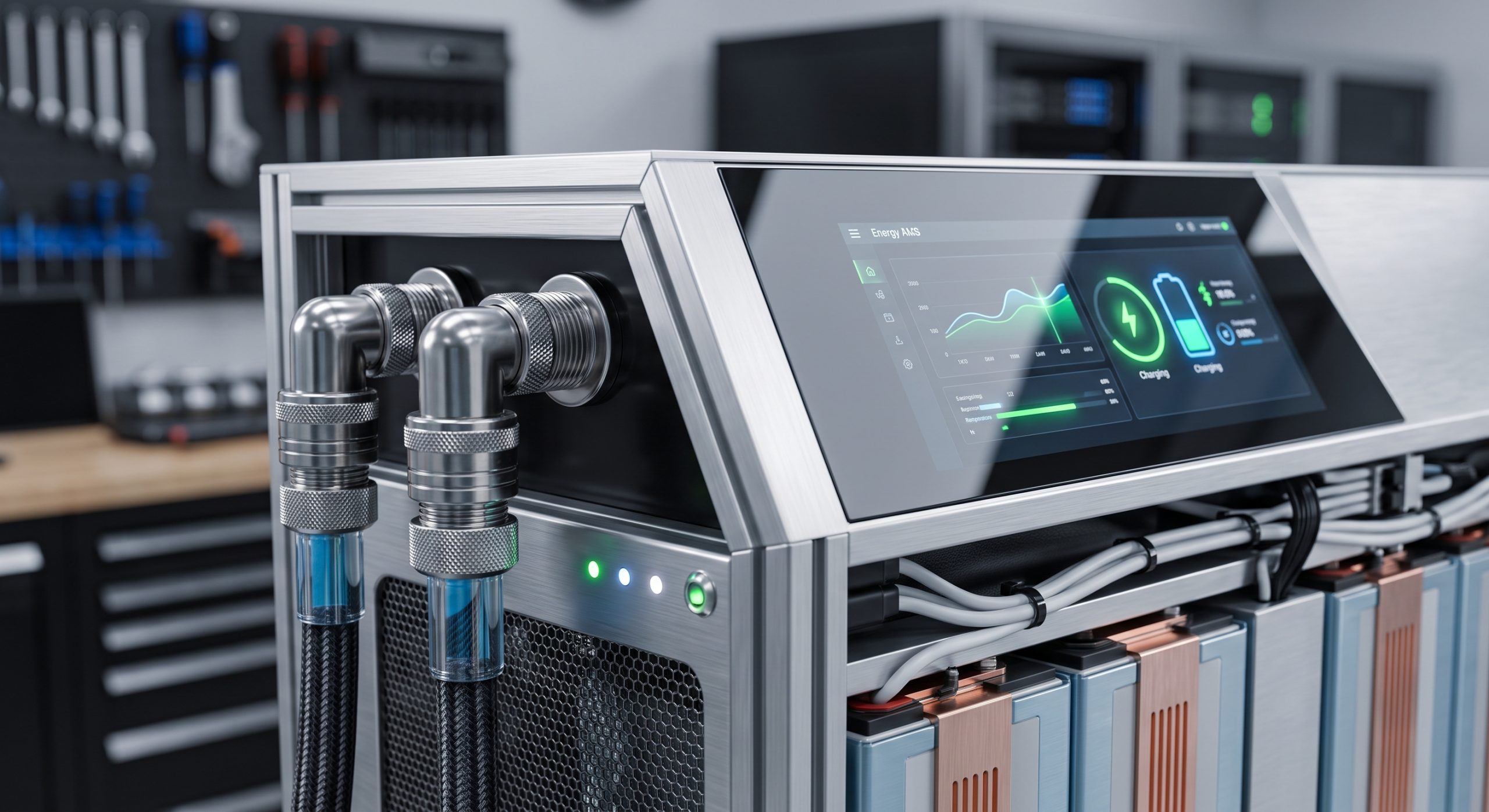
– High-Performance Liquid Cooling: An advanced liquid cooling system maintains optimal battery cell temperature, even during high-rate charge/discharge cycles. This precision thermal management enhances round-trip efficiency (over 90% [e.g., 92.5%]), extends battery cycle life (over 6000 cycles to 80% DoD), and ensures consistent performance in ambient temperatures ranging from -30°C to +55°C.
– Advanced Battery Management System (BMS): The intelligent, proprietary BMS incorporates active cell balancing and multi-layer protection. It continuously monitors voltage, current, and temperature at the cell level, predicting and preventing potential faults. The system’s state-of-charge (SoC) and state-of-health (SoH) estimation algorithms are field-proven for high accuracy, ensuring safe and reliable operation.
– Turnkey Energy Management System (EMS) Integration: The platform is fully compatible with a smart EMS that enables seamless integration with solar PV and grid infrastructure. It supports multiple operational modes including peak shaving, load shifting, demand response, and off-grid operation, maximizing site energy savings and grid stability.
COMPLIANCE & STANDARDS
Adherence to the most stringent international safety and performance standards is a cornerstone of the platform’s design. The system is fully certified to ensure safe integration into any global market.
– UL 9540 (USA): Certified for the safety of energy storage systems and equipment.
– UL 9540A (USA): Tested for thermal runaway fire propagation at the cell, module, and unit level.
– IEC 62619 (International): Certified for safety requirements of secondary cells and batteries for industrial applications.
– IEC 62477 (International): Safety requirements for power electronic converter systems and equipment.
– UN 38.3 (International): Certified for safe transport of lithium batteries.
Additional regional certifications are available upon request to ensure compliance with local grid codes and regulations.
TECHNICAL SPECIFICATIONS
| Parameter | Specification |
|---|---|
| Nominal Capacity (per Cabinet) | 215 kWh / 372 kWh |
| Scalable Capacity (Max per Cluster) | Over 2 MWh (e.g., 10 cabinets) |
| System Voltage | 800 V DC Nominal |
| Cell Chemistry | Tier-1 LFP (Prismatic Cells) |
| Cooling Method | Active Smart Liquid Cooling |
| Round-Trip Efficiency | > 92% |
| Cycle Life | > 6000 cycles (to 80% DoD) |
| Operational Temp. Range | -30°C to +55°C |
| Enclosure Rating | NEMA 3R / IP54 |
| Safety Certifications | UL 9540, IEC 62619, UN 38.3 |
| Depth of Discharge (DoD) | 90% |
| Response Time | < 50 ms |
Detailed System Parameters
– Battery Chemistry: Tier-1 Lithium Iron Phosphate (LFP) with prismatic cells.
– Nominal Capacity (per Cabinet): e.g., 215 kWh / 372 kWh.
– System Voltage: e.g., 800 V DC nominal.
– Scalable Capacity (Max): e.g., Over 2 MWh per system cluster.
– Cooling Method: Active intelligent liquid cooling with a dedicated chiller unit.
Performance Characteristics
– Round-Trip Efficiency: e.g., > 92% at nominal power.
– Cycle Life: e.g., > 6000 cycles to 80% of rated capacity (at 25°C).
– Depth of Discharge (DoD): 90% (recommended).
– Response Time: < 50 ms.
Operational Parameters
- Ambient Temperature Range: -30°C to +55°C.
- Storage Temperature Range: -40°C to +70°C.
- Relative Humidity: 0% to 95% (non-condensing).
- Altitude: ≤ 3000 m (derating above 1000 m).
Mechanical & Environmental
- Enclosure Rating: NEMA 3R / IP54.
- Cooling Media: Environmentally friendly dielectric fluid.
- Noise Level: < 75 dB @ 1 meter.
INDUSTRIAL DEPLOYMENT & SCALING LOGIC
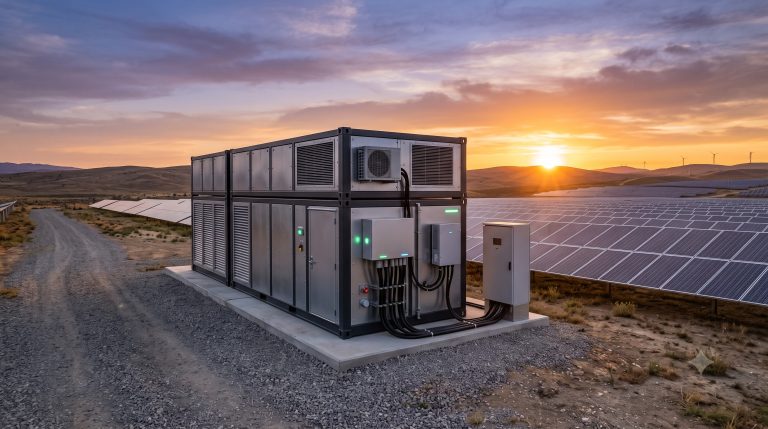
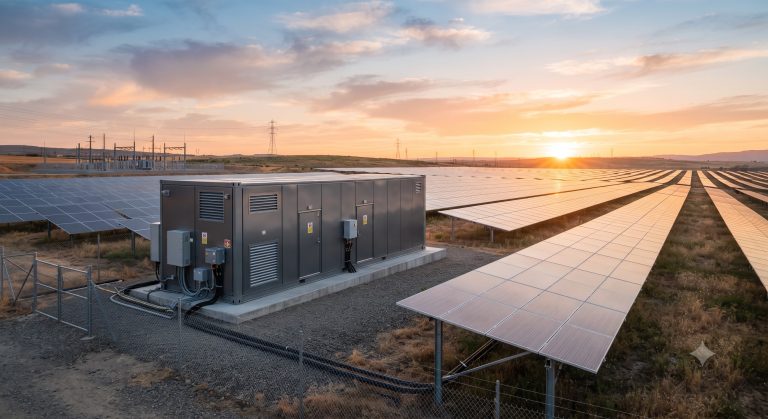
The modular nature of this platform drastically simplifies site planning and deployment. A typical commercial installation, such as a shopping mall, office park, or light manufacturing facility, can be powered by a single cabinet to manage peak loads. As a business expands or adds electric vehicle chargers, a second or third cabinet can be installed in parallel, often within a single day. This is achieved via the pre-designed parallel busbar system, which is engineered to eliminate the need for complex inverter re-wiring or system re-commissioning. This capability empowers facility managers and system integrators with the agility to adapt to evolving energy profiles, making this solution the most versatile and economically sensible choice for the future of commercial energy storage.
📥 Download Technical Specification
Click the button below to view or download the full official PDF datasheet.