COMMERCIAL SYSTEMS ENGINEERING REFERENCE MANUAL: INDUSTRIAL ENERGY RESILIENCE PLANNING DOCUMENT
EXECUTIVE SUMMARY
This document serves as the definitive engineering reference for the deployment of our advanced Battery Energy Storage System (BESS) within industrial and commercial (C&I) environments. As the global energy landscape transitions towards distributed generation and grid independence, the need for a robust, scalable, and intrinsically safe energy storage solution is paramount. This platform is engineered to fortify facility operations against grid instability, optimize energy consumption through peak shaving and arbitrage, and seamlessly integrate with on-site renewable generation. The system embodies a strategic asset for ensuring business continuity and achieving long-term decarbonization goals, underpinned by Tier-1 Lithium Iron Phosphate (LFP) cell technology and a state-of-the-art intelligent liquid thermal management system.
SYSTEM ARCHITECTURE & SAFETY
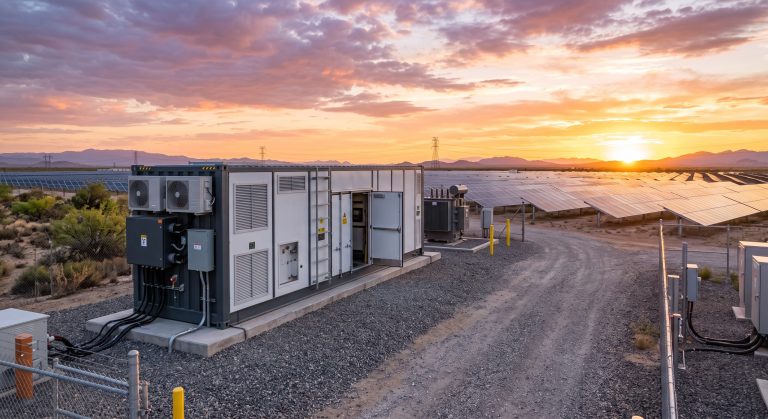
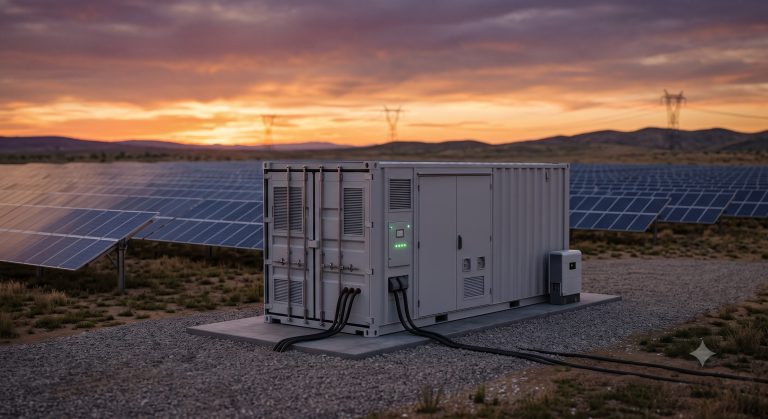
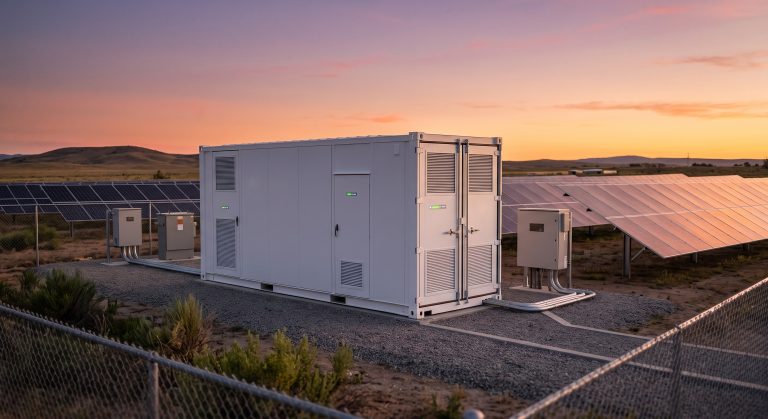
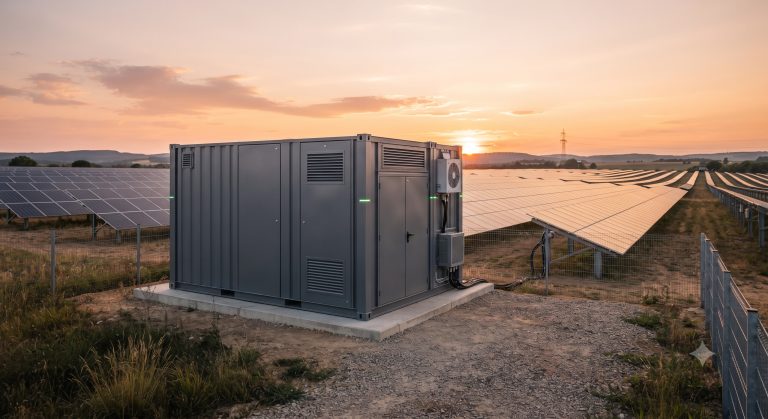
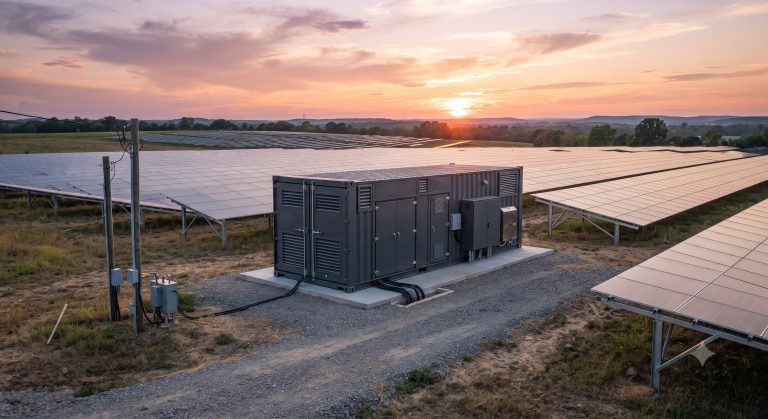
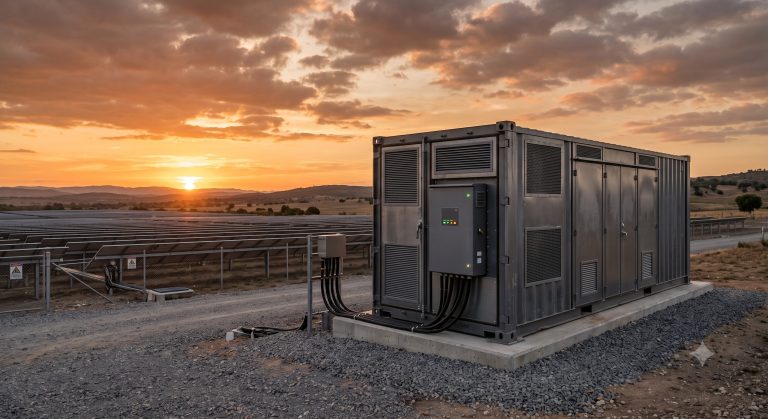
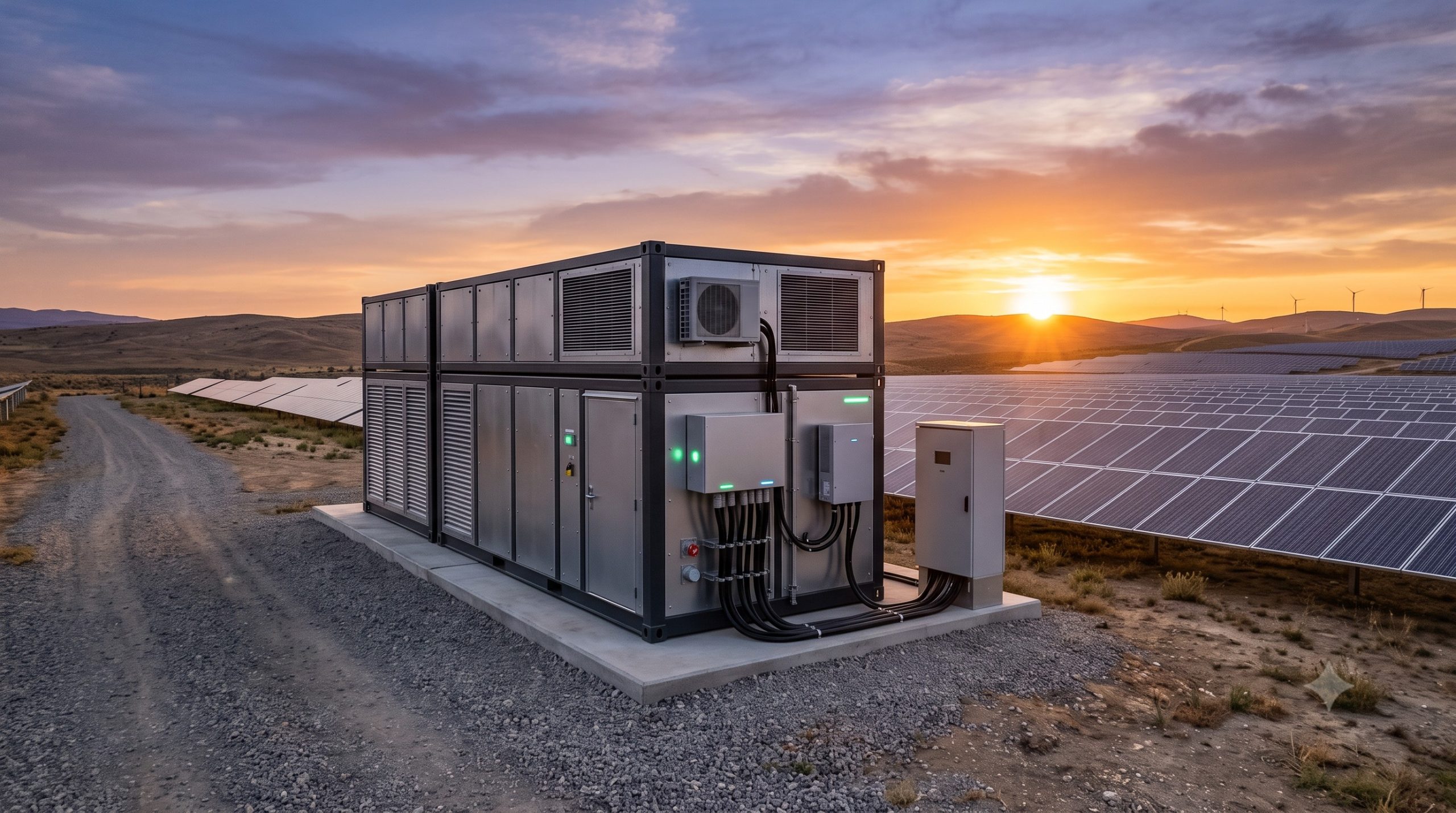
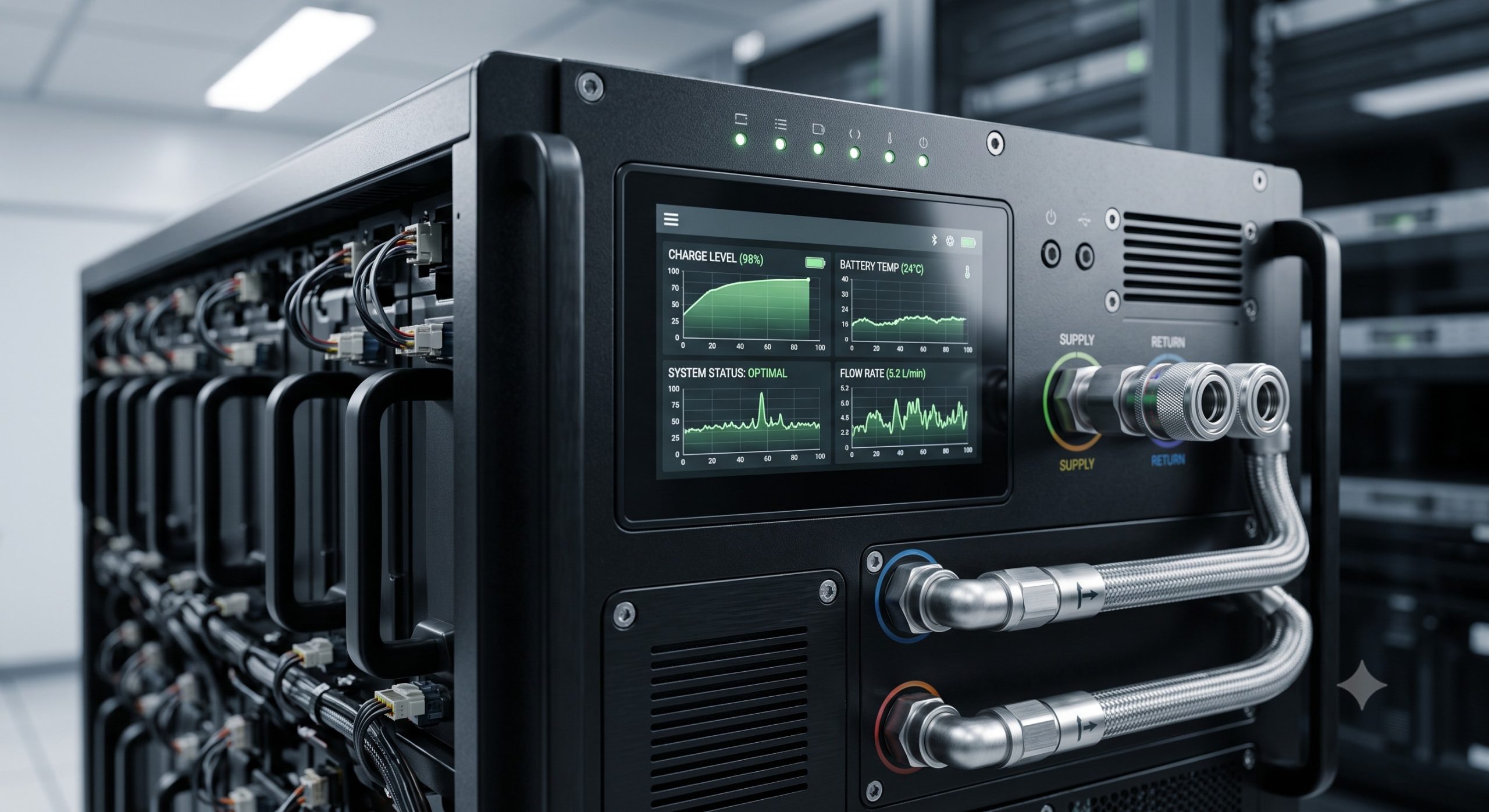
The architecture of our C&I BESS is predicated on a modular, all-in-one design philosophy, integrating battery racks, Power Conversion System (PCS), Battery Management System (BMS), and Energy Management System (EMS) into a compact, outdoor-rated enclosure. The core of the system is a high-voltage DC bus, linking multiple battery strings to a bi-directional PCS, which facilitates seamless AC-DC conversion. Central to our safety paradigm is a multi-layered protection strategy. This begins at the cell level with the intrinsically stable LFP chemistry, preventing thermal runaway propagation. The system is further fortified by an advanced liquid cooling pipeline that maintains cell temperature uniformity within a ±2°C tolerance, significantly extending operational lifespan. The BMS continuously monitors state-of-charge (SoC), state-of-health (SoH), and cell voltage, providing real-time data to the EMS. The EMS orchestrates the entire system, executing control logic for peak shaving, demand response, and grid-forming capabilities, ensuring the system can island a facility in milliseconds during grid disturbances.
KEY FEATURES
– Intelligent Liquid Thermal Management: A dedicated liquid cooling system precisely regulates battery pack temperatures, enhancing round-trip efficiency, cycle life, and safety under all climatic conditions.
– Seamless Grid-Forming & Islanding: Advanced PCS with grid-forming capabilities enables automatic transition to island mode, ensuring uninterrupted power to critical industrial loads during grid outages (e.g., < 20 ms transfer time). - Comprehensive Multi-Level Protection: Embedded fire suppression system (aerosol or gas-based), electrical isolation monitoring, and over-current/voltage protection ensure compliance with global safety standards. - Modular & Scalable Architecture: Parallel connection capabilities allow for easy system expansion from MWh to tens of MWh, supporting a facility's evolving energy needs without major re-engineering. - High-Speed EMS & Cloud Connectivity: A powerful on-site EMS coupled with a secure cloud platform enables remote monitoring, predictive diagnostics, and dynamic participation in utility demand response programs. COMPLIANCE & STANDARDS The system has undergone rigorous testing to meet the most stringent international standards, confirming its suitability for global deployment. This commitment to compliance ensures a streamlined permitting process and eligibility for various insurance and financing programs. TECHNICAL SPECIFICATIONS The following section details the primary technical parameters for the standard and high-capacity cabinet configurations. All values are based on standard test conditions (STC).
| Parameter | Specification |
|---|---|
| Nominal Capacity (DC) | 215 kWh / 372 kWh |
| Nominal AC Power | 100 kW / 185 kW |
| System Peak Efficiency | Up to 98.5% (AC-DC-AC) |
| Cell Chemistry | Tier-1 LFP (Lithium Iron Phosphate) |
| Cooling Method | Smart Liquid Cooling, ΔT ≤ ±2°C |
| IP Rating | IP55 (Outdoor Enclosure) |
| Operating Temperature Range | -30°C to +55°C (with derating) |
| Communication Protocols | Modbus TCP, IEC 61850, DNP3 |
INDUSTRIAL DEPLOYMENT
Deploying this system within an industrial park or commercial facility provides a strategic advantage. The system’s engineering is tailored for high-duty cycle applications, including heavy-load manufacturing, data centers, and EV supercharging infrastructure. Its robust IP55/NEMA 3R enclosure protects against dust and water ingress, allowing for outdoor pad mounting. The system’s architecture is designed for low maintenance, with remote diagnostic capabilities minimizing on-site interventions. For a facility with a 2 MW peak load, a typical deployment would consist of a cluster of our standard cabinets, centrally managed by a single EMS. This configuration can shave over 60% of peak demand charges and provide a reliable backup power source for an average of 2-4 hours, contingent on load. Furthermore, the ability to black-start ensures rapid recovery even from a complete grid failure, reinforcing the facility’s operational resilience.
This document is a living reference guide. Please consult the official product team for site-specific engineering studies and detailed integration schematics. The information provided herein is for preliminary planning purposes and is subject to change based on evolving product enhancements.
📥 Download Technical Specification
Click the button below to view or download the full official PDF datasheet.