Introduction: The New Imperative for Commercial Complex Power Backup
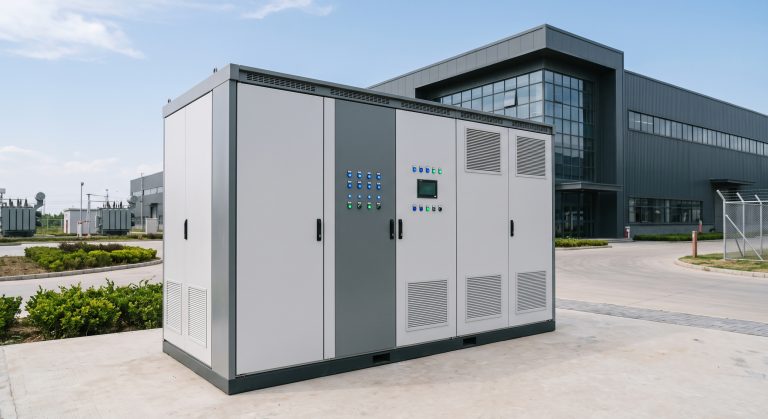
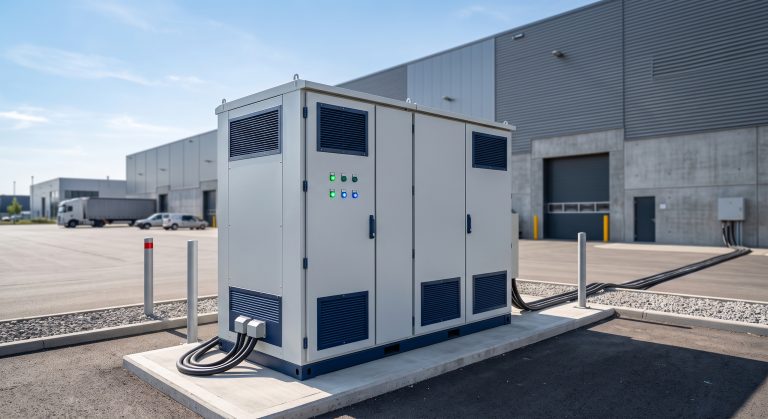
In an era of escalating grid instability, surging commercial electricity tariffs, and stringent corporate sustainability mandates, the traditional approach to commercial complex power backup is undergoing a fundamental paradigm shift. For facility managers, energy procurement officers, and system architects, the reliance on diesel generators is no longer a viable long-term strategy for ensuring energy resilience. The modern solution lies in advanced Battery Energy Storage Systems (BESS), which are rapidly redefining the standards of standby power and peak shaving for commercial and industrial (C&I) complexes. This comprehensive technical guide serves as an authoritative B2B resource, delving into the intricate architecture, total cost of ownership (TCO), and grid-supportive capabilities of cutting-edge commercial complex power backup systems. We will dissect the core components, from Tier-1 LFP cells to intelligent Energy Management Systems (EMS), providing a data-driven framework for informed procurement decisions.
Core Architecture & Battery Management in Modern BESS
Battery Chemistry: The Foundation of Performance
At the heart of any high-performance commercial complex power backup system lies the battery chemistry. The industry standard has decisively shifted towards Tier-1 Lithium Iron Phosphate (LFP) cells. Unlike Nickel Manganese Cobalt (NMC) chemistries, LFP offers superior thermal stability, a significantly longer cycle life, and a more favorable environmental profile, all while maintaining a high energy density suitable for space-constrained commercial sites. These cells are typically configured in high-voltage strings, often ranging from 600V to 1500V DC, to maximize conversion efficiency and minimize conductor losses. The robustness of LFP chemistry ensures that commercial complex power backup systems can reliably perform in demanding temperature ranges, a critical factor for outdoor or unconditioned installations common in commercial complexes.
PCS: The Bi-Directional Power Interface
The Power Conversion System (PCS) is the critical interface between the DC battery bank and the AC grid or facility load. A sophisticated PCS is responsible for bi-directional power conversion, handling both the rectification of AC to DC for charging and the inversion of DC to AC for discharging. In modern commercial complex power backup architectures, the PCS must offer features like grid-forming capabilities, which allow the system to create its own micro-grid during a grid outage, ensuring a seamless off-grid transition in under 20 milliseconds. Furthermore, PCS efficiency, typically exceeding 98.5% for modern SiC-based models, is paramount. Liquid cooling integration within the PCS is an advanced feature that extends component lifespan and ensures stable operation under sustained, high-power output, a key factor for maintaining robust commercial complex power backup performance during peak demand events.
BMS: The Guardian of Cell Health
The Battery Management System (BMS) is the central nervous system of the ESS, tasked with monitoring and controlling the health of every individual cell within the battery rack. It performs real-time measurements of voltage, current, and temperature, utilizing sophisticated algorithms for cell balancing to ensure all cells operate uniformly, maximizing the system’s usable capacity and extending its overall lifecycle. A key safety function of the BMS is the prevention of thermal runaway by detecting anomalies such as over-voltage, under-voltage, or rapid temperature increases and initiating protective measures, including automatic shutdown or triggering the fire suppression system. For commercial complex power backup systems, a robust BMS is non-negotiable, ensuring the safety, reliability, and longevity of a significant capital asset.
Technical Specifications & Performance Metrics
When evaluating a commercial complex power backup system, a data-driven approach focused on quantifiable metrics is essential for making an objective comparison. Below is a detailed ledger of the core technical parameters that define a high-tier ESS solution. This data is crucial for calculating the system’s total cost of ownership (TCO) and return on investment (ROI).
| Key Parameter | Technical Specification | Industry Standard |
|---|---|---|
| Battery Chemistry | Tier-1 LFP (Lithium Iron Phosphate) | High Thermal Stability |
| Cell Cycle Life | > 8,000 cycles @ 90% Depth of Discharge (DoD) | IEC 62619 |
| System Capacity | 233 kWh to 2 MWh+ (Modular/Expandable) | Configurable |
| Round-Trip Efficiency | > 92% (DC-DC) | Optimized Energy Yield |
| Cooling Technology | Integrated Liquid Cooling System | Superior Thermal Control |
| Operating Voltage | 600V – 1500V DC | High Voltage Architecture |
| Safety Certifications | UL 9540, CE, UN38.3 | Global Compliance |
Commercial ROI & Grid Support
Peak Shaving and Demand Charge Management
One of the most compelling financial drivers for deploying a commercial complex power backup system is its ability to perform peak shaving. Commercial complexes are often subject to demand charges, a fee based on the highest rate of electricity consumption during a billing cycle. By intelligently discharging the battery during periods of peak demand, the ESS reduces the facility’s peak draw from the grid, thereby slashing these punitive charges. A comprehensive Total Cost of Ownership (TCO) analysis must account for these savings, which often yield a payback period of 3 to 5 years, depending on local utility rate structures and the system’s ability to capture time-of-use (TOU) arbitrage opportunities. The Round-trip efficiency (RTE) of the system, often over 90%, directly impacts the economics, as a higher RTE means less energy is lost in the storage and retrieval process.
Demand Response and VPP Readiness
Beyond on-site savings, modern commercial complex power backup systems are increasingly designed to be VPP Ready, enabling participation in Demand Response (DR) programs. Through a sophisticated EMS, these systems can aggregate their available capacity and, upon utility signal, dispatch stored energy back to the grid to help stabilize frequency and support grid infrastructure during periods of high stress. This not only provides an additional revenue stream for the facility owner but also enhances grid resilience and supports the integration of renewable energy sources. The ability to provide frequency regulation and other ancillary grid services adds a layer of value that goes far beyond simple backup, positioning the system as a dynamic asset within the broader energy ecosystem.
Seamless Grid Transition and Micro-grid Capabilities
The core purpose of a backup system remains its ability to ensure business continuity. A high-quality commercial complex power backup solution excels in executing a seamless grid transition. In the event of a grid outage, the system’s advanced PCS and EMS work in concert to disconnect from the grid (islanding) and provide stable, uninterrupted power to essential facility loads. This transition is fast enough to prevent disruptions to sensitive commercial operations, such as data centers, retail systems, or manufacturing processes. This micro-grid functionality is a significant upgrade over traditional diesel generators, which suffer from longer startup times and are less adaptable to fluctuating renewable energy inputs.
Deployment Scenarios: Tailoring the Solution
The versatility of modern commercial complex power backup systems allows for deployment across a wide spectrum of commercial environments. The specific architecture and capacity sizing are tailored to the unique demands of each site.
Industrial Parks and Manufacturing Facilities
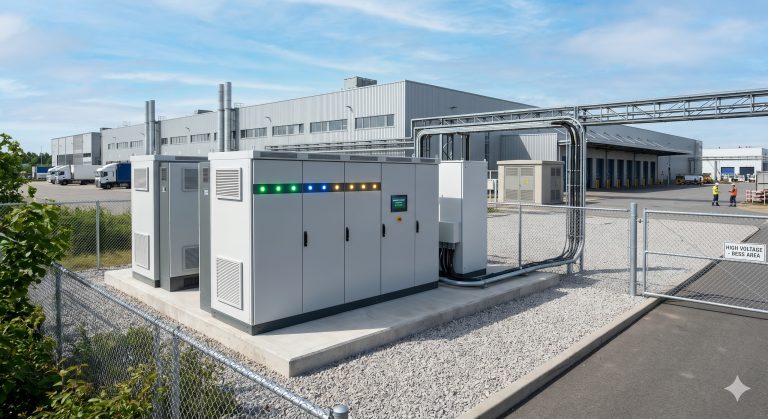
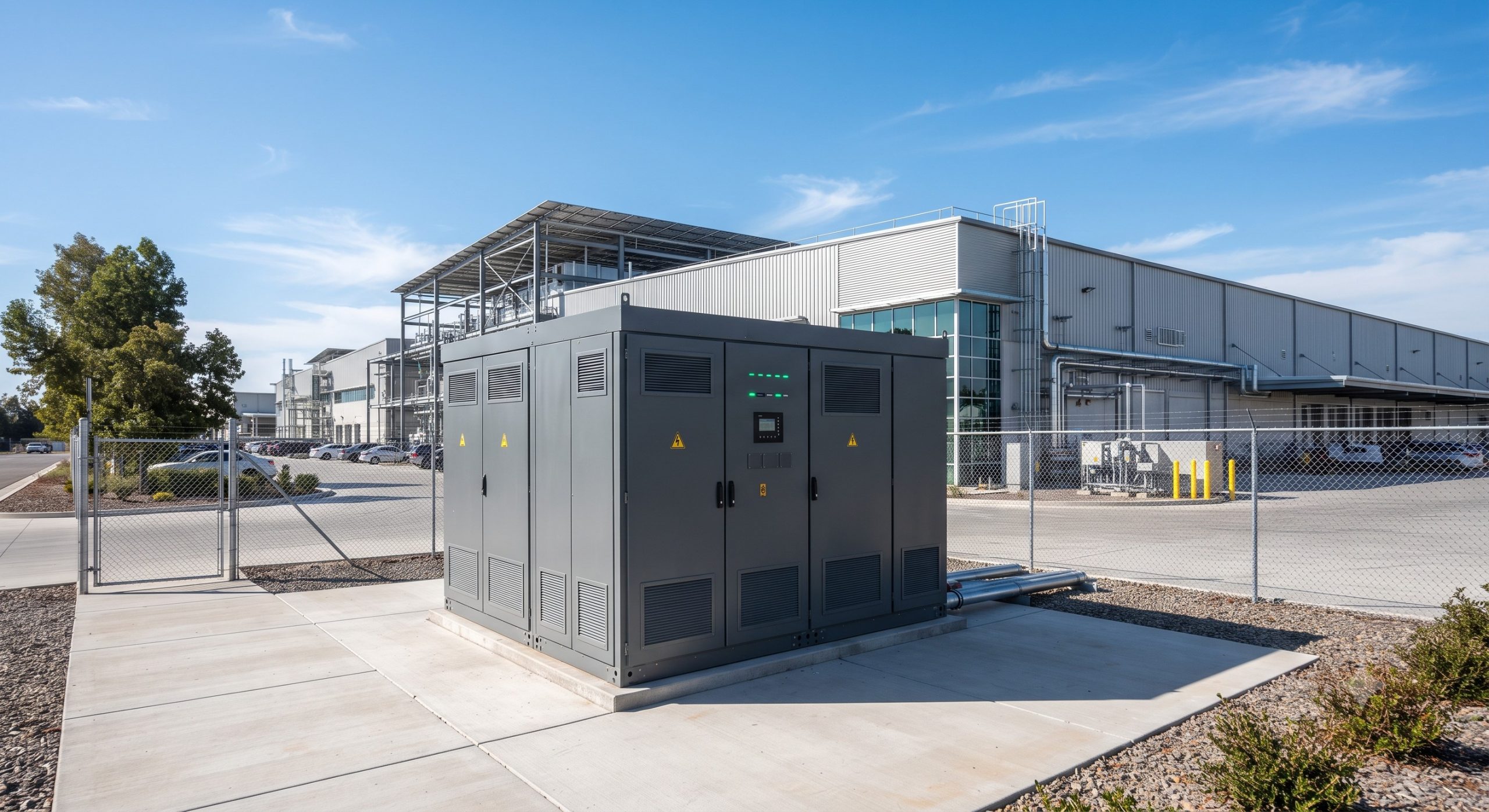
In industrial parks, where energy intensity is high and production schedules are critical, commercial complex power backup systems ensure uninterrupted manufacturing, preventing costly production line halts. These installations often require MWh-scale deployment, with multiple cabinet configurations, to support high-power industrial machinery. The integration of the ESS with on-site solar PV creates an energy-independent micro-grid, significantly reducing operational costs and achieving zero-carbon migration goals.
PV-Storage-Charging Synergy for EV Hubs
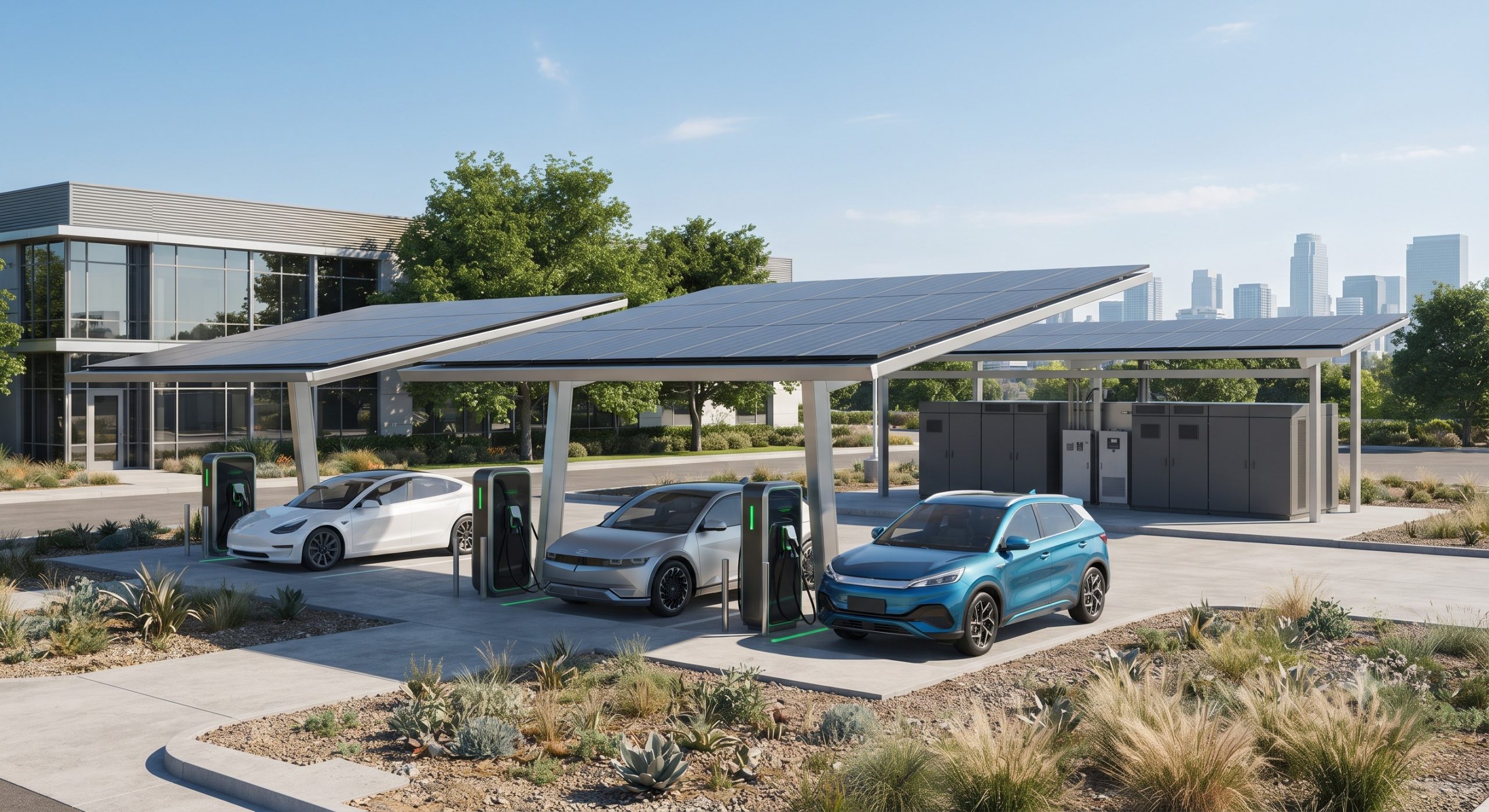
For commercial complexes, such as shopping malls and business parks, integrating an ESS with PV-Storage-Charging (光储充) infrastructure is a future-proof strategy. The battery system stores solar energy generated during the day and dispatches it to high-power EV supercharging stations, stabilizing grid demand and maximizing renewable energy usage. This synergy not only reduces electricity costs for the site but also enhances the value proposition for EV-driving customers, aligning with sustainability mandates.
Data Centers and Critical Infrastructure
Data centers represent the most demanding applications for backup power, requiring instantaneous, high-reliability power backup to protect sensitive equipment and maintain 99.999% uptime. Commercial complex power backup systems designed for data centers often feature redundant PCS, advanced liquid cooling thermal control to manage the high heat loads, and stringent safety certifications like UL 9540 to ensure compliance with fire safety regulations. The high cycle life of these systems ensures they are always ready to support the critical infrastructure.
Conclusion: The Future of Commercial Energy Resilience
The case for transitioning from traditional diesel generators to advanced commercial complex power backup systems is compelling, grounded in both economics and sustainability. As we have explored, modern BESS solutions offer a superior ROI through peak shaving, demand response, and VPP participation, while simultaneously delivering a more reliable, cleaner, and quieter alternative for critical power backup. For decision-makers, the path forward is clear: the procurement of a high-quality ESS requires a deep understanding of the architecture, a careful analysis of the technical specifications, and a clear-eyed evaluation of the long-term financial and operational benefits. By leveraging the insights outlined in this guide, you are equipped to navigate the complexities of the BESS market and select a system that not only provides robust commercial complex power backup but also serves as a strategic asset for your organization’s energy future, driving efficiency, resilience, and decarbonization.