Introduction: Thermal Management Defines the Modern Energy Storage Frontier
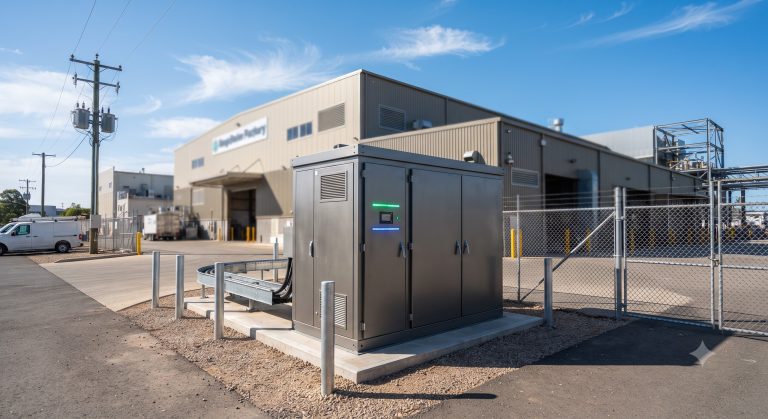
In the rapidly evolving landscape of commercial and industrial (C&I) energy storage, a C&I BESS manufacturer faces a singular, critical engineering challenge: thermal management. As we deploy multi-megawatt-hour systems to support EV supercharging stations, industrial parks, and micro-grids, the difference between a profitable, long-lived asset and a costly liability often comes down to how effectively we manage heat. This technical deep-dive evaluates the liquid cooling vs. air cooling debate, presenting data-driven metrics and compliance standards essential for procurement, engineering, and investment decisions. The global C&I energy storage market is projected to surpass $35 billion by 2029, with thermal efficiency directly impacting system lifespan and LCOE.
Core Architecture & Battery Management: The Foundation of Thermal Control
Liquid Cooling vs. Air Cooling: Engineering Context
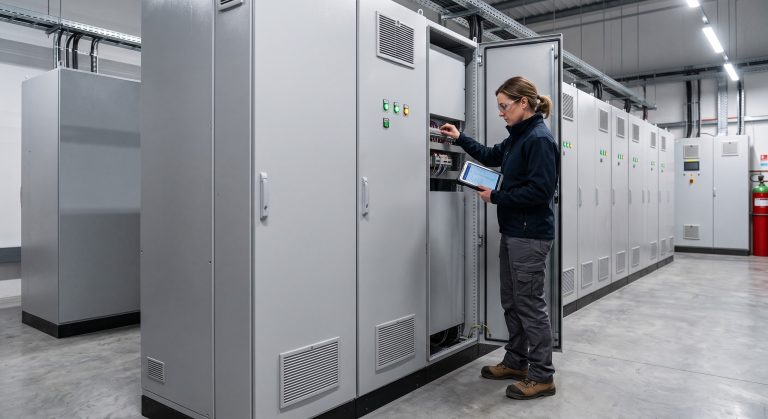
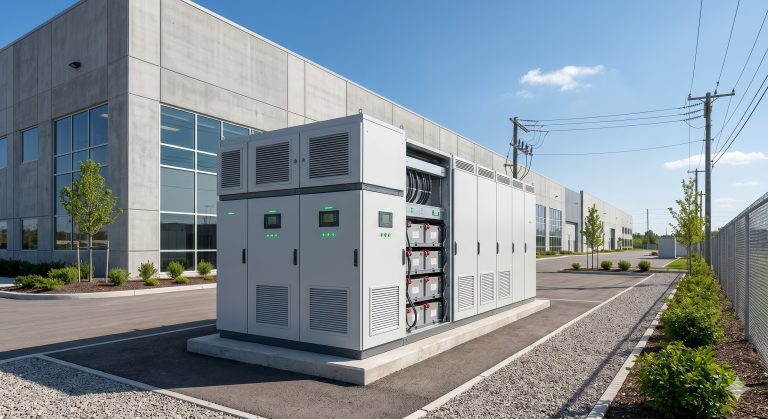
Leading C&I BESS manufacturer designs now pivot on thermal control as a core differentiator. Air cooling systems, typically utilizing HVAC units and fans, are cost-effective for smaller installations under 250 kWh. However, for high-density, high-cycle applications, liquid cooling offers superior heat transfer coefficients (up to 20x higher than air) due to the specific heat capacity of fluids. This enables tighter control over cell temperature variance, a key factor in preventing thermal runaway and maximizing cycle life. A robust Battery Management System (BMS) is the brain, coordinating with the Power Conversion System (PCS) to modulate charging/discharging rates based on real-time thermal data, ensuring safety and performance.
PCS Integration and Tier-1 LFP Cell Metrics
Integration of the PCS with thermal systems is paramount. A bi-directional PCS, typically 100kW to 1MW+ per unit, must operate in ambient conditions of -20°C to 50°C. Without advanced cooling, efficiency drops by 2-3%, directly increasing OpEx. Most Tier-1 systems now pair with Tier-1 LFP (Lithium Iron Phosphate) cells, which inherently offer superior thermal stability compared to NMC chemistries. These cells, certified to IEC 62619 and UN38.3, feature low internal resistance, translating to less heat generation during peak shaving operations. However, LFP still requires active cooling to maintain optimal temperature windows (20-30°C) for achieving >8000 cycles at 90% DoD, maximizing asset ROI.
Technical Specifications: Quantifying Performance and Safety
When evaluating any C&I BESS manufacturer, technical specifications must be examined through the lens of thermal efficiency. The metrics below are drawn from leading systems currently deployed in industrial and commercial micro-grids, highlighting the engineering parameters that drive performance and safety. The table encapsulates key performance indicators that directly influence the total cost of ownership (TCO) and project bankability.
| Key Parameter | Technical Specification (Liquid Cooling) |
|---|---|
| System Capacity | 500 kWh – 5 MWh (Scalable) |
| Battery Chemistry | Tier-1 LFP (Lithium Iron Phosphate) |
| Cycle Life | >8000 cycles @ 90% DoD |
| Round-trip Efficiency (RTE) | Up to 98% |
| Thermal Control | Liquid Cooling (Glycol/Water) |
| Safety & Compliance | UL 9540, IEC 62619, CE, UN38.3 |
| Operating Temperature Range | -25°C to +55°C |
Safety and Compliance: UL 9540 & Fire Suppression
Beyond performance, safety is the non-negotiable pillar of commercial energy storage. Compliance with UL 9540, the standard for energy storage systems and equipment, is mandatory for deployment in most North American jurisdictions. Modern systems integrate multi-level fire suppression, including aerosol or gas-based systems (e.g., Novec 1230 or FM-200), coupled with early warning detection (gas, smoke, and thermal sensors). These safety layers are engineered to operate in concert with the thermal control system, ensuring that cell-level anomalies are detected and neutralized before escalating. For global projects, adherence to CE directives and IEC 62619 for industrial batteries is equally critical, ensuring a comprehensive safety and compliance masterclass.
Commercial ROI & Grid Support: The Business Case for Superior Cooling
The choice between air cooling and liquid cooling is not merely technical; it has profound financial implications. Liquid-cooled systems, with their capacity to maintain lower cell temperatures, can deliver a higher round-trip efficiency (RTE) of up to 95-98% versus 92-95% for air-cooled systems. This efficiency gain can add up to significant annual energy savings, improving the project’s internal rate of return (IRR) by 2-5%. Moreover, extended cycle life (e.g., 8000+ cycles) directly reduces the annualized capital expense, lowering the Levelized Cost of Storage (LCOE) and accelerating payback periods. This directly supports advanced grid services, including demand response, peak shaving, and frequency regulation, making the system VPP-ready and capable of capturing multiple revenue streams.
Deployment Scenarios: Industrial Parks and EV Supercharging
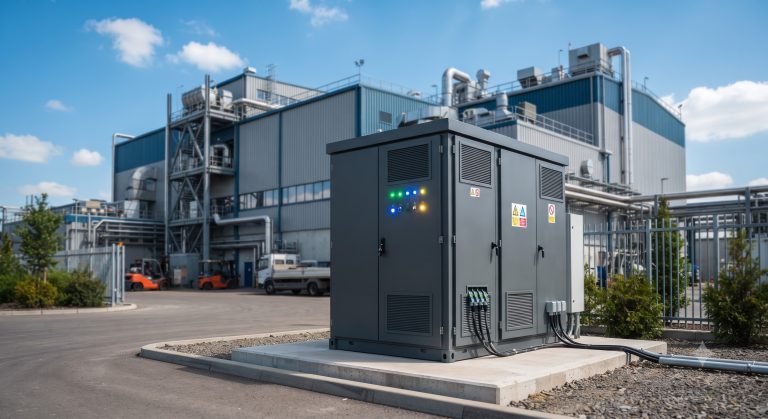
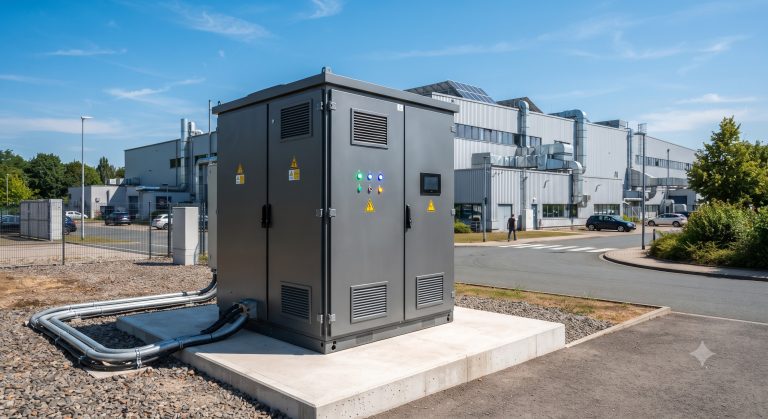
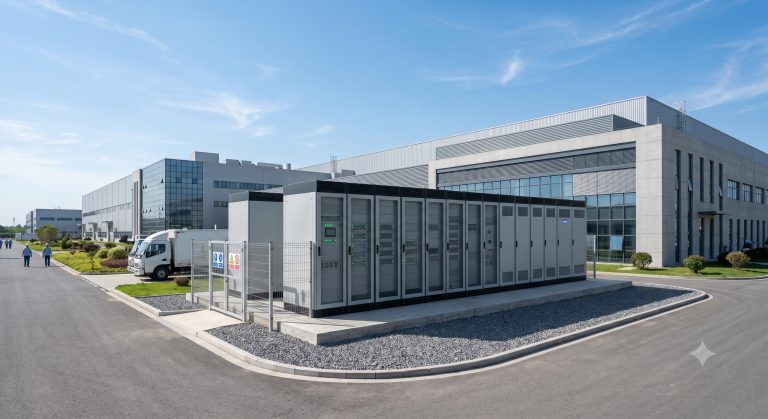
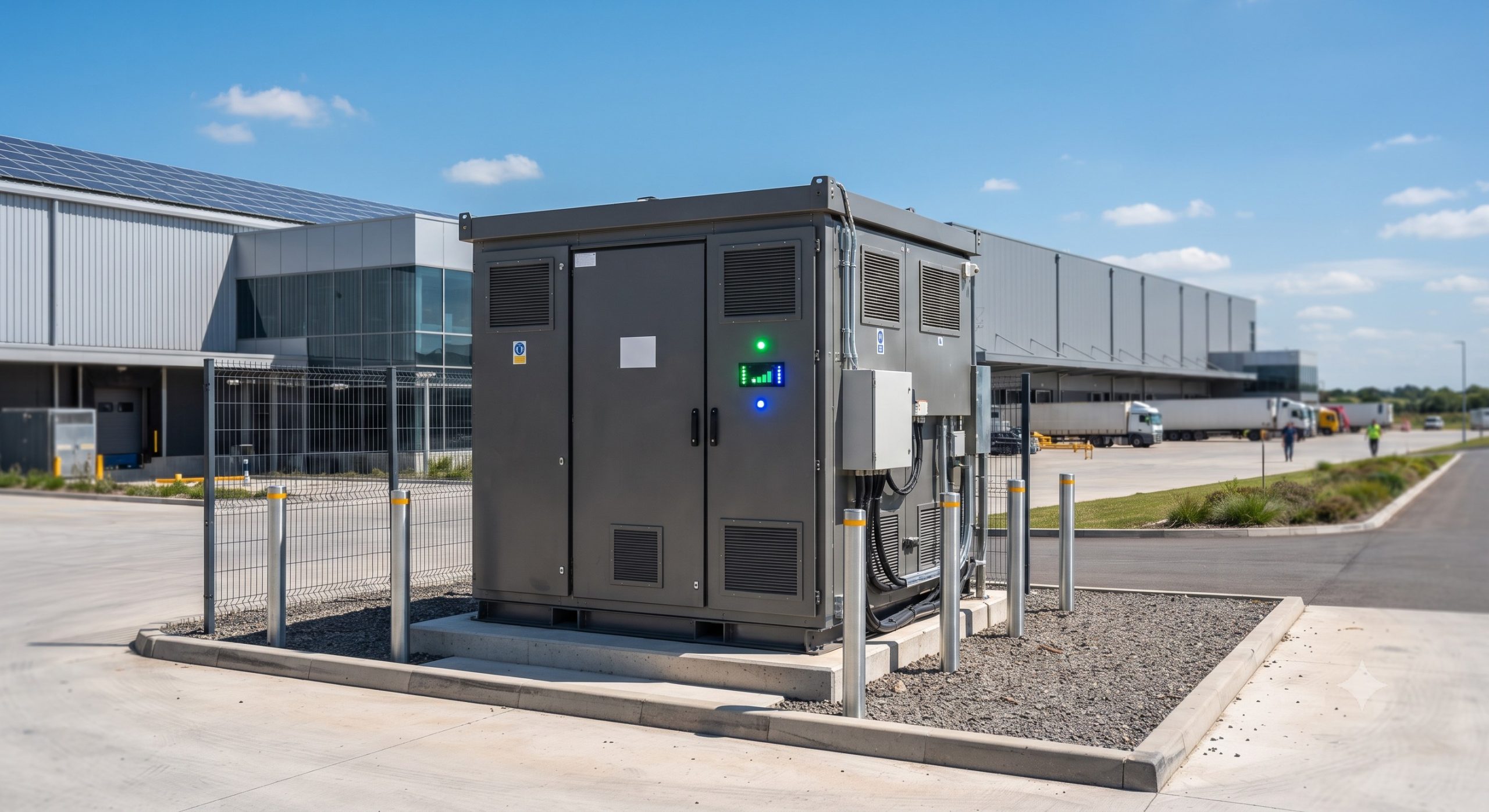
In real-world industrial park applications, modular C&I BESS manufacturer systems with liquid cooling are demonstrating exceptional resilience. For example, a 2 MWh system deployed alongside a PV-storage-charging canopy can effectively manage the high C-rates demanded by DC fast-charging, preventing battery degradation and ensuring grid stability. The compact footprint of high-density liquid-cooled cabinets allows for deployment in space-constrained urban substations and commercial facilities. By flattening load curves and reducing peak demand charges, businesses can achieve energy independence and significantly lower their carbon footprint. The integration into turnkey micro-grids is seamless, enabling seamless off-grid transition and supporting critical infrastructure against utility outages.

Conclusion: The Future is Liquid-Cooled for High-Demand C&I Applications
For commercial and industrial energy storage, the evidence overwhelmingly supports liquid cooling as the superior technology for high-density, high-cycle applications. While air cooling remains suitable for smaller, low-usage scenarios, the enhanced thermal efficiency, extended cycle life, and compliance with stringent safety standards (UL 9540, IEC 62619) make liquid-cooled systems the preferred choice for savvy investors and engineers. As a leading C&I BESS manufacturer, the integration of advanced thermal controls, robust BMS, and smart EMS dispatch is not just a feature; it’s the cornerstone of a profitable, sustainable energy future. By prioritizing thermal efficiency optimization, organizations can maximize ROI and ensure grid support capabilities for decades to come.