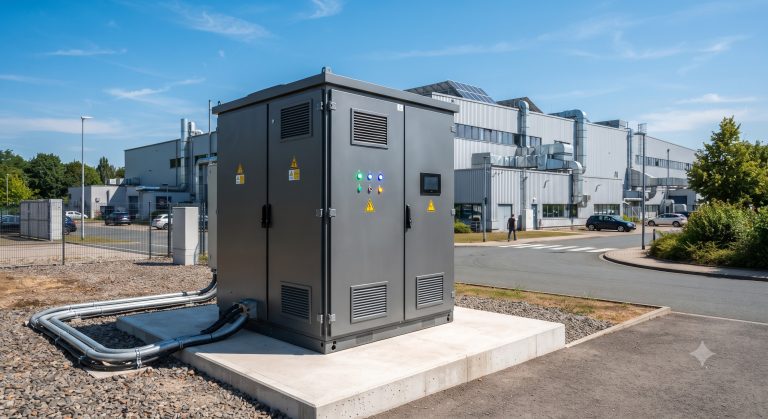
Introduction: The Imperative of BESS Aging Tests in C&I Energy Storage
For Commercial and Industrial (C&I) facilities, a Battery Energy Storage System (BESS) is not just a backup power source; it is a strategic asset for peak shaving, demand response, and renewable integration. However, the financial viability of a multi-million dollar energy storage investment hinges on one critical factor: long-term performance. The BESS charge-discharge aging test is the definitive methodology for validating battery lifespan, calculating State of Health (SoH), and ensuring ROI over a 10-15 year operational horizon. This guide provides a system architect’s deep dive into the engineering specifications, testing protocols, and grid-support capabilities of modern BESS, ensuring compliance with global standards like IEC 62619, UL 9540, and UN38.3 .
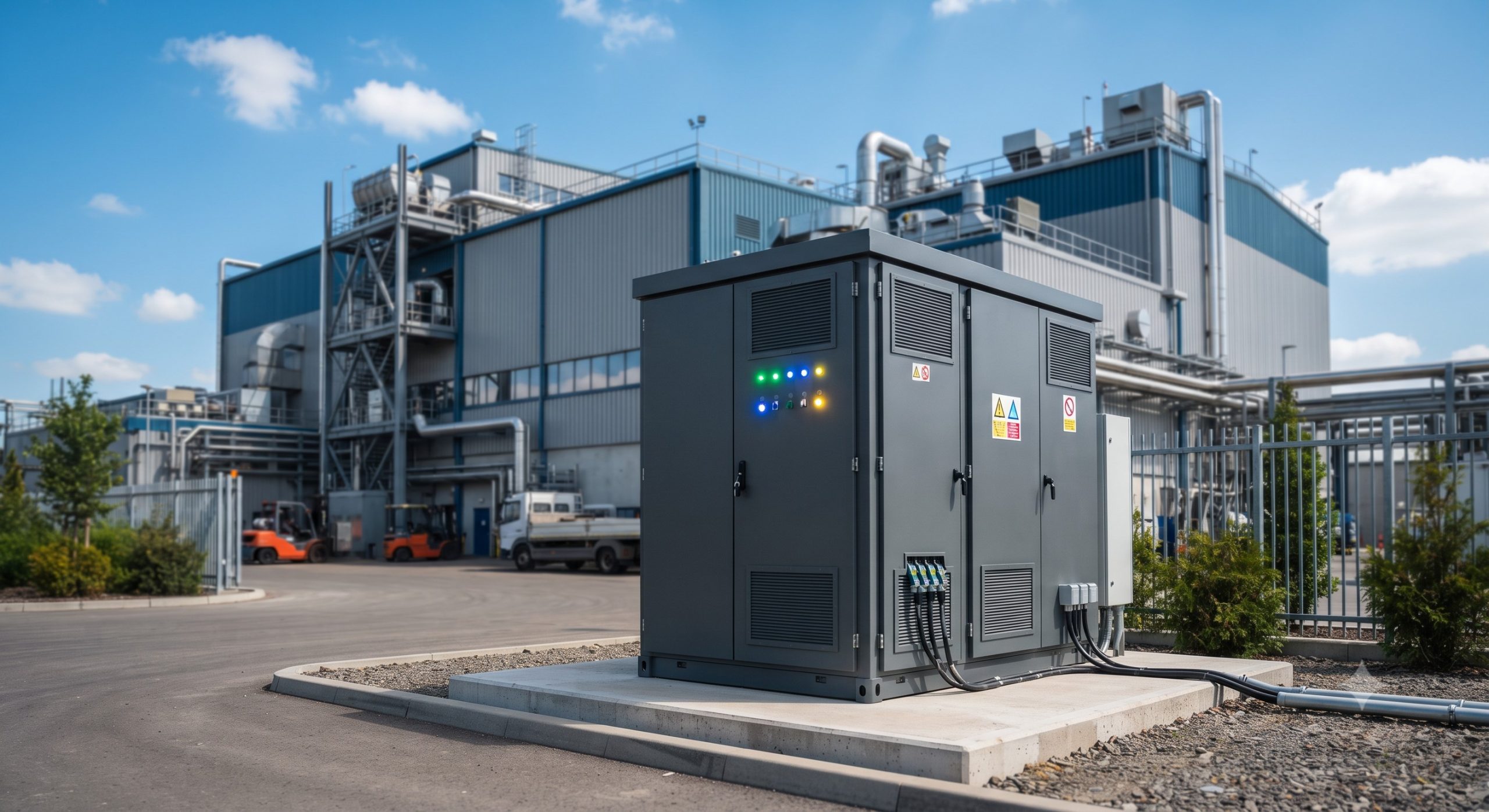
Core Architecture & Battery Management for Aging Tests
1. Tier-1 LFP Cell Chemistry and Cycle Life
At the heart of a reliable BESS lies the battery chemistry. The industry standard for C&I applications is Tier-1 Lithium Iron Phosphate (LFP) cells. The aging test is designed to project the degradation trajectory, with key metrics including Cycle Life (e.g., >8000 cycles @ 90% DoD) and Capacity Fade. Industry benchmarks, such as those referenced in California’s Title 24, mandate an energy capacity retention of 70% of nameplate capacity after 4,000 cycles . Advanced aging models utilize data-driven approaches to detect anomalies and characterize stress factors, ensuring the BMS can adapt to real-world operational conditions .
2. The Role of the Battery Management System (BMS)
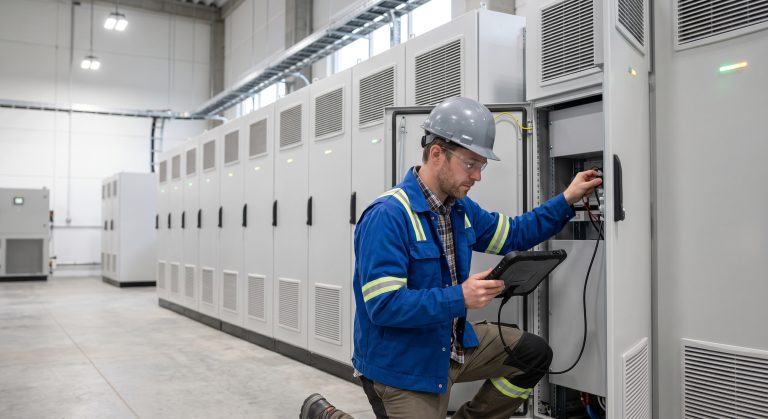
The BMS is the brain of the BESS, and its functionality is critical during the charge-discharge aging test. The BMS must manage the Depth of Discharge (DoD) parameters and cell balancing to prevent premature degradation. During testing, the BMS enforces voltage limits (e.g., 4.2V to 3.0V for Li-ion) and manages the Constant Current/Constant Voltage (CC/CV) charging profiles. The test protocol often includes Hybrid Pulse Power Characterization (HPPC) to measure internal resistance (DCIR/ACIR) at various SoC levels, which is crucial for understanding power fade .
Technical Specifications & Compliance
To ensure a BESS is fit for purpose, it must undergo rigorous testing against established standards. The table below outlines the critical parameters evaluated during a BESS charge-discharge aging test and their corresponding industry benchmarks.
| Key Parameter | Technical Specification | Industry Standard / Benchmark |
|---|---|---|
| Battery Chemistry | Tier-1 LFP (Lithium Iron Phosphate) | IEC 62660 / UL 1973 |
| Cycle Life | >8000 cycles @ 80% DoD (End of Life at 70% Capacity) | Title 20 / Title 24 |
| Round-Trip Efficiency (RTE) | >96% (Energy Efficiency) | DNV-RP-0577 |
| Thermal Management | Liquid Cooling (Preferred) / Air Cooling | UL 9540A |
| Safety & Compliance | UL 9540, IEC 62619, UN38.3 | NFPA 855 / IEC |
Thermal Control: Liquid Cooling vs. Air Cooling
Thermal management is paramount for prolonging battery life, as high temperatures accelerate chemical degradation. Liquid cooling is increasingly favored in high-capacity systems for its superior thermal efficiency, maintaining optimal cell temperatures (typically 20°C to 40°C) and reducing the risk of thermal runaway. In contrast, air cooling is often adequate for smaller, lower-density installations but may struggle with the heat dissipation required for high C-rate applications. The aging test protocol often includes temperature-controlled chambers set at 45°C to accelerate aging and simulate extreme environmental conditions . Advanced PCS integration with liquid cooling systems ensures high round-trip efficiency, with some models achieving R-squared values of 98% for charging processes .
Commercial ROI & Demand Response
The primary financial justification for a BESS in a C&I setting is peak shaving, reducing demand charges by discharging stored energy during peak tariff periods. The Round-Trip Efficiency (RTE) directly impacts ROI. While capacity efficiency often approaches 99%, energy efficiency (the actual energy delivered versus consumed) typically hovers around 96-97% . For grid support and Demand Response (DR) programs, the BESS must demonstrate fast grid synchronization capabilities. A system with low degradation rates will maintain its capacity to capture utility incentives, providing a Total Cost of Ownership (TCO) advantage over diesel generators by offering zero-carbon, silent operation with lower maintenance costs.
Deployment Scenarios: From Industrial Parks to EV Charging
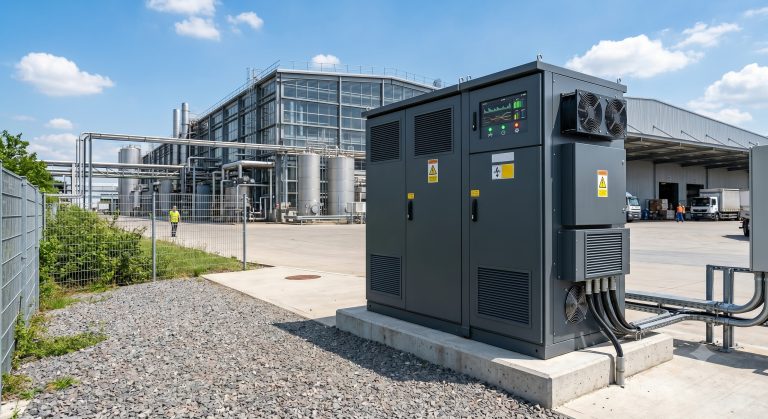
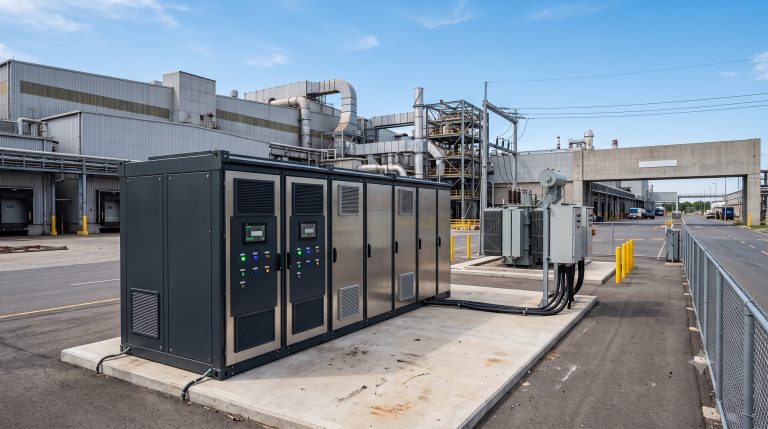
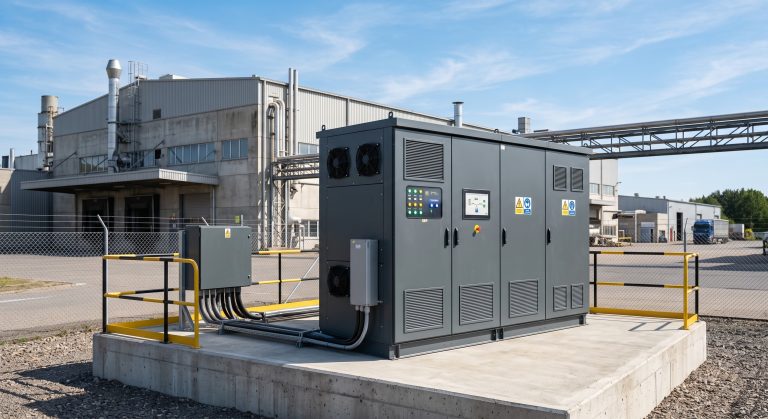
The versatility of BESS allows for integration into various scenarios. In industrial parks, modular BESS cabinets can be deployed to achieve energy independence, leveraging smart EMS dispatch to manage load curves. For PV-Storage-Charging (PVS-C) hubs, BESS units stabilize the grid during high-demand EV supercharging, ensuring seamless off-grid transition and maximizing renewable energy utilization. The aging test ensures that the system can withstand the daily cycling associated with these high-usage environments, maintaining performance under stress .

Conclusion: Future-Proofing Energy Assets
Implementing a comprehensive BESS charge-discharge aging test is not merely a compliance checkbox; it is a strategic imperative for ensuring long-term asset value. By adhering to stringent standards like UL 9540 and IEC 62619, and leveraging advanced thermal management and BMS technology, C&I operators can secure a reliable, high-performance energy storage solution. As the energy landscape evolves towards VPP readiness and zero-carbon initiatives, data-driven aging models will be essential for predictive maintenance and optimizing the lifecycle of these critical infrastructure assets.