Introduction: The Critical Role of T-Branch Connectors in Modern Energy Infrastructure
As the global push for renewable energy intensifies, the efficiency and reliability of every component in the power chain are under scrutiny. Among these, the T-branch connector has emerged as a critical linchpin for commercial energy storage systems (BESS) and large-scale photovoltaic (PV) arrays. Designed to facilitate complex parallel and series circuit configurations, these connectors ensure safe, high-integrity power distribution from solar panels to inverters and into energy storage cabinets . For B2B procurers and system architects, sourcing high-quality T-branch connectors is not just about electrical continuity; it is a fundamental decision impacting the Levelized Cost of Energy (LCOE), system round-trip efficiency, and long-term grid support capabilities. This guide provides a deep technical dive into the engineering specifications, compliance standards, and strategic value of deploying advanced T-branch connectors in modern energy systems.
Core Architecture & System Integration
PCS and BMS Interfacing
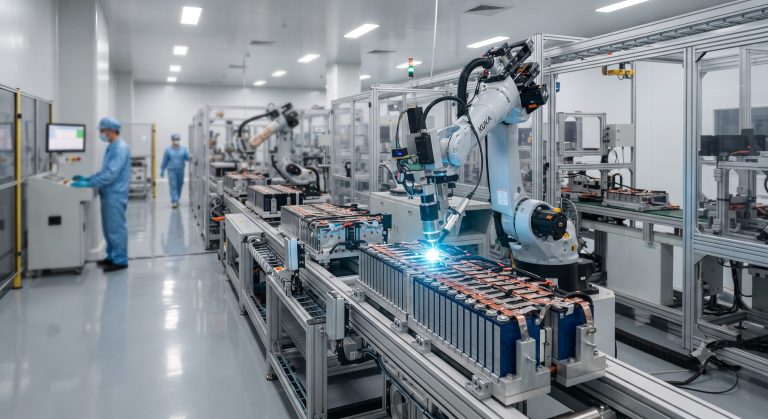
The integration of a T-branch connector begins at the heart of the Power Conversion System (PCS) and Battery Management System (BMS). In high-capacity setups, such as those exceeding 1 MWh, these connectors serve as the primary interface for stringing battery modules. Their design directly influences the Depth of Discharge (DoD) management, ensuring balanced charging across all cells. By maintaining a contact resistance of less than 0.5 mΩ, they minimize power loss, preserving the efficiency of Tier-1 LFP cells and supporting an extended cycle life of over 8000 cycles . Furthermore, modern T-branch connectors incorporate keyed housings to prevent incorrect polarity connections, protecting the sensitive BMS electronics from fault currents and enhancing overall system safety .
Thermal Management: Liquid vs. Air Cooling
Thermal regulation is paramount in high-density energy storage. While the connector itself generates negligible heat, its ability to maintain a stable connection under thermal stress is crucial. In air-cooled systems, connectors must operate within a temperature range of -40°C to +90°C, supporting robust cable insulation like PPO (Polyphenylene Oxide) to prevent degradation . For advanced liquid cooling systems, which maintain optimal battery temperatures for high charge/discharge rates, the connector’s ingress protection (IP68) ensures that no moisture ingress occurs in the fluid-filled environment, preventing electrochemical corrosion of the tin-plated copper contacts .
Technical Specifications
To ensure compliance with international standards such as IEC 62619 (for industrial batteries), UL 9540 (for energy storage systems), and UN38.3 (for transport safety), BESS components must meet stringent technical criteria. The following table outlines the critical performance metrics for high-grade T-branch connectors utilized in C&I ESS and PV applications.
| Key Parameter | Technical Specification |
|---|---|
| Rated Current | 30A – 45A (Up to 50A for specialized models) |
| Rated Voltage | 1000V DC / 1500V DC |
| Contact Material | Tin-plated Copper (High Corrosion Resistance) |
| Insulation Material | PPO (Polyphenylene Oxide) |
| Ingress Protection | IP67 / IP68 (Dust-tight, Waterproof) |
| Flammability Rating | UL94 V-0 |
| Temperature Range | -40°C to +90°C |
| Contact Resistance | < 0.5 mΩ |
| Cable Cross-section | 2.5 mm² to 6 mm² |
| Safety Certifications | CE, TUV, UL, RoHS compliant |
Mechanical Durability and Compliance
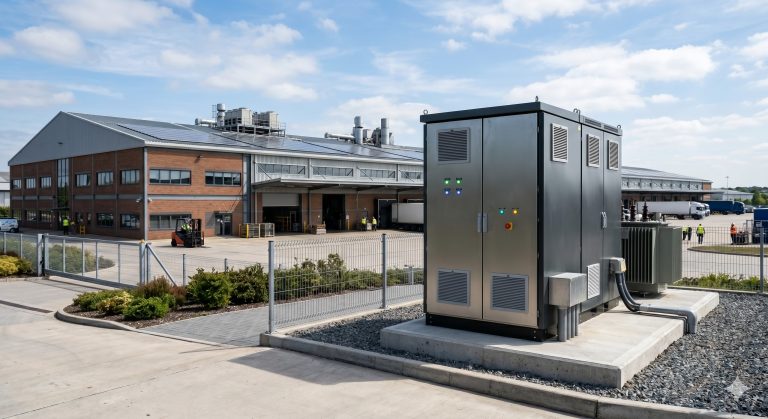
Beyond electrical specs, mechanical integrity is vital. Our analysis prioritizes connectors with an insertion durability exceeding 200 cycles, ensuring O&M teams can perform maintenance without degrading performance . Compliance with UL94 V-0 flammability standards is mandatory for fire safety, while a protection class of IP67 or IP68 guarantees resilience against dust and water ingress, making them ideal for outdoor containerized BESS setups .
Commercial ROI & Grid Support
Optimizing LCOE and Capex
From a B2B procurement perspective, the T-branch connector offers a substantial ROI by reducing cabling complexity and installation time. By enabling parallel connections easily, these connectors reduce the need for costly combiner boxes and lengthy cable runs, directly lowering Capital Expenditure (CapEx) . Furthermore, the high round-trip efficiency (ensured by low contact resistance) translates into better peak-shaving performance and a reduced Levelized Cost of Energy (LCOE), allowing commercial and industrial (C&I) facilities to maximize their savings on energy bills. By integrating with Demand Response (DR) programs, facilities can use these reliable connections to dispatch stored energy during peak tariff periods, capturing utility incentives.
VPP Readiness and Grid Stabilization
In the context of Virtual Power Plants (VPP), the T-branch connector plays an often-overlooked role. The reliability of these connections ensures that the energy storage system can respond quickly to grid requests for frequency regulation. Voltage handling capacities up to 1500V DC allow for higher string voltages, reducing line losses and enabling the BESS to provide effective grid support and stabilization services .
Deployment Scenarios
PV-Storage-Charging (光储充) Synergy
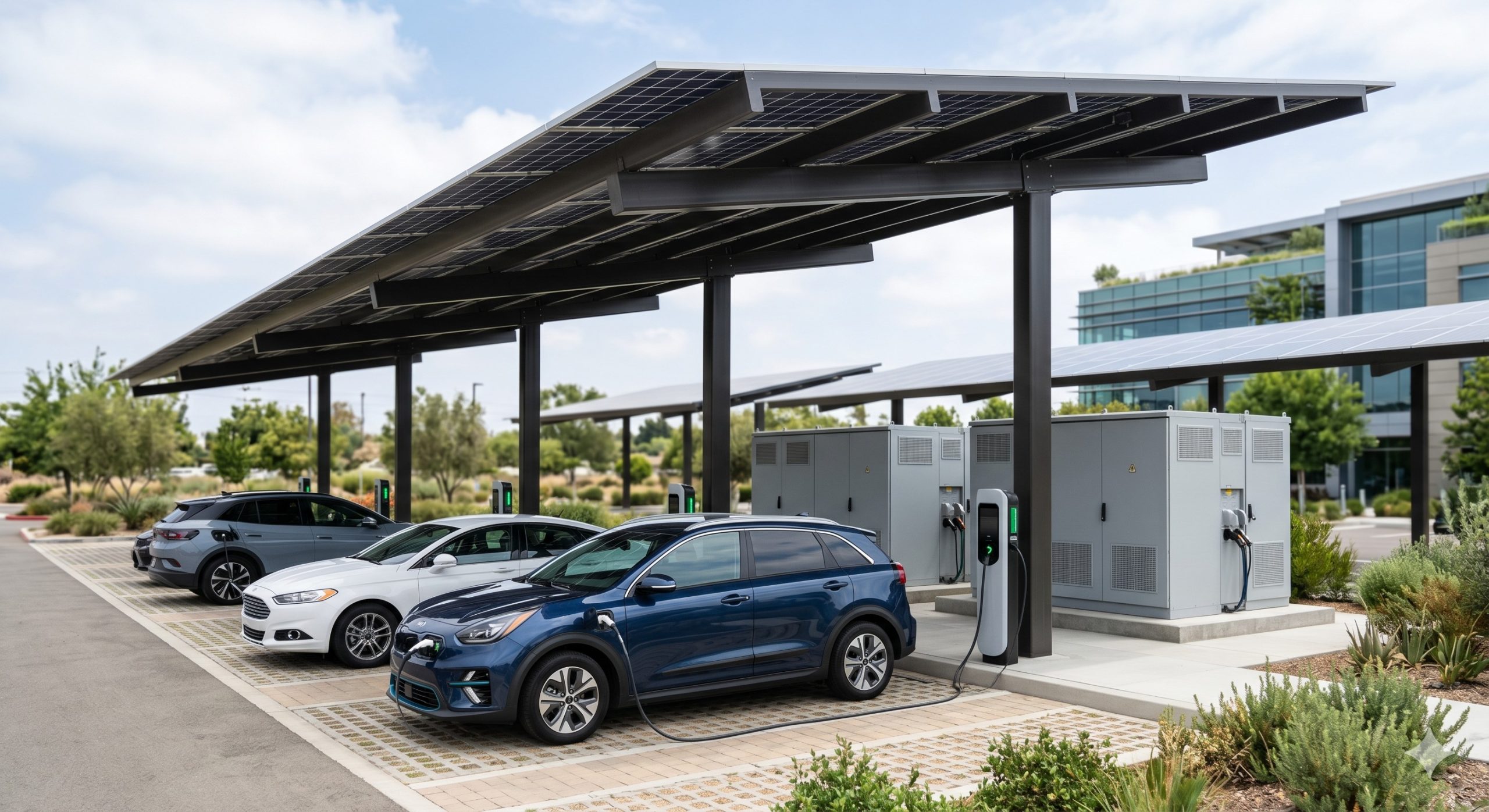
One of the most impactful use cases is the integration of PV-Storage-Charging for EV supercharging stations. Here, T-branch connectors are used to combine multiple solar strings into a single feed that charges the BESS, while simultaneously distributing power to high-speed chargers. This architecture reduces the load on the grid and allows for the seamless transition to off-grid operation if grid power is interrupted, providing a zero-carbon charging solution .
Industrial Micro-grids and Containerized ESS
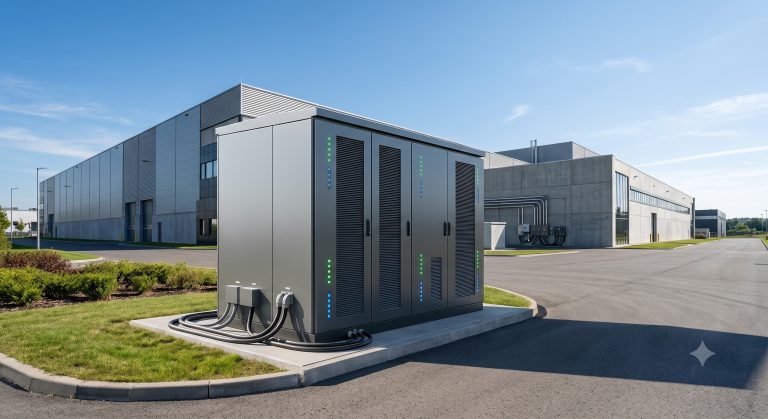
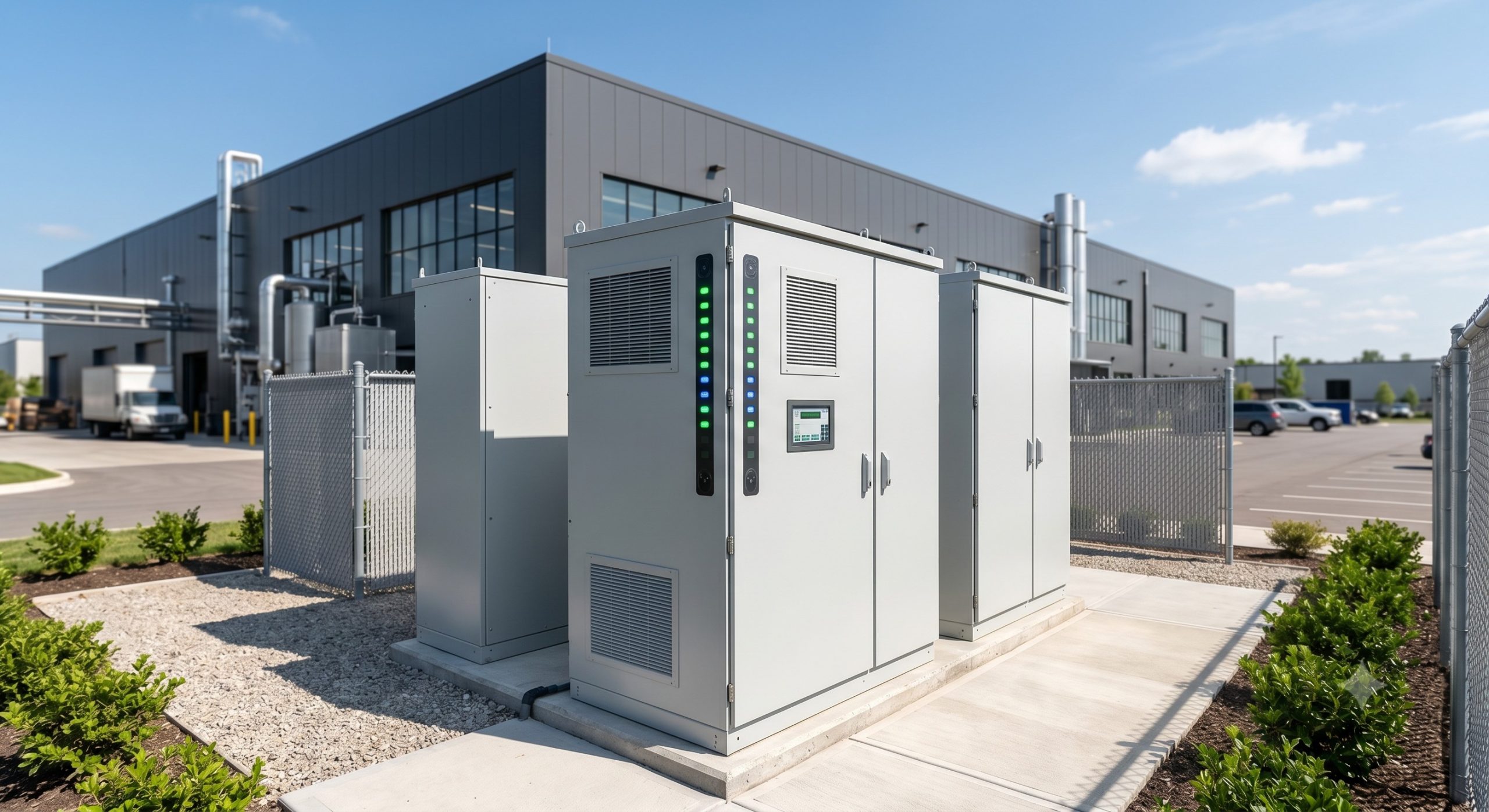
In containerized energy storage solutions, T-branch connectors are the backbone of the internal DC bus wiring. They facilitate the modular scaling of battery racks, allowing operators to easily expand capacity by adding new parallel strings without rewiring the entire system. This modularity is essential for industrial parks and large commercial facilities that plan to scale their energy storage capacity alongside their operational growth .
Conclusion
The strategic sourcing of T-branch connectors is a critical decision for any B2B energy storage project. By focusing on components that offer high current capacity (up to 45A+), robust thermal stability, and compliance with global standards like UL and IEC, system architects can ensure long-term reliability and optimized financial returns . As the renewable energy sector moves toward higher voltage systems and more complex grid interactions, the T-branch connector will remain an indispensable component for maximizing the performance, safety, and profitability of commercial energy storage and solar PV installations.