Introduction
In the high-stakes world of Commercial & Industrial (C&I) energy storage, the difference between a 15-year asset and a 5-year liability often comes down to a single, overlooked variable: ingress protection. While capacity (MWh), cycle life, and round-trip efficiency dominate procurement spreadsheets, the Battery module dust waterproof inspection is the silent gatekeeper of system longevity and safety compliance. For B2B sourcing teams and system architects, a failure in module-level sealing doesn’t just void warranties; it triggers catastrophic thermal events, degrades Tier-1 LFP cells prematurely, and compromises UL 9540 certification. This masterclass dissects the engineering specifications, testing protocols, and compliance frameworks that define a truly robust BESS (Battery Energy Storage System), ensuring your industrial park or micro-grid investment withstands the harshest environmental challenges while maximizing peak-shaving ROI.
Core Architecture & the Critical Role of Ingress Protection
Module-Level Sealing: The First Line of Defense
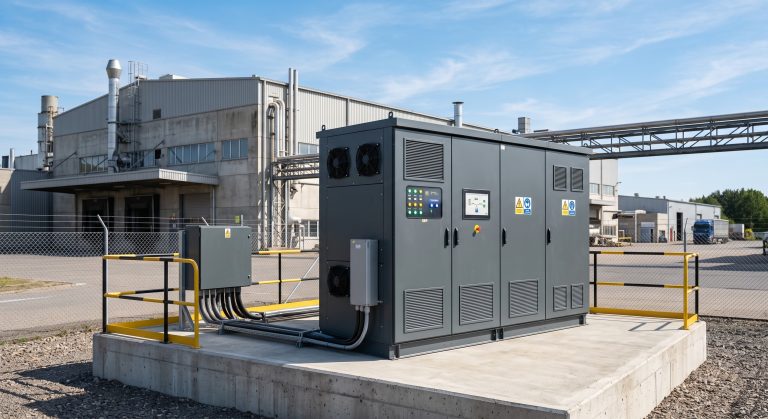
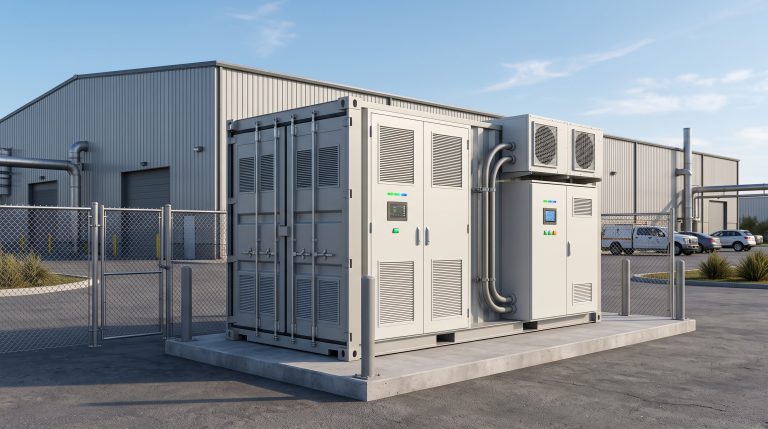
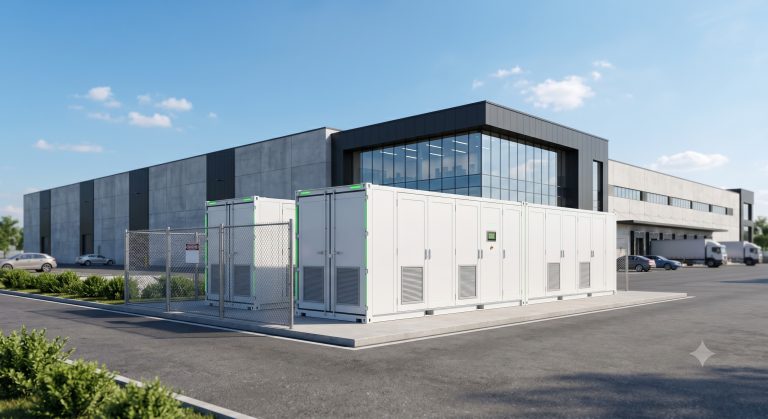
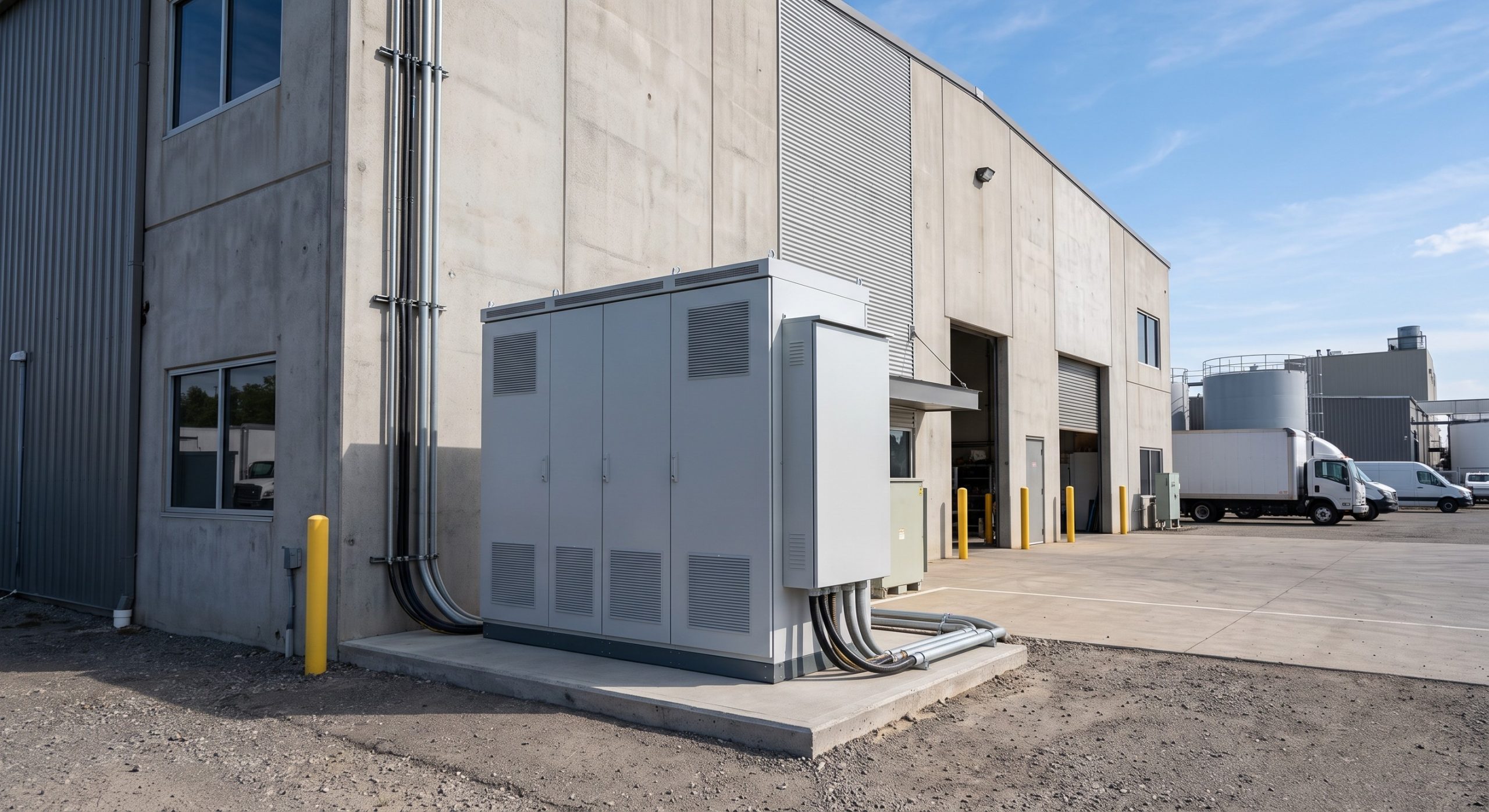
The modern commercial energy storage cabinet is a symphony of advanced liquid cooling thermal control and bi-directional PCS (Power Conversion System) integration. However, the structural integrity of the battery module dust waterproof inspection determines the operational stability of the entire system. The inspection process evaluates the IP (Ingress Protection) rating, typically targeting IP65 or IP67 for outdoor containerized solutions. This ensures that the cabinet’s enclosure prevents dust ingress (which causes insulation breakdown) and water jet penetration (which triggers short circuits and thermal runaway). For system architects, the inspection transcends a simple checklist; it involves validating the compression force of sealing gaskets, the integrity of cable gland entries, and the pressure equalization valves that prevent membrane rupture during rapid altitude or temperature changes. Without rigorous adherence to these protocols, even the most sophisticated EMS (Energy Management System) cannot salvage the asset from accelerated degradation.
Advanced BMS Integration and Environmental Sensing
The Battery Management System (BMS) is the brain of the ESS, but its data is only as reliable as the sensors that feed it. During the battery module dust waterproof inspection, we audit the insulation resistance (IR) monitoring circuits that detect moisture ingress before visible corrosion occurs. By cross-referencing BMS data with physical inspection metrics—such as humidity sensors inside the module enclosure—engineers can predict failure modes with high accuracy. This proactive approach is critical for maintaining depth of discharge (DoD) parameters and ensuring that the round-trip efficiency remains above 92% throughout the system’s lifecycle. The inspection also verifies the cleanliness of high-voltage connectors; contamination from dust or condensation can lead to increased contact resistance, generating localized heat that compromises the liquid cooling system’s ability to maintain optimal cell temperatures (typically 15°C to 35°C).
Technical Specifications & Compliance Matrix
To achieve global bankability and grid interconnection, the battery module dust waterproof inspection must align with stringent international standards. The following specification ledger outlines the critical pass/fail criteria that distinguish a premium BESS solution from substandard alternatives. Note the emphasis on the UN38.3 transportation safety standard, which includes rigorous vibration and thermal tests that can compromise module seals if not engineered correctly.
| Key Parameter | Technical Specification | ||||||||||||||||||||||||||||||||||||||||||||||||||||||||
|---|---|---|---|---|---|---|---|---|---|---|---|---|---|---|---|---|---|---|---|---|---|---|---|---|---|---|---|---|---|---|---|---|---|---|---|---|---|---|---|---|---|---|---|---|---|---|---|---|---|---|---|---|---|---|---|---|---|
| Battery Chemistry | Tier-1 LFP (Lithium Iron Phosphate) | ||||||||||||||||||||||||||||||||||||||||||||||||||||||||
| Cycle Life | >8000 cycles @ 90% DoD (Depth of Discharge) | ||||||||||||||||||||||||||||||||||||||||||||||||||||||||
| Round-trip Efficiency | ≥ 92% (DC to AC, bi-directional) | ||||||||||||||||||||||||||||||||||||||||||||||||||||||||
| I | n | g | r | e | s | s | P | r | o | t | e | c | t | i | o | n | R | a | t | i | n | g | |||||||||||||||||||||||||||||||||||
| I | P | 6 | 5 | / | I | P | 6 | 7 | ( | D | u | s | t | – | t | i | g | h | t | & | W | a | t | e | r | J | e | t | / | I | m | m | e | r | s | i | o | n | r | e | s | i | s | t | a | n | t | ) | |||||||||
| Thermal Management | Advanced Liquid Cooling (maintains 15°C – 35°C cell delta) | ||||||||||||||||||||||||||||||||||||||||||||||||||||||||
| Compliance Certifications | UL 9540, IEC 62619, CE, UN38.3 | ||||||||||||||||||||||||||||||||||||||||||||||||||||||||
| System Voltage | 1500V DC (High-voltage architecture for reduced line losses) | ||||||||||||||||||||||||||||||||||||||||||||||||||||||||
| Enclosure Material | Marine-grade aluminum / Galvanized steel with anti-corrosion coating |
Decoding UL 9540 and IEC 62619 Mandates
The UL 9540 standard for energy storage systems requires that enclosures provide adequate protection against environmental exposure to prevent fire propagation. During factory acceptance testing (FAT), the battery module dust waterproof inspection must demonstrate that after exposure to dust and water spray, the system’s electrical creepage and clearance distances remain uncompromised. Similarly, IEC 62619 mandates specific dielectric voltage withstand tests post-environmental conditioning. For C&I facilities, compliance is non-negotiable; insurance underwriters and utility providers often require UL 9540 certification for demand response participation and grid support. The inspection report must document the IP rating verification using standardized test dust (e.g., talc powder) and water spray nozzles calibrated to specific flow rates (e.g., 12.5 L/min for IPX6).
Commercial ROI & Long-Term Asset Protection
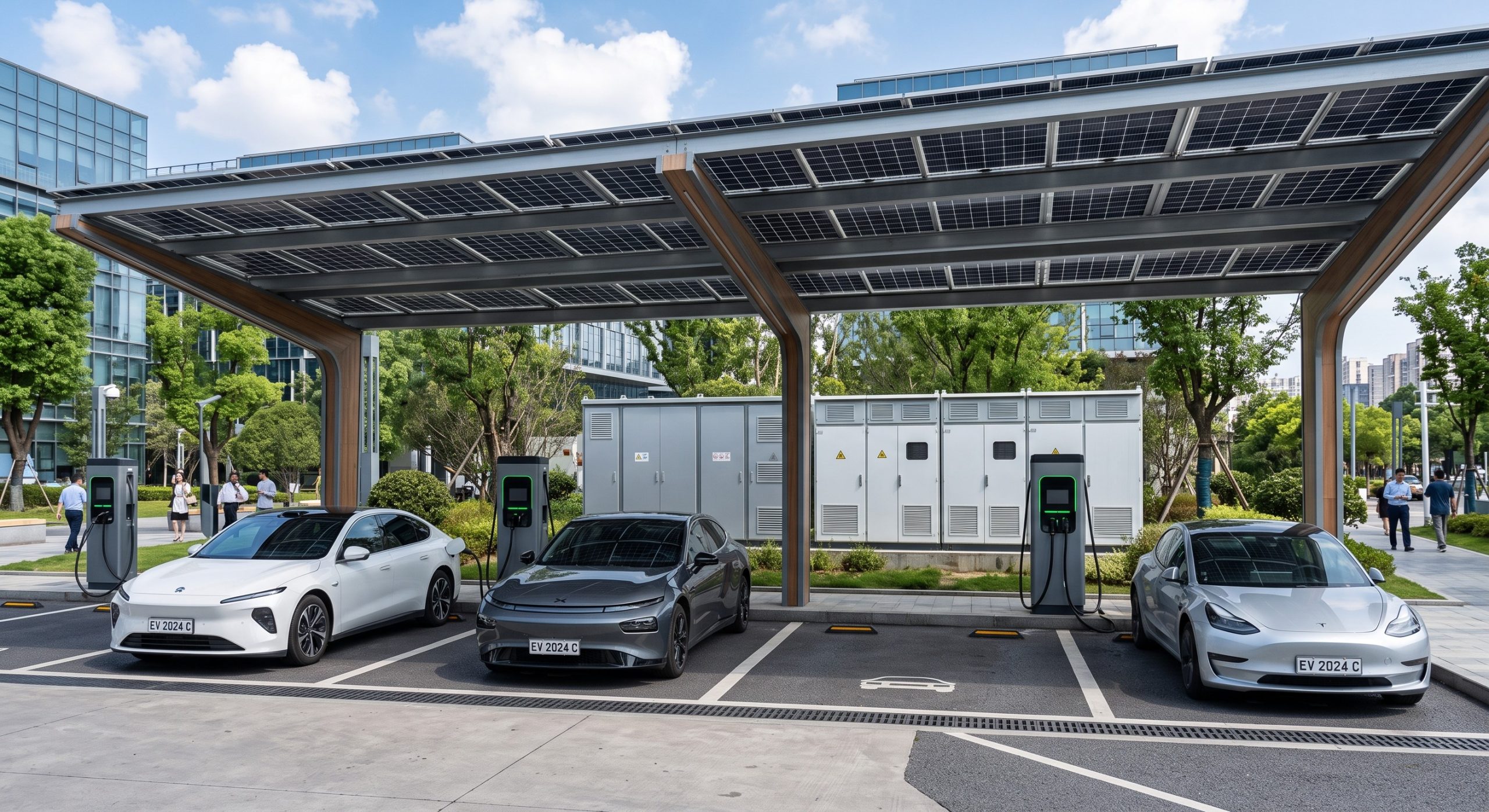
While the upfront CapEx of a high-spec ESS includes stringent battery module dust waterproof inspection protocols, the OpEx savings are transformative. A failed seal leading to a single module replacement costs not only the hardware (approx. $150-$300/kWh) but also the labor for de-energization, crane lifts, and system downtime. By enforcing a rigorous ingress protection strategy, industrial parks can achieve a Levelized Cost of Energy (LCOE) reduction of up to 15% over a 20-year horizon. Furthermore, maintaining a clean, dry environment for Tier-1 LFP cells ensures that cycle life expectations (>8000 cycles @ 90% DoD) are met, allowing operators to capture peak-shaving revenue and utility incentives without degradation penalties. This reliability is particularly crucial for PV-storage-charging synergy projects where uptime directly correlates with EV charging revenue.
Deployment Scenarios & Field Audits
In real-world C&I deployments, such as data centers or cold storage warehouses, the battery module dust waterproof inspection shifts from a manufacturing milestone to a recurring maintenance KPI. For outdoor installations in coastal industrial zones, quarterly inspections are recommended to monitor for salt spray corrosion on aluminum enclosures. In high-particulate environments like cement plants, monthly filter checks and pressure differential tests are essential. The deployment strategy must integrate these inspection schedules into the overall O&M (Operations and Maintenance) budget. A turnkey delivery partner should provide a detailed audit trail, including photographic evidence and insulation resistance logs, to substantiate warranty claims and facilitate asset trading.
Conclusion
The battery module dust waterproof inspection is far more than a procedural formality; it is the bedrock of system reliability, safety compliance, and financial performance in the C&I energy storage sector. For procurement managers and system architects, prioritizing suppliers that offer transparent test data and certified IP ratings is essential for mitigating long-term risk. As we move towards higher-density LFP chemistries and liquid-cooled mega-packs, the integrity of the module seal will remain a critical differentiator between industry leaders and laggards. By adhering to the UL 9540 and IEC 62619 frameworks outlined in this masterclass, your organization can secure a resilient energy future, maximize grid support capabilities, and achieve a superior return on investment in the global renewable energy transition.