Introduction
As the global commercial and industrial (C&I) energy storage market scales toward multi-megawatt installations, the integrity of balance-of-system (BOS) components becomes a critical determinant of operational safety and asset longevity. The heavy-duty connector serves as the fundamental interface for all high-voltage, high-current power distribution pathways within a Battery Energy Storage System (BESS). While widely recognized in system architecture, the connector’s role in mitigating thermal runaway—a catastrophic chain reaction within lithium-ion cells—is frequently overlooked. This technical guide examines the engineering specifications, UL 9540 compliance requirements, and advanced Battery Management System (BMS) integration strategies necessary to ensure absolute safety in C&I BESS deployments. Data-driven insights into thermal dissipation, contact resistance, and fire suppression system compatibility are provided to assist system architects and procurement specialists in selecting robust, compliant interconnect solutions.
Core Architecture & Battery Management
The architectural integrity of a commercial BESS hinges upon the reliable interconnection between battery racks, Power Conversion Systems (PCS), and the EMS. The heavy-duty connector functions as a mission-critical electromechanical junction, responsible for handling currents exceeding 200A and voltages up to 1500V DC. Its design directly influences the thermal management efficacy of the system. Unlike standard industrial plugs, these components must maintain minute contact resistance (<0.2 mΩ) to minimize joule heating (P=I²R) under peak shaving duty cycles. Furthermore, the connector must facilitate bidirectional power flow, accommodating the rapid switching demands of frequency regulation and demand response programs.
Advanced BMS Integration
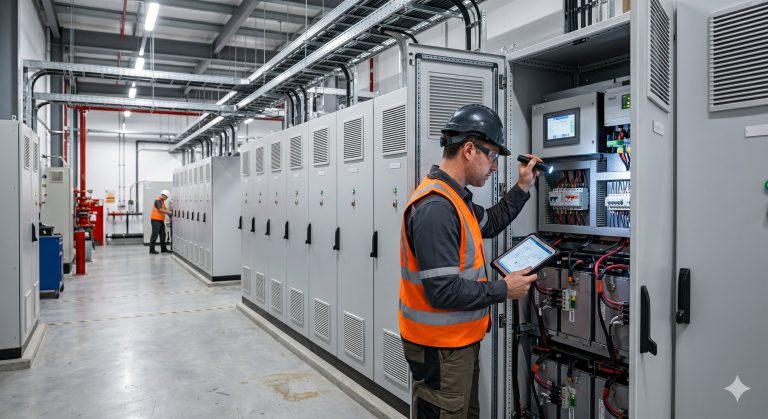
The BMS serves as the cognitive center of the ESS, monitoring per-cell voltage, temperature, and State of Charge (SoC). In a multi-tiered safety architecture, the BMS interfaces directly with the heavy-duty connector to enable high-voltage interlocking. Should any parameter breach defined safety envelopes, the BMS commands the contactors to isolate the battery string. This isolated topology must exhibit >100MΩ insulation resistance at rated DC voltage. Tier-1 LFP cells, operated within a Depth of Discharge (DoD) of 90%, achieve an impressive >8000 cycle life. This longevity relies on the BMS’s capability to execute passive or active balancing, where a fault-tolerant connector ensures uninterrupted data transmission for robust SoC and State of Health (SoH) algorithms.
Multi-level Fire Suppression Systems
Despite advanced engineering, thermal runaway risk persists if mechanical defects or persistent overcurrent events exist. Proactive safety design necessitates a multi-level approach. The heavy-duty connector housing must be fabricated from UL 94 V-0 flame-retardant materials, offering high dielectric strength (e.g., 3000V AC) to withstand electrical arcs. Additionally, modern systems integrate aerosol-based or gaseous fire suppression agents at the rack and enclosure levels. The connector’s ingress protection (IP) rating, often IP67 or higher, prevents dust and water ingress that could compromise insulation. In a liquid-cooled ESS, the connector interface must be engineered to prevent any leakage of the dielectric coolant, which could otherwise create conductive pathways or degrade fire retardancy.
Technical Specifications
The following technical specifications provide a benchmark for evaluating heavy-duty connectors for C&I BESS. These parameters are essential for validation under UL 9540 and IEC 62619 standards, ensuring safety, reliability, and high round-trip efficiency (>94%).
| Key Parameter | Technical Specification |
|---|---|
| Rated Voltage (DC) | 1000V – 1500V |
| Rated Current | 200A – 400A |
| Contact Resistance | < 0.2 mΩ |
| Insulation Resistance | > 1000 MΩ @ 1000V DC |
| Dielectric Withstand Voltage | 3000V AC |
| Ingress Protection (IP) | IP67 (mated condition) |
| Operating Temperature | -40°C to +85°C |
| Flammability Rating | UL 94 V-0 |
| Mating Cycles | > 500 |
| Certifications | UL 9540, IEC 62619, CE, UN38.3 |
| Safety Features | High-voltage interlocking, integrated temperature sensing |
Standards Compliance and Certification
Selecting a heavy-duty connector requires rigorous adherence to global safety standards. UL 9540 certification is mandatory for stationary storage systems in North America, mandating stringent electrical and fire safety tests. The connector must demonstrate sustained fault current withstand capabilities and high short-circuit ratings. In Europe, CE marking and compliance with IEC 62619 are requisite, focusing on safe operation and functional safety. For logistics and transport, UN38.3 certification ensures that the connector-integrated battery modules are safe for distribution. Furthermore, the connector should meet IEC 60529 for IP protection and IEC 61984 for disconnect safety under load. Compliance with these standards dramatically reduces insurance premiums and facilitates seamless grid-tie integration.
Commercial ROI & Grid Support
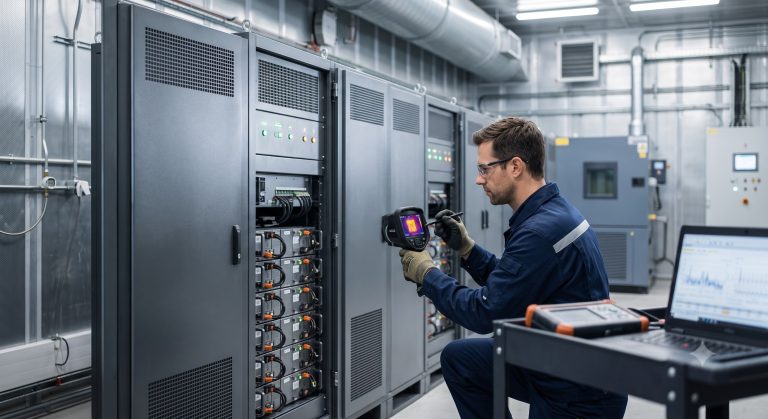
The economic viability of a commercial BESS is intrinsically tied to its operational availability and safety. A robust heavy-duty connector minimizes downtime resulting from thermal events. With an 8000-cycle lifespan at 90% DoD, the Levelized Cost of Storage (LCOE) can be optimized below $0.10/kWh. Utilizing a connector with integrated temperature sensors allows for predictive maintenance, enabling real-time monitoring of contact degradation and preventing costly capacity fade. Furthermore, participation in demand response and VPP programs benefits from the connector’s ability to handle high-frequency charge/discharge cycles without failure. This ensures that peak-shaving capabilities are fully realized, capturing significant utility incentives. The Total Cost of Ownership (TCO) is directly reduced through the enhanced safety and durability provided by the connector, guaranteeing ROI.
Deployment Scenarios
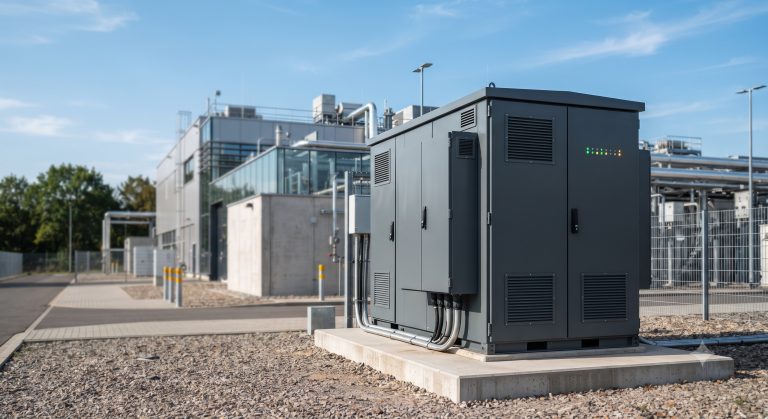
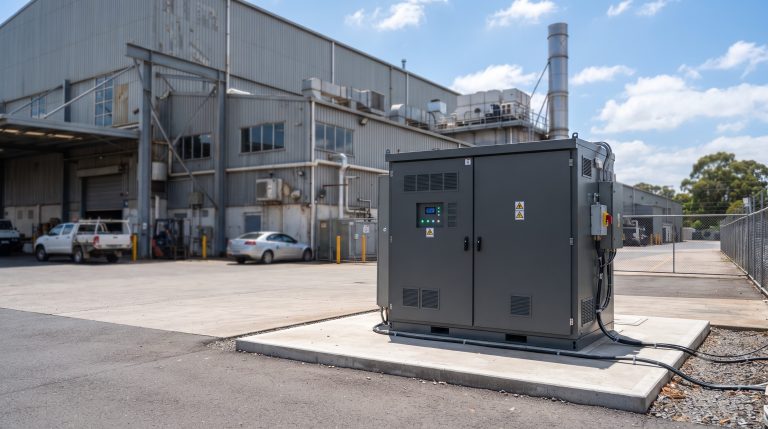
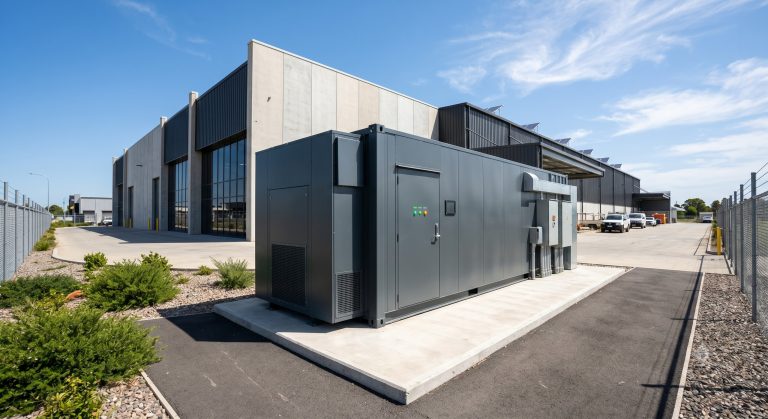
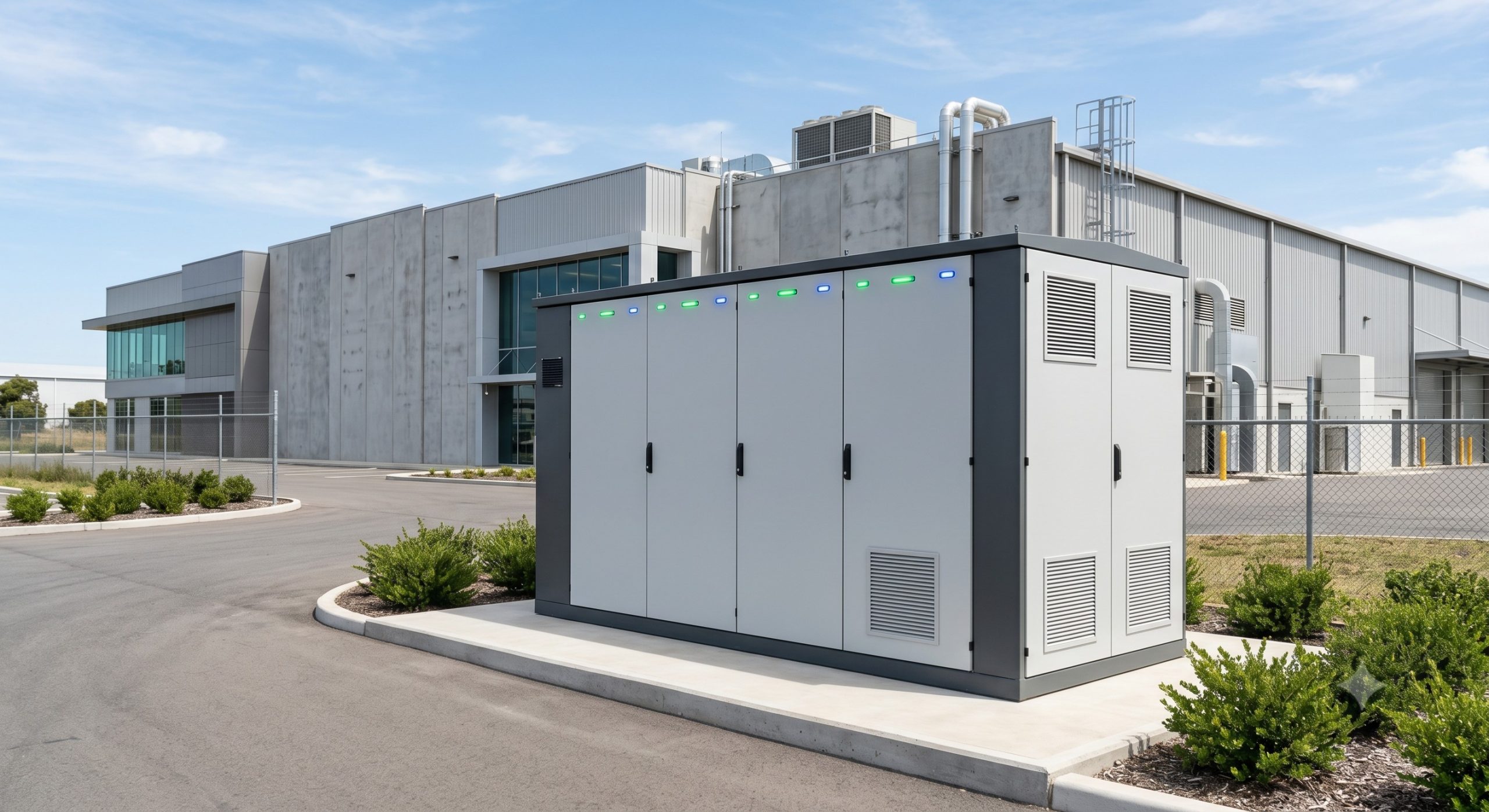
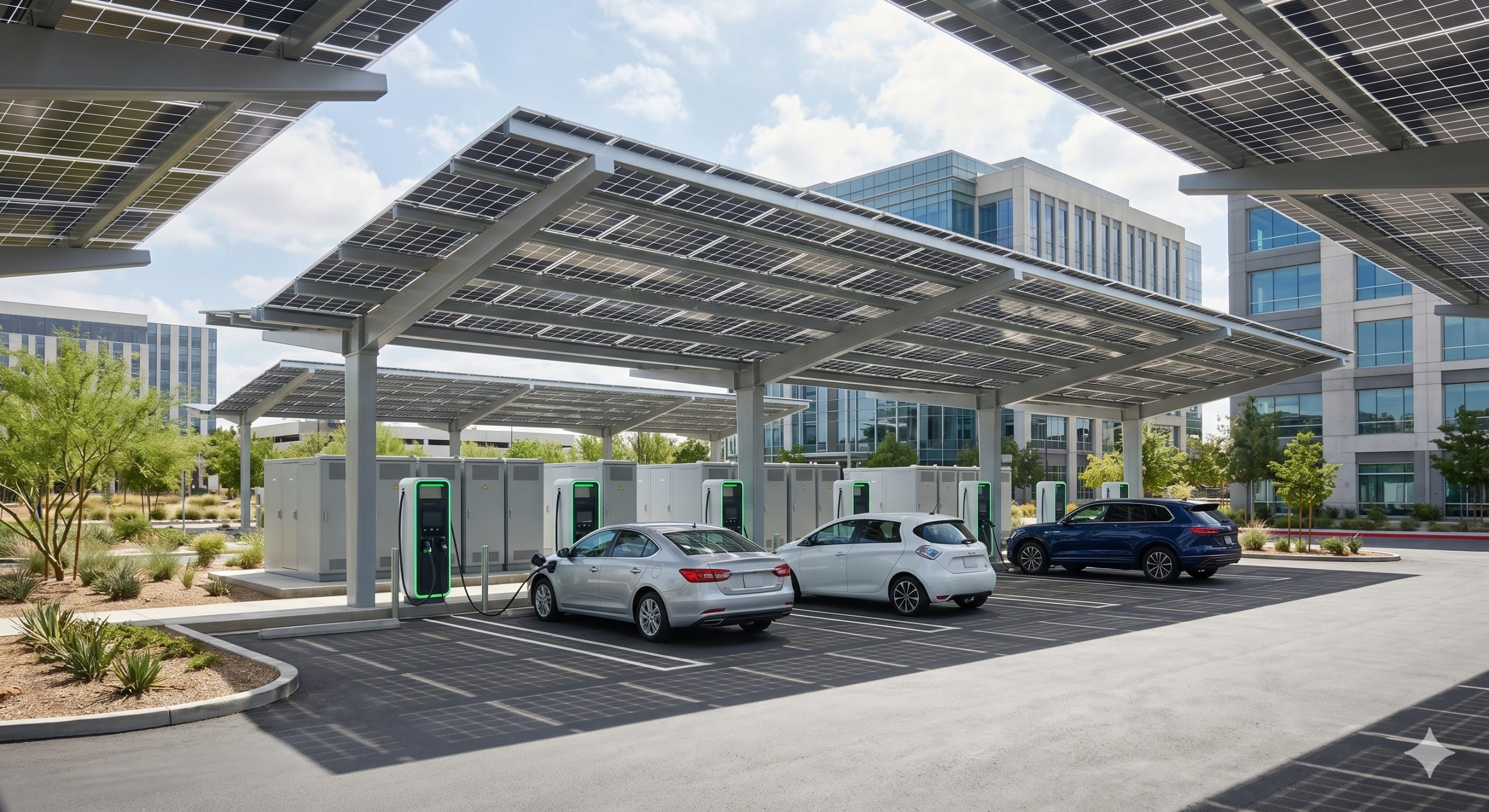
The heavy-duty connector is integral to numerous C&I ESS configurations. In PV-Storage-Charging hubs, it interfaces solar inverters, storage batteries, and EV superchargers, managing high DC power transfers. In industrial parks, it enables modular scalability for demand side management, while in data centers, it ensures backup reliability and peak shaving. The connector’s ability to perform in harsh environmental conditions makes it suitable for both indoor and outdoor containerized solutions, supporting the global transition toward zero-carbon manufacturing facilities.
Conclusion
The heavy-duty connector transcends its role as a mere passive component, functioning as the essential safeguard in thermal management, electrical safety, and system durability. Engineers and procurement professionals must prioritize connectors that integrate high-performance BMS functionality, robust flame-retardant materials, and full compliance with global safety frameworks such as UL 9540 and IEC 62619. By focusing on a multi-level fire suppression, data-driven diagnostics, and enhanced cycle life, the connector directly contributes to asset protection and improved commercial returns. Investing in certified, high-quality heavy-duty connectors is a strategic imperative for any future-proof C&I energy storage project.