Introduction: The Compliance Frontier of Commercial Energy Storage
For B2B procurement managers, system integrators, and commercial facility operators, the selection of an energy storage system (ESS) is predominantly dictated by risk mitigation and regulatory compliance. The 5kWh wall-mounted battery presents a compelling form factor for distributed Commercial & Industrial (C&I) applications, offering a modular, space-efficient solution for peak shaving and backup power. However, the critical differentiator for enterprise-level deployment is not just capacity, but the adherence to rigorous safety and performance certifications. This masterclass delves into the engineering specifications of the 5kWh wall-mounted battery, focusing on its compliance with UL 9540, IEC 62619, and the battery chemistry that ensures safe, long-term operation . We will explore the built-in safety architectures, such as the advanced Battery Management System (BMS) and thermal management strategies, that make this solution viable for high-stakes commercial environments.
Core Architecture and Battery Chemistry: The Foundation of Safety
The engineering integrity of a modern 5kWh wall-mounted battery for C&I use is anchored in its cell chemistry and system topology. Unlike consumer-grade alternatives, commercial systems prioritize safety and cycle life above all else.
LiFePO4 Chemistry: The Industry Standard
The global standard for these systems is Lithium Iron Phosphate (LFP) chemistry. LFP offers inherent thermal stability compared to other lithium-ion chemistries, significantly reducing the risk of thermal runaway . A typical 5kWh battery module, such as a 51.2V/100Ah unit, provides nominal energy capacity scalable for multiple applications . The adoption of LFP, particularly Tier-1 cells, is driven by its ability to deliver over 6000 cycles at 80% Depth of Discharge (DoD), ensuring an operational lifespan exceeding 10-15 years under standard conditions . This high cycle life is a key metric for calculating the Total Cost of Ownership (TCO) and levelized cost of storage.
Battery Management System (BMS) and Thermal Control
The “brain” of the wall-mounted battery is its intelligent BMS. This system governs core safety functions: over-charge protection, over-discharge protection, short-circuit protection, and cell balancing . Advanced BMS architectures utilize CAN and RS485 communication protocols to interface seamlessly with external inverters and energy management systems (EMS) .
Thermal management is also a critical design consideration. While larger systems utilize liquid cooling, many wall-mounted units employ advanced air cooling and intelligent thermal control to maintain stable operating temperatures (typically -20°C to 55°C) . The BMS will automatically modulate charge/discharge rates to prevent operation outside safe temperature thresholds, preserving the battery’s health and ensuring compliance with safety standards.
Technical Specifications and Compliance
For a C&I asset, the technical datasheet is a legal and operational blueprint. Below is a composite overview of the critical specs representing a standard, certified 5kWh wall-mounted battery system.
| Key Parameter | Technical Specification |
|---|---|
| Battery Chemistry | Tier-1 LFP (Lithium Iron Phosphate) |
| Nominal Energy / Capacity | 5kWh (51.2V / 100Ah) |
| Cycle Life (@80% DoD) | >6000 cycles to 80% EOL |
| Depth of Discharge (DoD) | 90% Max Recommended |
| Round-Trip Efficiency (RTE) | ≥ 95% |
| Max Charge/Discharge Current | Up to 100A |
| Communication Protocols | CAN, RS485 |
| Operating Temperature (Charge) | 0°C to 55°C |
| Operating Temperature (Discharge) | -20°C to 55°C |
| Safety Certifications | CE, UL 9540, IEC 62619, UN38.3, RoHS |
| Warranty | 10 Years Standard |
Safety and Regulatory Certifications: UL 9540 and IEC 62619
Compliance with global safety standards is non-negotiable for commercial deployment. The 5kWh wall-mounted battery is engineered to meet the most stringent international requirements.
- UL 9540: This is a crucial standard for energy storage systems, covering fire safety and electrical safety for the complete system (battery, BMS, and enclosure). It is often a mandatory requirement for installation in many jurisdictions and for securing insurance coverage .
- IEC 62619: This international standard specifies requirements for the safe operation of secondary lithium cells and batteries used in industrial applications, covering electrical and mechanical tests to ensure safety against fire and electric shock .
- UN38.3: This certification ensures the safety of lithium batteries for transportation, covering tests for altitude, thermal, vibration, shock, and short circuits .
- CE and RoHS: Mandatory compliance for market access in Europe, confirming adherence to environmental and safety directives .
Commercial ROI and Grid Support Functions
Beyond safety, the 5kWh wall-mounted battery delivers a tangible return on investment through three primary avenues:
- Peak Shaving: Reducing electricity demand during peak tariff periods. By discharging stored energy when utility rates are highest, commercial facilities can achieve immediate cost savings . The modularity of a 5kWh unit allows for precise capacity scaling (up to 15+ units in parallel) to match a facility’s specific load profile .
- Demand Response (DR) Integration: Systems featuring smart EMS dispatch can participate in utility demand response programs, generating revenue by exporting stored power back to the grid or reducing load during critical grid events .
- PV Self-Consumption: For facilities with solar PV installations, storage maximizes the self-consumption of generated solar power, further reducing grid dependency .
With round-trip efficiencies (RTE) frequently reported at 95% or higher, the operational efficiency ensures minimal energy loss during charge/discharge cycles . This efficiency, combined with a 5-10 year standard warranty, supports a compelling financial business case .
Deployment Scenarios for C&I Applications
The 5kWh wall-mounted battery is far from a solely residential solution. Its modularity and robust design make it ideal for a variety of commercial environments:
- Industrial Parks & Factories: Deployed in arrays to form multi-MWh systems for peak shaving and providing outage resilience, reducing costly downtime .
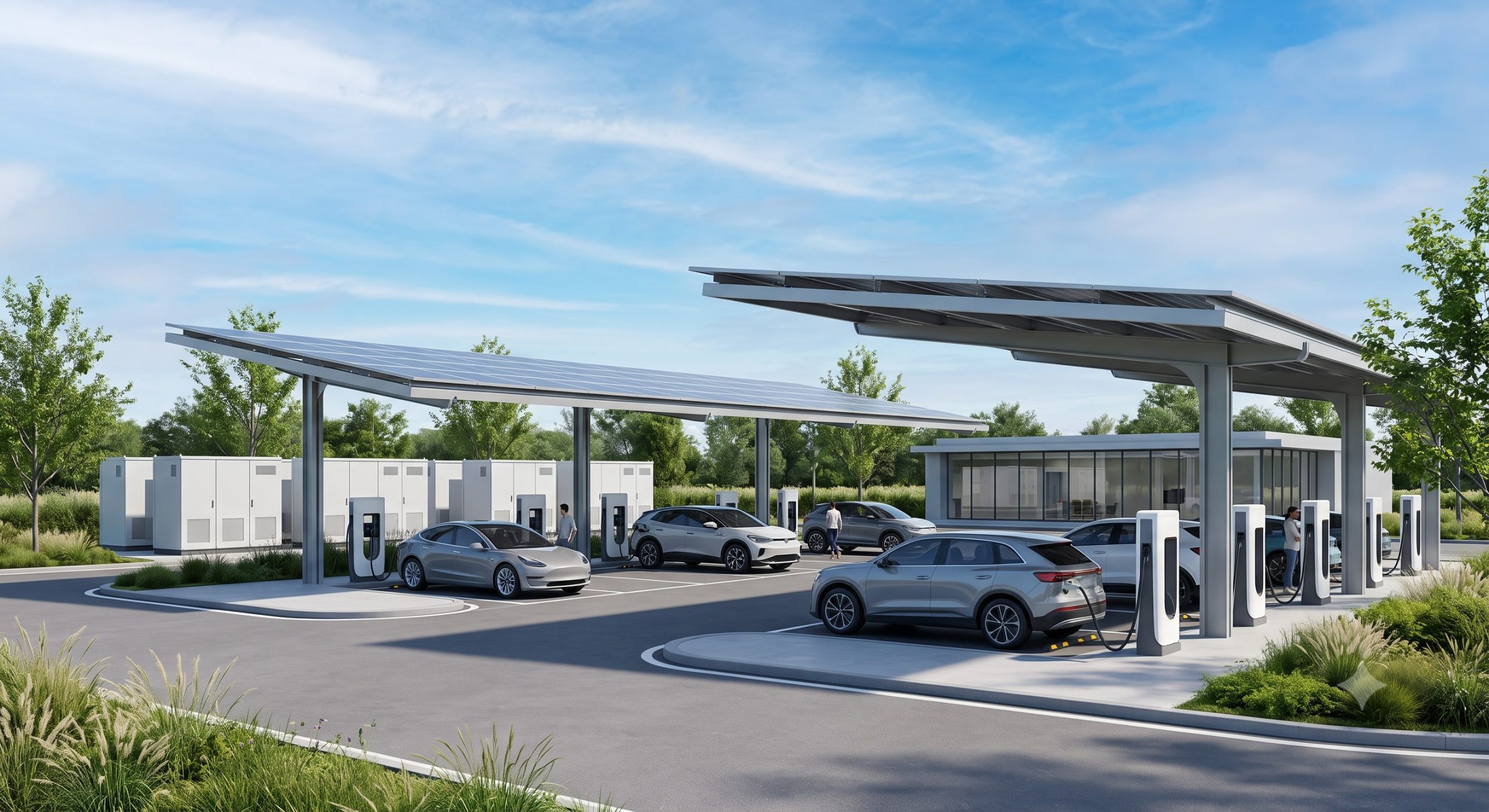
- PV-Storage-Charging Stations: Used to buffer renewable energy from solar canopies, enabling rapid EV charging without stressing the local grid infrastructure .
- Telecom and Data Centers: Provides high-reliability backup power in a compact, wall-mounted form factor to ensure uptime for critical IT infrastructure .
- Micro-grids: Serves as the foundational building block for scalable, off-grid and grid-connected micro-grids, particularly in regions with unstable grid power .
Conclusion
The 5kWh wall-mounted battery represents a sophisticated, compliant, and highly effective tool for the modern C&I energy manager. Its engineering is defined not just by its 5kWh capacity, but by the rigor of its safety certifications (UL 9540, IEC 62619, UN38.3), the robustness of its LFP cell chemistry and BMS, and its proven economic viability through peak shaving and grid support. For B2B buyers, selecting a system with these attributes and demonstrable factory audits ensures a defensible investment that aligns with both sustainability goals and operational financial targets, driving the zero-carbon migration forward.