The Energy Security Mandate for Modern Homes
The global shift toward decentralized energy generation has accelerated the demand for robust, high-performance residential storage solutions. For industry insiders, system architects, and procurement specialists, the high-voltage residential battery has emerged as the definitive asset for maximizing solar self-consumption, ensuring backup resilience, and participating in lucrative utility programs. Unlike conventional low-voltage alternatives, modern high-voltage systems—operating in the 85V to 900V+ range—deliver superior round-trip efficiency and enable the high instantaneous power required for modern homes with heat pumps and electric vehicle charging . For the B2B buyer, understanding the technical nuances, safety certifications, and commercial ROI of these systems is no longer optional.
Core Architecture & Battery Management Systems
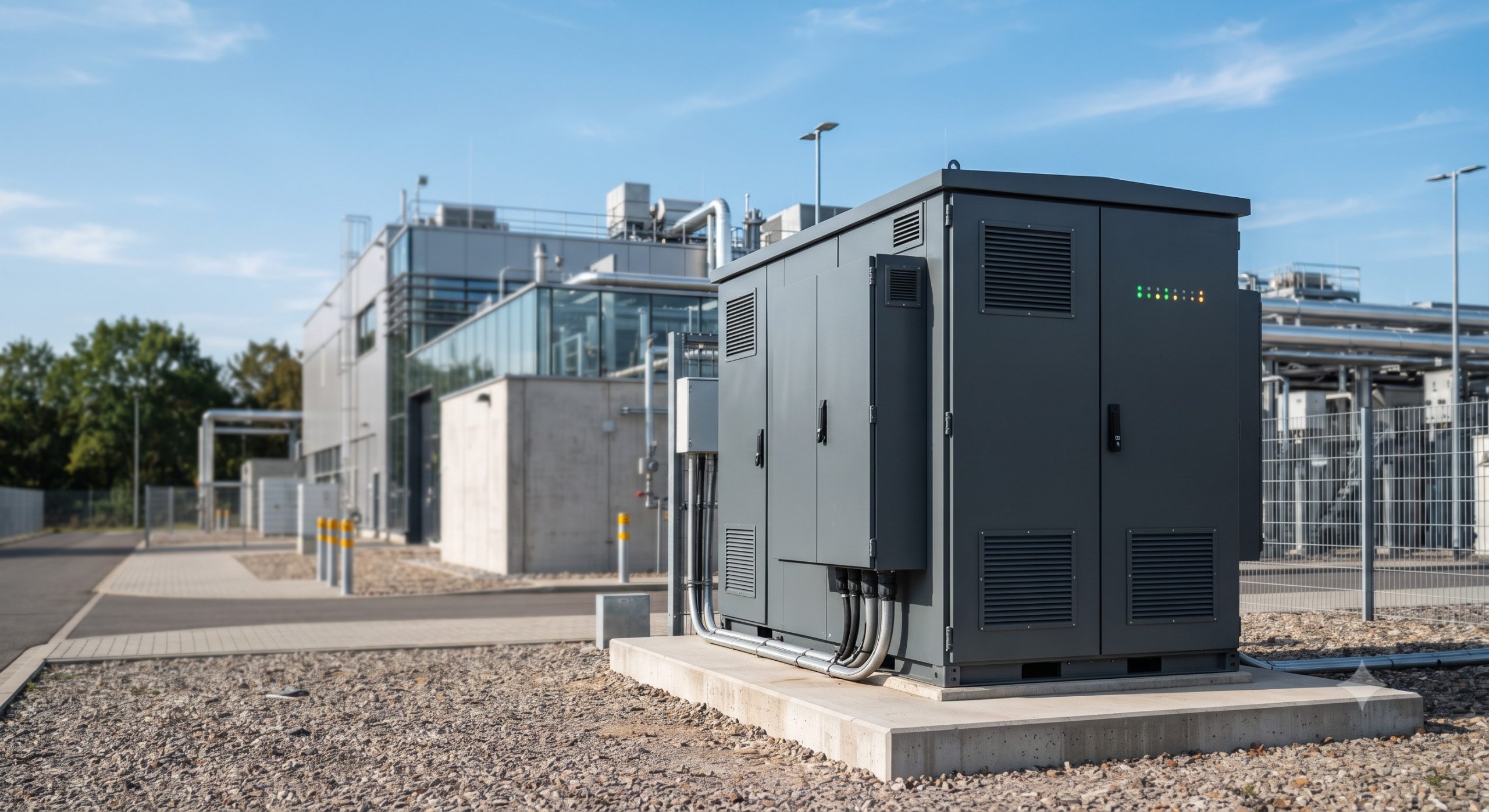
The evolution from distributed low-voltage architectures to centralized series-stacked designs is the cornerstone of the high-voltage residential battery revolution. By connecting multiple battery modules in series, these systems achieve nominal voltages exceeding 400V—matching EV battery architectures—which drastically reduces current draw. This fundamental shift minimizes thermal losses and allows for significantly smaller and lighter cabling, reducing balance-of-system costs .
Modular Design Paradigms
Industry leaders are increasingly adopting stackable, rackless designs that optimize energy density. For instance, products like the Dyness Stack100 feature a plug-and-play concept, enabling an installation time of just 30 minutes for systems scaling up to 15 modules . Similarly, the LIVOLTEK BHF series utilizes a modular stacking design (IP65 rated) allowing for floor or wall mounting, with capacities scaling from 5.1 kWh to 30.7 kWh . On the high-end, systems like the SolarEdge Nexis allow for parallel operation, pushing total capacity beyond 78 kWh .
Intelligent BMS and Thermal Management
A sophisticated Battery Management System is critical for the longevity and safety of these units. The BMS handles real-time monitoring, cell balancing, and communication via CAN/RS485 protocols . Regarding thermal control, while liquid cooling is dominant in utility-scale storage, the current generation of high-voltage residential batteries predominantly uses intelligent natural or forced-air cooling. However, advanced thermal balancing features are standard, ensuring optimal operating temperatures across modules. Data suggests that high-voltage systems achieve peak efficiencies exceeding 96% due to lower thermal load and reduced current .
Technical Specifications & Standards Compliance
For institutional buyers and system architects, compliance with rigorous international standards is non-negotiable. Reputable high-voltage residential battery systems must adhere to IEC 62619 (safety requirements for secondary lithium cells), UL 9540 (energy storage systems and equipment), and UN 38.3 (transportation safety). Products like the Gerchamp GRHV and the Renon Xtreme HV explicitly list these certifications, validating their viability for global projects .
When evaluating Tier-1 LFP (Lithium Iron Phosphate) cell performance, buyers should focus on total energy (kWh), usable energy (determined by DoD), and cycle life. The following table outlines key metrics from leading systems:
| Key Parameter | Technical Specification |
|---|---|
| Battery Chemistry | Tier-1 LFP (Lithium Iron Phosphate) / Cobalt-Free |
| Nominal Voltage Range | 85V – 900V+ (e.g., 204.8V, 307.2V, 614.4V) |
| Total Energy Capacity | 5.1 kWh – 89.07 kWh (Scalable via parallel connections) |
| Round-Trip Efficiency | ≥ 96% (Peak efficiency achieved at nominal operation) |
| Cycle Life | > 6,000 – 8,000 cycles @ 90% DoD |
| Depth of Discharge (DoD) | 90% (Industry standard for usable energy capacity) |
| Maximum Output | Up to 15 kW – 50.18 kW (depending on system configuration) |
| Safety & Compliance | IEC 62619, UL 9540, CE, UN38.3, VDE 2510-50 |
| Ingress Protection | IP65 – IP66 (Suitable for indoor & outdoor installation) |
Commercial ROI and Grid Support Capabilities
The business case for procuring a high-voltage residential battery is anchored in the Levelized Cost of Storage (LCOS) and peak-shaving potential. While high-voltage systems carry a 20-30% CAPEX premium over low-voltage units, they offer a 90%+ round-trip efficiency and extended cycle life (often exceeding 8,000 cycles), breaking even typically within 5 to 6 years under high-tariff structures . This efficiency is crucial for capturing Demand Response and Virtual Power Plant (VPP) opportunities, where the system must respond rapidly to grid signals .
VPP Readiness and Smart EMS
Modern systems are increasingly equipped with smart Energy Management Systems (EMS) that interface with Wi-Fi and OTA updates, allowing for optimized energy dispatch. The integration of an EMS enables dynamic peak shaving and load shifting, flattening the load curve and reducing peak demand charges . The Fronius GEN24 Plus, paired with Renon batteries, exemplifies this synergy, offering intelligent, future-ready energy independence and earning UL 9540A safety validation for the combined system .
Deployment Scenarios
The versatility of the high-voltage residential battery extends beyond single-family homes. Its scalable architecture makes it ideal for applications ranging from luxury villas and multi-tenant dwellings to small commercial and industrial (C&I) sites.
PV-Storage-Charging Synergy
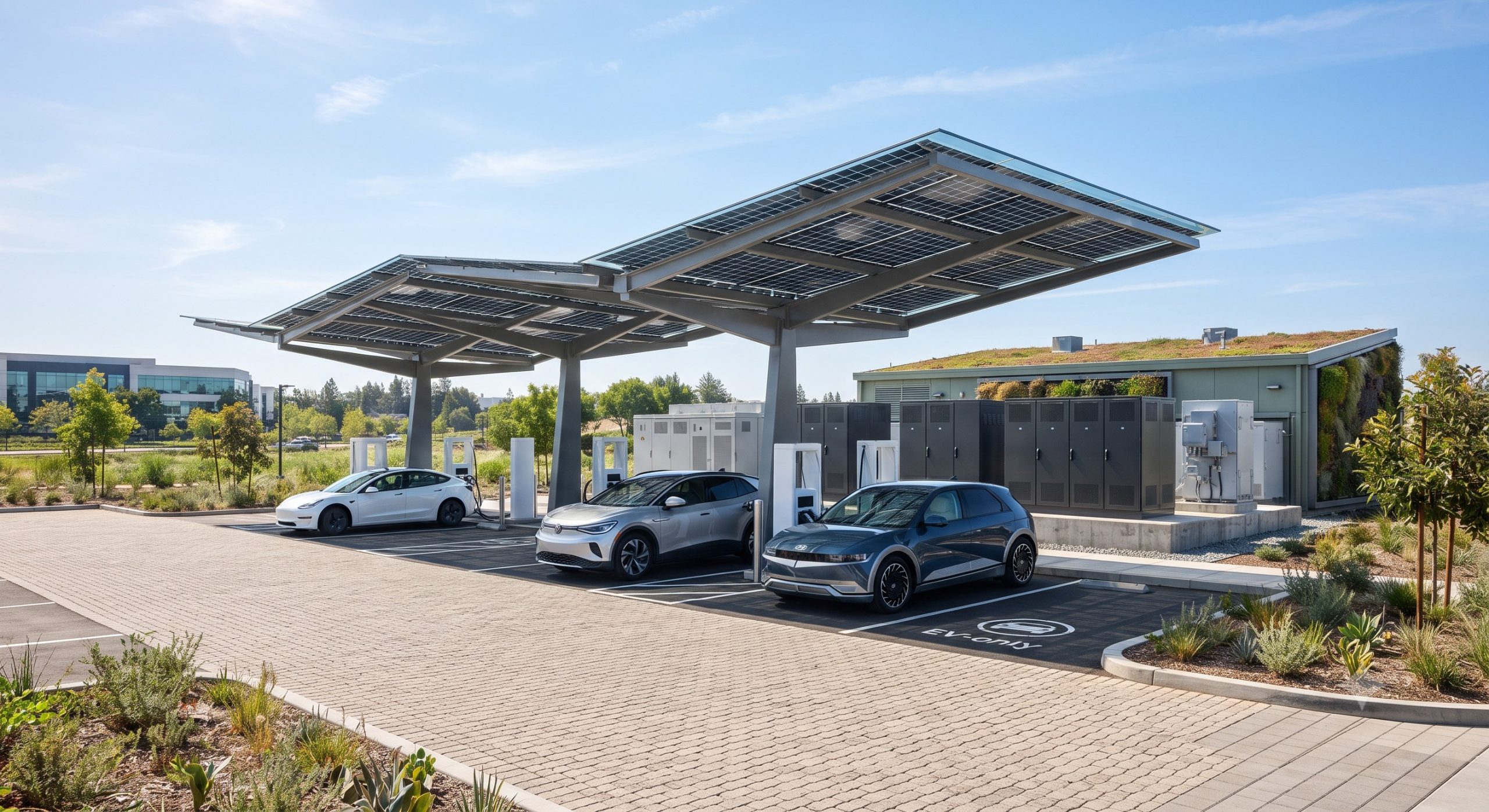
Integrating these systems with PV arrays and EV superchargers is a growing trend. The high discharge current (e.g., 100A continuous) supports high-inrush appliances and simultaneous EV charging, effectively decarbonizing the facility’s transportation sector . For micro-grid applications, a stackable architecture with high surge power ensures seamless off-grid transitions and enhances overall facility resilience .
The Strategic Roadmap for Procurement
In summary, the transition to a high-voltage residential battery is a strategic imperative for stakeholders aiming to future-proof their energy assets. The selection process should prioritize Tier-1 LFP cells, verify full compliance with IEC 62619 and UL 9540 standards, and evaluate the modularity and scalability of the system. As the industry moves toward even higher voltages and deeper VPP integration, systems that offer advanced BMS and remote firmware upgrades will deliver the highest long-term asset value. The data is clear: high-voltage architecture offers the lowest lifetime cost per kWh for modern, high-demand energy consumers .