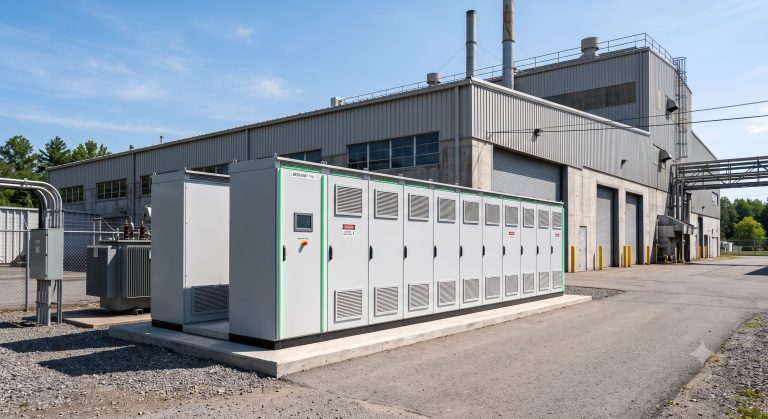
Introduction: The Hidden Complexity of Moving MWh-Scale Assets
In the rapidly maturing Commercial & Industrial (C&I) energy storage sector, procurement managers and EPCs have become experts in evaluating LFP battery chemistry, round-trip efficiency, and peak-shaving ROI. However, a critical logistical and engineering bottleneck is frequently overlooked during the tendering phase: Container ESS transportation. Transporting a 20-foot or 40-foot containerized Battery Energy Storage System (BESS) is not merely a freight forwarding exercise; it is a high-stakes engineering operation involving UN38.3 dangerous goods compliance, structural dynamics, and State of Charge (SoC) management to prevent catastrophic cell degradation. As the industry scales from single-cabinet commercial units to multi-megawatt micro-grids, the ability to safely and cost-effectively mobilize these assets across global supply chains directly impacts the Levelized Cost of Storage (LCOS). This guide serves as a definitive system architect’s blueprint for navigating the complex regulatory, thermal, and logistical landscape of Container ESS transportation.
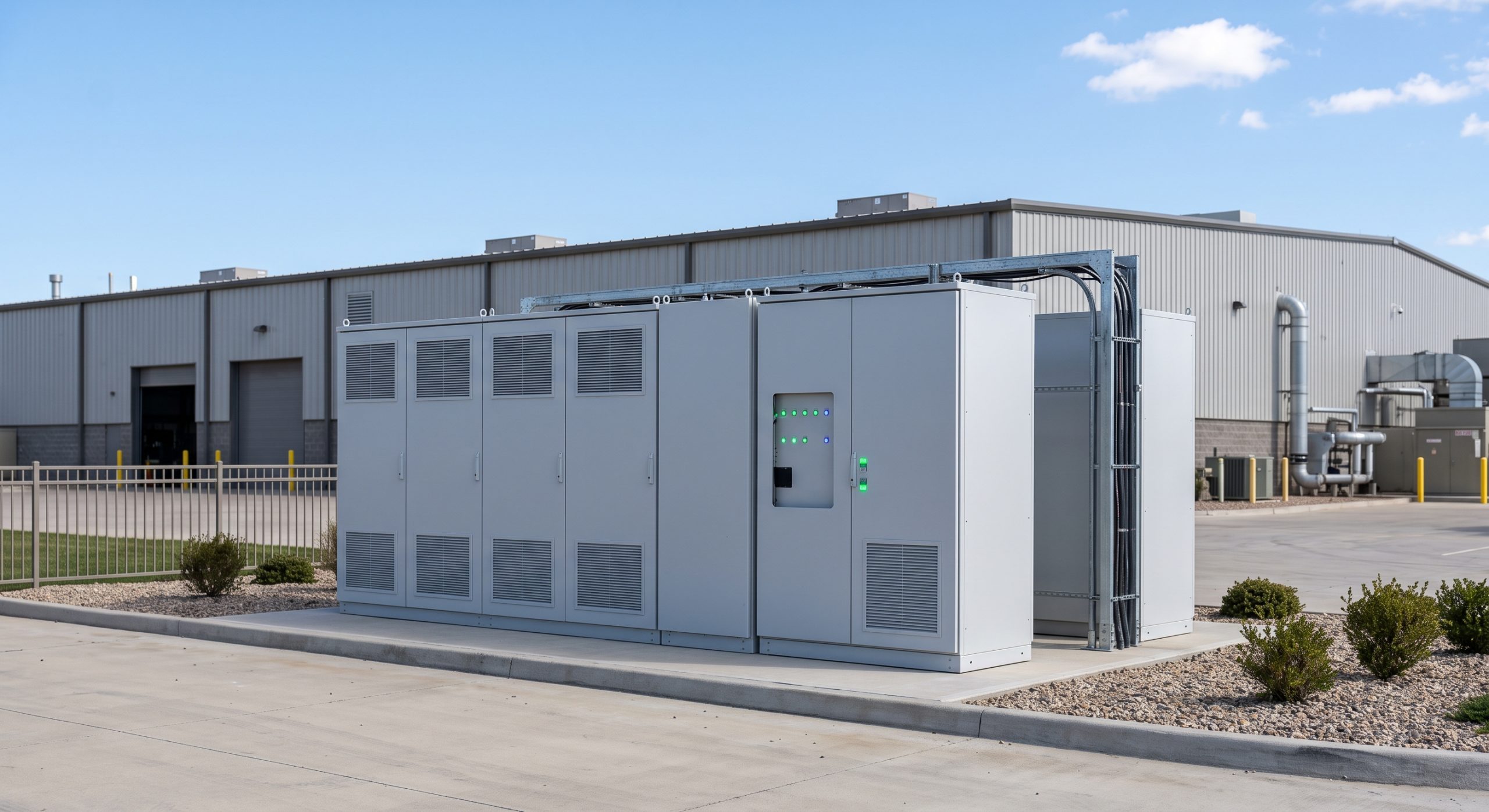
Core Architecture & Transportation-Specific Engineering
The modern Container ESS transportation framework demands a paradigm shift in system architecture. Unlike static installations, a transport-ready BESS must be engineered to withstand multimodal shocks (road, rail, sea) while maintaining the integrity of its Liquid Cooling loops and BMS (Battery Management System) communications.
Structural Integrity and ISO Certification
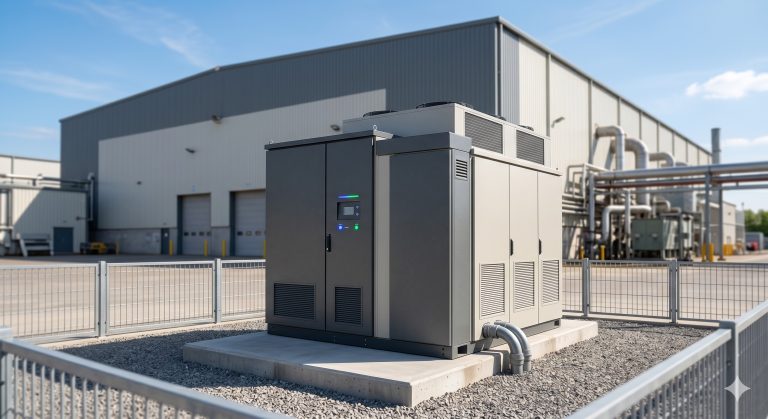
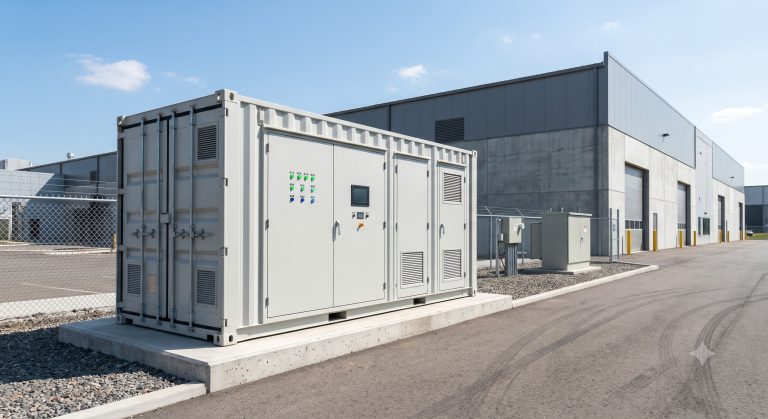
The foundation of safe transit is the container envelope itself. High-capacity systems (ranging from 500 kWh to 6.7 MWh) typically utilize 20ft or 40ft High Cube ISO containers. During Container ESS transportation, the racking system must endure significant dynamic forces. We recommend verifying that the structural design adheres to IEC 62619 and relevant maritime shock standards, ensuring the internal module brackets can withstand 1.5g vertical and 1.0g lateral acceleration without deformation.
Thermal Control During Transit
Maintaining optimal internal temperatures (typically 20-25°C) during ocean freight is a formidable challenge. While Liquid Cooling plates offer superior thermal uniformity (cell delta <3°C) compared to air cooling during operation, during transport, the system must often be placed in a dormant state. However, for long-haul sea voyages through tropical climates, the HVAC system may need to operate in a low-power ‘Transport Mode’ powered by auxiliary shore power or a dedicated Auxiliary Power Unit (APU) to prevent electrolyte freezing or thermal runaway initiation due to external ambient heat.
Battery Management in Transit
The single most critical parameter for Container ESS transportation is the State of Charge (SoC). Transporting lithium-ion batteries at 100% SoC accelerates calendar aging and increases the risk of thermal events. Conversely, a deeply discharged state (<10%) can lead to copper dissolution and irreversible capacity loss. Industry best practices dictate that Tier-1 LFP cells be transported at a nominal 30%-50% SoC. The BMS must be set to a ‘Sleep Mode’ to minimize parasitic loads, while still allowing for periodic SoC polling during extended storage.
Global Compliance & Regulatory Framework
Navigating the legal labyrinth of Container ESS transportation requires strict adherence to international and local regulations. Failure to comply results in port seizures, fines, and catastrophic project delays.
UN38.3 and Dangerous Goods
All lithium batteries must pass the UN38.3 testing regimen. For containerized systems, the entire system or representative modules must hold a UN38.3 Test Summary. For sea freight, the system falls under UN 3536 (Lithium batteries installed in cargo transport units). Shippers must prepare a Dangerous Goods Declaration and ensure the container is labeled with the correct Class 9 hazard placards.
UL 9540 and CE Marking
While UL 9540 is primarily a deployment standard for North America, the transportation phase requires that the system has passed the UL 9540A cell-level thermal runaway propagation test. This ensures that even if a transport incident occurs, the fire suppression system integrated into the container can mitigate propagation. For European deployment, CE marking and adherence to IEC 62619 for industrial battery safety are non-negotiable prerequisites for port clearance.
Technical Specifications & Transport Parameters
The following table outlines the critical engineering metrics that must be validated before, during, and after the Container ESS transportation phase. These parameters dictate the logistics strategy, insurance premiums, and final commissioning success.
| Key Parameter | Technical Specification | Transport & Logistics Implication |
|---|---|---|
| Battery Chemistry | Tier-1 LFP (Lithium Iron Phosphate) | Higher thermal stability, requires UN38.3 Class 9 labeling |
| Cycle Life | >8000 cycles @ 90% DoD, 25°C | Transport SoC must be 30-50% to avoid calendar aging |
| System Capacity | 500 kWh to 6.7 MWh (20ft/40ft Container) | Gross weight >30 tons, requires low-boy trailer & crane |
| Round-trip Efficiency | >95% (DC-DC) | BMS Sleep Mode minimizes parasitic drain in transit |
| Thermal Management | Liquid Cooling (Cell Delta <3°C) | HVAC Transport Mode required for tropical sea freight |
| Ingress Protection | IP54 (Container) / IP67 (Modules) | Corrosion protection for ocean salt-spray exposure |
| Safety Certifications | IEC 62619, UL 9540A, UN38.3, CE | Port clearance prerequisite; DG declaration mandatory |
| Communication Protocol | Modbus TCP/IP, IEC 61850 | Pre-configured for rapid VPP & Grid Dispatch post-arrival |
Commercial ROI & Grid Support Implications
The logistics of Container ESS transportation have a direct, quantifiable impact on the project’s Total Cost of Ownership (TCO). Unoptimized transport can add 5-10% to the CapEx due to specialized handling, insurance, and potential re-work upon arrival.
LCOE and Cycle Life Preservation
If a system is transported at an incorrect SoC or exposed to excessive vibration, the Cycle Life (rated at >8000 cycles @ 90% DoD) can be severely compromised before the first cycle even begins. A 5% loss in capacity due to transport-induced degradation translates directly to a higher LCOS. By enforcing strict transport SoC and shock logging, asset owners protect their peak-shaving revenue model.
Grid Support and VPP Readiness
Once the container arrives on-site, the speed of commissioning determines how quickly it can begin providing frequency regulation and demand response services. A transport-ready design features pre-terminated busbars, plug-and-play PCS (Power Conversion System) connections, and pre-commissioned EMS (Energy Management System) logic. This modular approach enables rapid integration into Virtual Power Plant (VPP) networks, allowing the asset to generate revenue weeks ahead of schedule.
Deployment Scenarios & Transport Logistics
The final leg of Container ESS transportation—from the port to the industrial park or EV supercharging station—often presents the most significant logistical hurdles. This requires careful route surveying for low bridges, weight restrictions, and crane accessibility.
Industrial Park Micro-Grids
For industrial parks seeking energy independence, the BESS container must be positioned near the main switchgear. Transportation planning must account for the crane’s lifting radius and the container’s >30-ton gross weight. The integration with existing PV-Storage-Charging infrastructure requires that the transport phase includes a detailed ‘as-built’ survey to ensure the container’s cable entry points align with the pre-installed conduit.
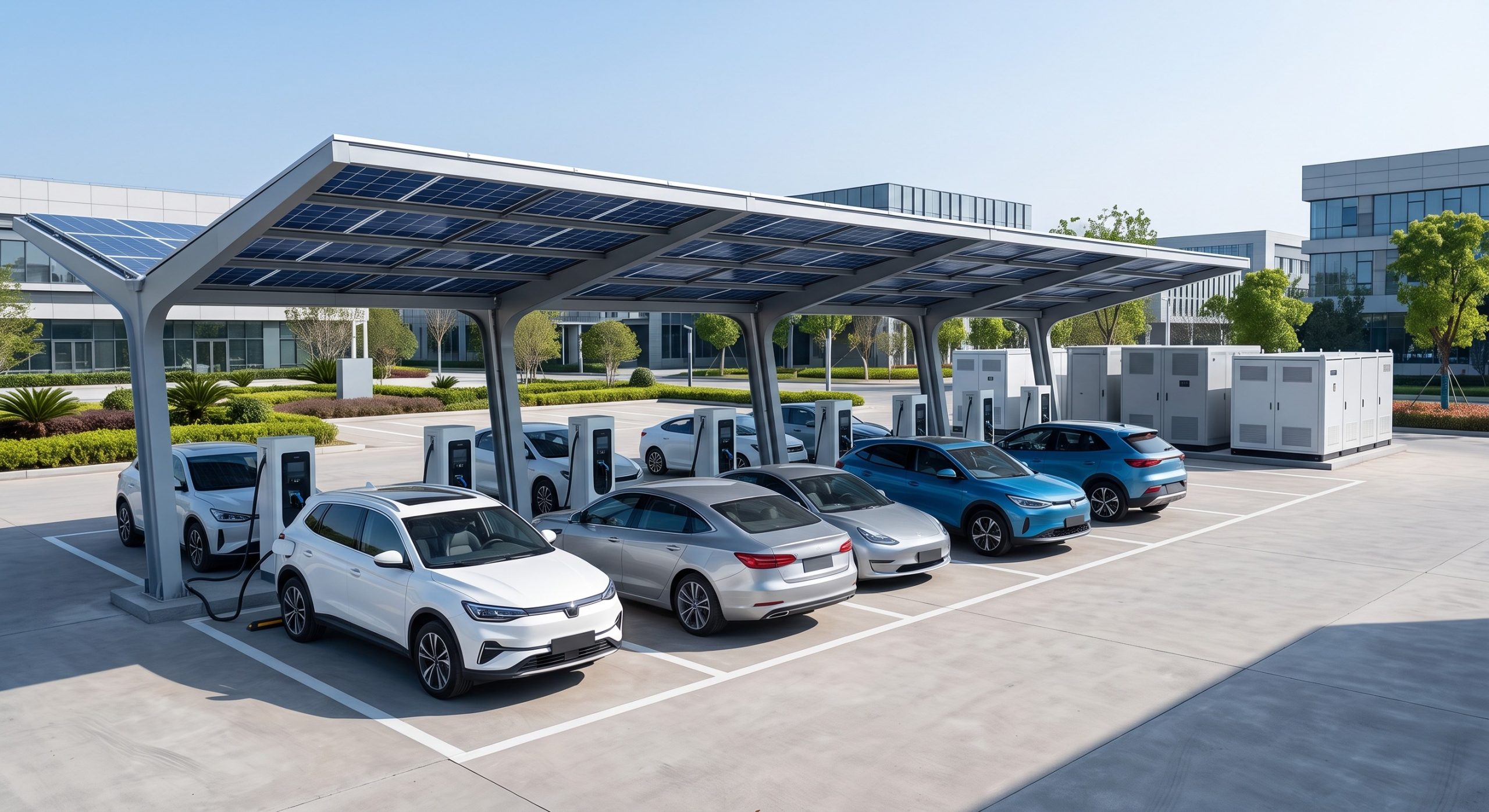
EV Supercharging Stations
In the PV-Storage-Charging (光储充) model, space is at a premium. The Container ESS transportation strategy must account for the tight turning radii of urban charging hubs. Often, the container is delivered on a specialized low-boy trailer and offloaded using a reach stacker or gantry crane before being skidded into its final foundation. The structural integrity of the container base is tested here, requiring robust ISO 1496 corner castings.
Conclusion: A Strategic Imperative for B2B Procurement
Container ESS transportation is no longer a back-office logistics task; it is a core competency for successful renewable energy deployment. From managing UN38.3 compliance and Class 9 dangerous goods declarations to ensuring the BMS maintains a 30-50% SoC during ocean transit, every detail impacts the asset’s long-term round-trip efficiency and safety. As the industry moves toward MWh-scale deployment and zero-carbon migration, the companies that master the complexities of Container ESS transportation will unlock superior LCOE advantages, faster commissioning times, and enhanced grid resilience. Before signing your next procurement contract, ensure your supplier provides a comprehensive transport and commissioning protocol—because the journey is just as critical as the destination.