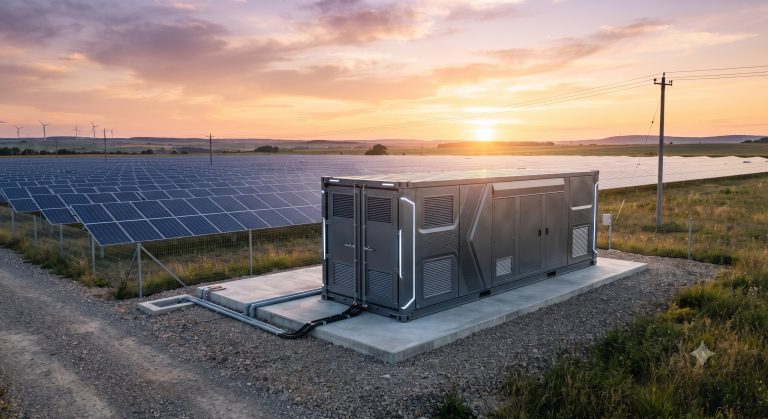
COMMERCIAL SYSTEMS ENGINEERING REFERENCE MANUAL: ESS ENVIRONMENTAL OPERATING LIMITS MANUAL
EXECUTIVE SUMMARY
This document serves as the definitive engineering reference for the environmental operating parameters of our grid-scale and commercial & industrial (C&I) energy storage systems (ESS). It is intended for system integrators, facility engineers, and procurement specialists who require a rigorous understanding of the hardware’s resilience and performance envelopes. The core battery platform is engineered around Tier-1 LFP (Lithium Iron Phosphate) cells, renowned for their thermal stability and long cycle life, and is managed by a proprietary intelligent liquid cooling system. This manual details the exacting thresholds for temperature, humidity, altitude, and ingress protection that define the operational limits of the system, ensuring maximum asset availability and safety across diverse global deployment scenarios.
SYSTEM ARCHITECTURE & SAFETY
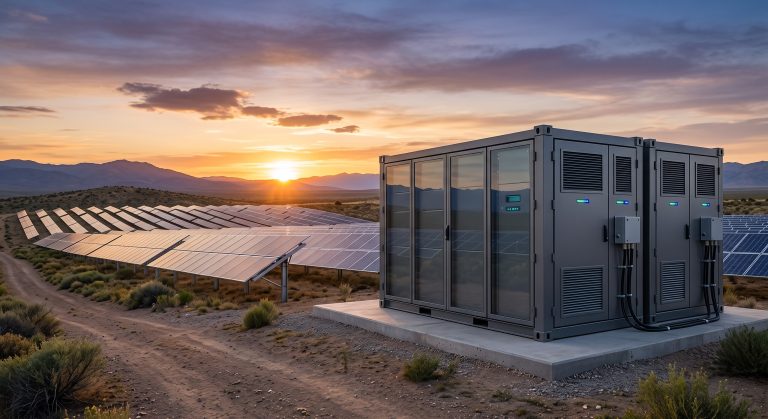
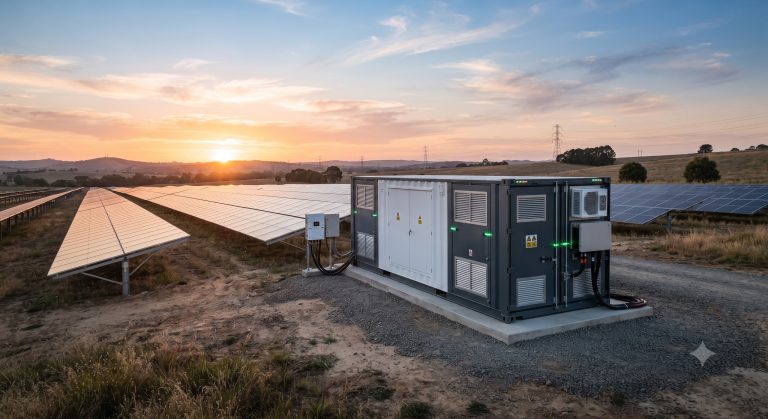
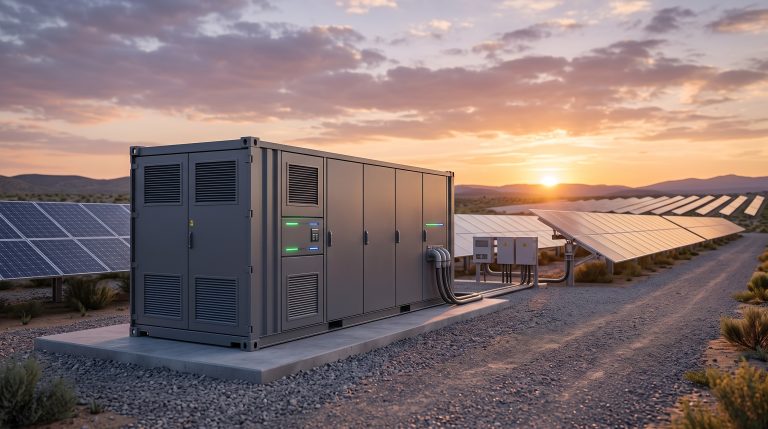
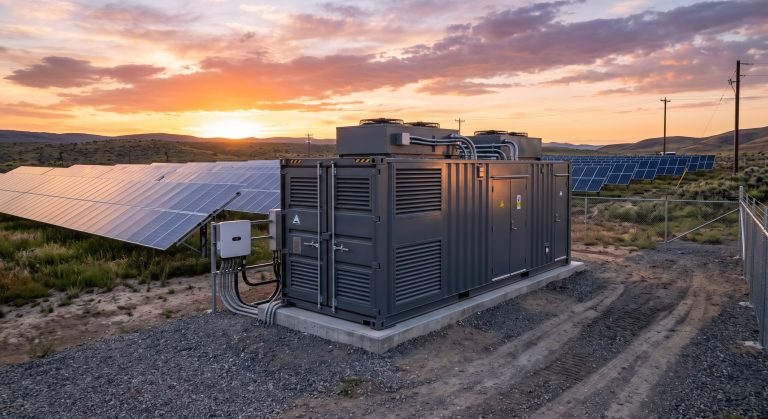
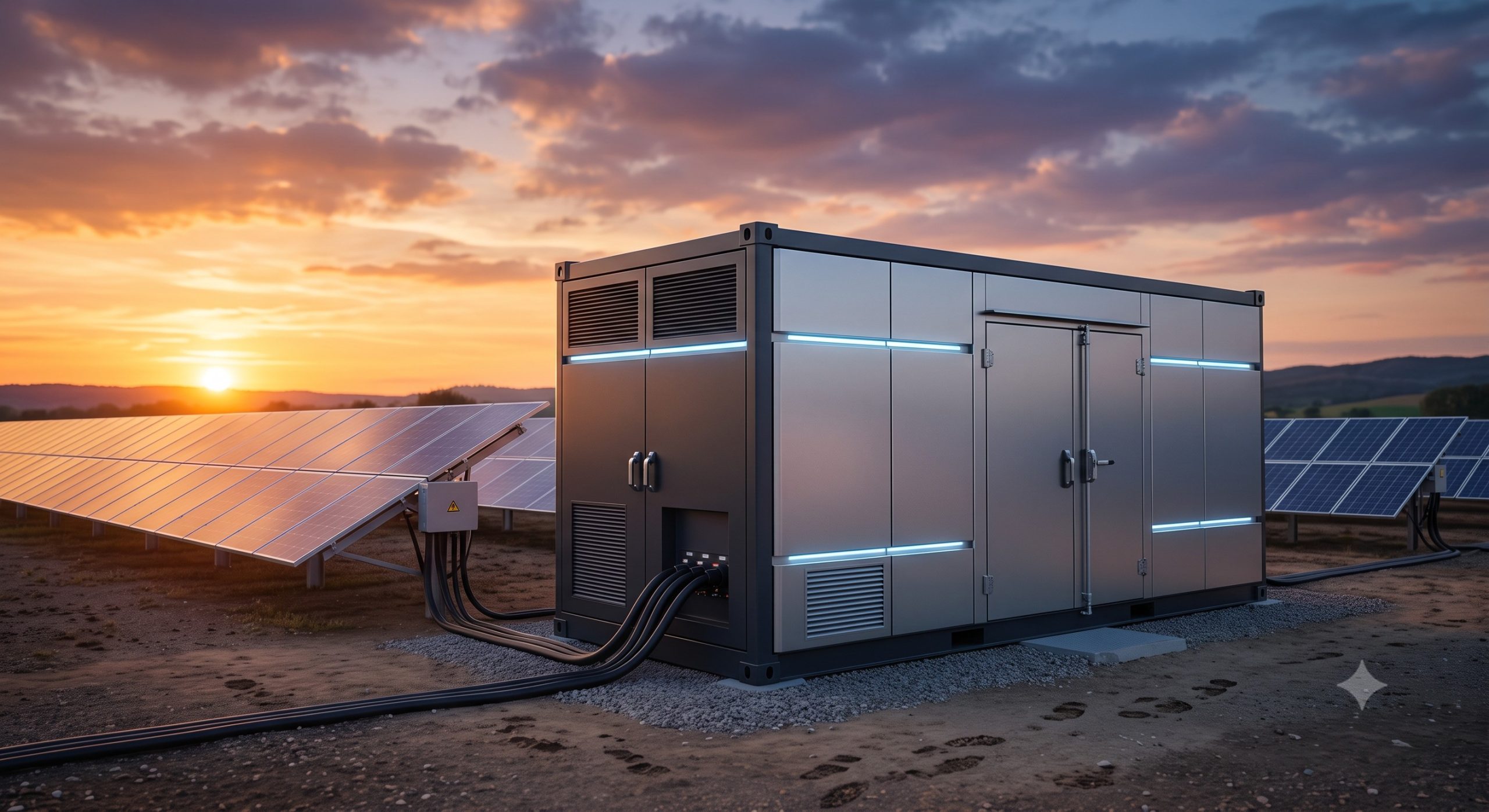
The system architecture is built on a modular, containerized platform designed for rapid deployment and scalable expansion. The primary safety and operational logic is governed by a three-tiered management system: the Battery Management System (BMS), the Energy Management System (EMS), and the Power Conversion System (PCS). The BMS provides cell-level monitoring and balancing, while the EMS orchestrates overall system dispatch and grid interaction. The PCS facilitates bi-directional power flow, ensuring seamless grid inter-connection. The chassis is constructed from heavy-gauge steel with a corrosion-resistant coating, providing a robust IP54 or IP55 environmental enclosure as standard, with options for higher ingress protection for particularly harsh or coastal environments.
KEY FEATURES
– Feature 1: Intelligent Liquid Cooling: A closed-loop liquid cooling system maintains optimal cell temperature uniformity within a ±2°C range, significantly enhancing battery life, reducing the risk of thermal runaway, and allowing for stable operation in ambient temperatures ranging from -30°C to +55°C (with derating above 50°C).
– Feature 2: Wide Operational Temperature Window: The system is designed for reliable performance in extreme climates. Standard operational ambient temperature range is -20°C to +50°C. For extended high-temperature operation, a derating curve is applied to manage thermal stress and ensure long-term reliability.
– Feature 3: Comprehensive Environmental Sealing: The enclosure is designed with IP54 (dust-protected and water-splashing protected) as standard. Optional IP65 (dust-tight and water-jet protected) and C5-M (high corrosivity) ratings are available for deployment in demanding environments such as deserts, coastal areas, or high-humidity industrial zones.
– Feature 4: Advanced Active Balancing & BMS: The built-in BMS features an advanced active balancing algorithm that maximizes usable capacity and extends cycle life. It continuously monitors voltage, current, and temperature at the cell level to ensure operation remains within safe limits.
– Feature 5: Multi-Level Safety Suppression: A multi-level safety protocol is integrated, including cell-level fusing, module-level overcurrent protection, and a gas detection and exhaust system. An optional aerosol-based fire suppression system can be integrated for enhanced fire safety compliance.
COMPLIANCE & STANDARDS
The ESS platform is engineered to meet and exceed the most stringent international safety and performance standards, ensuring a bankable asset for any project. The system design and components are certified to:
– **IEC 62619**: Requirements for the safe operation of secondary lithium cells and batteries used in industrial applications.
– **IEC 62477-1**: Safety requirements for power electronic converter systems and equipment.
– **UN 38.3**: Transport of Dangerous Goods – Lithium batteries, ensuring safe logistics.
– **UL 9540** (Optional): Standard for Safety of Energy Storage Systems and Equipment, for projects requiring North American compliance.
– **ISO 13849** & **IEC 61508**: Functional safety standards for the control and protection systems.
– **CE, UKCA, and RCM** markings are standard, with a comprehensive certification matrix available upon request for specific regional requirements.
TECHNICAL SPECIFICATIONS
| Parameter | Specification |
|---|---|
| Nominal Capacity (per cabinet) | 215 kWh / 372 kWh / 1.5 MWh (configurable) |
| Cell Chemistry | Tier-1 LFP (Lithium Iron Phosphate) |
| Nominal Voltage | 768 V / 1500 V DC |
| Operating Voltage Range | 600 – 900 V / 1200 – 1500 V DC |
| Max. Charge / Discharge Current | 200 A / 300 A |
| Cooling Method | Intelligent Liquid Cooling (Closed-loop) |
| Operating Ambient Temperature | -20°C to +50°C (Full power) / -30°C to +55°C (With derating) |
| Storage Temperature | -30°C to +60°C |
| Relative Humidity | 0% – 95% (Non-condensing) |
| Ingress Protection (Chassis) | IP54 (Standard) / IP65 / C5-M (Optional) |
| Max. Operating Altitude | 2000 m (Above 2000 m, derating applies) |
| Cooling Fluid Type | De-ionized water / Ethylene Glycol mix |
| Cycle Life (at 25°C) | >8000 cycles (80% DOD, EOL 60%) |
INDUSTRIAL DEPLOYMENT
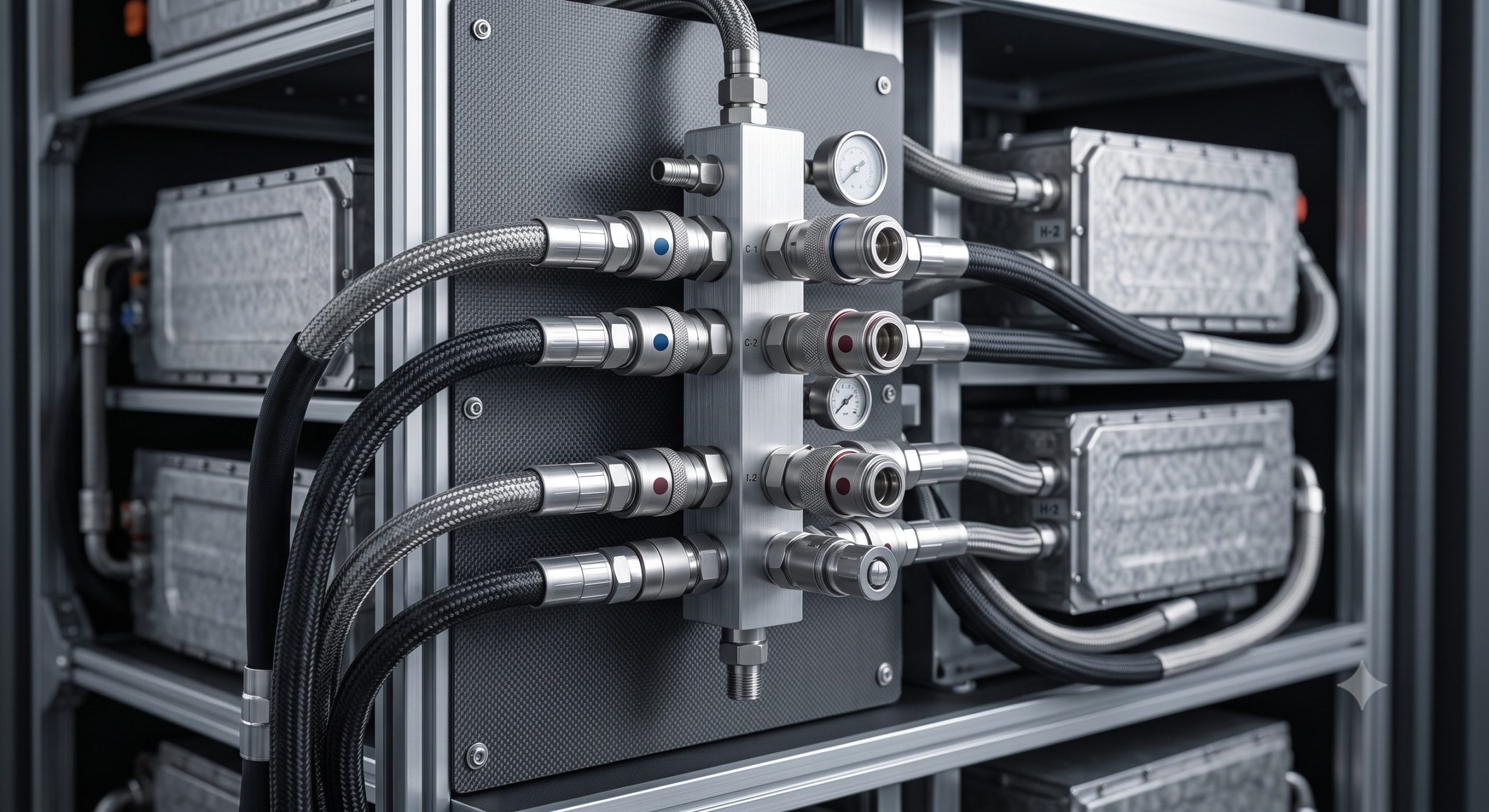
Field deployment of the ESS is designed to be straightforward, adhering to standard civil engineering practices. The unit is delivered as a pre-commissioned, fully integrated system, drastically reducing on-site installation time. A level, reinforced concrete pad is the primary requirement, with pre-defined points for cable entry and cooling system connections. The system is engineered for a 20-year design life, with routine maintenance limited to filter cleaning, coolant level checks, and visual inspections. Its modular design allows for straightforward parallel expansion, enabling projects to scale from 1 MWh to over 100 MWh with minimal engineering overhead. The environmental operating limits detailed in this manual are central to the system’s design philosophy, guaranteeing performance and safety from the hottest deserts to the coldest winter climates.
📥 Download Technical Specification
Click the button below to view or download the full official PDF datasheet.