PV-STORAGE-CHARGING INFRASTRUCTURE REFERENCE DESIGN GUIDE FOR UTILITY-SCALE ESS INTEGRATION
EXECUTIVE SUMMARY
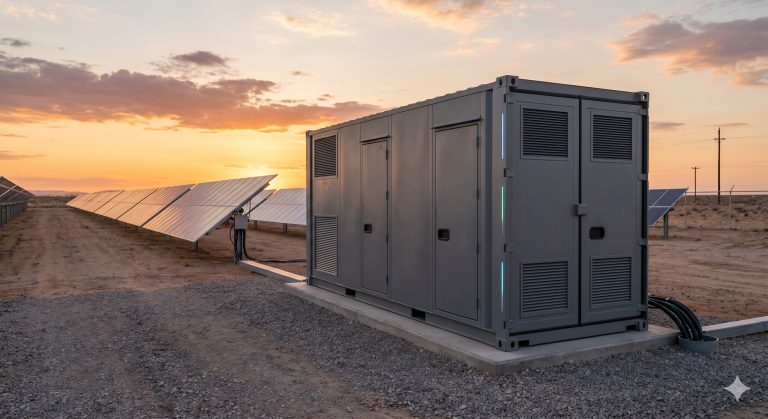
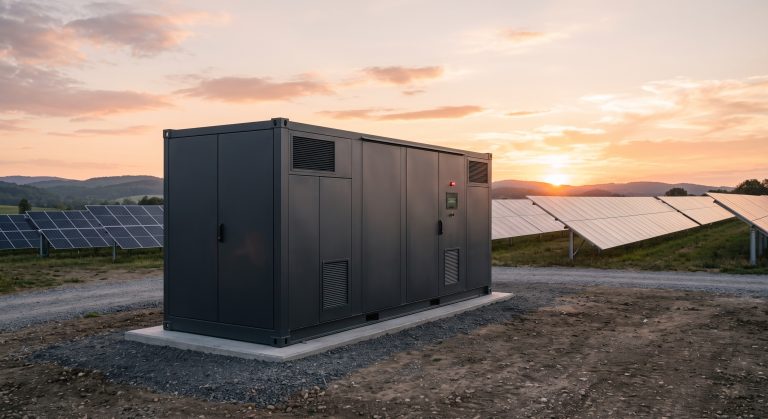
This reference document serves as a definitive engineering guide for integrating utility-scale Battery Energy Storage Systems (BESS) within photovoltaic (PV) and electric vehicle (EV) charging infrastructures. It addresses the critical technical challenges of renewable energy intermittency, grid instability, and peak demand management. Designed for project developers, EPC contractors, and utility engineers, this whitepaper outlines a harmonized system architecture that ensures high round-trip efficiency, sub-second grid response, and robust cybersecurity. The platform detailed herein establishes a new benchmark for PV-Storage-Charging synergy, enabling facilities to achieve 24/7 renewable utilization and accelerated ROI through advanced arbitrage logic.
SYSTEM ARCHITECTURE & SAFETY
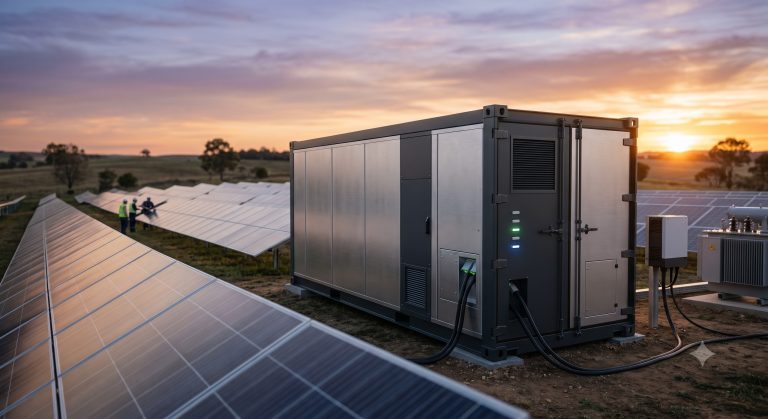
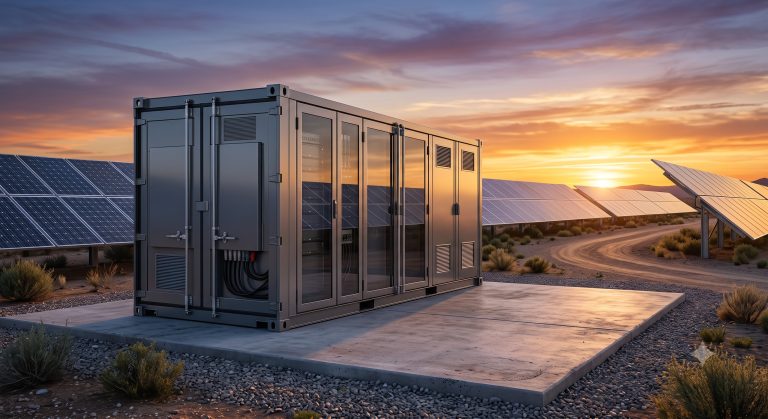
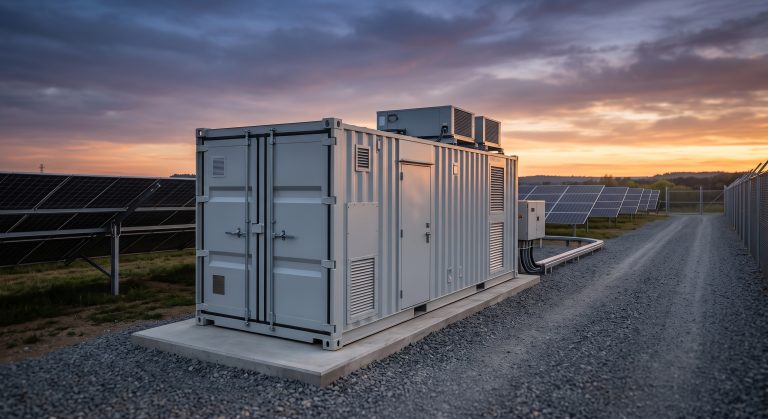
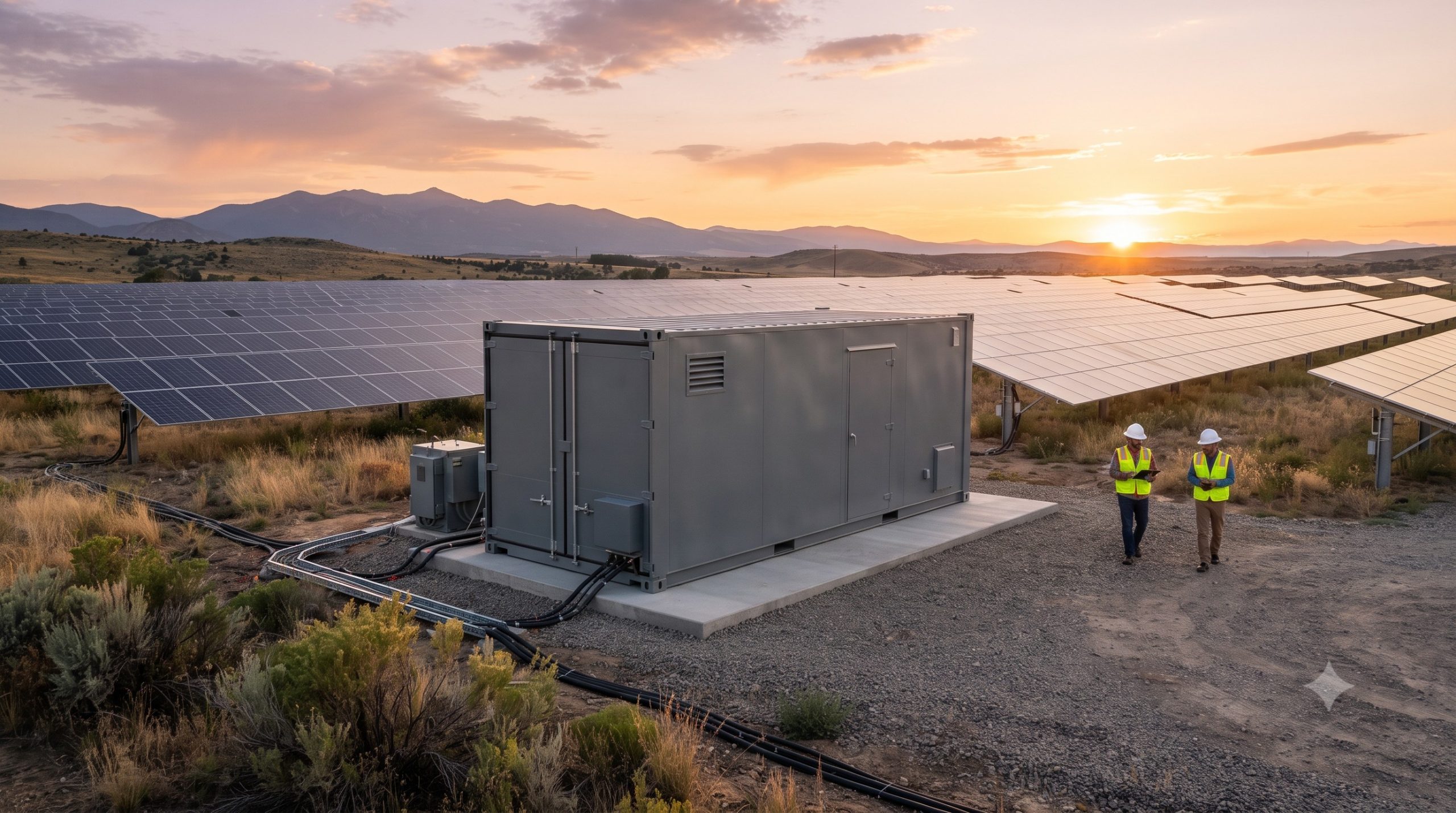
The core of the infrastructure is a modular, containerized BESS engineered for seamless DC/AC coupling with existing solar arrays and EV fast-charging hubs. The architecture employs a three-tier control hierarchy:
1. CENTRALIZED EMS: Executes predictive algorithms for load forecasting and optimal dispatch, interfacing directly with utility SCADA systems via IEC 61850 protocol.
2. DISTRIBUTED PCS: Bi-directional grid-interfacing power conversion systems (PCS) enable smooth islanding transitions and provide reactive power support (Volt/VAR) for grid code compliance (e.g., IEEE 1547).
3. CELL-LEVEL BMS: The Battery Management System (BMS) maintains a cell voltage balancing accuracy of < ±5mV, ensuring extended cycle life and enhanced safety across parallel expansion configurations.
SAFETY ENGINEERING
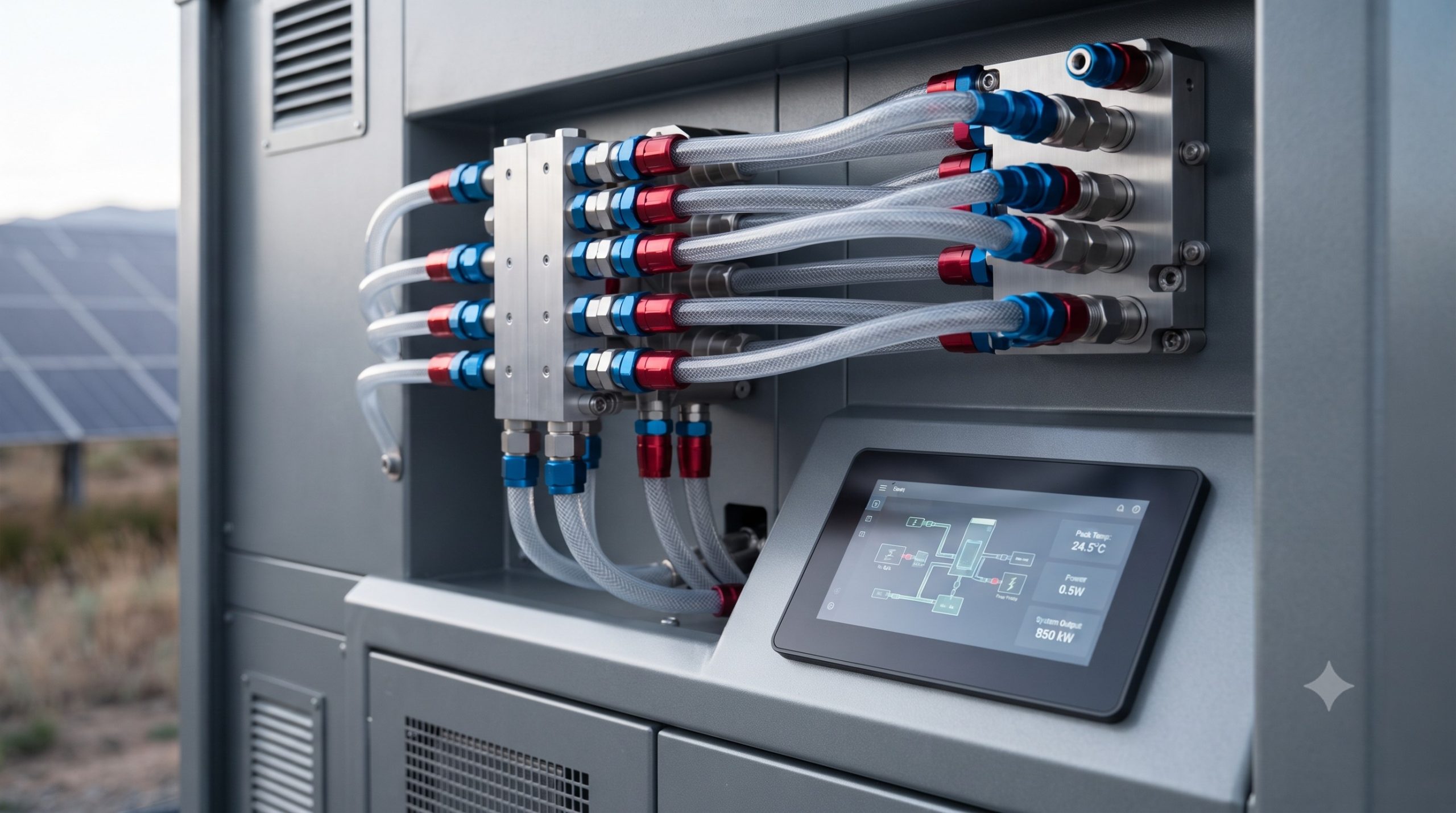
Safety is architected into every layer, featuring a five-stage defense-in-depth strategy. The system incorporates reinforced IP55/NEMA 3R outdoor housing, a dedicated liquid cooling loop with a leak detection system, and a UL 9540A-compliant thermal runaway suppression engine using aerosol-based fire extinguishing agents. Emergency stop (E-Stop) and anti-islanding protection are hardwired as fail-safe mechanisms.
KEY FEATURES
- Feature 1 - Advanced Thermal Regulation: The liquid cooling system maintains the battery pack temperature within a ±1°C variance across all modules, eliminating hot spots and maximizing calendar life. This precision increases usable capacity by up to 8% compared to traditional air-cooled systems in desert environments.
- Feature 2 - Intelligent PV-Storage Coordination: The EMS dynamically adjusts charge/discharge rates based on real-time PV yield and grid price signals, incorporating a proprietary "solar smoothing" algorithm that filters out ramping events caused by passing clouds.
- Feature 3 - Scalable DC-Busbar Architecture: Supports parallel expansion up to 100MWh+ per site via a standardized 1500V DC busbar. The system is pre-configured with multi-MPPT (Maximum Power Point Tracking) interfaces for high-voltage PV strings, reducing balance-of-plant costs.
- Feature 4 - Ultra-Fast Dispatch: Achieves a total system response time of < 50ms for active power regulation, qualifying the asset for primary frequency regulation (PFR) markets and grid-forming capabilities.
COMPLIANCE & STANDARDS
The system complies with the most stringent international regulations to ensure global bankability and expedited permitting. The hardware is fully certified for integration into commercial and industrial (C&I) environments as well as high-voltage transmission-connected systems.
- UL 9540 & UL 9540A: Certified for fire safety and thermal runaway propagation.
- IEC 62619: Functional safety requirements for industrial battery applications.
- IEC 60730: Automatic electrical controls for household and similar use (BMS compliance).
- IEEE 1547 / IEEE 2030: Standard for interconnection and distributed resource coordination.
- UN 38.3: Transportation safety for lithium batteries.
- Cybersecurity: Compliance with IEC 62443-3-3 for network-level security.
TECHNICAL SPECIFICATIONS
The core parameter matrix is defined below, highlighting the robust power and capacity range for utility-scale configurations. The platform is field-upgradable and supports mixed-chemistry integration for future sodium-ion or solid-state technology transitions.
| Parameter | Specification |
|---|---|
| Nominal Capacity (per standard block) | 372 kWh / 744 kWh (configurable) |
| Nominal Voltage (DC) | 1331.2 V (max 1500Vdc) |
| Cooling Method | Active Smart Liquid Cooling (Ethylene-Glycol/Water mix) |
| Cell Chemistry | Tier-1 LFP (Lithium Iron Phosphate) |
| Round-trip Efficiency | > 92% (0.5C, at 25°C) |
| Cycle Life | > 8,000 cycles @ 80% DoD, 25°C, EOL 70% SOH |
| Operating Temperature Range | -30°C to +55°C (ambient, derating above 45°C) |
| Ingress Protection | IP55 (battery enclosure) / IP65 (power electronics) |
| PCS Topology | Three-level IGBT, bi-directional, with 6-pulse active filtering |
| Grid Interfacing | AC 690V / 400V / 10kV (via external transformer) |
INDUSTRIAL DEPLOYMENT
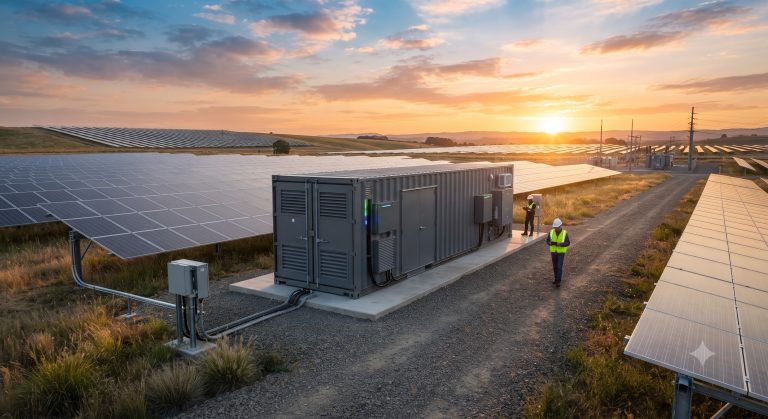
Deployment logistics are simplified via a pre-commissioned, turnkey cabinet design. All interconnections—including power cables, control wiring, Ethernet/IP, and the liquid cooling hoses—are front-accessible for rapid installation. The concrete pad requirements are minimized to a flat, level surface with integrated drainage, reducing civil works time by 30%.
A built-in O&M platform utilizes a cloud-based digital twin for predictive maintenance, remotely monitoring insulation resistance, contactor degradation, and valve actuation cycles. The system supports a 10-year performance guarantee with a throughput capacity of >6,000 cycles at 90% Depth of Discharge (DoD).
RECOMMENDED FACILITY LAYOUTS & CONCLUSION
For optimal performance, it is recommended to position the BESS centrally between the PV inverter yard and the EV charging plaza to minimize DC cabling losses. High-voltage AC disconnects and a delta-wye isolation transformer (optional) are supplied for medium-voltage interconnections up to 35kV.
This whitepaper confirms that the turnkey solution provides a fail-proof blueprint for utilities and industrial parks aiming to achieve high renewable penetration. By integrating the latest in liquid-cooled LFP technology, state-of-the-art grid logic, and robust compliance, the infrastructure ensures a reliable, profitable transition toward net-zero goals.
📥 Download Technical Specification
Click the button below to view or download the full official PDF datasheet.