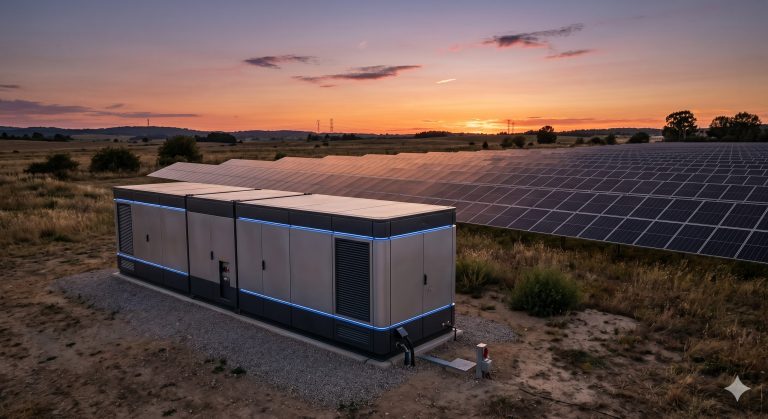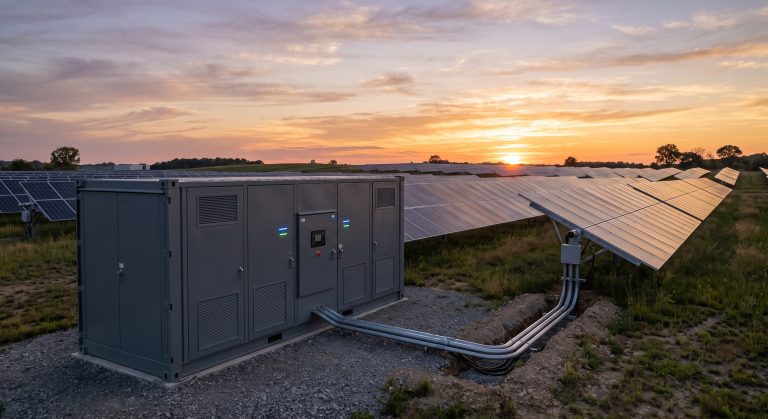
HIGH-VOLTAGE RESIDENTIAL BATTERY TECHNICAL PARAMETERS – OFFICIAL COMMERCIAL BESS TECHNICAL OVERVIEW & DATASHEET
EXECUTIVE SUMMARY
This document provides a comprehensive technical overview and performance datasheet for our next-generation High-Voltage Residential Battery Energy Storage System (BESS). Designed for modern smart homes and light commercial applications, this platform represents a significant advancement in energy density, safety, and grid interactivity. Leveraging Tier-1 Lithium Iron Phosphate (LFP) cell chemistry and a modular high-voltage architecture, the system delivers superior round-trip efficiency, enhanced backup power capabilities, and seamless integration with existing PV installations and EV charging infrastructure.
The platform is engineered to meet the rigorous demands of residential peak shaving, time-of-use arbitrage, and emergency backup, offering a scalable solution from 5 kWh to over 20 kWh per stack. Its compact, wall-mountable design and advanced Battery Management System (BMS) ensure a service life exceeding 6,000 cycles while maintaining the highest safety standards, including UL 9540 and IEC 62619 compliance. This datasheet serves as a definitive reference for system architects, installers, and end-users, detailing the core specifications, safety features, and operational advantages of this industry-leading storage solution.
SYSTEM ARCHITECTURE & SAFETY
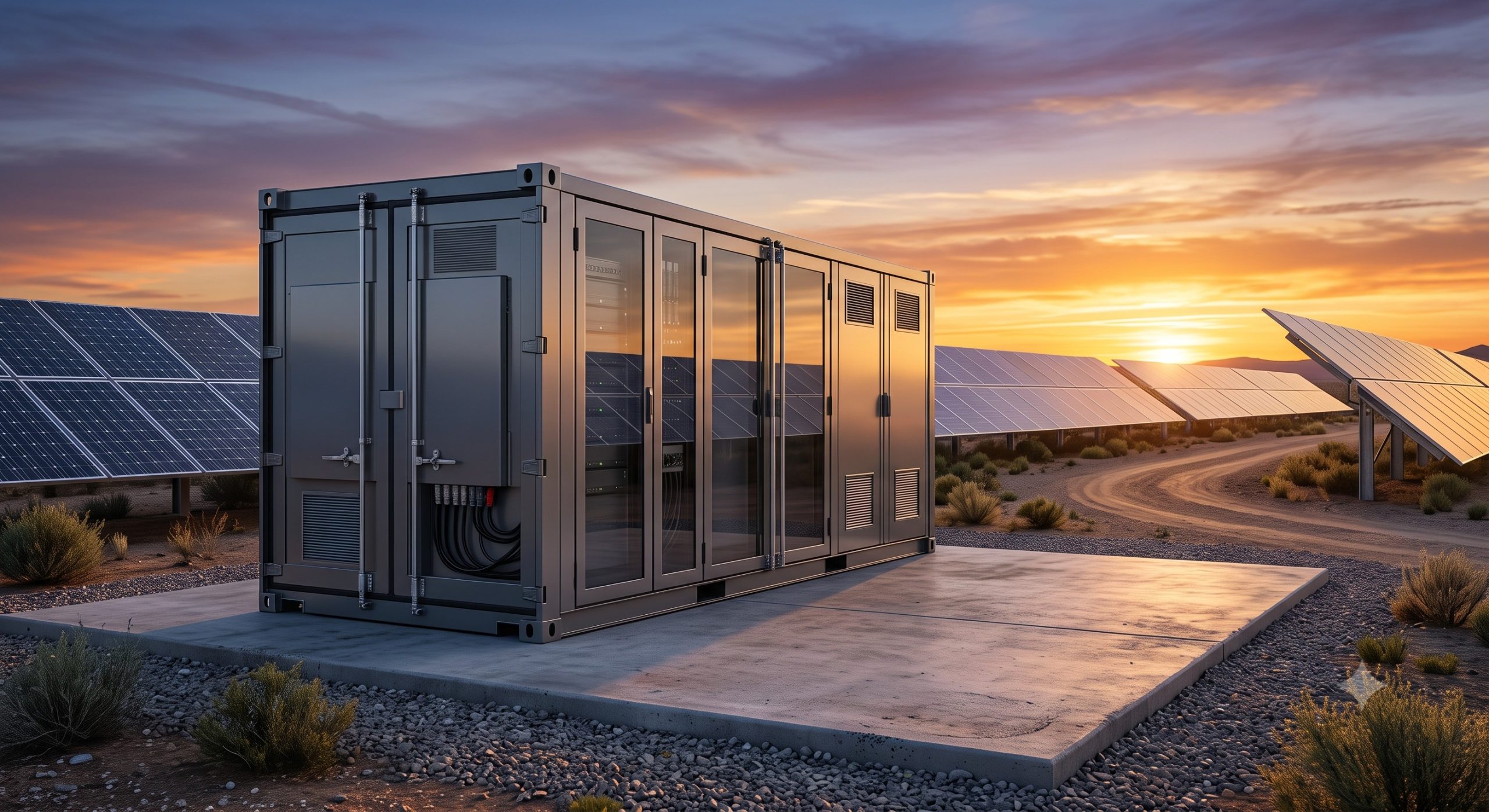
The high-voltage residential BESS is built upon a robust, modular architecture that prioritizes safety, scalability, and performance. The core of the system is a high-voltage DC bus that operates in the range of 150V to 600V, enabling higher system efficiency and allowing for the use of smaller, more cost-effective cabling compared to traditional low-voltage systems. This architecture is centered around several key subsystems:
– BATTERY STRING: Comprised of multiple, swappable LFP battery modules connected in series. Each module contains its own integrated monitoring and balancing circuitry, ensuring cell-level health and performance. The module design allows for flexible capacity scaling, allowing users to start with a minimum system and expand as their energy needs grow. A central Battery Management System (BMS) oversees the entire string, managing charge/discharge cycles, state of charge (SoC), state of health (SoH), and implementing comprehensive protection strategies against over-voltage, under-voltage, over-current, and over-temperature conditions.
– HYBRID INVERTER / POWER CONVERSION SYSTEM (PCS): The PCS serves as the interface between the high-voltage battery, the PV array, the AC grid, and the home’s electrical loads. It performs bi-directional power conversion, efficiently converting DC power from the battery and PV panels into usable AC power for the home, and vice versa for grid charging. The PCS is a critical component, featuring advanced Maximum Power Point Tracking (MPPT) algorithms for optimal solar harvesting, grid-forming capabilities for islanding during grid outages, and a seamless transfer switch for uninterrupted backup power. Its high-voltage input design is intrinsically matched to the battery’s output, optimizing the overall conversion efficiency.
– SMART ENERGY MANAGEMENT SYSTEM (EMS): The EMS is the ‘brain’ of the system, a sophisticated software platform that analyzes energy consumption patterns, weather forecasts, electricity tariffs, and user preferences to optimize system operation. It intelligently decides when to charge the battery (e.g., from solar or from the grid during off-peak hours) and when to discharge (e.g., during peak tariff periods or to support home loads). This ensures maximum economic benefit and energy self-sufficiency.
Multi-layered safety mechanisms are integrated throughout the system. Active thermal runaway suppression is achieved through a combination of cell-level fuses, a flame-retardant enclosure, and an integrated gas venting system to direct any potential off-gassing away from the living space. Comprehensive electrical protections are enforced by the BMS and PCS, with redundant contactors and communication checks to guarantee safe and reliable operation under all conditions.
KEY FEATURES
– HIGH-VOLTAGE ARCHITECTURE: Operates at a nominal voltage of 400V, providing superior efficiency and enabling the use of smaller gauge wiring. This reduces installation costs and system footprint.
– TIER-1 LFP CELL CHEMISTRY: Utilizes prismatic LFP cells from a top-tier global manufacturer, renowned for its inherent thermal stability, long cycle life (≥6,000 cycles at 80% DoD), and non-toxic, cobalt-free composition. This ensures a safe, durable, and sustainable energy storage solution.
– MODULAR & SCALABLE DESIGN: The system is built from 5 kWh battery modules, allowing for flexible capacity configurations. A single stack can support from 5 kWh to 20 kWh, catering to diverse energy requirements. The modular design simplifies installation, maintenance, and future upgrades.
– COMPREHENSIVE SMART BMS: An advanced, multi-layer BMS monitors every cell within the system. It ensures optimal balancing, provides early warning of potential anomalies, and communicates critical data to the EMS and user interface, maximizing battery lifespan and safety.
– SEAMLESS GRID & PV INTEGRATION: The integrated hybrid inverter facilitates easy connection to single-phase or three-phase grids and solar PV arrays. It enables multiple operating modes, including self-consumption, peak shaving, time-of-use, and backup power, providing complete flexibility for any application.
– HIGH EFFICIENCY & PERFORMANCE: Achieves a market-leading round-trip efficiency of >95%, reducing energy losses and maximizing the usable capacity of the battery. Its high discharge power capability supports the operation of heavy inductive loads.
COMPLIANCE & STANDARDS
The high-voltage residential BESS has been rigorously tested and certified to meet the most stringent international safety and performance standards for energy storage systems. Full compliance ensures the system is safe for residential installation and eligible for grid interconnection incentives.
– UL 9540: Certified to the Standard for Safety of Energy Storage Systems and Equipment, covering the complete system’s safety performance, including electrical, thermal, and mechanical hazards.
– UL 9540A: Test method for evaluating thermal runaway fire propagation in battery energy storage systems. Our system has passed all stages of this rigorous test, confirming its advanced fire suppression design.
– IEC 62619: The international standard for the safety of secondary cells and batteries for use in industrial applications, including electrical energy storage systems. It covers safe operation and testing, including overcharge, short circuit, and thermal endurance.
– IEC 60730-1: Automatic electrical controls for household and similar use. Parts of the BMS control software are certified to this standard to ensure reliable, fail-safe operation.
– IP65 / IP67 (Battery & Inverter): High Ingress Protection rating for the battery module and inverter enclosures, ensuring they are dust-tight and protected against water jets, making them suitable for indoor and outdoor installation.
– CE / UKCA / RCM: Compliant with all relevant European, UK, and Australian directives for electrical equipment, electromagnetic compatibility (EMC), and safety.
TECHNICAL SPECIFICATIONS
The following table outlines the key technical parameters for the high-voltage residential BESS. Specifications are presented for a 10 kWh base configuration; performance may vary with different capacity stacks. All values are under standard test conditions (STC) at 25°C.
| Parameter | Specification |
|---|---|
| Nominal Capacity (Base) | 10.24 kWh (Can be stacked to 20.48 kWh) |
| Usable Capacity | 100% DoD (Recommended 90%) |
| Nominal Voltage | 409.6 V |
| Operating Voltage Range | 358.4 V – 460.8 V |
| Max. Discharge Power (Peak) | 10 kW (for 3s), 7 kW (Continuous) |
| Max. Charge Power (Peak) | 7 kW |
| Round-Trip Efficiency | > 95% |
| Cell Chemistry | Tier-1 LFP (Lithium Iron Phosphate) |
| Cycle Life | ≥ 6,000 cycles @ 80% DoD, 25°C |
| Dimensions (Battery Stack) | 600 mm x 320 mm x 800 mm (W x D x H) |
| Weight (Base Stack) | ~120 kg |
| Operating Temperature | Charge: 0°C to 50°C; Discharge: -20°C to 55°C |
| Ingress Protection | IP65 (Battery & Inverter) |
| Communication Protocols | CAN, RS485, Modbus TCP/RTU |
| Warranty | 10 Years or 6,000 cycles (whichever first) |
INDUSTRIAL DEPLOYMENT
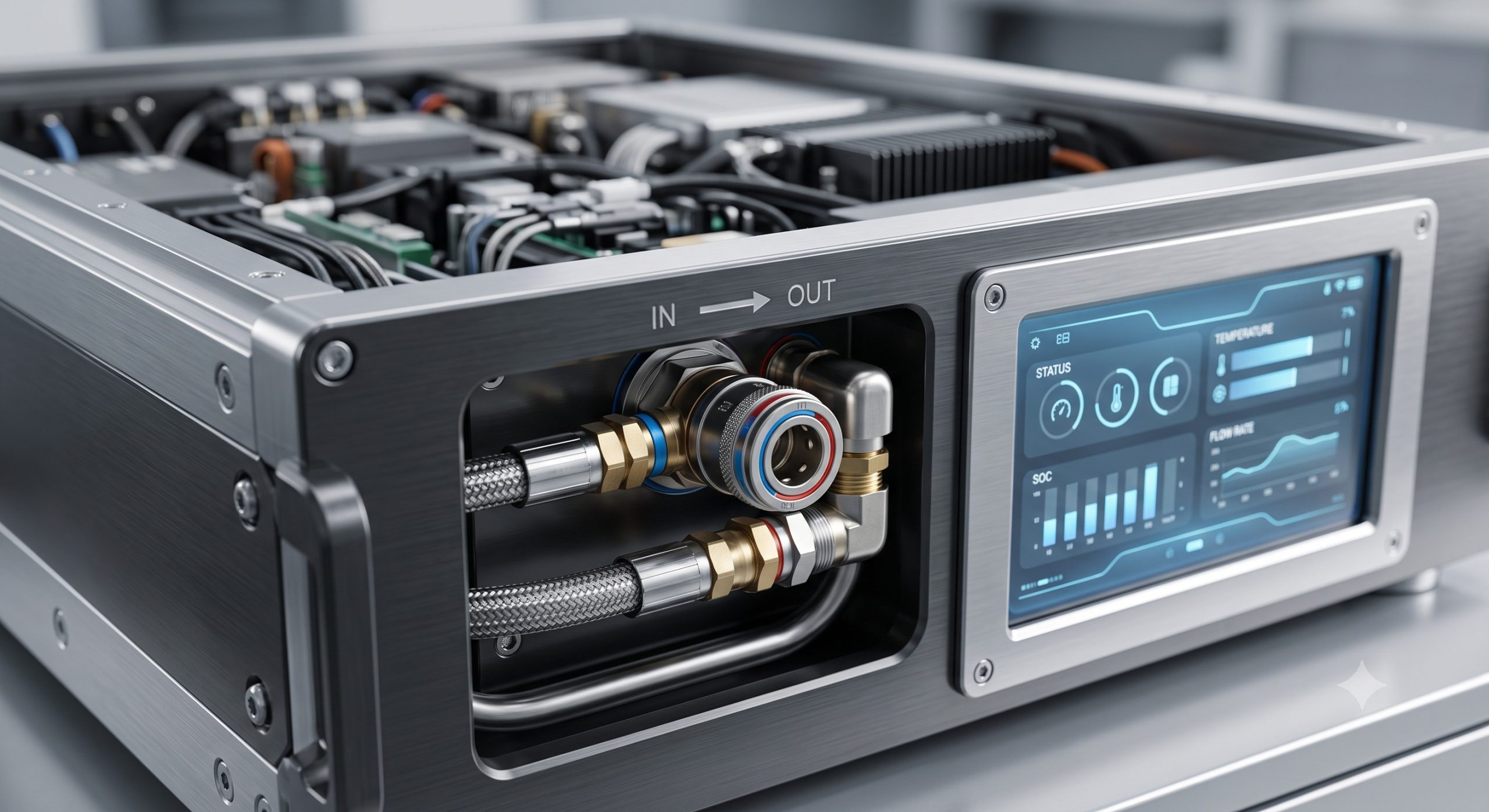
While primarily designed for the residential market, the technical attributes of this high-voltage BESS platform make it an exceptionally versatile solution for a wider range of commercial and light-industrial applications. Its scalability, high discharge power, and robust safety features allow it to function effectively as a building block for larger, distributed energy systems. Key deployment scenarios include:
– ENTERPRISE FACILITIES: For offices, retail outlets, and data centers, the system provides a reliable source of backup power to protect critical IT infrastructure and operations from grid outages. Its peak-shaving capability effectively reduces demand charges by shaving high-power consumption spikes, leading to significant savings on electricity bills. Furthermore, it maximizes the utilization of on-site solar PV generation, reducing reliance on the grid and supporting corporate sustainability goals. The compact, modular design allows for seamless integration into existing electrical rooms or external enclosures.
– EV SUPERCHARGING HUBS: As the global transition to electric vehicles accelerates, the demand for high-power charging infrastructure is surging. This high-voltage BESS is ideally suited to support DC fast-charging stations. The system can be co-located with a charging hub, storing energy during off-peak hours and discharging it to power high-speed chargers, thereby reducing the peak load on the grid and avoiding costly demand charges. This on-site energy storage buffer enables the deployment of more chargers in areas with limited grid capacity.
– MICRO-GRIDS & RURAL COMMUNITIES: For off-grid or weak-grid sites, the system provides a highly reliable and energy-dense storage solution. Deployed alongside solar PV and a generator, it forms a robust AC-coupled micro-grid. The system’s high efficiency and deep cycling capability ensure a stable power supply for essential community services, farms, or remote industrial equipment, reducing reliance on expensive and polluting diesel generators and contributing to energy independence.
– TELECOMMUNICATIONS & INFRASTRUCTURE: The system offers an excellent solution for providing reliable backup power to telecom towers and other critical network infrastructure. Its high-voltage design is particularly efficient for powering DC loads directly, and its LFP chemistry ensures a long, maintenance-free operational life in remote or harsh outdoor environments.
📥 Download Technical Specification
Click the button below to view or download the full official PDF datasheet.