Introduction
The rapid adoption of residential energy storage systems (ESS) is fundamentally reshaping the landscape of distributed energy resources. However, the increasing energy density of lithium-based storage solutions brings significant safety challenges, with thermal runaway remaining the primary concern for homeowners, installers, and insurers alike. As the market shifts from experimental adoption to mass-market integration, the need for robust, multi-layered protection systems is no longer an optional feature but a fundamental requirement. This masterclass explores the advanced engineering protocols, battery management systems (BMS), and fire suppression technologies that define modern, safe residential energy storage systems, providing an objective, data-driven technical analysis for industry professionals.
Core Architecture and the Triad of Battery Safety
A truly safe residential energy storage system is built upon a triad of protection: cell chemistry selection, intelligent BMS logic, and physical fire suppression. The foundation begins with the cell. Modern systems predominantly utilize Tier-1 LFP (Lithium Iron Phosphate) battery chemistry. Unlike Nickel Manganese Cobalt (NMC) variants, LFP possesses a higher thermal runaway threshold, typically exceeding 270°C, providing a critical safety buffer. The architecture integrates robust hardware busbars and high-precision current sensors that feed continuous data into the central control unit.
Multilayer Battery Management Systems (BMS)
The BMS is the digital brain of the ESS, operating with a multi-tiered protective strategy. At the individual cell level, the BMS monitors voltage and temperature at a rate of over 100 samples per second. Advanced systems implement active cell balancing to ensure uniform State of Charge (SoC), preventing cell-level overcharging or deep discharging. The BMS logic is configured to execute a controlled shutdown if any parameter exceeds thresholds defined by the IEC 62619 standard, which covers safety requirements for secondary lithium cells. This automated safety handshake is crucial to de-energize the system before conditions can escalate to thermal events.
Mechanical Design & Thermal Control
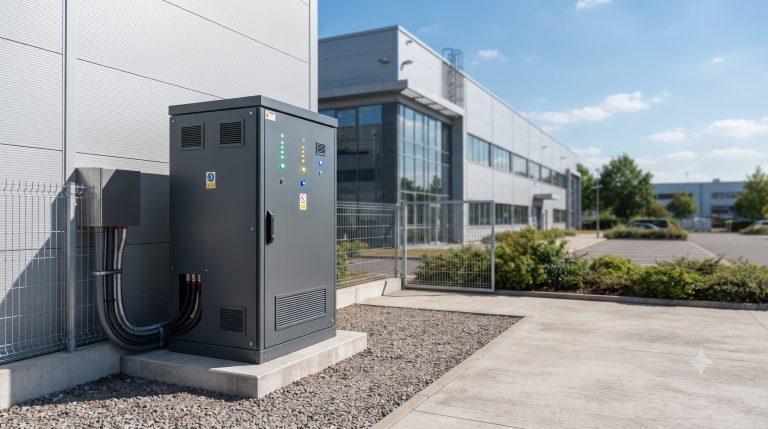
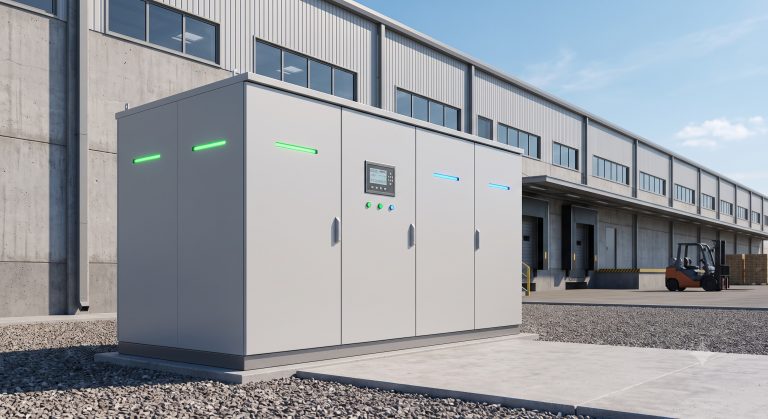
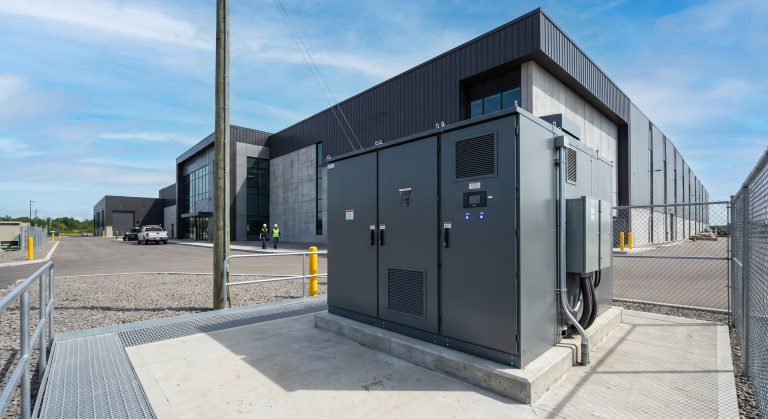
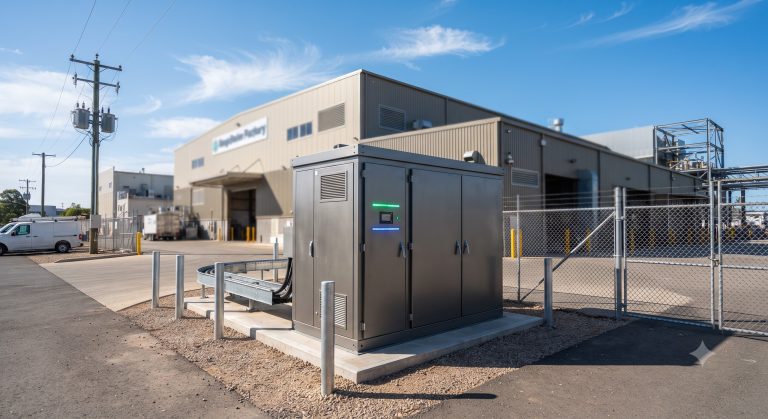
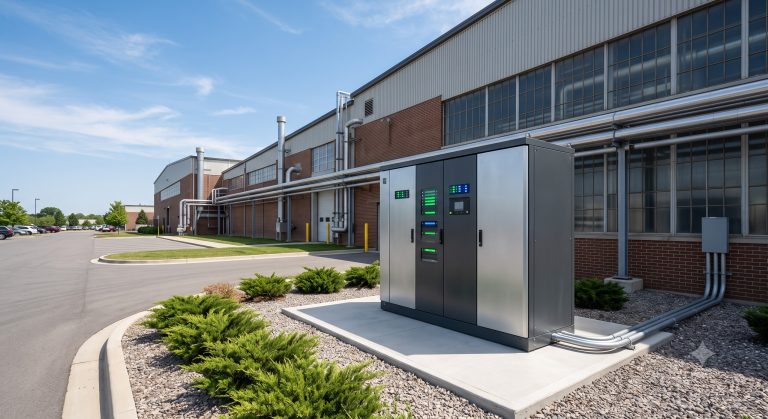
To mitigate the risk of propagation, manufacturers have integrated physical barriers and advanced thermal management. High-density cabinets feature fire-retardant insulation layers, often utilizing aerogel or mica sheets, between individual battery modules. Thermal control is managed via a highly efficient liquid cooling system. This system maintains optimal operating temperatures, significantly reducing the risk of hotspots and ensuring the system operates at its specified round-trip efficiency of up to 95%.
Technical Specifications & Compliance Benchmarks
For B2B sourcing and quality assurance, the specifications below represent the industry-accepted minimum standards for a premium residential energy storage system. The system outlined demonstrates compliance with key international standards, including UL 9540 and UN38.3, ensuring safe transport and grid interconnection.
[TABLE_1]
Fire Suppression and Safety Integration
In the event of a BMS or mechanical failure, the final layer of defense is the integrated fire suppression system. Modern systems are pre-engineered with aerosol-based suppression units or automatic sprinkler interfaces that activate upon detection of gas or smoke signatures unique to lithium battery off-gassing. This is not a standalone system; it is hard-integrated with the BMS, creating a closed-loop safety feedback system. When triggered, the suppression system neutralizes combustion at the source while the BMS isolates the high-voltage DC bus to prevent sustained arcs. Adherence to the rigorous testing frameworks of UL 9540A ensures that the system has been independently validated for thermal runaway propagation.
Deployment Scenarios and Risk Mitigation for Residential Installations
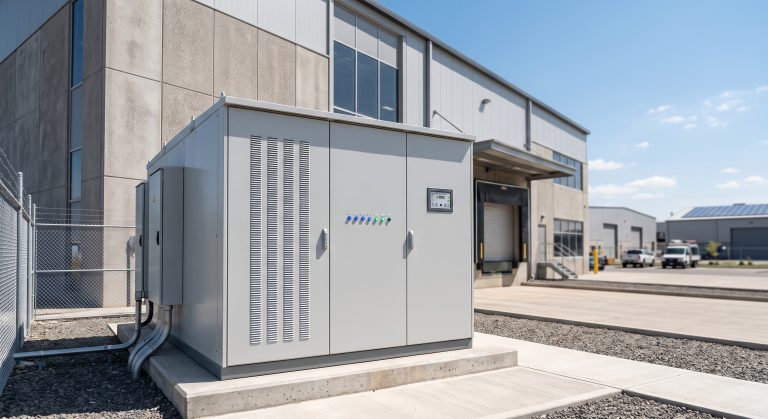
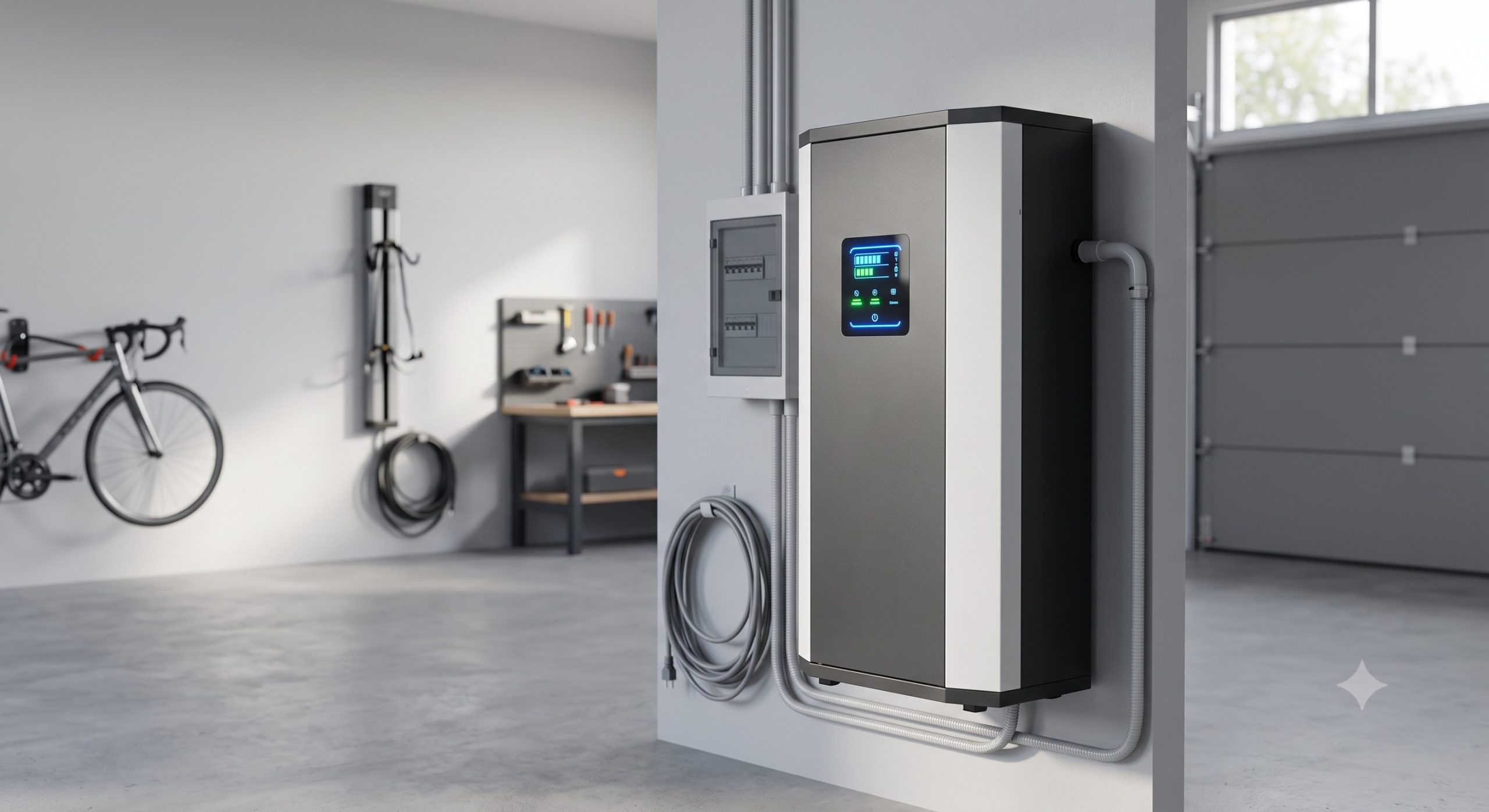
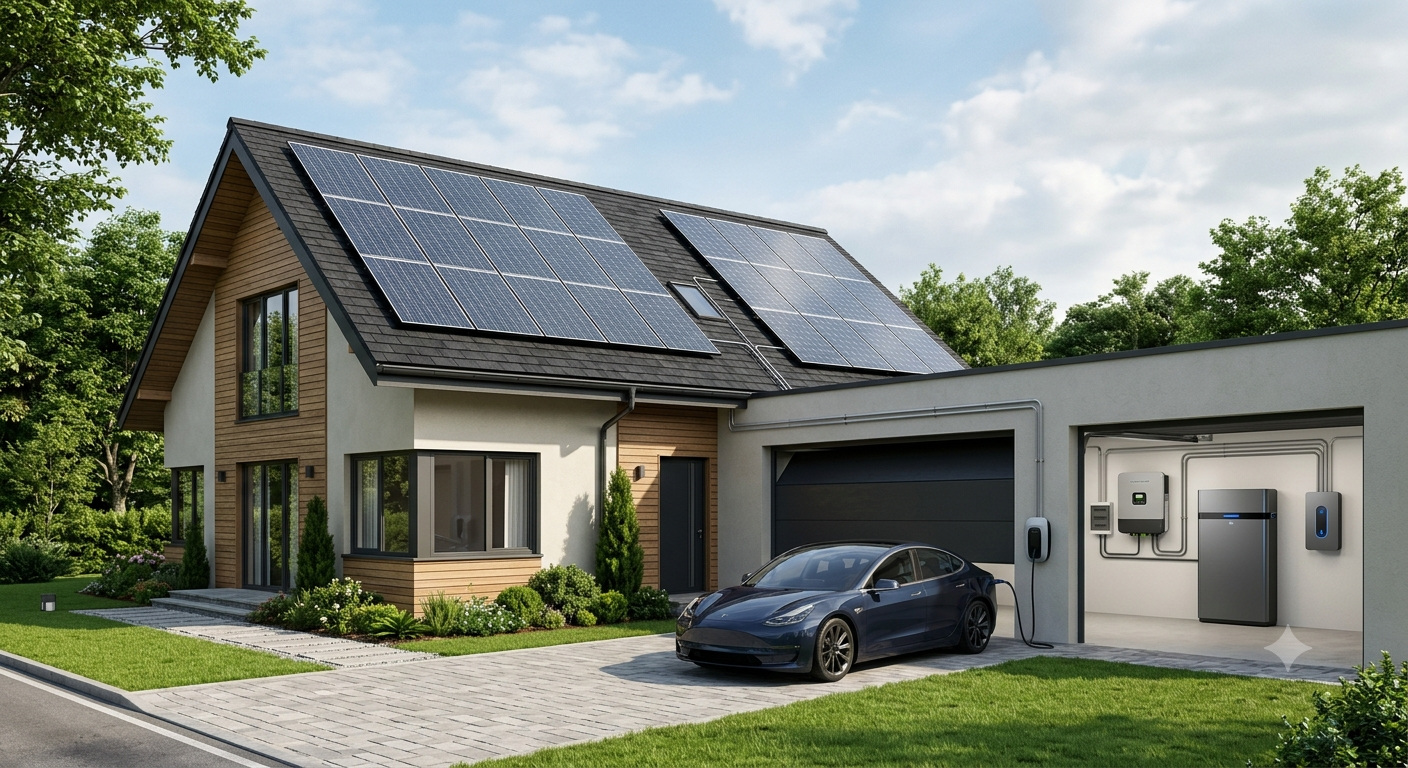
The deployment of these systems in residential settings requires site-specific risk assessments. Installations must ensure adequate clearance for ventilation and access to suppression system service ports. The systems are primarily deployed in garage or basement environments, requiring specialized IP55/65-rated enclosures to safeguard against dust and moisture ingress. New builds increasingly feature purpose-built utility closets with direct exterior venting. The sophisticated liquid cooling system ensures silent operation and longevity, even in high-ambient temperature climates.
Conclusion: The New Standard for Residential Energy Resilience
Residential energy storage has evolved from a simple backup power solution to a sophisticated component of the smart grid. The engineering excellence demonstrated in advanced BMS logic, liquid cooling integration, and multi-stage fire suppression now defines the market leaders. For project developers, utility partners, and procurement professionals, prioritizing systems that transparently publish their compliance with IEC 62619 and UL 9540 is non-negotiable. These standards, coupled with the intrinsic safety of Tier-1 LFP cells, are mitigating risks and catalyzing the global shift toward sustainable, resilient, and safe home energy ecosystems.