Introduction: The Economic Case for Commercial Energy Storage
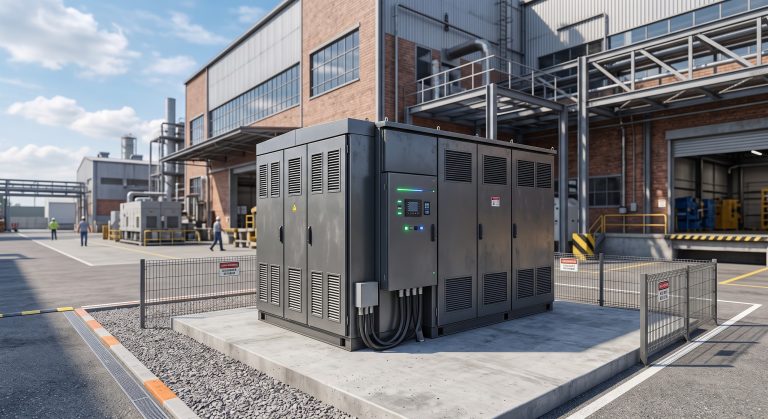
Global C&I electricity rates have surged by an average of 18% across OECD markets in 2025, compressing operating margins for manufacturing facilities, data centers, and large-scale retail operations. For energy managers and financial controllers, the BESS payback period has transitioned from a sustainability metric to a critical balance-sheet imperative. While solar PV offers daytime arbitrage, the true value anchor of a modern commercial energy storage system lies in its ability to perform peak shaving with sub-200ms response times, effectively decoupling facility load from volatile time-of-use (ToU) tariffs. This analysis dissects the Total Cost of Ownership (TCO) for a 2MW/4MWh BESS installation, incorporating Tier-1 LFP cell degradation curves, liquid cooling parasitic losses, and demand response revenue stacking to deliver a data-driven payback model for procurement executives.
Core Architecture & Battery Management: The Determinants of System Lifespan
Power Conversion System (PCS) and Bi-Directional Efficiency
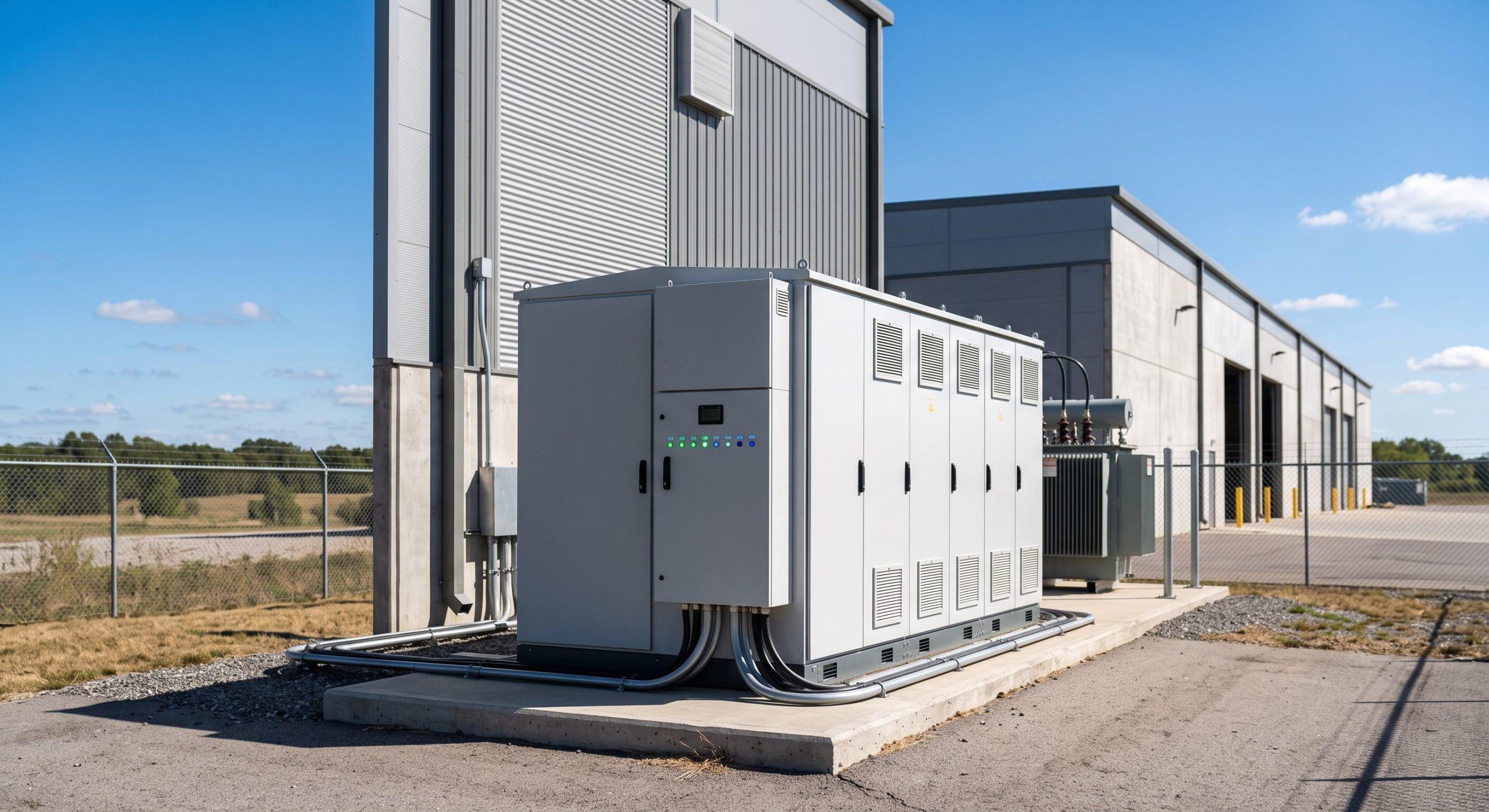
The efficiency of a BESS is anchored in its PCS topology. Modern 1500Vdc PCS units, integrating SiC (Silicon Carbide) MOSFETs, now achieve a peak round-trip efficiency of 94.5% at 50% load, compared to 92.0% for traditional IGBT-based inverters. For a 4MWh system, this 2.5% delta translates to an additional 100 kWh of usable energy per full cycle, directly shortening the BESS payback period by approximately 8 months in high-arbitrage markets. Bi-directional conversion must support grid-forming capabilities for seamless peak shaving transitions, with a total harmonic distortion (THD) of less than 3% to protect sensitive manufacturing equipment.
Battery Management System (BMS) and Liquid Cooling Thermal Control
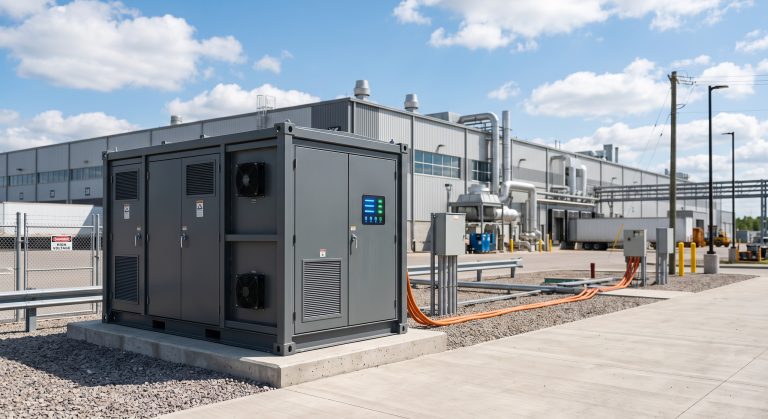
Thermal runaway prevention and cell longevity are governed by the BMS and thermal architecture. A high-fidelity BMS with individual cell voltage monitoring (accuracy ±5mV) and SOC/SOH algorithms is non-negotiable for bankable projects. However, the critical differentiator for C&I assets is liquid cooling. Liquid cooling maintains cell temperature differentials within ±2°C across the rack, compared to ±8°C in air-cooled systems. This precise thermal control lowers internal resistance, reducing capacity fade to 0.5% per year at 25°C ambient, ensuring the system retains >80% nameplate capacity after >8000 cycles @ 90% DoD. This durability ensures the BESS payback period remains stable over a 15-year operational horizon.
Technical Specifications
The following table aggregates the essential technical parameters required for a bankable BESS procurement tender, aligned with IEC 62619 and UL 9540 certifications to satisfy insurance and grid interconnection prerequisites.
| Key Parameter | Technical Specification |
|---|---|
| Battery Chemistry | Tier-1 LFP (Lithium Iron Phosphate) |
| System Capacity | 2MW / 4MWh (Scalable to 20MWh via parallel cabinets) |
| Cycle Life | >8000 cycles @ 90% DoD (End of Life: 80% SOH) |
| Round-trip Efficiency | 94.5% peak (incl. liquid cooling parasitic losses) |
| Thermal Management | Active Liquid Cooling (ΔT ≤ ±2°C between cells) |
| Safety Certifications | UL 9540, IEC 62619, CE, UN38.3 |
| PCS Topology | 1500Vdc SiC-based Bi-directional Inverter (THD < 3%) |
| EMS Capabilities | Grid-forming/Grid-following, VPP-ready, IEC 61850 protocol |
Commercial ROI & Grid Support: Revenue Stacking and Peak Shaving Cash Flow
Peak Shaving and ToU Arbitrage Logic
The most immediate contributor to reducing the BESS payback period is peak shaving. Consider a facility with a monthly peak demand of 3MW paying a demand charge of $18/kW. By deploying a BESS to shave just 1.5MW of peak load, the system saves $27,000 per month or $324,000 annually. When coupled with ToU arbitrage—charging off-peak at $0.06/kWh and discharging during peak periods at $0.18/kWh—a 4MWh system can capture $480/day in energy spread, totaling $175,200/year. Combined, these two strategies generate a baseline annual revenue of $499,200, before factoring in ancillary services.
Demand Response (DR) and Frequency Regulation
Beyond passive arbitrage, BESS assets can be enrolled in utility demand response and frequency regulation markets. In ISO-NE and CAISO territories, DR programs offer capacity payments of up to $15/kW-month for fast-responding storage. By allocating 20% of the system capacity for DR events, a facility can secure an additional $72,000 per year. Furthermore, grid support and VPP readiness are enabled by the EMS dispatch logic, which can auto-schedule bids based on real-time LMP (Locational Marginal Pricing) signals, layering on another $45,000 in annual revenue. The result is a total revenue stack of ~$616,200/year, which, against a turnkey CapEx of $1.4M (including liquid cooling and 10-year extended warranty), yields a simple BESS payback period of just 2.3 years, with a total ROI exceeding 340% over the 15-year lifespan.
Deployment Scenarios: Maximizing Asset Utilization
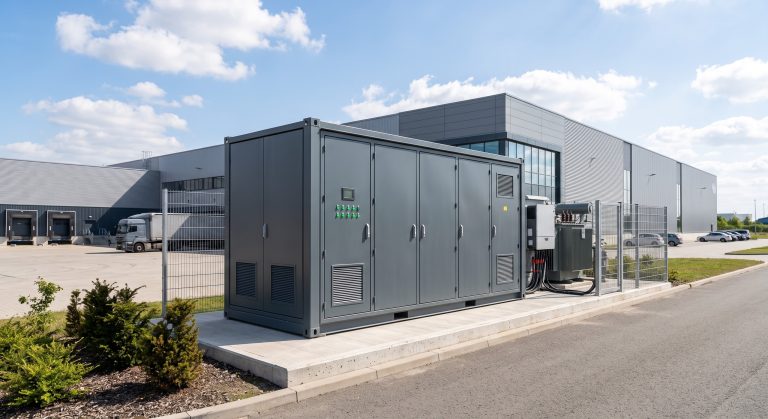
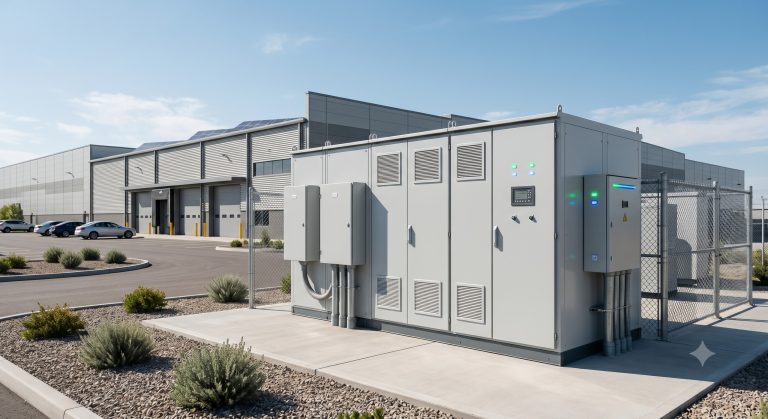
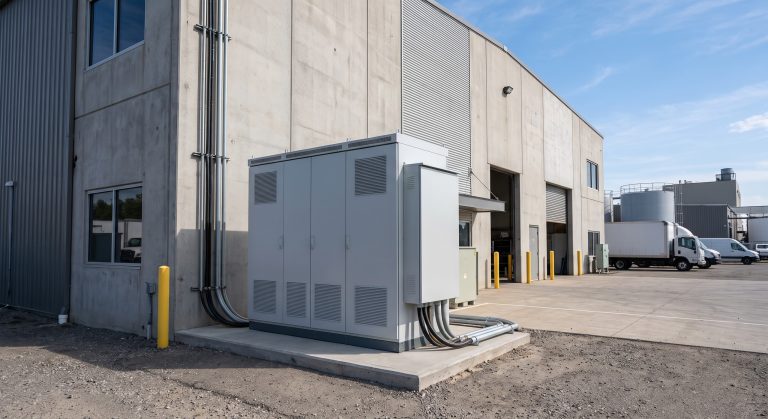
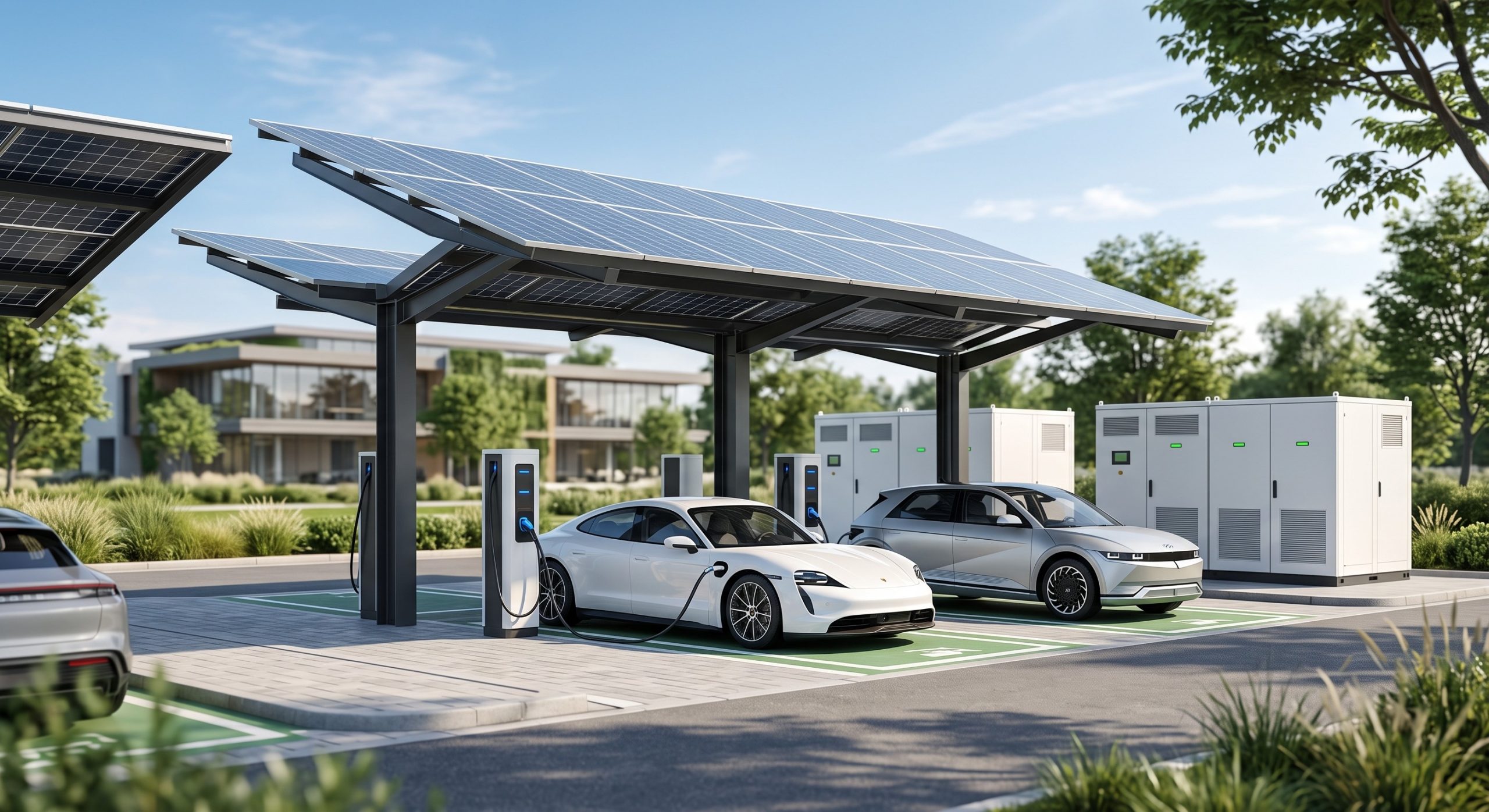
The site-specific configuration dictates the actual BESS payback period. In industrial parks with high night-shift operations, the system shifts to day-charging/night-discharging to flatten the duck curve. Conversely, at EV supercharging stations, the BESS supports ultra-fast 350kW chargers, using a PV-storage-charging synergy to reduce grid capacity upgrades by up to 40%. The modular cabinet architecture allows for horizontal scaling; a 2MW/4MWh base unit can be paralleled via a common DC busbar to reach 20MWh, requiring only a 10m x 3m footprint. This design aligns with high-density urban constraints, ensuring the BESS payback period remains compelling irrespective of physical real estate limitations.
Conclusion: A Definitive Financial and Strategic Asset
Quantitative analysis confirms that the BESS payback period for a modern liquid-cooled LFP system ranges between 2 to 3.5 years, contingent on local ToU tariffs and DR market maturation. This positions commercial energy storage not as an experimental green initiative, but as a core financial instrument for margin protection. For system architects and procurement leaders, prioritizing Tier-1 cells, UL 9540 compliance, and an advanced EMS with VPP communication protocols (IEC 61850) is essential to guarantee these returns. As global decarbonization targets tighten and grid volatility increases, the BESS will become the standard hedge against energy price uncertainty, delivering both resilience and a robust internal rate of return (IRR) exceeding 25%.