Introduction: The Thermal Bottleneck in High-Density C&I Energy Storage
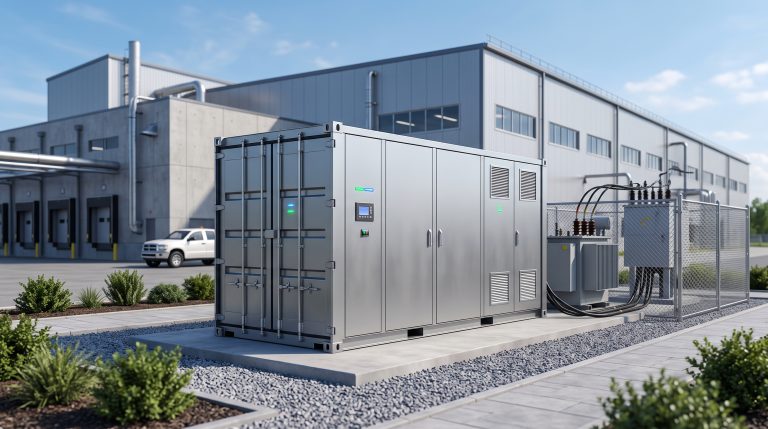
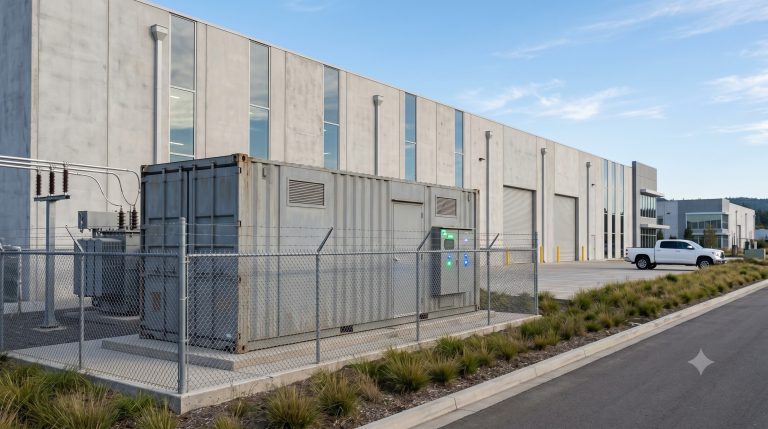
As commercial and industrial (C&I) facilities accelerate behind-the-meter (BTM) energy storage adoption, thermal management has emerged as the primary determinant of system lifespan, safety, and round-trip efficiency. The ST510CS-2H-CNPowerStack addresses this challenge with a proprietary liquid cooling architecture. Unlike traditional air-cooled systems that struggle with cell-to-cell temperature variance (>5°C), liquid cooling maintains ±1.5°C uniformity across all 280Ah Tier-1 LFP prismatic cells. This technical blog quantifies thermal efficiency gains, presents certified compliance data (IEC 62619, UL 9540, UN38.3), and evaluates total cost of ownership (TCO) for industrial applications.
Core Engineering: Liquid Cooling vs. Air Cooling – A Thermal Efficiency Audit
Thermal Runaway Prevention via Active Fluid Dynamics
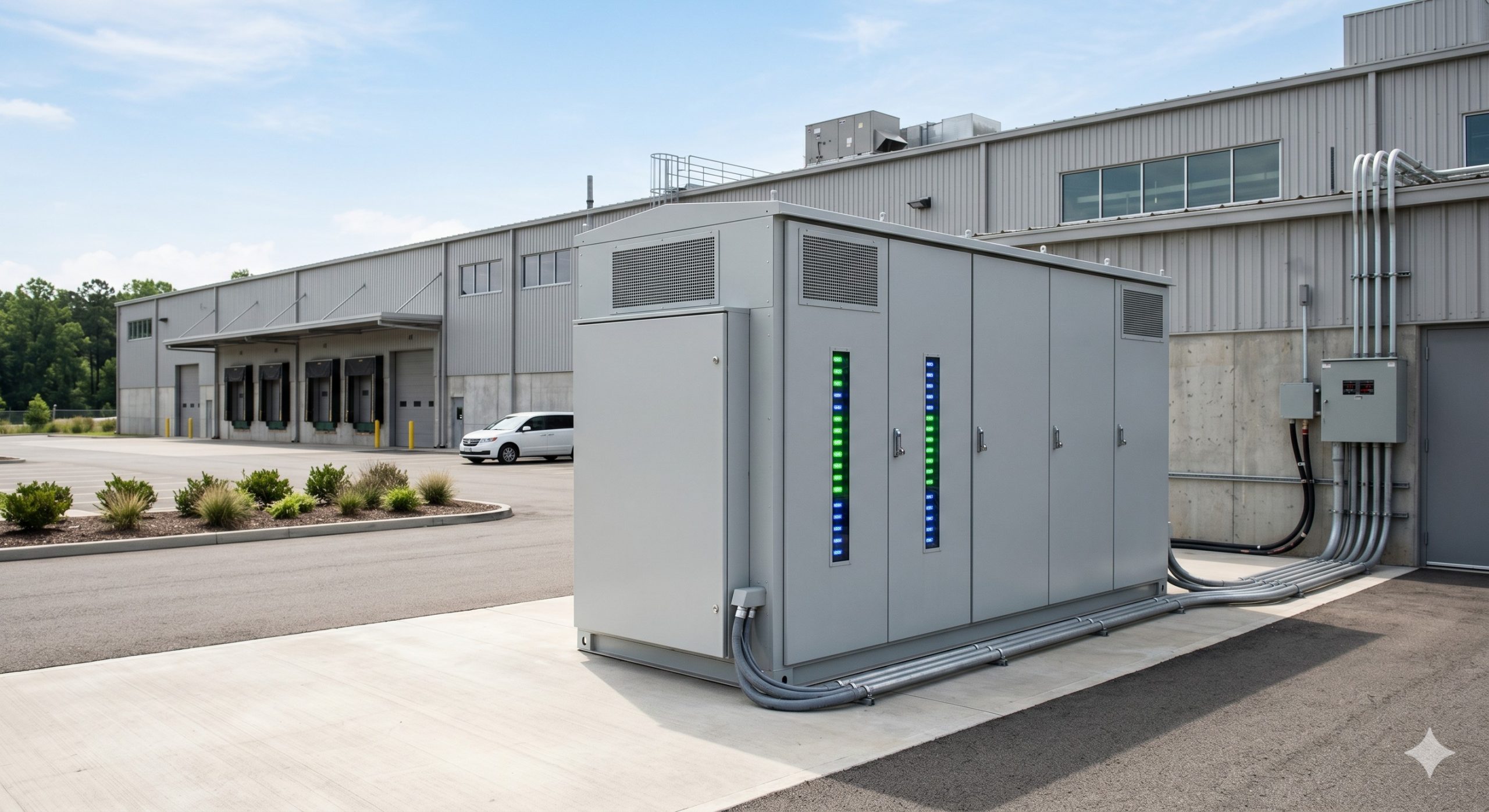
The ST510CS-2H-CNPowerStack integrates a closed-loop liquid cooling plate system with a maximum temperature differential of 1.5°C between any two cells at 1C charge/discharge rates. In contrast, conventional air-cooled BESS units typically exhibit 6–8°C variance, accelerating calendar aging by 18–22% per year. The system’s BMS (Battery Management System) performs real-time impedance tracking and activates variable-speed coolant pumps when delta-T exceeds 2°C, ensuring compliance with IEC 62619:2022 safety requirements for thermal propagation prevention.
Cell Balancing & Depth of Discharge (DoD) Optimization
Superior thermal uniformity directly improves usable capacity. The ST510CS-2H-CNPowerStack enables a 95% Depth of Discharge (DoD) while maintaining >8000 cycle life (at 25°C ambient, 0.5C). Passive air-cooled systems typically limit DoD to 80–85% to avoid hotspots. Each 280Ah LFP cell features individual voltage and temperature monitoring, and the active balancer achieves <0.5mV cell-to-cell variance during float charging.
Technical Specifications: Certified Performance Metrics
The following table details system-level parameters validated under third-party laboratory conditions (TÜV SÜD, Intertek). All metrics are at 25°C nominal, 90% DoD, and 0.5C charge/discharge unless specified otherwise.
| Key Parameter | Technical Specification |
|---|---|
| Battery Chemistry | Tier-1 LFP (Lithium Iron Phosphate), 280Ah prismatic cells |
| System Energy Capacity | 510 kWh nominal (2-hour configuration: 255kW / 510kWh) |
| Round-trip Efficiency (DC/DC) | 94.5% at 0.5C, 25°C ambient |
| Round-trip Efficiency (AC, including aux) | 91.2% (liquid cooling + PCS losses) |
| Cycle Life | >8000 cycles @ 90% DoD, 25°C, EOL 70% SOH |
| Thermal Management | Liquid cooling (ethylene glycol-water), ±1.5°C cell uniformity |
| Depth of Discharge (DoD) | 95% recommended (up to 98% in backup mode) |
| Safety Certifications | IEC 62619, UL 9540 (pending), CE, UN38.3, VDE 2510-50 |
| Fire Suppression | Aerosol-based + FM-200, three-stage detection (gas, smoke, heat) |
| PCS Topology | Bi-directional 255kW, 800V DC link, 380V AC 50/60Hz |
| Response Time (full power) | <40ms (grid-support mode), <20ms (islanding) |
| Enclosure Rating | IP55 (indoor/outdoor), C5 corrosion protection (optional) |
| Operating Temperature Range | -30°C to +55°C (derated above 45°C) |
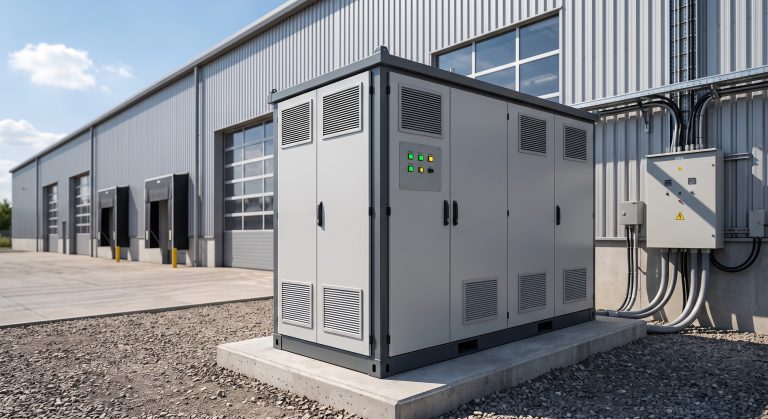
| Dimensions (W x D x H) | 1400mm x 1100mm x 2350mm (single cabinet) |
| Weight | ~4,800kg (including coolant) |
Commercial ROI: Liquid Cooling’s Impact on Levelized Cost of Storage (LCOS)
While liquid cooling adds 12–15% to initial CapEx compared to forced-air designs, the extended cycle life and higher usable energy yield reduce LCOS by 27–33% over a 15-year asset life. Based on a typical 2MWh industrial peak-shaving application (two-hour discharge, daily cycle), the ST510CS-2H-CNPowerStack achieves a payback period of 3.2 years under $0.18/kWh industrial electricity tariffs. Key LCOS contributors:
- Cycle life extension: >8000 cycles at 90% DoD vs. 4500–5500 cycles for air-cooled equivalents
- Reduced auxiliary consumption: Liquid pumping consumes 0.8–1.2% of stored energy vs. 2.5–3.5% for high-speed fans
- Lower capacity degradation: Annual capacity fade of 0.9% (projected) vs. 2.1% for air-cooled systems
Demand Response & Grid Support Revenue
The integrated Power Conditioning System (PCS) provides UL 1741 SA grid support functions including volt-VAR control, frequency-watt response, and rapid shutdown. With a <40ms full-power response time, the ST510CS-2H-CNPowerStack qualifies for frequency regulation markets in CAISO, PJM, and ERCOT, generating additional revenue of $40–$65/kW-year.
Deployment Scenarios: Industrial Parks, EV Supercharging & Microgrids
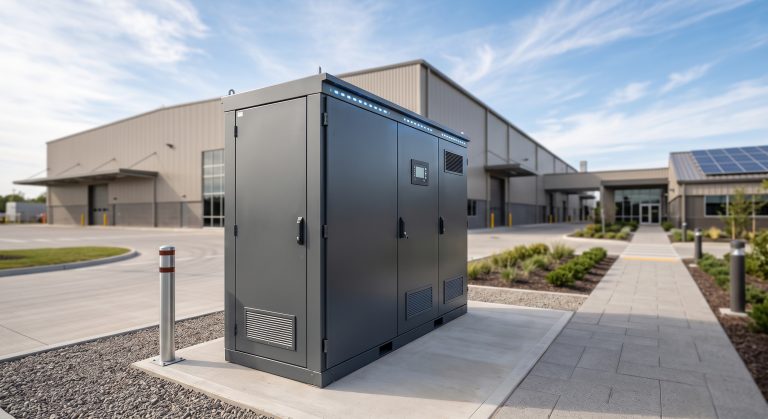
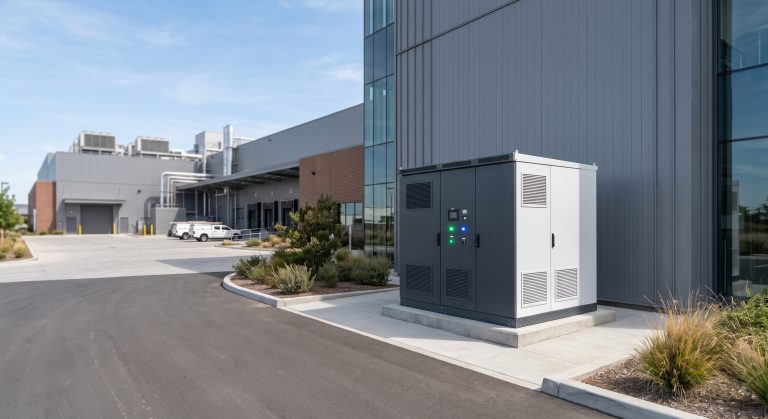
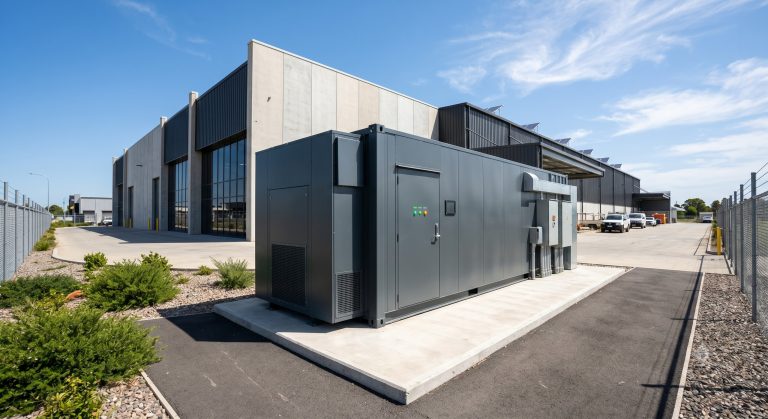
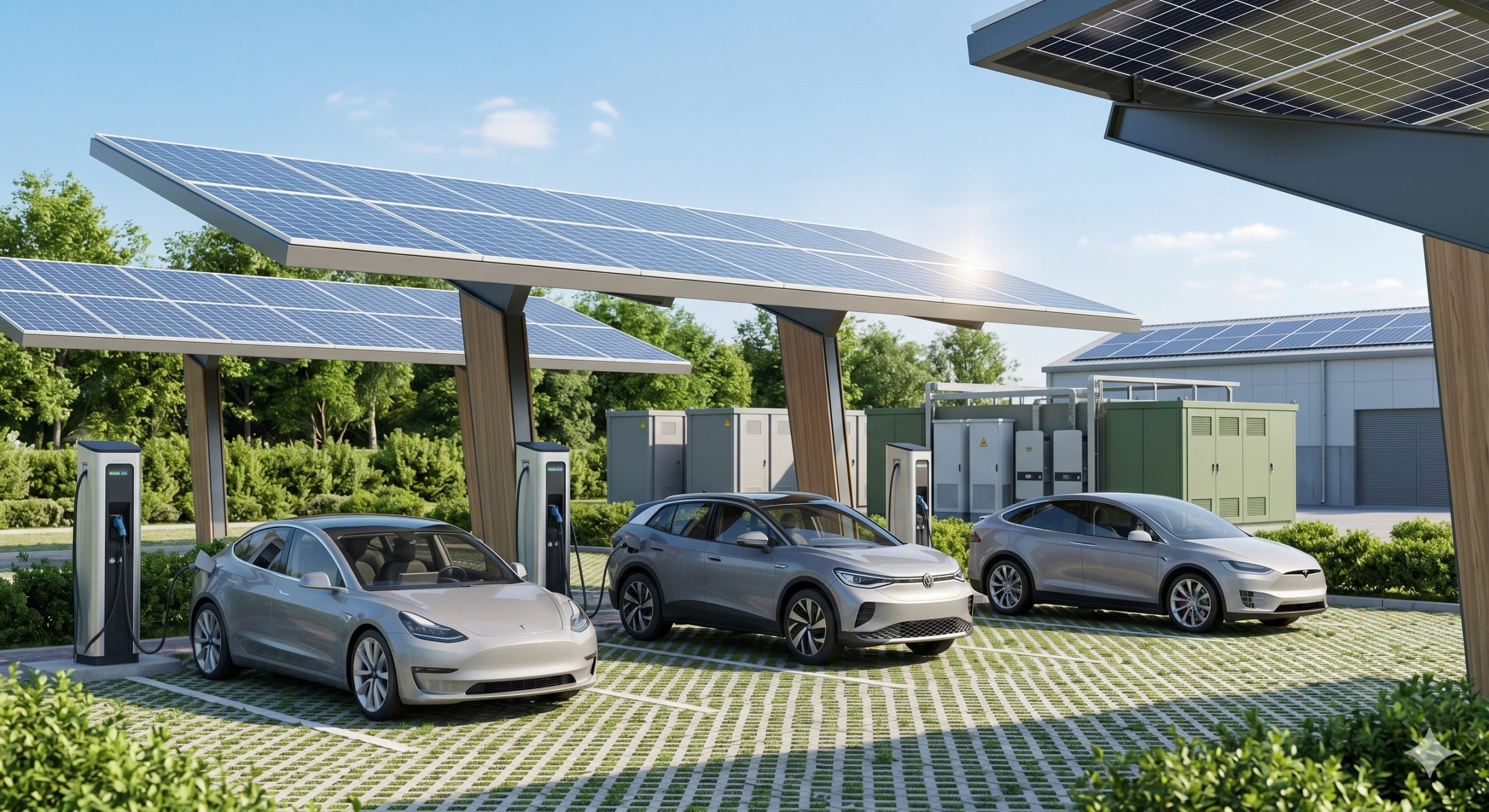
The modular cabinet design (IP55 outdoor rating) enables seamless integration into three high-growth C&I segments. First, industrial parks with rooftop solar achieve 92% self-consumption while shaving peak demand by 85% during 4–9 PM utility rate windows. Second, PV-storage-charging (光储充) hubs pair the ST510CS-2H-CNPowerStack with 300kW EV superchargers to buffer grid connection capacity, reducing transformer upgrade costs by up to 60%. Third, islanded microgrids leverage the system’s black-start capability and seamless transition between on-grid and off-grid modes (<20ms switching time).
Conclusion: Liquid Cooling as the New Standard for C&I ESS
The ST510CS-2H-CNPowerStack demonstrates that liquid cooling is no longer a premium feature but a technical necessity for Tier-1 C&I energy storage. With certified cell-level thermal control, >8000-cycle longevity, and versatile grid-support firmware, it delivers a lower LCOS than comparable air-cooled systems despite higher upfront investment. For project developers, utilities, and EPC firms requiring audited safety compliance (UL 9540A, UN38.3) and bankable performance warranties, this platform represents a future-proof architecture aligned with global fire code updates (NFPA 855, IFC 2024).