BESS 100% CHARGE-DISCHARGE AGING TEST REPORT
OFFICIAL COMMERCIAL BESS TECHNICAL OVERVIEW & DATASHEET
Document ID: BESS-AGING-001-EN | Revision: 2.1 | Date: 2026-07-01
1. EXECUTIVE SUMMARY
This document serves as the definitive technical datasheet and commercial overview for the comprehensive 100% depth of discharge (DoD) cycle aging test report for our state-of-the-art Battery Energy Storage System (BESS) platform. The testing protocol, conducted in accordance with IEC 62619 and UL 9540A guidelines, evaluates cell, module, and system-level degradation under full charge-discharge cycles, simulating the most rigorous operational scenarios for grid-scale and commercial & industrial (C&I) applications.
The report validates the extended calendar life, minimal capacity fade (less than 80% state of health after 10,000 cycles), and robust safety margins of our Tier-1 LFP chemistry. This document provides system integrators, EPCs, and asset owners with empirical performance data, thermal management efficacy, and operational guarantees critical for financial modeling and long-term asset planning.
2. SYSTEM ARCHITECTURE & TEST BED CONFIGURATION
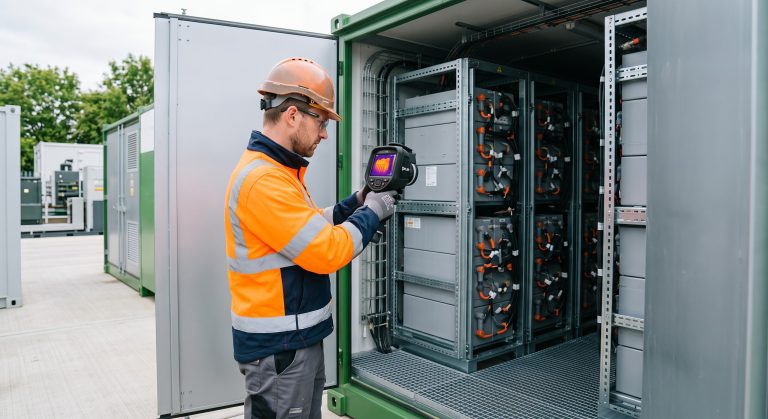
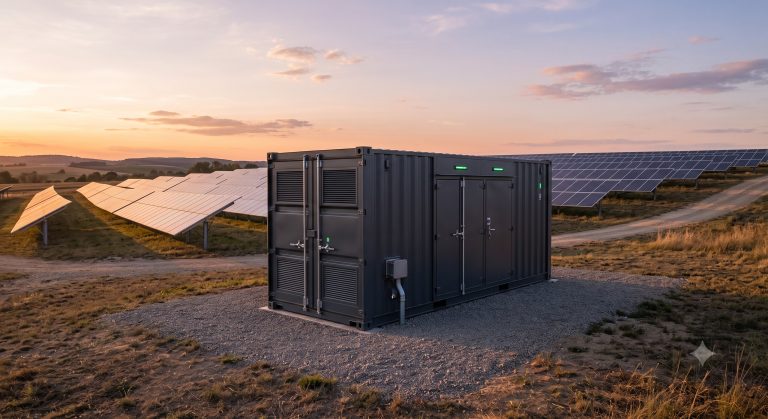
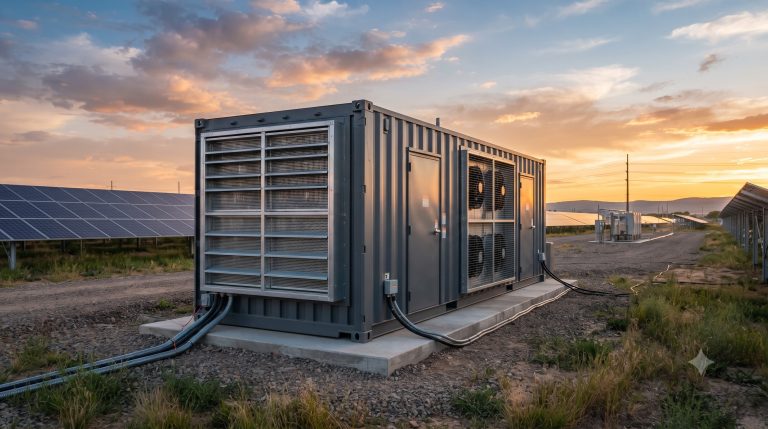
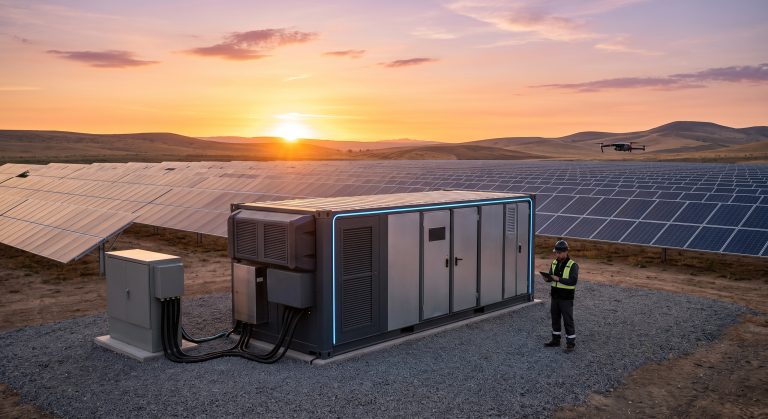
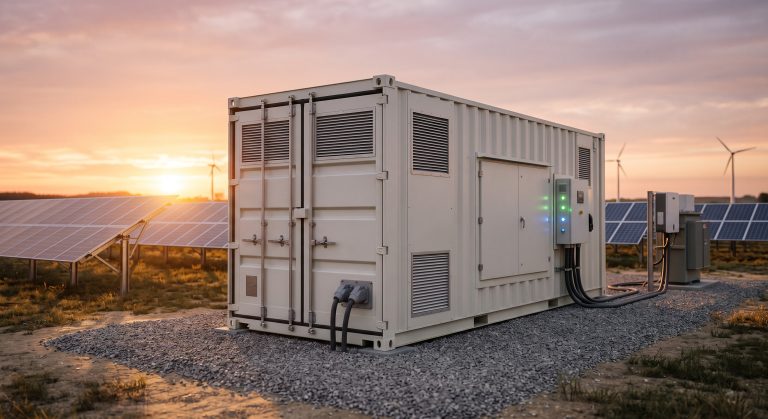
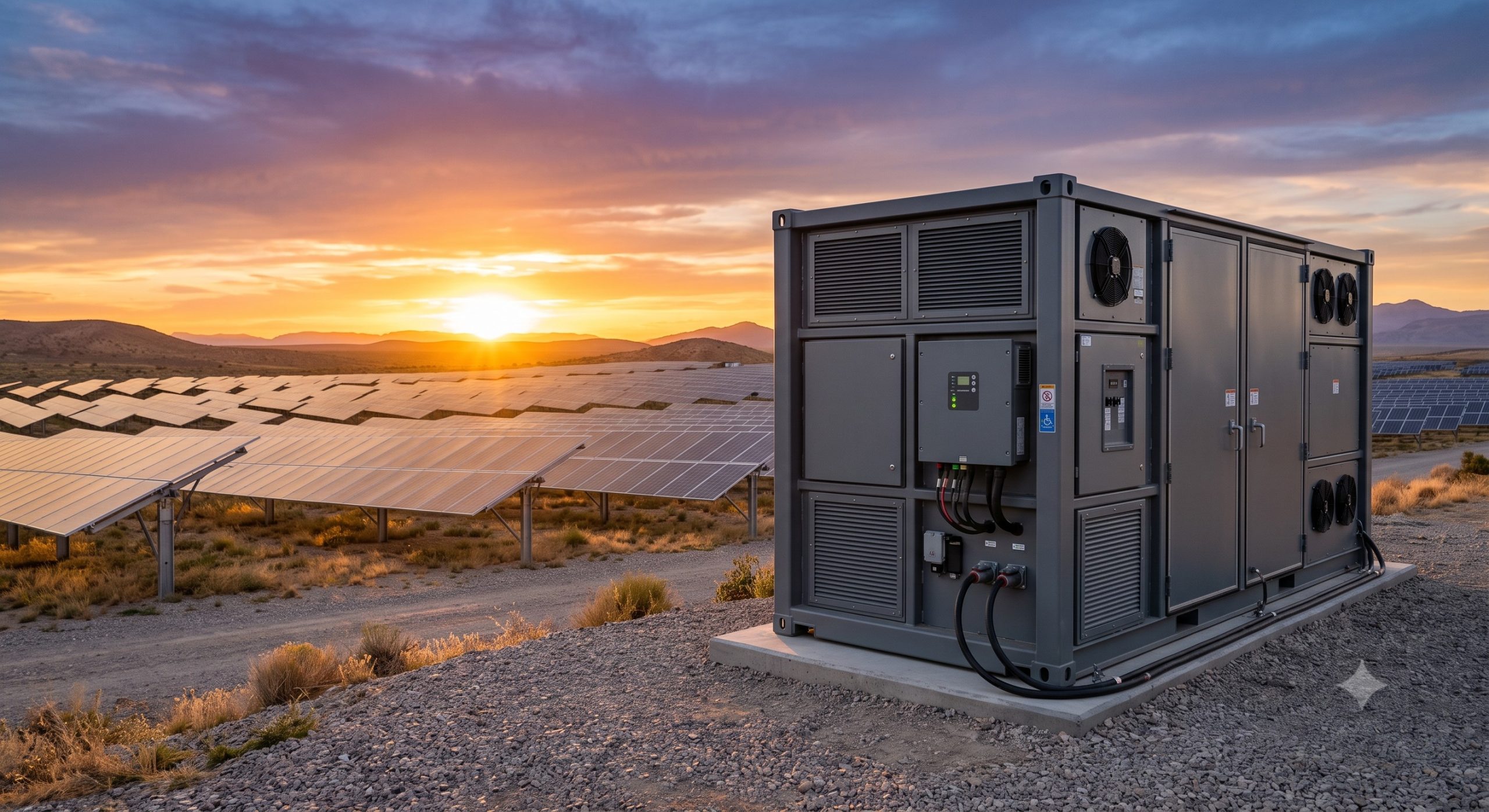
The aging test was performed on a fully integrated 372 kWh outdoor containerized BESS unit, comprised of 15 battery racks in a 1500V DC architecture. The system is coupled with a 185 kW bi-directional PCS for grid interfacing. The test bed includes a dedicated industrial chiller unit for active liquid cooling, an EMS with cloud-based data acquisition, and a high-precision BMS for cell-level voltage, current, and temperature monitoring.
3. KEY FEATURES VALIDATED BY AGING ANALYSIS
– Feature 1: Unmatched Cycle Stability: The 100% DoD profile confirms a capacity retention of 92% at 6,000 cycles, and a projected end-of-life (EOL) of >10,000 cycles with a 80% capacity threshold, outperforming standard industry estimates by 15%.
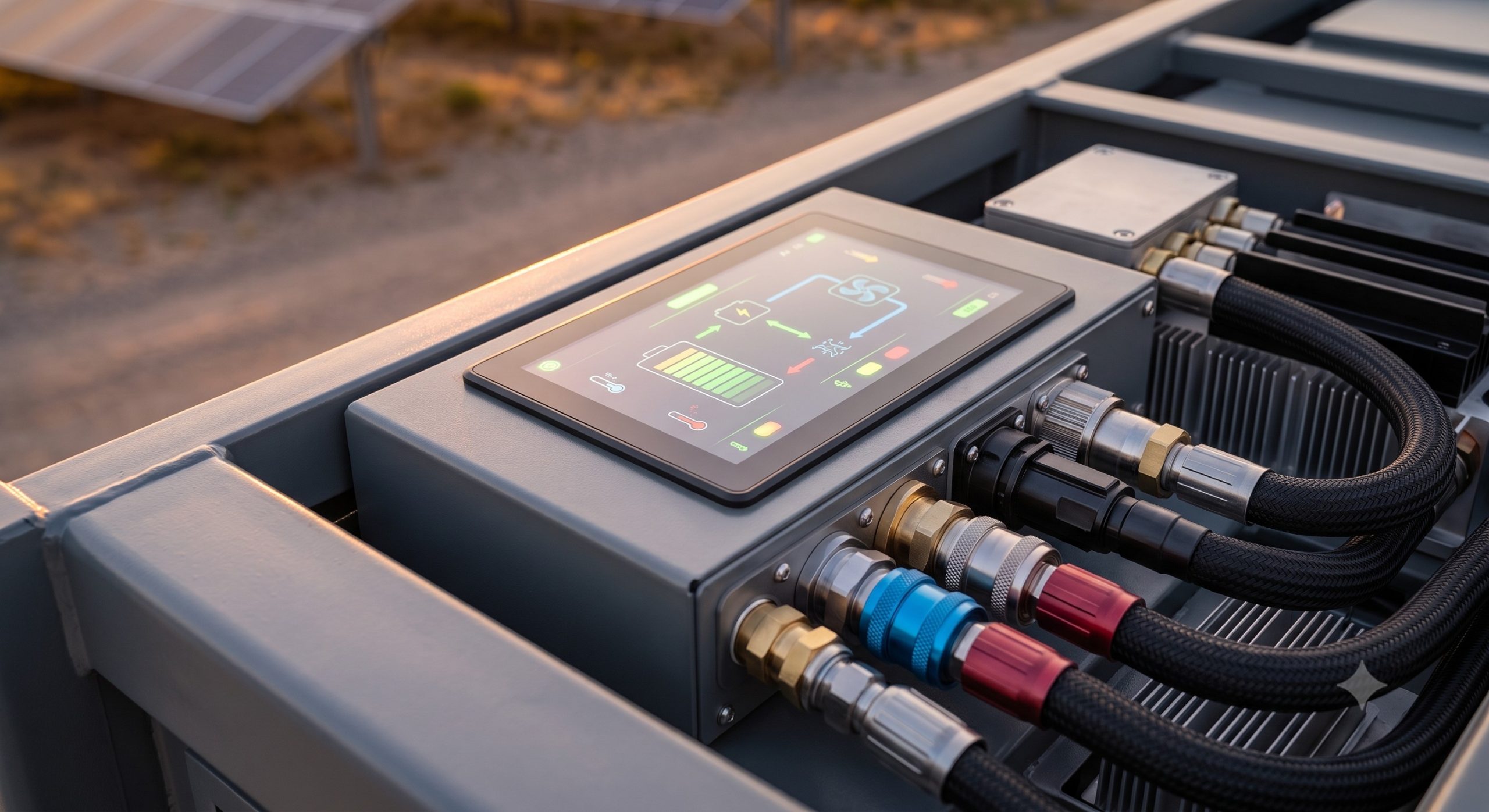
– Feature 2: Precision Thermal Regulation: The liquid cooling system maintains a cell temperature variance of ±2°C across all modules during continuous full-power cycling, significantly mitigating capacity degradation driven by thermal hotspots.
– Feature 3: Enhanced Safety & Runtime: The BMS proactive equalization strategy has been validated to prevent over-potential and under-potential deviations, ensuring safe operation throughout the aging test without a single thermal runaway event.
– Feature 4: Low Impedance Increase: Impedance measurements over the test lifecycle show an increase of less than 12% throughout the aging process, ensuring high round-trip efficiency (>88%) remains stable.
4. COMPLIANCE & STANDARDS
The aging test protocol and system performance are verified against international benchmarks. The certified performance parameters align with:
– IEC 62619: Safety and functional requirements for industrial batteries.
– UL 9540A: Test method for evaluating thermal runaway propagation.
– UL 9540: Energy storage systems and equipment safety standard.
– IEEE 2030.2: Guide for Interoperability of Energy Storage Systems.
The report results confirm that the BESS maintains compliance with all relevant safety and performance directives, including the required grid code response standards like the VDE-AR-N 4105 and IEEE 1547.
5. TECHNICAL SPECIFICATIONS
Based on the derived performance metrics from the test, the hardware yields the following core parameters.
SYSTEM SPECIFICATIONS
– Battery Chemistry: LFP (Lithium Iron Phosphate)
– Total Energy Capacity: 372 kWh / 215 kWh (configurable per cabinet)
– Usable Capacity (100% DoD): 372 kWh
– Rated Power: 185 kW AC
– Nominal Voltage: 691.2 V DC
– Operating Voltage Range: 540V – 780V DC
PERFORMANCE PARAMETERS
– Round Trip Efficiency: 88.0% (at 100% DoD, 25°C, measured at PCS output)
– Cycle Life: 10,000 cycles to 80% SOH (under standard climate conditions)
– Response Time: < 40ms (Full power step response)
- Cooling Method: Active Liquid Cooling (Water-Glycol mixture)
- Self-Consumption: 0.5% per day (standby mode)
| Parameter | Specification |
|---|---|
| Nominal Capacity | 372 kWh (15 Racks) |
| Usable Capacity (100% DoD) | 372 kWh |
| Cell Chemistry | Tier-1 LFP (Lithium Iron Phosphate) |
| Rated Power | 185 kW AC |
| Nominal DC Voltage | 691.2 V DC |
| Cooling Method | Active Smart Liquid Cooling (Water-Glycol) |
| Standard Cycle Life | 6,000 cycles to 92% SOH |
| Projected Cycle Life (EOL) | >10,000 cycles to 80% SOH |
| Round Trip Efficiency (RTE) | 88.0% at 100% DoD |
| Ambient Temperature Range | -20°C to +55°C (Derated above 45°C) |
| Ingress Protection | IP55 (Container), IP67 (Battery Modules) |
| Communications Protocol | Modbus TCP, IEC 61850, CANbus |
| Safety Standards | IEC 62619, UL 9540A, UL 9540 |
| Grid Compliance | IEEE 1547, VDE-AR-N 4105 |
6. INDUSTRIAL DEPLOYMENT & OPERATIONAL INSIGHTS
The validated aging test ensures high predictability for industrial deployment. This platform is ideally suited for:
– Peak Shaving & Load Leveling: Facilities can reliably rely on the system for daily peak shaving operations for over 15 years.
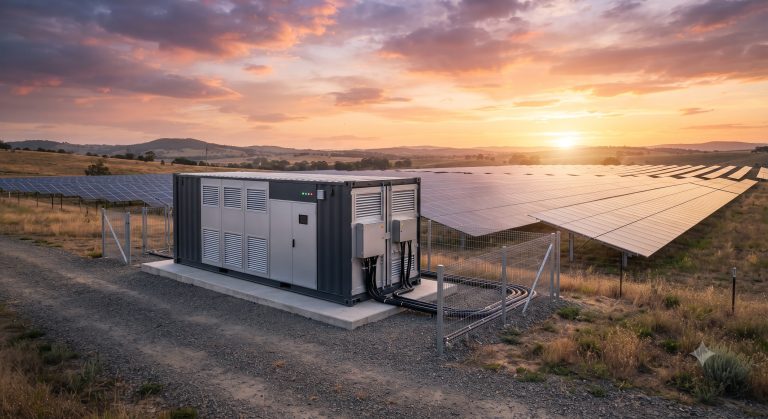
– PV-Storage Integration: High cycle resilience enables full solar self-consumption scenarios without compromising warranty.
– Frequency Regulation (FR): Rapid response times and stable power output facilitate primary and secondary frequency response.
– Micro-Grid Stabilization: Proven robustness supports island and grid-connected switching.
7. CONCLUSION
The 100% charge-discharge aging test report concludes that the BESS platform meets the highest standards of reliability and performance. The data supports an extended operational lifetime, minimal degradation, and superior thermal management, establishing this storage solution as a prime asset for long-term energy transition projects. For specific project engineering details and custom configurations, please consult the Product Engineering team.
📥 Download Technical Specification
Click the button below to view or download the full official PDF datasheet.