EXECUTIVE SUMMARY
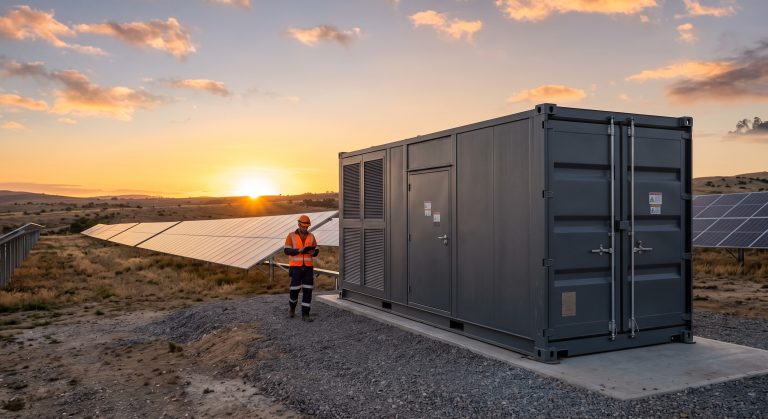
This document serves as the definitive OEM reference for the routine inspection and preventive maintenance of factory-deployed Commercial & Industrial (C&I) Battery Energy Storage Systems (BESS). As a Tier-1 global energy storage vendor, we recognize that the longevity, safety, and financial performance of an industrial battery asset are directly correlated to the rigor of its operational discipline. The Factory Energy Storage Routine Inspection Checklist is not merely a compliance document; it is a strategic asset management tool designed to preserve capital, ensure UL 9540A thermal runaway mitigation integrity, and maximize round-trip efficiency over a 15-year design life. This datasheet outlines the mandatory inspection protocols, diagnostic thresholds, and system architecture considerations required to maintain a Tier-1 Liquid Cooled LFP platform at peak operational availability.
SYSTEM ARCHITECTURE & SAFETY
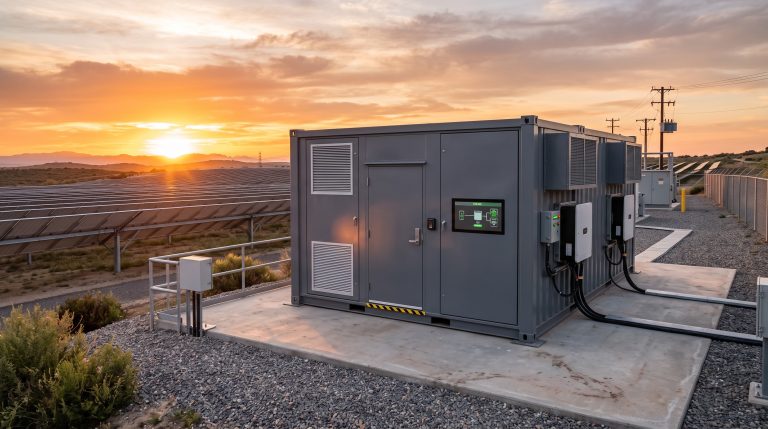
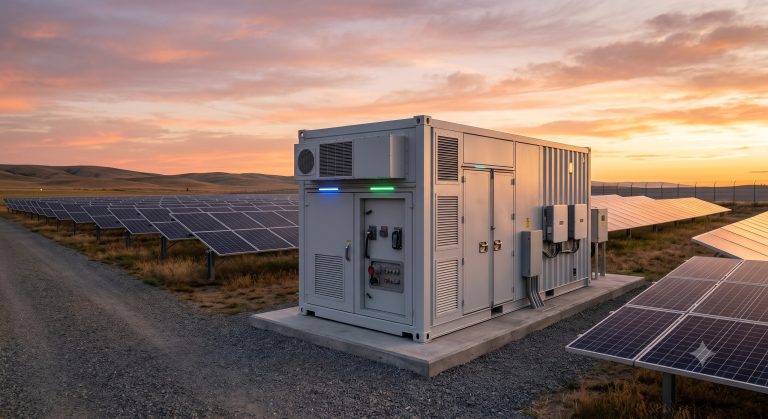
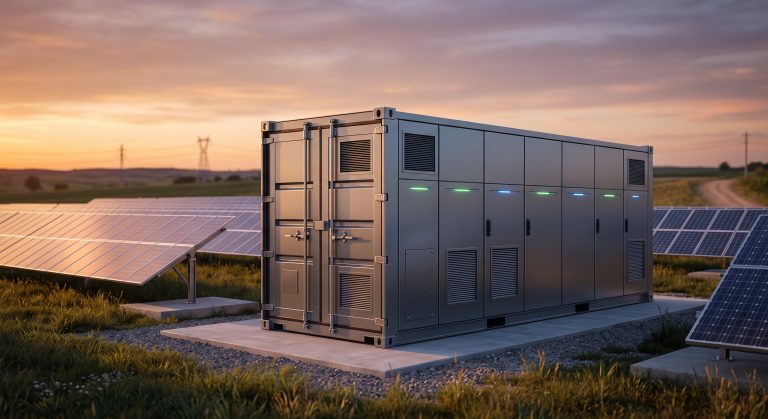
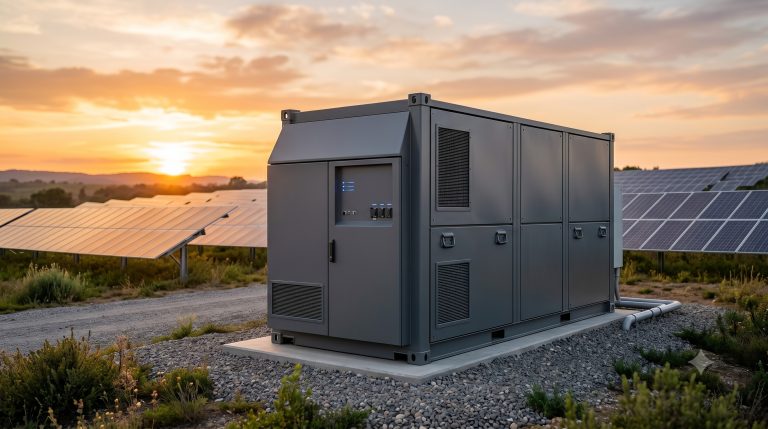
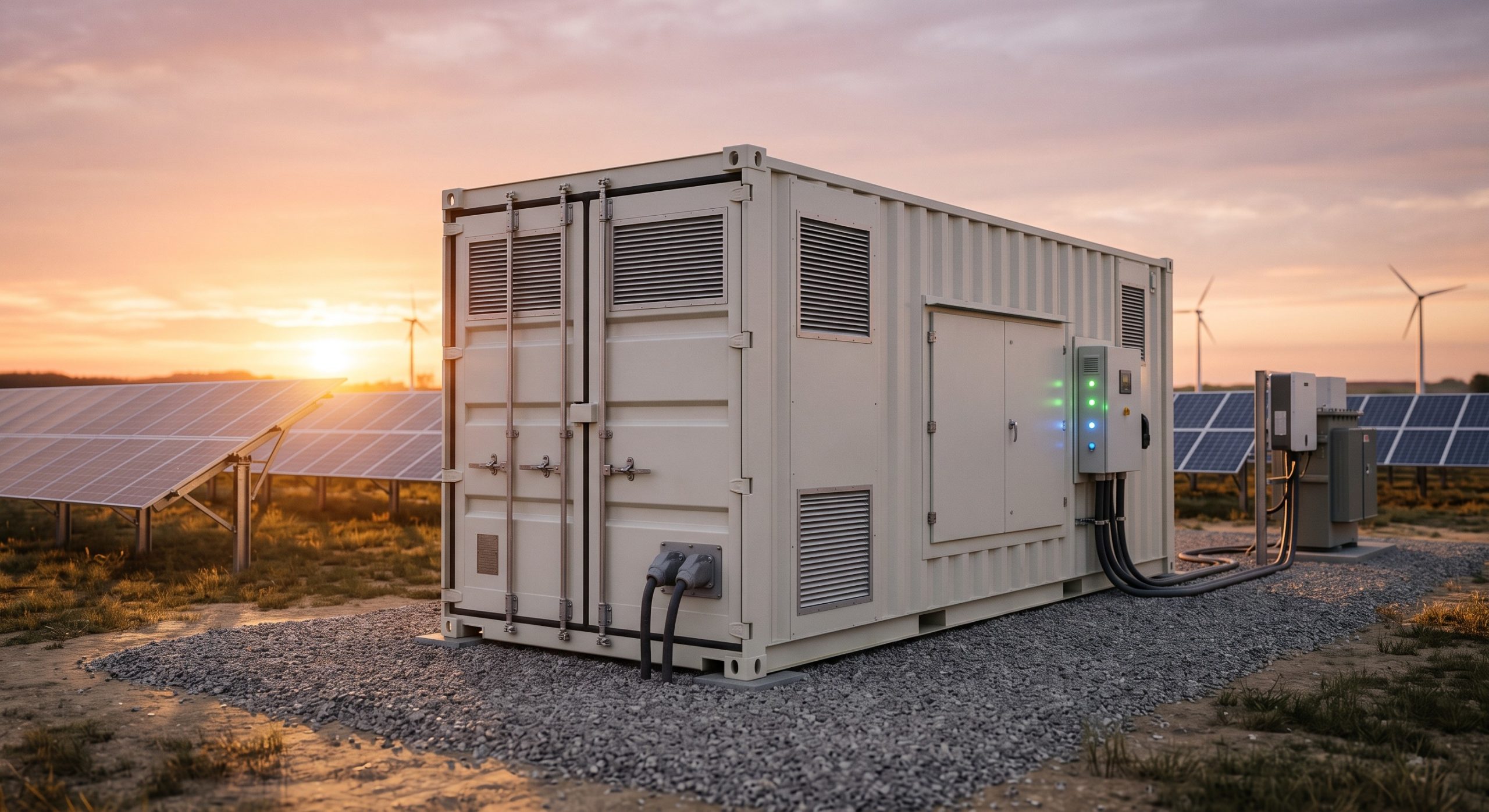
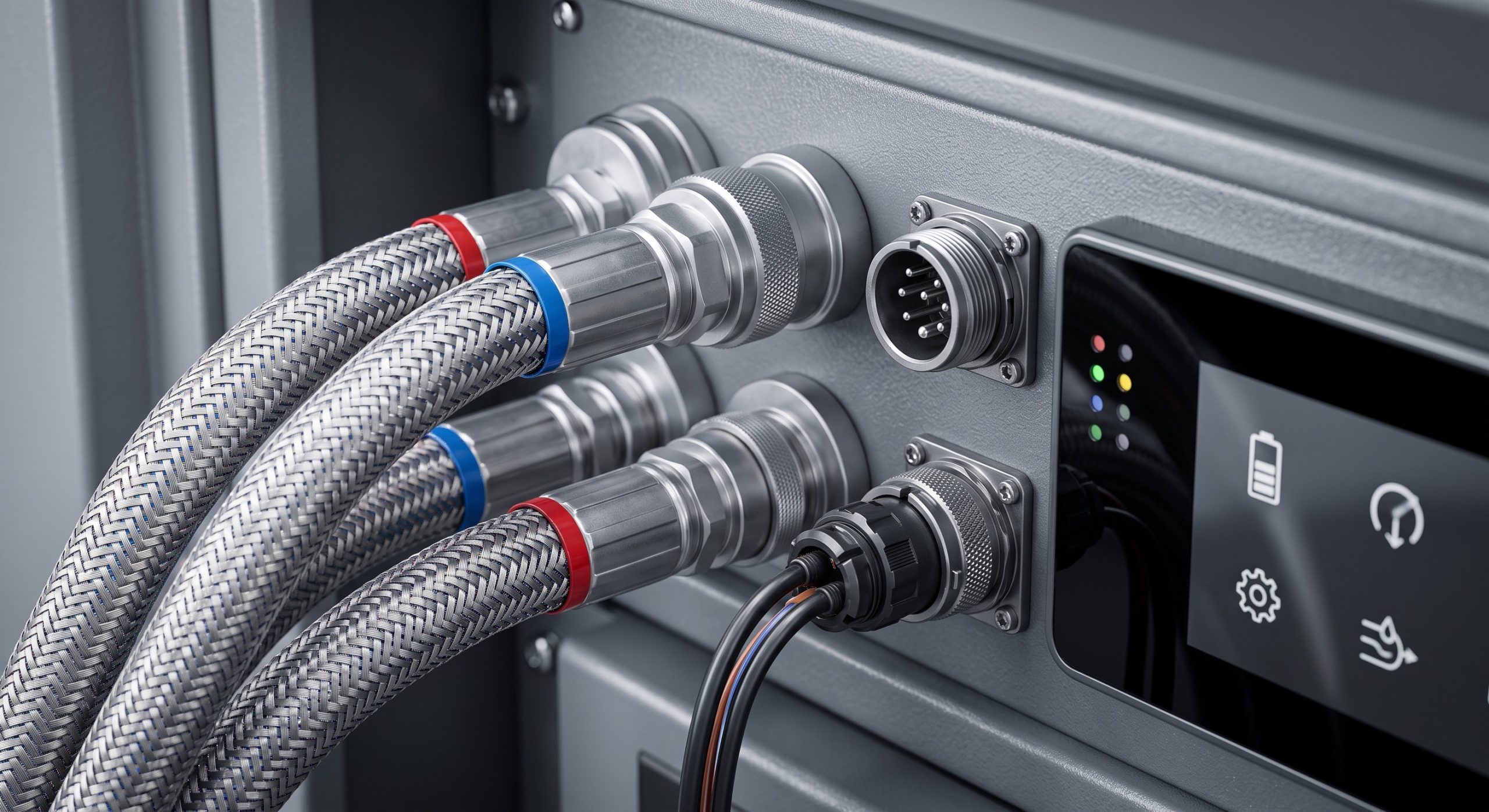
The inspected platform is engineered around a high-density, modular architecture integrating Tier-1 LFP cells with a smart liquid cooling pipeline and a multi-level Battery Management System (BMS). Routine inspection focuses on three critical safety layers: cell-level voltage and temperature uniformity, module-level structural integrity and busbar torque, and system-level fire suppression and HVAC functionality. The inspection checklist validates the integrity of the DC busbar connections, the leak-free status of the liquid cooling loop, and the calibration of the gas and smoke sensors. Adherence to this checklist ensures that the system remains compliant with NFPA 855 and IEC 62619 standards, preventing derating and ensuring seamless demand response logic.
KEY FEATURES
– Comprehensive Safety Verification: Step-by-step validation of aerosol fire suppression systems and pressure relief valves to guarantee UL 9540A compliance.
– Thermal Management Audit: Detailed inspection of coolant levels, pump pressure, and heat exchanger fins to maintain optimal cell temperature delta below 3°C.
– Electrical Integrity Checks: Verification of DC contactor operation, insulation resistance, and BMS balancing currents to prevent capacity fade.
– Digital Checklist Integration: Native compatibility with the EMS cloud monitoring platform for automated logging and anomaly detection.
– Structural & Environmental Review: Inspection of IP54/IP55 cabinet seals, anti-corrosion coatings, and pad mounting torque to withstand harsh industrial environments.
COMPLIANCE & STANDARDS
All inspection procedures and thresholds referenced herein are derived from and ensure ongoing compliance with the following international directives: UL 9540 (Energy Storage Systems and Equipment), UL 9540A (Test Method for Evaluating Thermal Runaway Fire Propagation), IEC 62619 (Safety Requirements for Industrial Batteries), IEC 62933 (Electrical Energy Storage Systems), NFPA 855 (Standard for the Installation of Stationary Energy Storage Systems), and local grid interconnection codes for peak shaving and demand response operations.
TECHNICAL SPECIFICATIONS
The following registry defines the routine inspection parameters, their nominal values, and the corrective action thresholds mandated by the OEM for warranty validation.
| Inspection Parameter | Nominal Specification | Corrective Action Threshold |
|---|---|---|
| Cell Voltage Delta | < 50 mV | > 100 mV – Trigger Active Balancing |
| Coolant Pressure | 1.5 – 2.5 Bar | < 1.0 Bar - Check for Leakage |
| Coolant Temperature | 20°C – 30°C | > 35°C – Inspect Chiller Unit |
| Insulation Resistance | > 1 MΩ (1000V DC) | < 500 kΩ - Isolate & Fault Find |
| Torque – DC Busbar | 25 Nm ± 5% | < 20 Nm - Re-torque per Spec |
| Fire Suppression Pressure | Green Zone on Gauge | Red Zone – Replace Cartridge |
INDUSTRIAL DEPLOYMENT
This checklist applies to a wide range of factory and industrial micro-grid applications, including peak shaving for heavy manufacturing loads, PV-storage-charging infrastructure integration, and emergency backup for critical process lines. Field service technicians and facility managers must execute the Daily Visual, Monthly Functional, and Annual Deep-Dive inspections as outlined in the accompanying O&M manual. By standardizing the inspection regimen, asset owners ensure maximum LCOE efficiency, grid independence, and a secure ROI for MWh-scale liquid cooled storage assets.
📥 Download Technical Specification
Click the button below to view or download the full official PDF datasheet.