COMMERCIAL SYSTEMS ENGINEERING REFERENCE MANUAL: C&I PEAK SHAVING ROI ANALYSIS REPORT
EXECUTIVE SUMMARY
This document serves as the official engineering reference manual for the deployment of our Tier-1 Commercial and Industrial (C&I) Battery Energy Storage Systems (BESS) specifically optimized for peak shaving applications. It provides a comprehensive analysis of the financial and operational return on investment (ROI) achievable through strategic energy arbitrage and demand charge management. Designed for facility managers, energy consultants, and project developers, this report outlines the system architecture, financial modeling assumptions, and performance metrics that underpin a robust peak shaving strategy. By integrating our advanced liquid-cooled LFP battery platform with intelligent energy management software, commercial facilities can significantly reduce their electricity costs, enhance grid stability, and achieve a measurable ROI within a predictable timeframe.
SYSTEM ARCHITECTURE & SAFETY
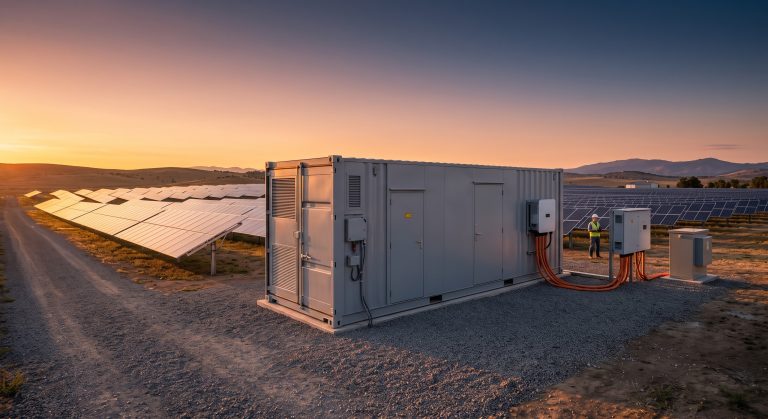
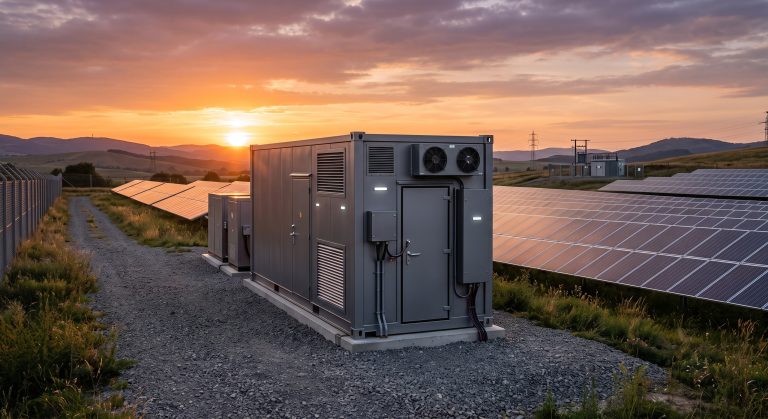
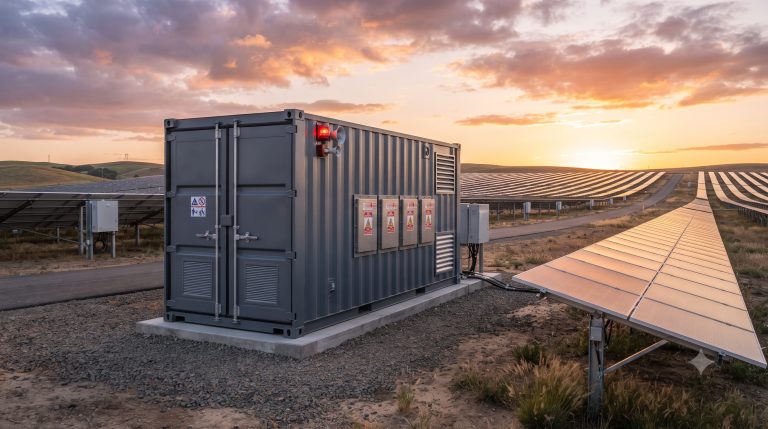
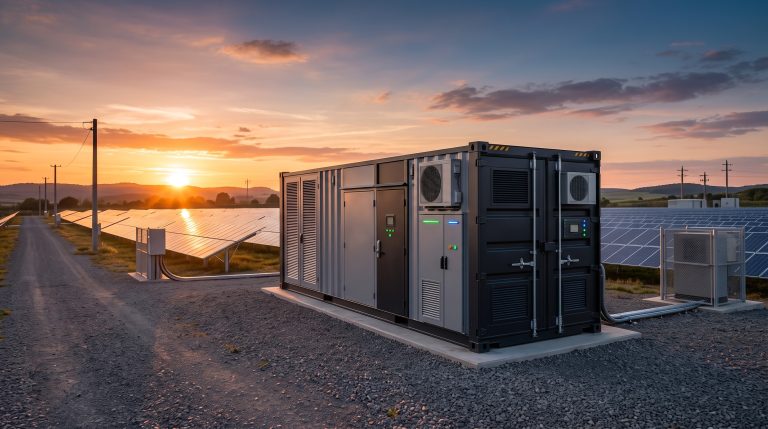
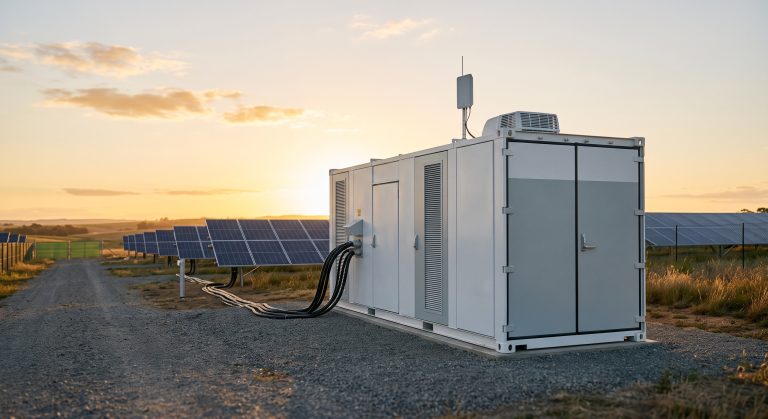
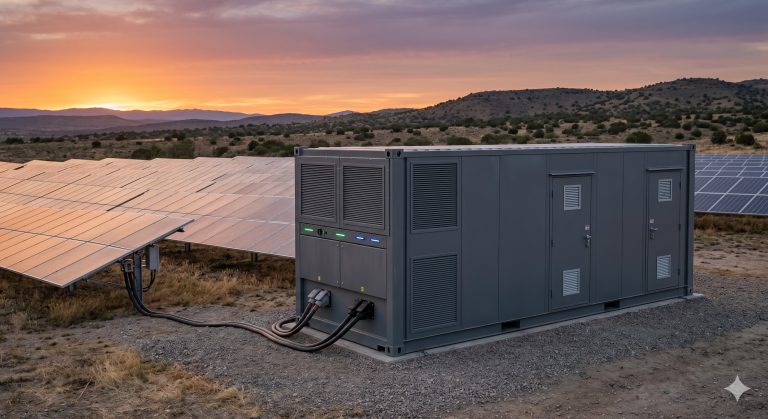
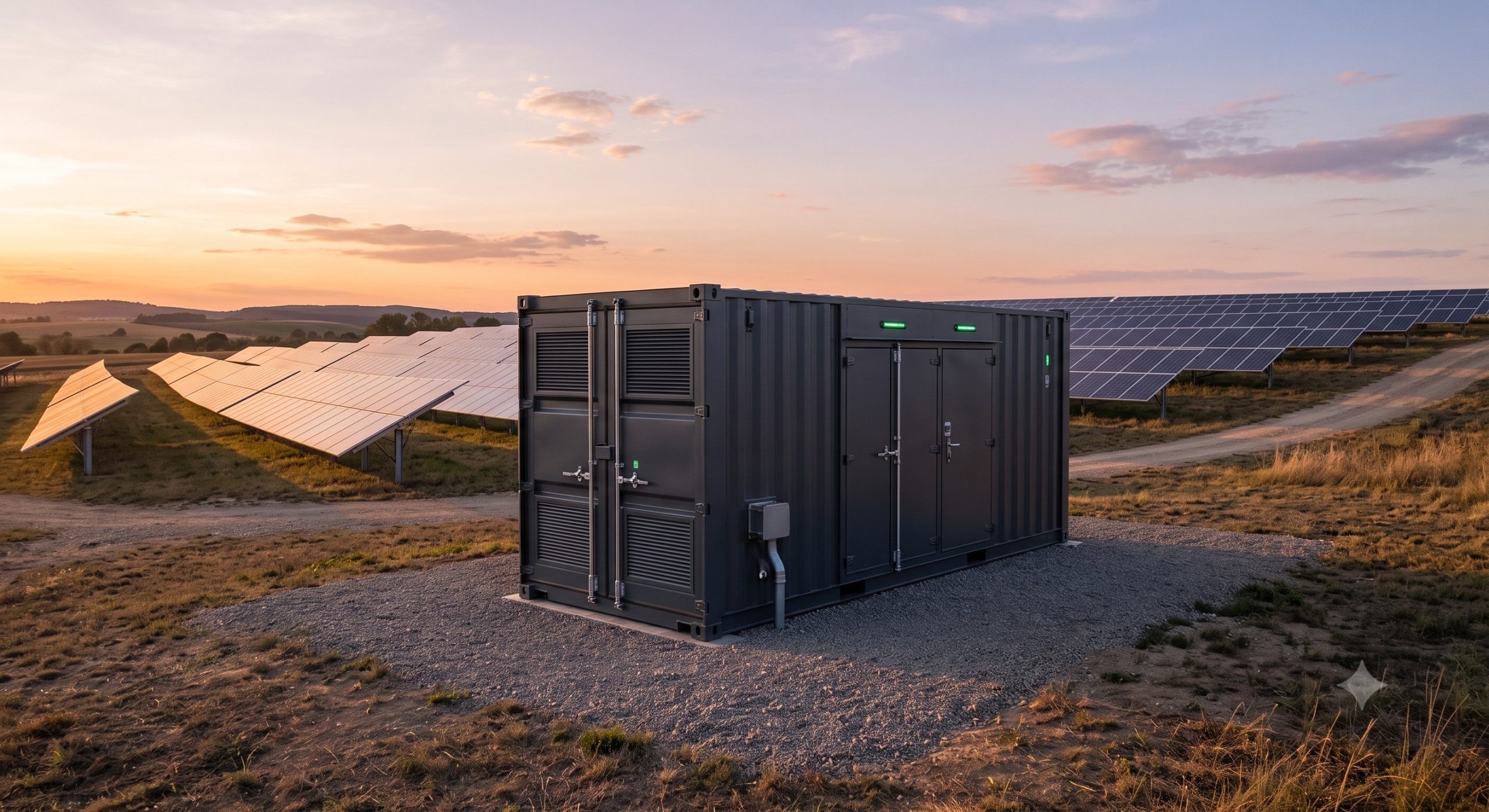
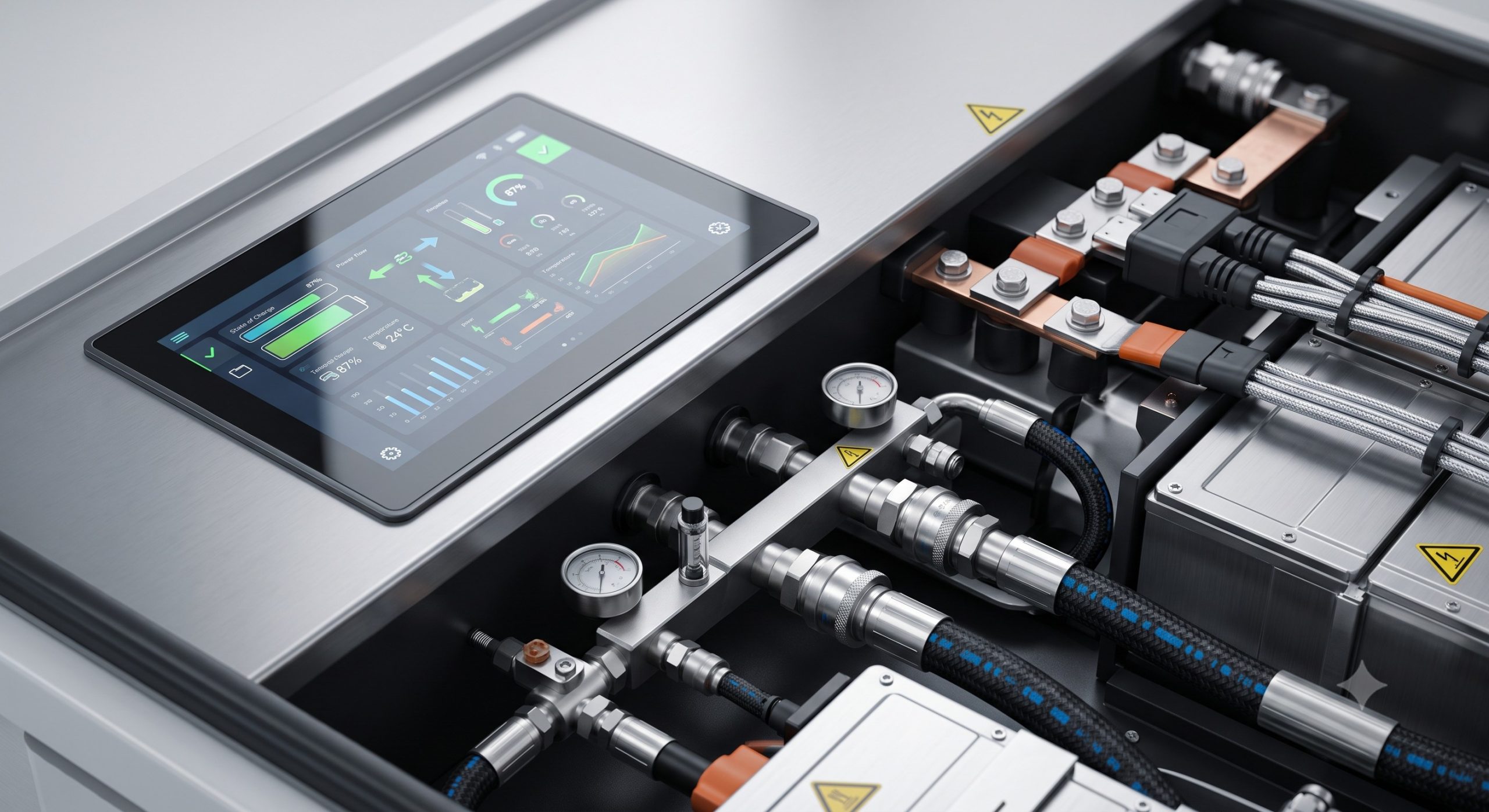
The core of the peak shaving solution is a modular, containerized energy storage system engineered for high-duty-cycle commercial applications. The architecture is built around three primary subsystems: the Power Conversion System (PCS), the Battery Energy Storage System (BESS), and the Energy Management System (EMS). The PCS, a bi-directional grid-interfacing inverter, handles the seamless conversion between AC and DC power, enabling both charging from the grid or on-site solar PV and discharging to support facility loads. The BESS comprises Tier-1 Lithium Iron Phosphate (LFP) battery racks, known for their thermal stability and long cycle life, managed by a sophisticated Battery Management System (BMS) that ensures cell balancing and operational safety. The EMS serves as the central intelligence, utilizing predictive algorithms to forecast facility load profiles, optimize charge/discharge schedules, and dispatch power in real-time to shave peak demand. A multi-layered safety strategy is integrated across all subsystems, including redundant contactors, active thermal management via liquid cooling, and a fire suppression system compliant with NFPA 855 standards, ensuring both personnel and asset protection.
KEY FEATURES
– Feature 1: Intelligent Peak Prediction Algorithm: The proprietary EMS utilizes machine learning to forecast next-day load profiles based on historical data, weather patterns, and facility operational schedules, allowing for proactive battery charging and precise peak shaving.
– Feature 2: High-Performance Liquid Cooling: An advanced liquid thermal management system maintains optimal battery cell temperature across all operating conditions, enhancing round-trip efficiency, extending cell life, and enabling consistent performance in high-temperature industrial environments.
– Feature 3: Tier-1 LFP Cell Integration: Utilizes high-cycle-life prismatic LFP cells with a validated calendar life of over 20 years, providing a safe and durable energy storage foundation with minimal risk of thermal runaway.
– Feature 4: Seamless Grid Interfacing: The PCS supports bi-directional power flow with grid-forming and grid-following capabilities, enabling the system to operate in both on-grid peak shaving and back-up power (islanding) modes for enhanced facility resilience.
– Feature 5: Turnkey Modular Design: Pre-engineered and factory-assembled in a compact outdoor-rated cabinet, simplifying on-site installation, reducing civil works, and allowing for straightforward capacity expansion through parallel configuration.
COMPLIANCE & STANDARDS
The C&I BESS platform is engineered to meet the most stringent global safety and performance standards, ensuring regulatory compliance and facilitating project permitting. The system holds full certification for UL 9540 (Energy Storage Systems and Equipment), signifying compliance with North American safety requirements for the complete storage system. Furthermore, the battery cells and modules are certified to IEC 62619, the international standard for safety requirements for secondary lithium cells and batteries used in industrial applications. The unit also meets UL 1973 (Standard for Batteries for Use in Stationary, Vehicle Auxiliary Power, and Light Electric Rail Applications) and is designed in accordance with NFPA 855 (Standard for the Installation of Stationary Energy Storage Systems). All electrical components are designed to meet relevant IEC and IEEE standards for grid interconnection, ensuring safe and reliable integration with utility networks worldwide.
TECHNICAL SPECIFICATIONS
| Parameter | Specification |
|---|---|
| Nominal Energy Capacity | Up to 1,200 kWh per unit (scalable) |
| Nominal AC Power | Up to 500 kW (continuous) |
| Peak AC Power | Up to 550 kW (for 60 seconds) |
| Cooling Method | Advanced Liquid Cooling (Ethylene Glycol/Water) |
| Cell Chemistry | Tier-1 LFP (LiFePO4) |
| BMS | Centralized, 3-Level (Cell, Module, System) |
| PCS Topology | 3-Level NPC, Bi-directional |
| Round-Trip Efficiency | > 92% (AC-AC, at full load) |
| Operating Temperature Range | -30°C to +55°C (with derating above 45°C) |
| Relative Humidity | 0% to 95% (Non-condensing) |
| Ingress Protection | NEMA 3R / IP54 (Outdoor Rated) |
| Grid Connection | 3-Phase, 480V / 600V AC (60 Hz), or 400V AC (50 Hz) |
| Communication Protocols | Modbus TCP/RTU, IEC 61850, DNP3 |
| Dimension (W x D x H) | ~ 6,058 x 2,438 x 2,896 mm (20-ft Container) |
| Weight | ~ 20,000 kg (depending on configuration) |
INDUSTRIAL DEPLOYMENT
Deploying the system for peak shaving involves a structured engineering process, beginning with a comprehensive on-site audit and load analysis. Our engineering team conducts a detailed 30-day load study to accurately characterize the facility’s consumption patterns, identifying baseline loads, peak demand periods, and potential for demand response participation. Based on this data, a custom system is sized to shave a significant portion of the peak demand, thereby reducing the monthly utility demand charges that often constitute a major portion of a facility’s electricity bill. The turnkey nature of the solution, combined with pre-commissioned software, ensures that the system can be operational in a matter of weeks from delivery. Post-deployment, continuous remote monitoring and diagnostics via our cloud-based platform allow for performance optimization, predictive maintenance, and generation of detailed ROI reports, ensuring the system delivers on its financial promise over its entire lifecycle.
📥 Download Technical Specification
Click the button below to view or download the full official PDF datasheet.