Introduction: The Hidden Cost of Cell Degradation in C&I Energy Storage
In the rapidly evolving landscape of Commercial & Industrial (C&I) energy storage, the difference between a profitable 10-year asset and a premature failure often comes down to a microscopic electrochemical process: lithium cell chemistry stabilization. As B2B buyers transition from diesel reliance to MWh-scale Battery Energy Storage Systems (BESS), the focus has shifted from simple capacity acquisition (kWh) to Levelized Cost of Storage (LCOS) and long-term Round-trip Efficiency (RTE). A system that delivers 5,000 cycles versus one that delivers 8,000 cycles at 90% Depth of Discharge (DoD) represents a multi-million-dollar delta in Total Cost of Ownership (TCO) over a decade. This deep dive explores the engineering protocols, BMS balancing logic, and liquid cooling thermal control required to stabilize Tier-1 LFP cells under aggressive industrial cycling profiles.
Core Architecture & Battery Management: The Stabilization Triad
Electrochemical Stabilization via Tier-1 LFP Chemistry
Stabilization begins at the cathode. Modern C&I systems utilize Lithium Iron Phosphate (LFP) chemistry over Nickel Manganese Cobalt (NMC) due to its superior thermal stability and olivine crystal structure. However, raw chemistry is insufficient without cell-to-pack stabilization. This involves precise electrode calendaring and electrolyte additives that form a robust Solid Electrolyte Interphase (SEI) layer. A stable SEI layer is critical to preventing lithium plating during fast charging—a common failure mode in EV supercharging integration and demand response applications.
Active Balancing via Advanced BMS
Cell divergence is the silent killer of pack lifespan. A Battery Management System (BMS) must perform active balancing to stabilize voltage differentials across 280Ah or larger prismatic cells. High-precision State of Charge (SoC) and State of Health (SoH) estimation algorithms, accurate to within 3%, are required to prevent overcharge-induced thermal runaway and undercharge-induced sulfation. The BMS must dynamically adjust charge/discharge currents based on real-time internal resistance mapping.
Liquid Cooling: Thermal Stabilization for High-Cycle Operations
Thermal stabilization is non-negotiable for >8000 cycle targets. While air cooling is sufficient for low-power applications, Liquid Cooling thermal control maintains cell temperature differentials within ±2°C across the entire rack. This is achieved through cold plates integrated into the module structure, circulating a 50/50 glycol-water mixture. By stabilizing the operating temperature between 20°C and 35°C, operators mitigate the Arrhenius degradation effect—where every 10°C rise in temperature halves the chemical lifespan of the cell.
Technical Specifications: Stabilization Metrics for Procurement
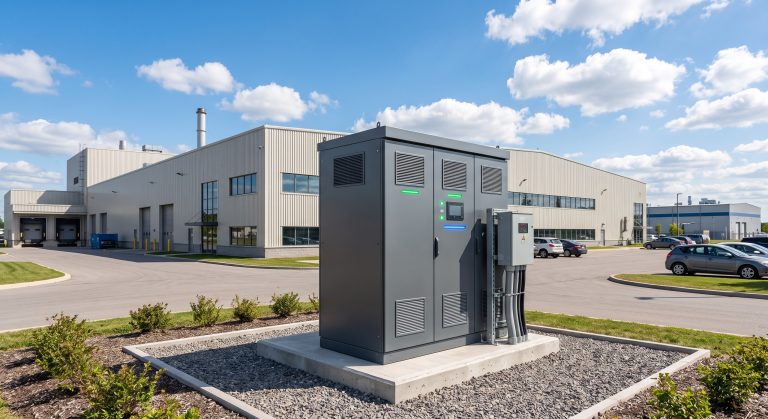
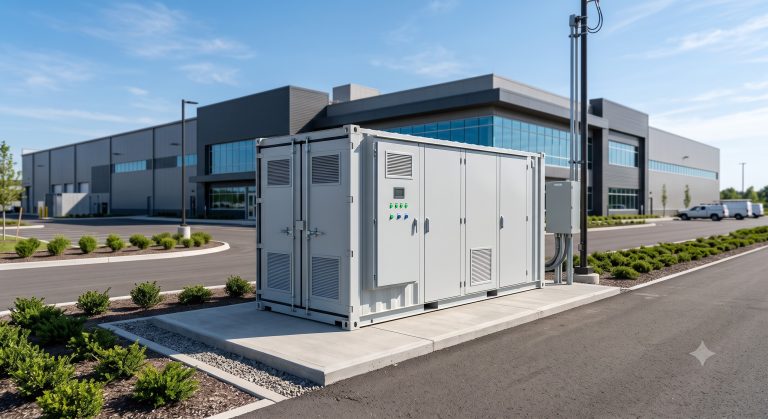
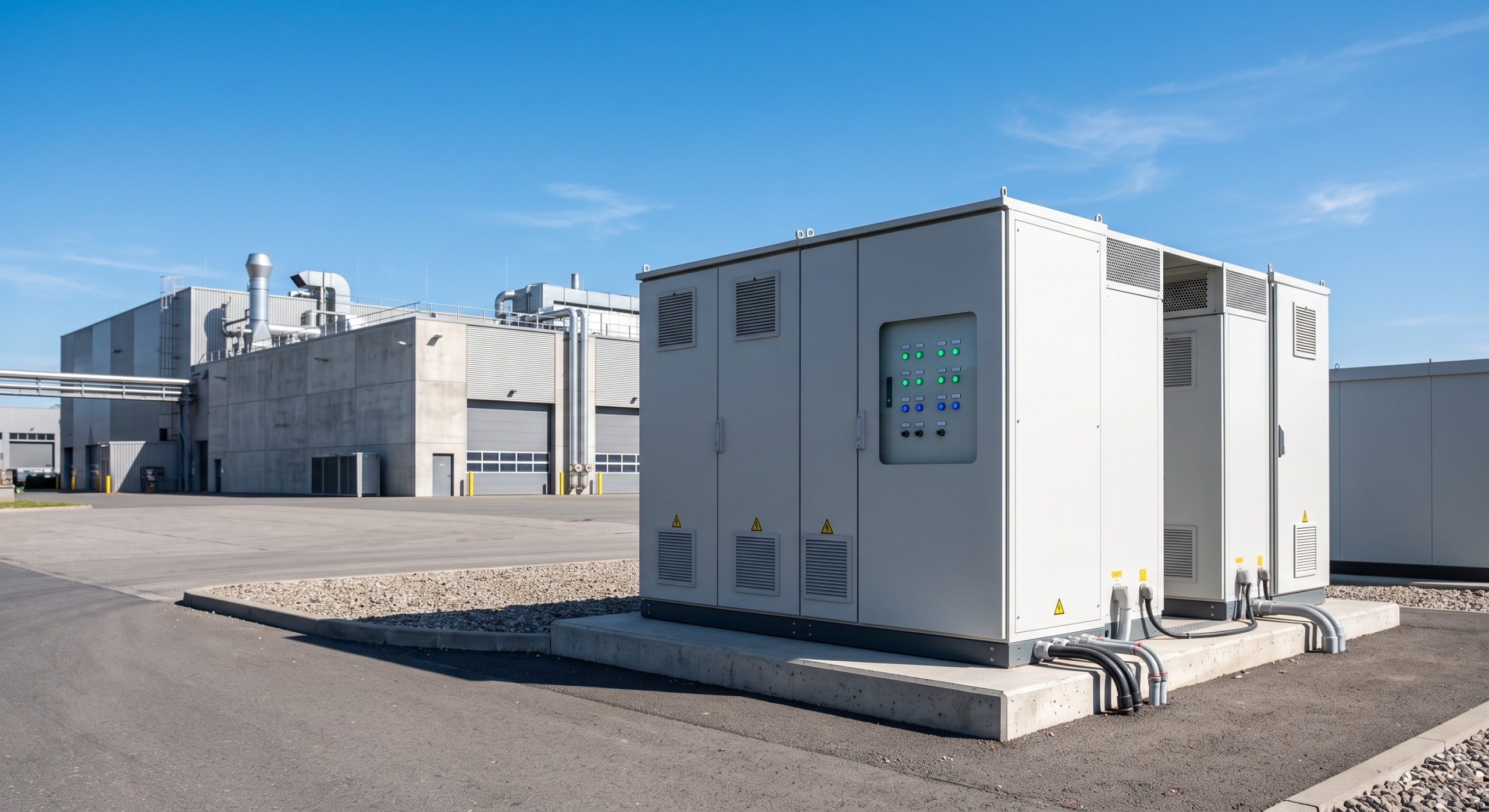
When sourcing containerized BESS or modular cabinets, procurement teams must demand granular data on stabilization parameters. The following table outlines the critical specifications that dictate the long-term viability of a lithium cell chemistry stabilization strategy.
| Key Parameter | Technical Specification |
|---|---|
| Battery Chemistry | Tier-1 LFP (Lithium Iron Phosphate) |
| Cycle Life | >8000 cycles @ 90% DoD, 25°C |
| Round-trip Efficiency | ≥ 90% (DC-DC) |
| Depth of Discharge (DoD) | 90% (Max Continuous) |
| Thermal Management | Liquid Cooling (Cold Plate Integrated) |
| Temperature Differential | ≤ 2°C (Cell to Cell) |
| BMS Balancing | Active Balancing (5A Max) |
| Communication | CAN/RS485/Ethernet (Modbus TCP) |
| Safety Standards | IEC 62619, UL 9540, UN38.3, CE |
| Ingress Protection | IP54 (Cabinet), IP67 (Module) |
Commercial ROI & Grid Support: The Financial Case for Stability
Stabilization is not merely a technical exercise; it is a financial imperative. In peak shaving and demand response markets, the battery must perform reliably under 1C to 2C discharge rates. An unstable cell chemistry results in rapid capacity fade, forcing the system to operate at reduced DoD, thereby eroding the revenue stream from utility incentive capture. By maintaining Round-trip Efficiency (RTE) above 90% and DoD at 90%, a stabilized system can amortize its CapEx 30% faster than a non-stabilized counterpart. Furthermore, stabilized systems qualify for enhanced warranties (e.g., 10 years at 70% EOL), which is a prerequisite for Virtual Power Plant (VPP) aggregation and frequency regulation markets.
Deployment Scenarios: Stabilization in Harsh Environments
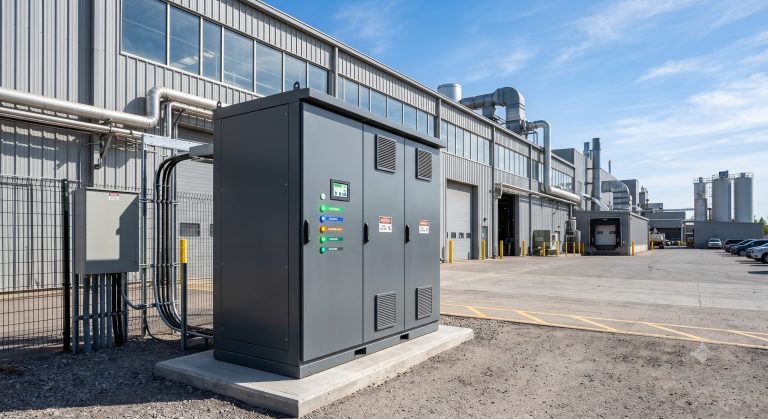
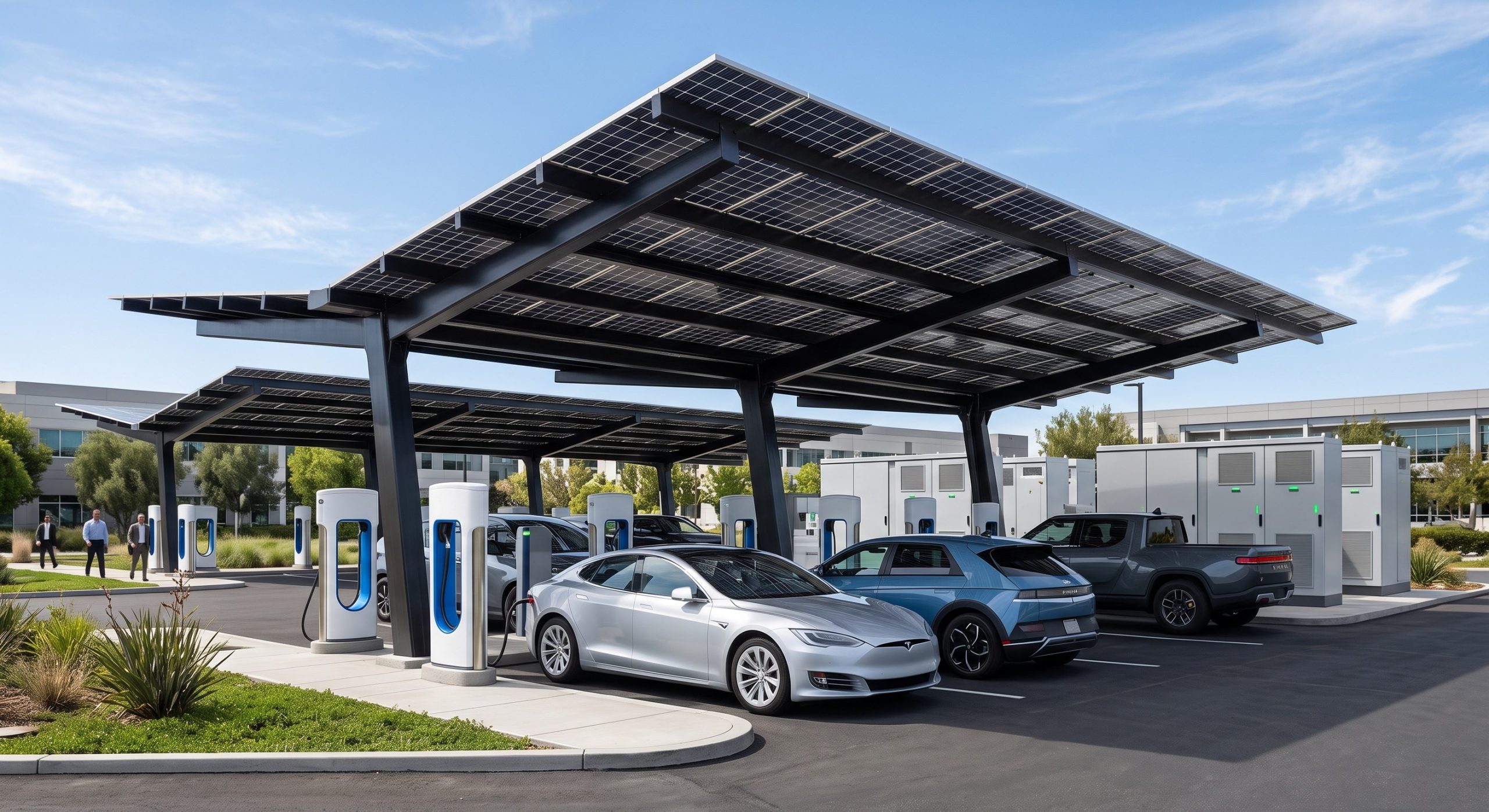
Real-world deployment tests the limits of cell stability. In industrial parks with high ambient temperatures or EV supercharging hubs with high-frequency cycling, the stabilization system must be robust. For example, a 1MW/2MWh system deployed in a Middle Eastern manufacturing facility must rely on liquid cooling to prevent thermal runaway during 45°C summer peaks. Similarly, a PV-Storage-Charging microgrid requires seamless switching between solar charging and grid discharge, demanding a BMS capable of rapid State of Charge (SoC) recalibration without drift.
Conclusion: Engineering Longevity into the Energy Transition
As the C&I sector migrates toward zero-carbon operations, the stability of lithium cell chemistry becomes the bedrock of energy independence. Selecting a BESS with Tier-1 LFP cells, advanced active balancing BMS, and liquid cooling thermal management is not an upfront cost—it is a long-term asset protection strategy. By adhering to IEC 62619 and UL 9540 standards and prioritizing DoD management, facility managers can ensure their energy storage investment delivers reliable, safe, and profitable performance for the next decade.