Overview
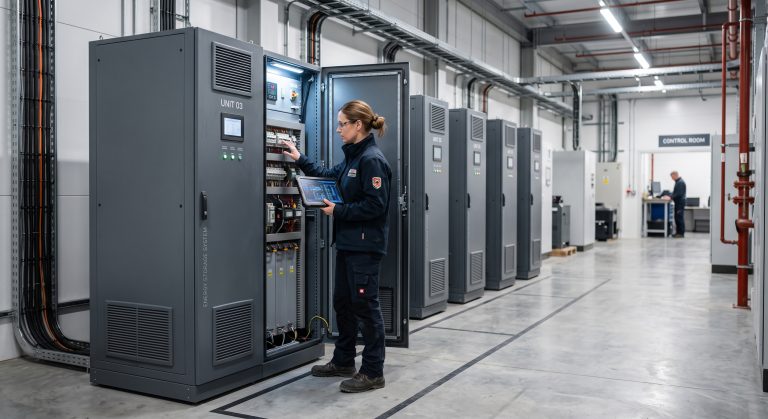
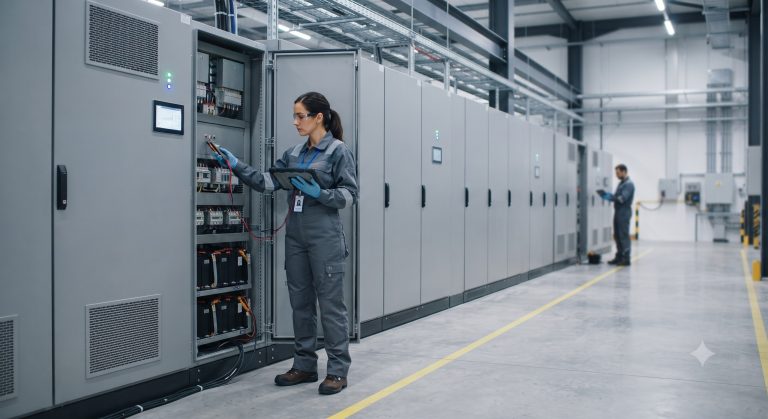
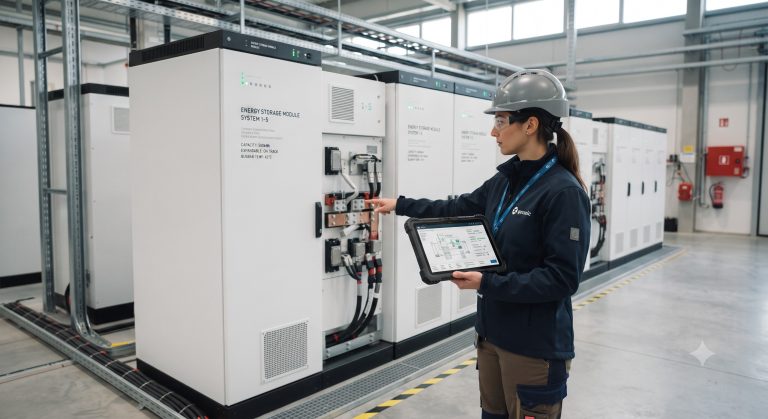
As a B2B Energy Storage System (BESS) Technical Support Engineer, I address the most critical safety question in high-density lithium battery deployments: how the Battery Management System (BMS) prevents thermal runaway. This FAQ covers pre-sales and post-sales queries from plant engineers, procurement teams, and EPC contractors evaluating commercial and industrial BESS installations. Each answer is structured for quick reference and direct application in your next project specification.
Frequently Asked Questions
- Q1: How does the BMS prevent thermal runaway in high-density lithium batteries?
- The BMS prevents thermal runaway by continuously monitoring cell voltage, temperature, and current, then triggering multi-stage protective actions before critical thresholds are breached. It isolates faulty cells, activates liquid cooling, and initiates fire suppression if gas or smoke is detected. This layered defense ensures early intervention at the cell, module, and cabinet levels.
- Q2: What battery chemistry is best for high-density BESS with advanced BMS thermal management?
- LFP (Lithium Iron Phosphate) is the preferred chemistry for high-density BESS requiring advanced BMS thermal management due to its superior thermal stability and higher decomposition temperature. LFP cells exhibit a lower risk of exothermic runaway compared to NMC, making them ideal for commercial and industrial applications. Tier-1 LFP cells paired with active BMS balancing deliver both safety and longevity.
- Q3: What is the typical cycle life and depth of discharge (DoD) for LFP BESS with BMS protection?
- The typical cycle life for LFP BESS is 6,000 to 8,000 cycles at 80% DoD with BMS protection. This is achieved through precise cell balancing and thermal regulation that minimizes degradation. A well-designed BMS maintains cell voltage within ±10 mV, extending pack life and ensuring warranty compliance.
- Q4: How does the BMS integrate with liquid cooling systems to manage thermal runaway risk?
- The BMS integrates with liquid cooling systems by modulating coolant flow and pump speed based on real-time cell temperature gradients. When temperature exceeds a set threshold, the BMS increases cooling capacity and, if necessary, derates charge/discharge power. This closed-loop control prevents hot spots that could initiate thermal runaway.
- Q5: What fire suppression and gas detection mechanisms does the BMS trigger during a thermal event?
- The BMS triggers fire suppression and gas detection by activating aerosol or clean-agent systems upon detecting smoke, VOC gases, or a rapid temperature rise. It also isolates the affected module via contactors and sends alerts to the EMS and remote operators. This multi-tier response contains the event and protects adjacent cabinets.
- Q6: How does the BMS handle grid-tie vs off-grid configuration for safety and thermal runaway prevention?
- The BMS handles grid-tie vs off-grid configuration by adjusting protection thresholds and communication protocols based on the operating mode. In off-grid mode, it prioritizes cell balancing and temperature control during islanding events. In grid-tie mode, it coordinates with the PCS for seamless fault ride-through and anti-islanding protection.
- Q7: What scalability options exist for BESS thermal runaway prevention in parallel cabinet installations?
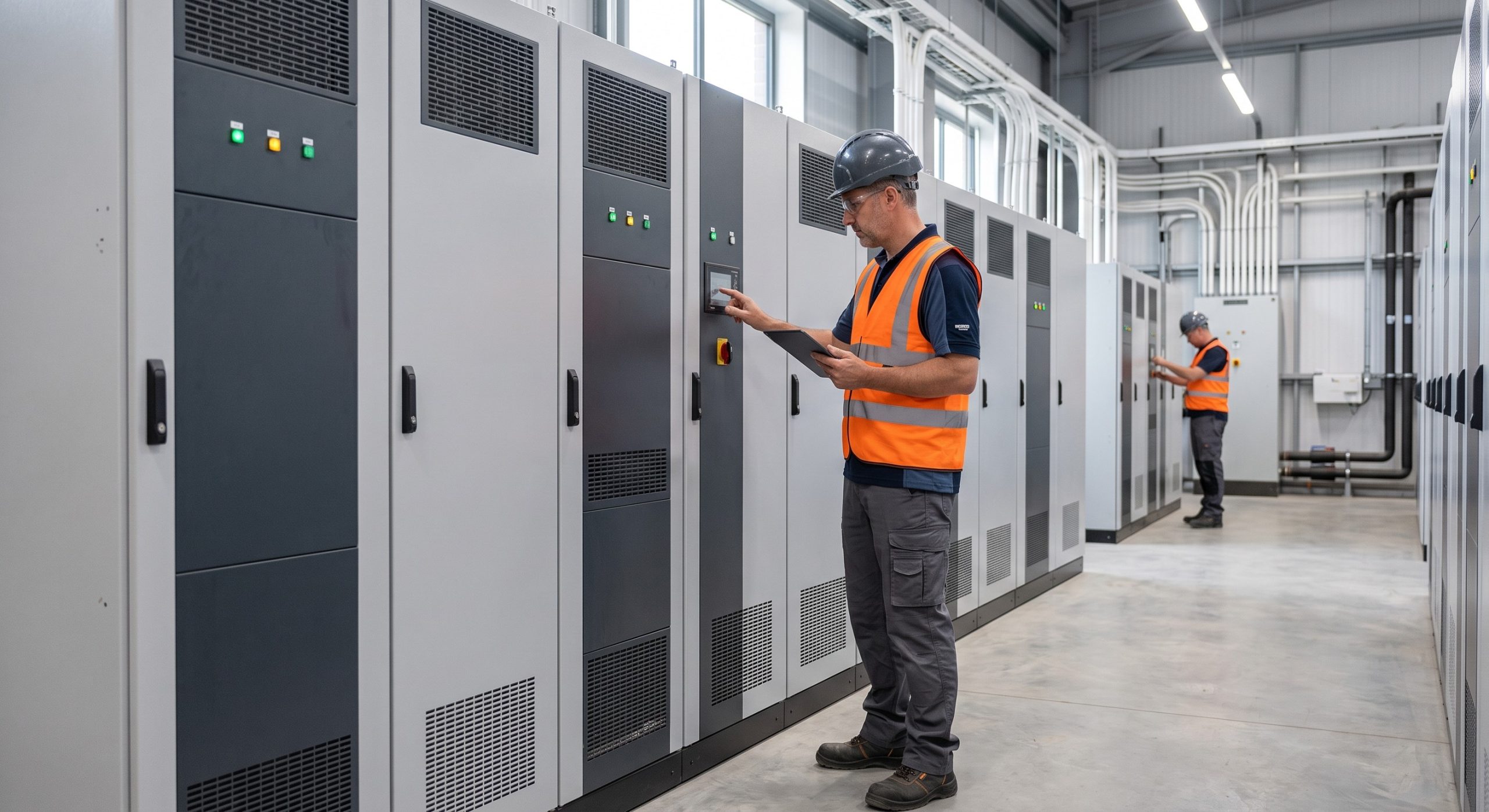
- Scalability options include parallel cabinet connectivity with independent BMS per cabinet and a master BMS for system-level coordination. Each cabinet’s BMS monitors its own cells while sharing thermal data with the central EMS. This architecture allows capacity expansion without compromising thermal runaway prevention.
- Q8: How do I calculate ROI for a BESS with advanced BMS thermal runaway prevention?
- ROI for a BESS with advanced BMS thermal runaway prevention is calculated by comparing peak shaving savings, demand charge reduction, and extended system lifespan against upfront costs. A robust BMS reduces insurance premiums and downtime, improving net present value. Typical payback periods range from 4 to 7 years for commercial installations.