Introduction
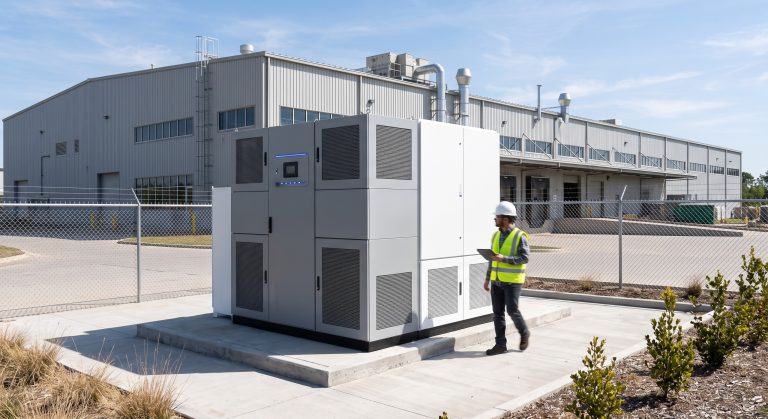
In the current landscape of volatile industrial electricity pricing and global supply chain instability, the strategic sourcing of consistent battery module delivery has transitioned from a logistical necessity to a core pillar of financial and operational resilience for Commercial & Industrial (C&I) enterprises. For project developers, system integrators, and facility managers, the reliability of cell and module supply directly dictates the Levelized Cost of Energy (LCOE) and the bankability of multi-megawatt hour (MWh) assets. This guide provides an authoritative, data-driven blueprint for sourcing battery modules that guarantee not only performance but also long-term grid support capabilities.
Core Architecture & Battery Management for Consistent Delivery
System Capacity and Module Topology
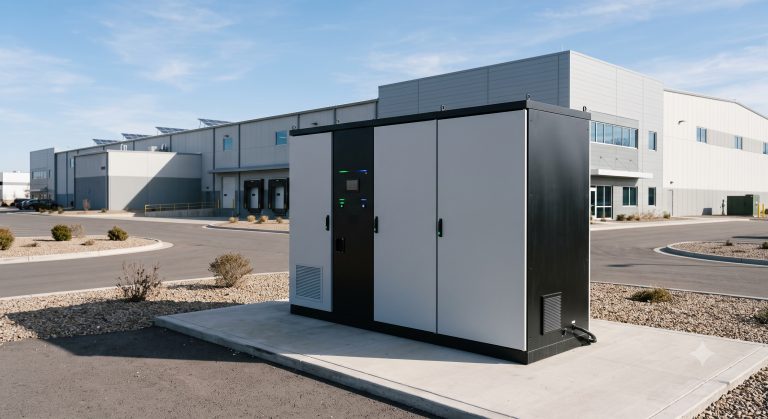
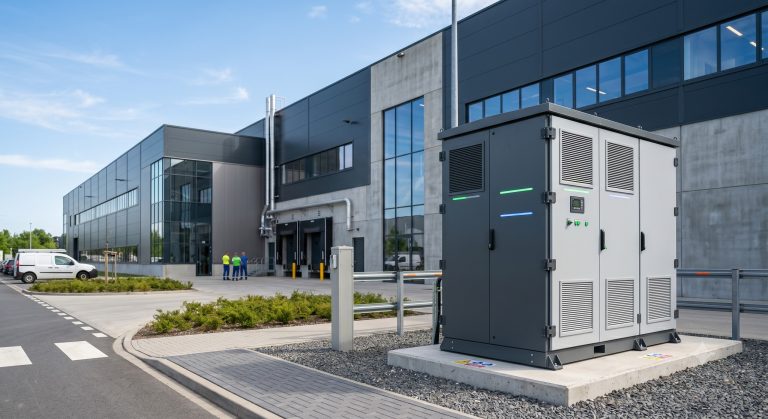
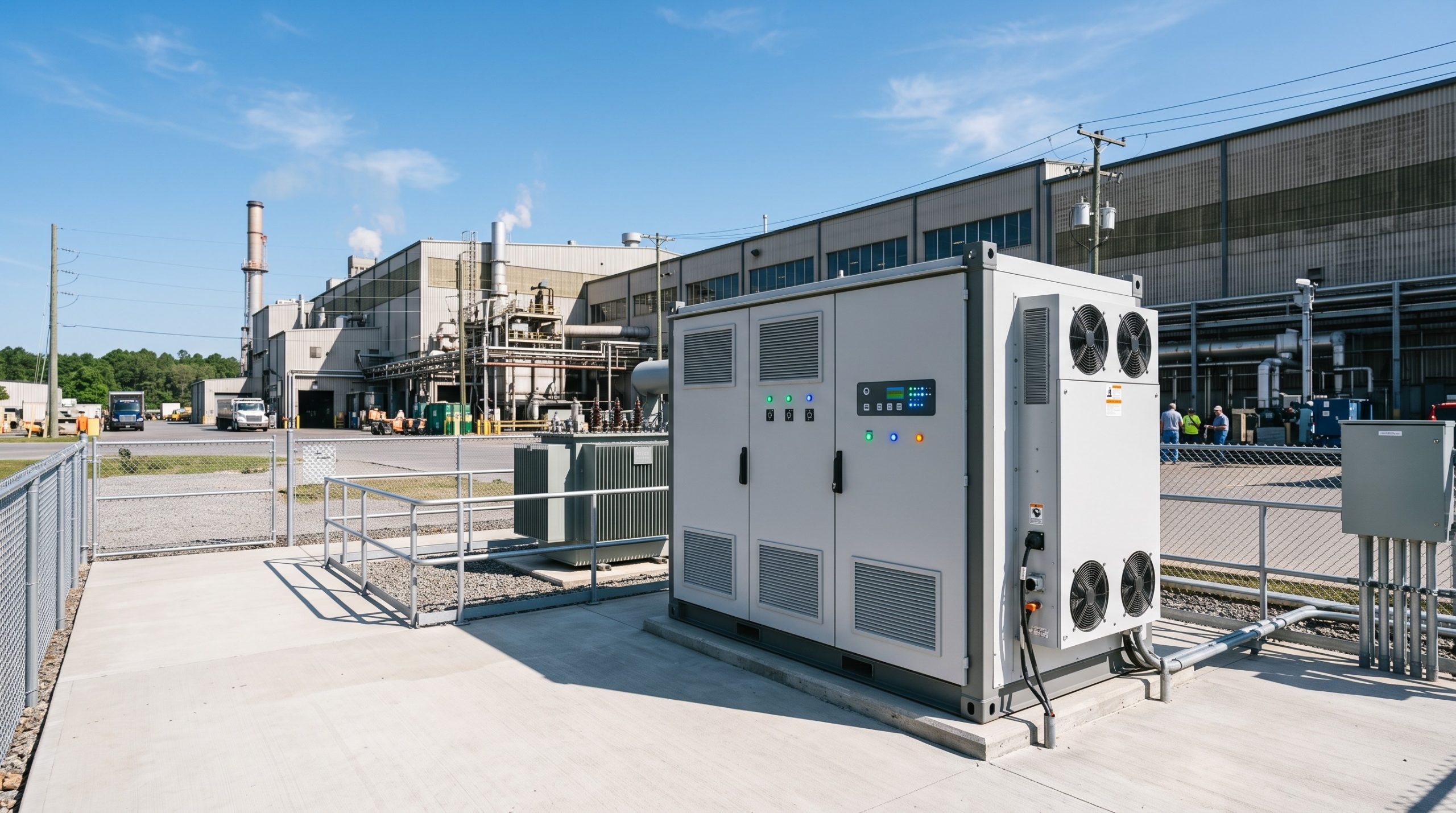
Ensuring consistent battery module delivery begins with defining the physical and electrical architecture. For modern C&I systems, the standard topology has evolved from simple string inverters to modular, high-voltage DC bus systems. A robust system relies on Tier-1 LFP (Lithium Iron Phosphate) cells configured in series to achieve nominal voltages ranging from 600V to 1500V DC. This high-voltage architecture reduces current flow, allowing for thinner, more manageable cabling and minimizing resistive losses. The physical footprint is optimized through high-density cabinet designs, often exceeding 200 kWh per square meter in specific configurations, requiring precise logistics to ensure module delivery aligns with installation schedules.
PCS Integration and Bi-Directional Conversion
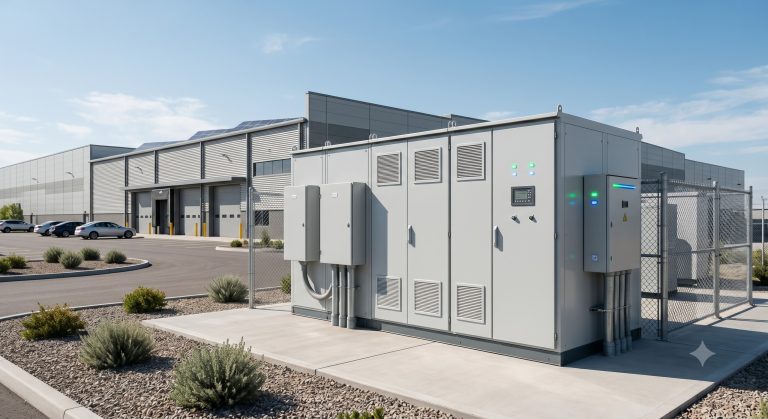
The Power Conversion System (PCS) acts as the interface between the battery DC link and the AC grid. Modern PCS units, rated from 100kW up to 2MW in single units, utilize advanced silicon carbide (SiC) semiconductors to achieve a peak round-trip efficiency of up to 98.5%. Sourcing consistent battery module delivery requires the PCS to be able to handle specific C-rates (typically 0.5C to 1C for peak shaving, and 2C or higher for frequency regulation). Seamless integration is achieved through standardized communication protocols like Modbus TCP/IP or CAN bus, enabling the system to switch seamlessly between grid-connected and off-grid island modes within 20 milliseconds, a critical specification for micro-grid stability.
Thermal Control: Liquid Cooling vs. Air Cooling
Thermal management is the lifeblood of battery lifespan. While air cooling has historically been the standard, high-capacity systems utilizing consistent battery module delivery increasingly rely on liquid cooling. A liquid cooling loop, using a water-glycol mixture circulating through cold plates, maintains cell temperature differentials within a tight ±2°C band. This precision is critical for extending cycle life to exceed 8,000 cycles at 90% Depth of Discharge (DoD). This technology allows for higher energy density packing, as modules can be placed closer together without the risk of thermal runaway propagation, a key compliance factor for standards like UL 9540A.
| Key Parameter | Technical Specification |
|---|---|
| Battery Chemistry | Tier-1 LFP (Lithium Iron Phosphate) |
| Cycle Life | >8000 cycles @ 90% DoD (under liquid cooling) |
| System Capacity Range | 500 kWh to 5 MWh per unit |
| Round-Trip Efficiency | Up to 98.5% (including PCS losses) |
| Safety Compliance | IEC 62619, UL 9540, UN38.3 |
| Thermal Management | Liquid Cooling (Water-Glycol) with ±2°C cell differential |
| Operating Temperature Range | -20°C to +50°C (with derating above 45°C) |
| Response Time (EMS) | < 100 ms for grid dispatch signals |
Commercial ROI & Grid Support
Peak-Shaving ROI and Total Cost of Ownership (TCO)
Financial modeling for C&I storage hinges on the availability of consistent battery module delivery. Peak-shaving strategies involve discharging the battery during peak demand windows to reduce demand charges, which often constitute 30-50% of a commercial facility’s electricity bill. A 1MW/2MWh system sourced with high-quality modules can achieve a payback period of 3 to 5 years, depending on local utility tariffs. The LCOE is heavily influenced by cycle life; a module delivering >6,000 cycles reduces the effective cost per stored kWh to roughly $0.05-$0.08, often below the retail price of grid electricity during peak hours.
VPP Readiness and Frequency Regulation
Beyond on-site optimization, these assets are increasingly being leveraged for Virtual Power Plant (VPP) aggregation. Sourcing consistent battery module delivery ensures that the system has the rapid response times required for grid frequency regulation services. With an EMS (Energy Management System) capable of dispatching power within 100 milliseconds, these assets provide fast-ramping reserve capacity that helps stabilize grid frequency (50/60 Hz). Participation in ancillary services markets can generate a secondary revenue stream, improving ROI by an additional 15-25% annually.
Deployment Scenarios
Industrial Parks and Micro-Grids
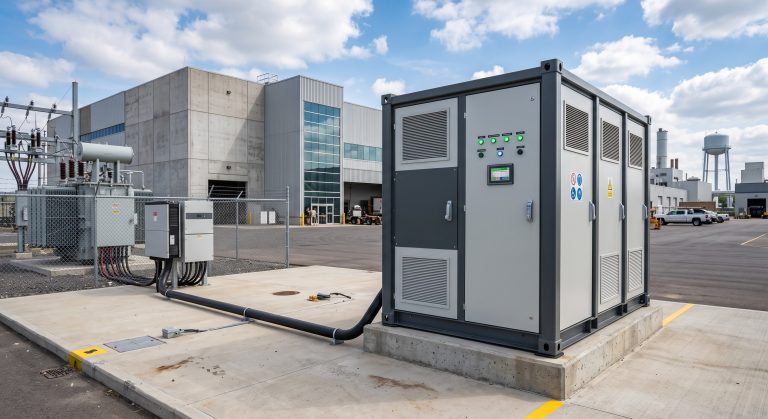
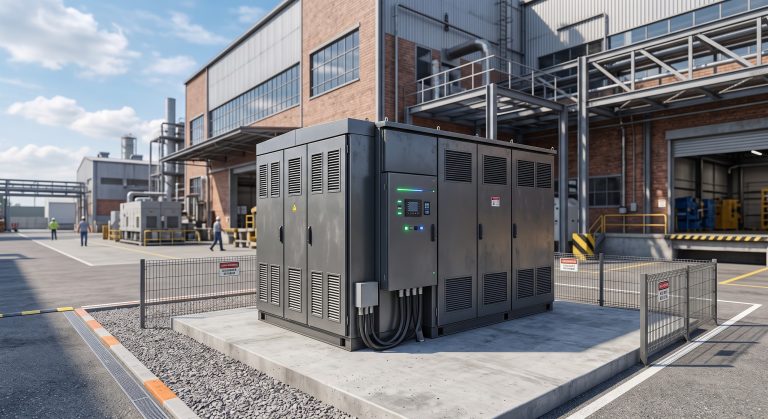
For industrial parks operating heavy machinery, consistent power quality is paramount. A Brownfield installation utilizing consistent battery module delivery can create a seamless grid transition, protecting sensitive manufacturing equipment from voltage sags and transients. The modules serve as a buffer, allowing for peak load leveling and enabling the facility to participate in demand response programs without disrupting operations. This enhances energy independence, ensuring the plant can run critical loads during grid outages for several hours.
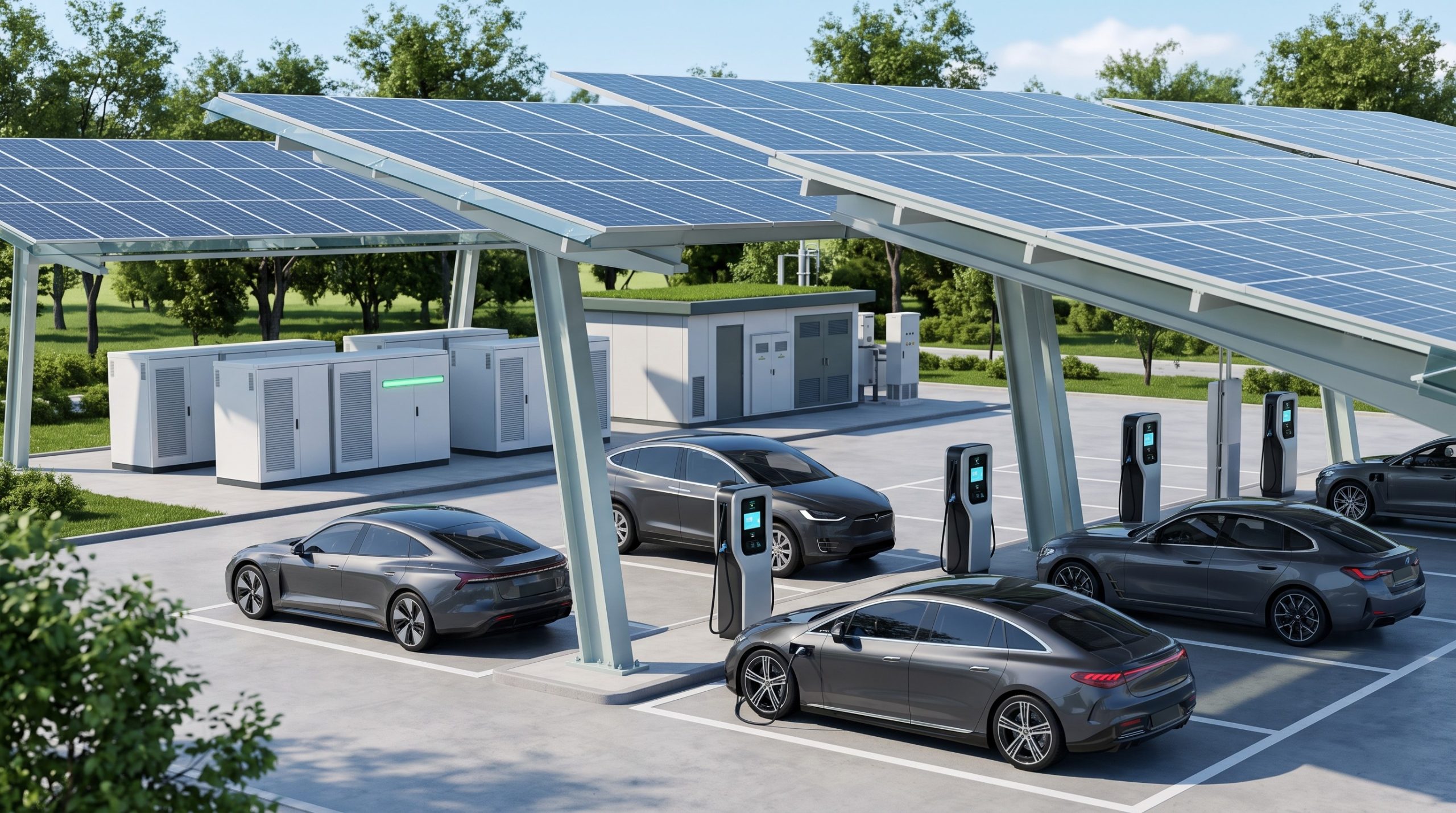
PV-Storage-Charging (光储充) EV Supercharging Stations
The synergy between solar PV and storage is optimized in the EV charging ecosystem. Sourcing a consistent supply of high-cycle modules allows a charging station to buffer the high short-term power demands of several ultra-fast (350kW) chargers. By storing solar energy during the day and releasing it during the evening peak, the station reduces grid import costs and provides a stable power source, minimizing strain on the local transformer. This creates a green, self-sustaining hub that significantly increases the station’s load factor and profitability.
Conclusion
Mastering the sourcing strategy for consistent battery module delivery is a multifaceted engineering and procurement challenge that directly impacts the financial viability and operational security of C&I energy storage projects. By focusing on Tier-1 LFP cell quality, advanced liquid cooling thermal management, and strict adherence to global safety standards, stakeholders can build resilient assets that maximize ROI. As the industry moves toward higher-capacity, grid-interactive systems, prioritizing delivery consistency ensures reliability, extends asset life, and accelerates the transition toward a decarbonized industrial infrastructure.