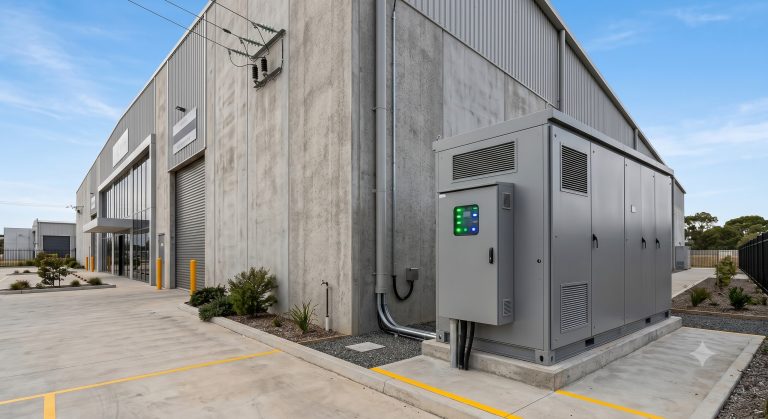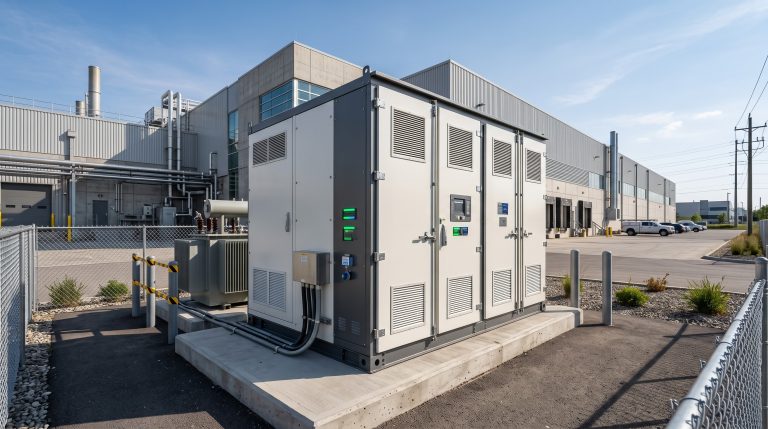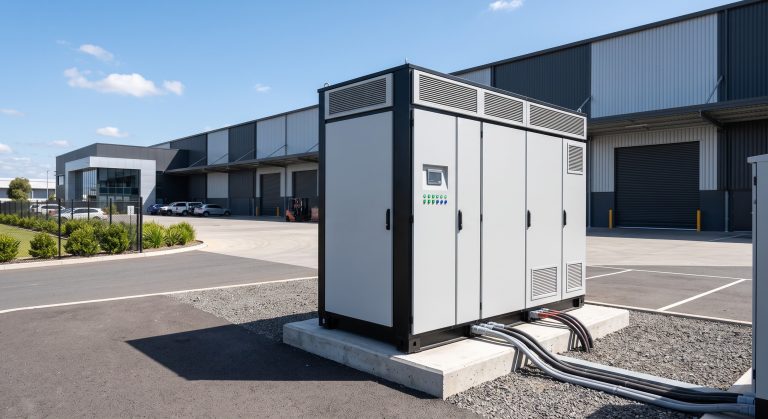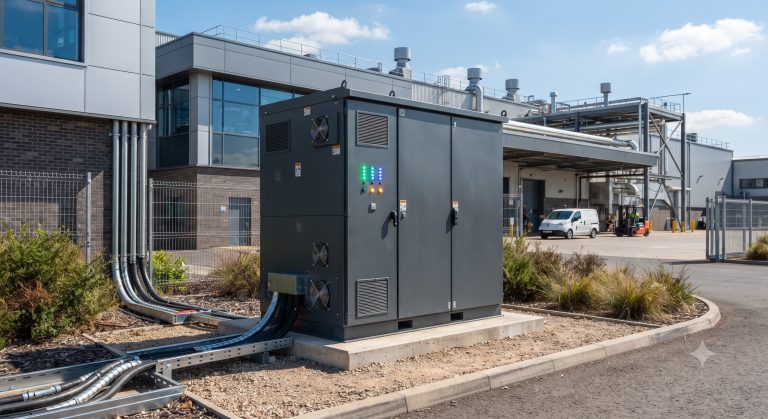
Introduction: The New Imperative for Residential Energy Infrastructure
The global energy transition is accelerating, and the residential sector is no longer a passive consumer but an active participant in the distributed energy landscape. For B2B stakeholders—from property developers and utility companies to renewable energy project managers—the concept of minimalist home battery design represents a paradigm shift. It moves beyond mere aesthetics, embedding sophisticated engineering and software intelligence into compact, high-performance units. This is not about stripping away functionality; it is about integrating Tier-1 LFP battery cells, advanced Battery Management Systems (BMS), and bi-directional Power Conversion Systems (PCS) into a streamlined, modular package that optimizes Total Cost of Ownership (TCO) and grid resilience.
As commercial and industrial (C&I) entities explore behind-the-meter storage, the focus is intensifying on solutions that offer rapid deployment, high round-trip efficiency, and robust safety certifications. This guide provides a comprehensive technical deep-dive, analyzing the core architecture, data-driven performance metrics, and the regulatory landscape that defines today’s most sophisticated minimalist battery storage solutions. We move beyond marketing hype to dissect the engineering specs that truly matter for large-scale adoption and long-term asset value.
Core Architecture & Battery Management: The Engineering Backbone
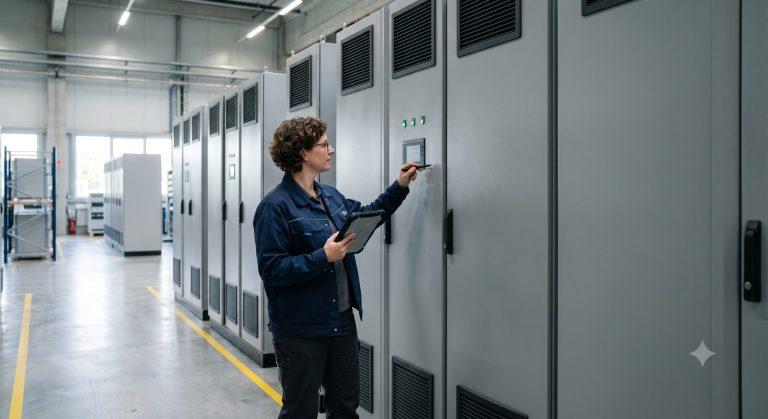
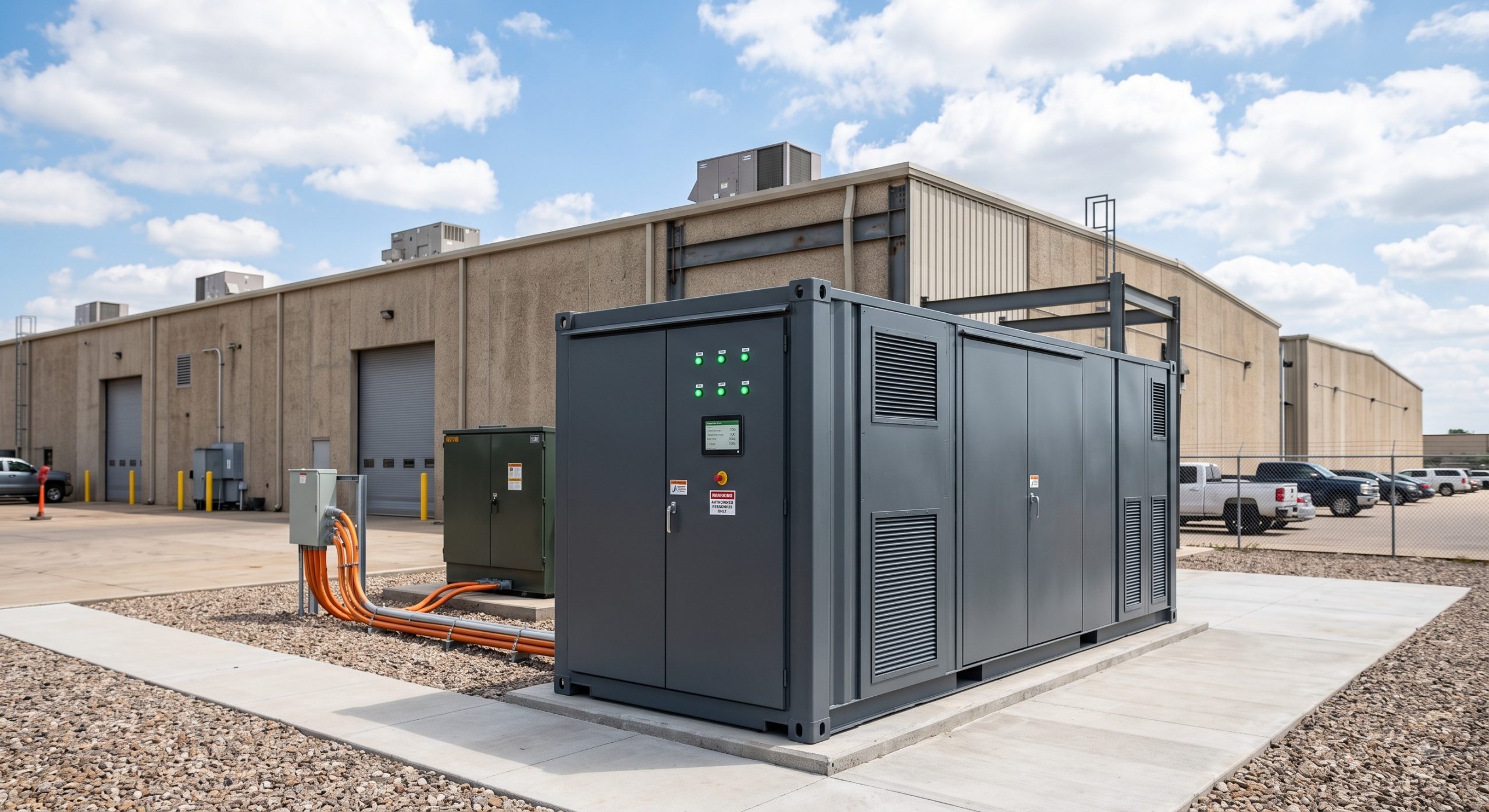
At the heart of modern minimalist designs lies a strategic integration of power electronics and electrochemistry. The architecture is defined by its modularity and intelligent control, which simplifies installation and enhances system reliability.
Advanced Battery Management System (BMS) and Cell Balancing
The BMS is the centralized intelligence, responsible for monitoring individual cell voltages, temperatures, and state of charge (SOC) with millisecond-level precision. In a minimalist design, the BMS is hardened to manage high-ampacity strings of LFP cells. A key differentiator is its active/passive cell balancing algorithm, which ensures all cells within a string operate at uniform voltage levels, preventing capacity degradation over time. This contributes directly to the exceptional cycle life, often rated at >8000 cycles at 90% DoD. Furthermore, the BMS integrates with the thermal management system to proactively prevent thermal runaway, conforming to rigorous safety standards like IEC 62619 and UL 9540.
Power Conversion System (PCS) and Bi-Directional Inverter Technology
Minimalist systems incorporate next-generation PCS units that deliver high-frequency isolation and high conversion efficiency, typically achieving a round-trip efficiency of >92%. These smart inverters enable seamless AC coupling with existing PV arrays and provide critical grid-support functions like frequency regulation, voltage support, and anti-islanding protection. The bi-directional nature of the PCS facilitates seamless transition between grid-tied and off-grid modes, making it a vital component for micro-grid integration and ensuring uninterrupted power for critical loads.
Thermal Management: Liquid Cooling vs. Air Cooling Optimization
Efficient thermal control is paramount for maintaining performance and extending battery life. Many advanced minimalist cabinets are adopting liquid cooling technology over traditional forced-air systems. Liquid cooling offers superior thermal uniformity, maintaining cell temperatures within a narrow +/-2°C range, which is critical for preventing capacity fade and ensuring consistent power output under high C-rate conditions. This precision thermal control is essential for demanding applications like EV fast-charging integration.
Technical Specifications & Certifications
When evaluating solutions, a data-driven approach is essential. The following table outlines the key performance metrics and compliance standards that define an elite minimalist home battery system.
| Key Parameter | Technical Specification |
|---|---|
| Battery Chemistry | Tier-1 LFP (Lithium Iron Phosphate) |
| System Capacity | 5 kWh to 100+ kWh (Modular, Scalable) |
| Round-Trip Efficiency | >92% (DC/AC) |
| Cycle Life | >8000 cycles @ 90% Depth of Discharge (DoD) |
| Operating Voltage Range | 150-800 Vdc |
| Certifications | UL 9540, IEC 62619, CE, UN38.3 |
| Thermal Management | Advanced Liquid Cooling (Optional) / Forced Air |
| Scalability | Parallel connection for multi-MWh deployments |
Commercial ROI & Grid Support Economics
For C&I project developers, the economic case is driven by peak shaving and demand charge management. By deploying a minimalist system, facilities can strategically discharge stored energy during high-tariff periods, reducing their monthly electricity bills by up to 20-35% on the demand charge component. The financial model is further enhanced by participation in ancillary service markets, including frequency regulation and Voltage/VAR support.
Analyzing the Levelized Cost of Storage (LCOE) reveals that high cycle life (e.g., >8000 cycles) and low degradation rates amortize the upfront CAPEX over a 10-15 year lifespan, yielding a compelling business case. The integration of a sophisticated Energy Management System (EMS) enables automated bidding strategies in Virtual Power Plant (VPP) networks, converting grid flexibility into a new revenue stream.
Deployment Scenarios and Industrial Synergy
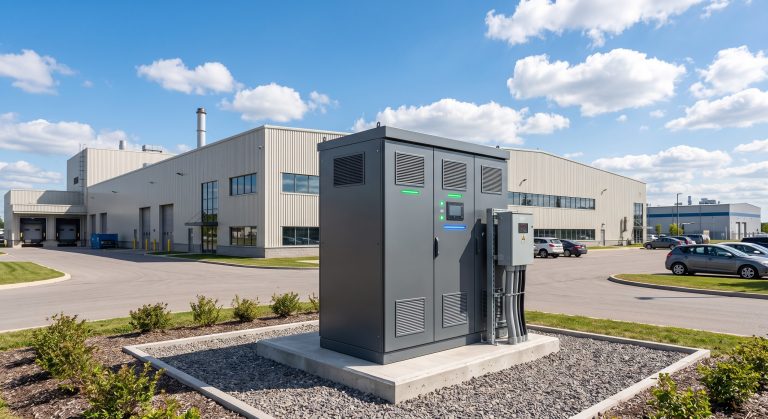
The true potential of minimalist home battery designs is fully realized in diverse, high-demand environments. These systems are not just for residential backyards; they are powerful tools for commercial facilities.
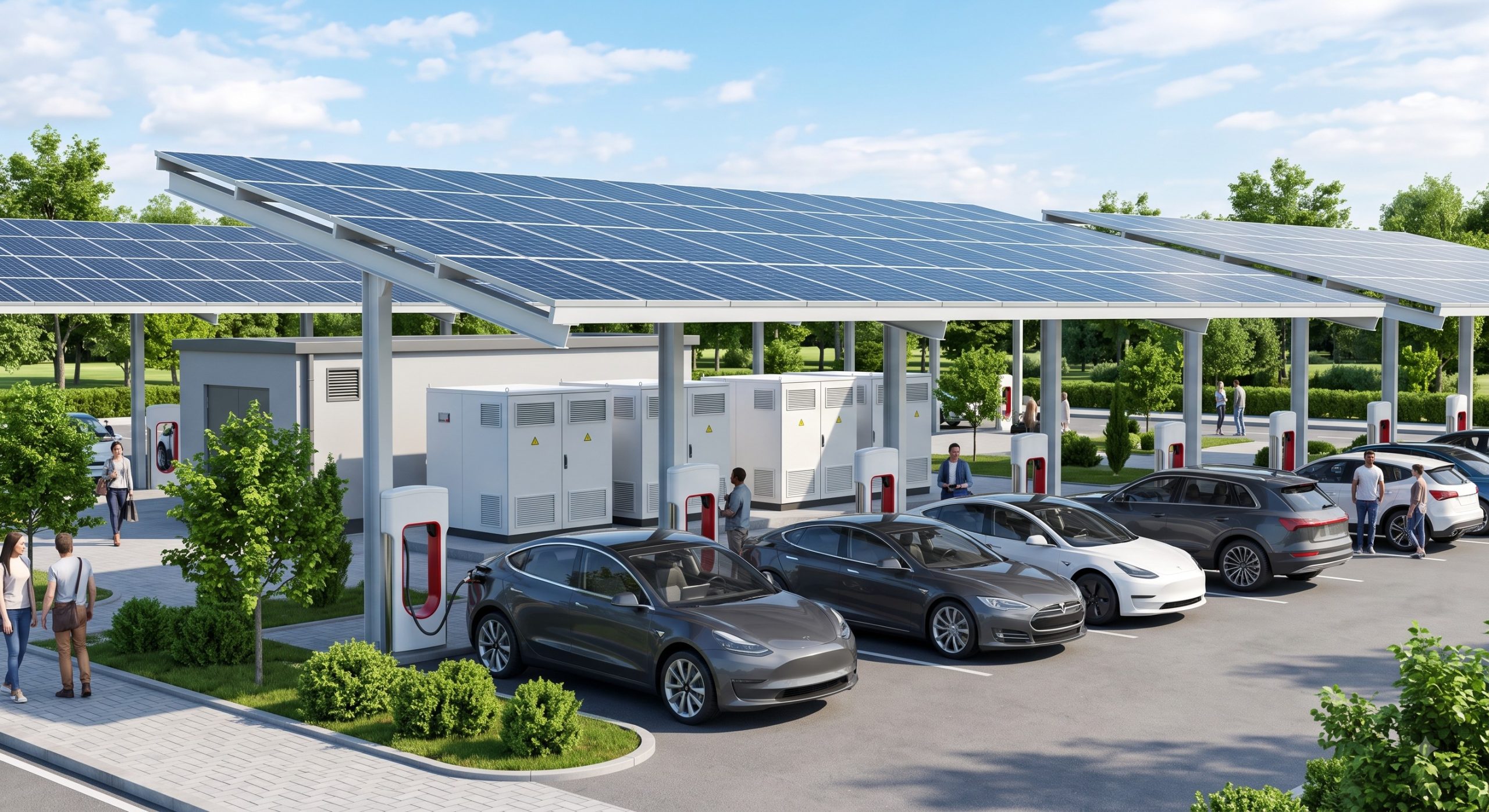
- PV-Storage-Charging (光储充) Hubs: The architecture is ideal for EV supercharging stations. The battery buffers high-power demand, smoothing the load curve on the grid and enabling the installation of fast chargers without costly grid upgrades. The system supports simultaneous PV integration, creating a green charging ecosystem.
- Industrial Parks and Factories: In settings with heavy industrial loads, these systems provide capacity firming and backup power. They protect against production losses caused by voltage sags or outages, ensuring operational continuity.
- Remote Micro-Grids: The modularity of minimalist designs makes them ideal for off-grid or weak-grid applications. They offer a cleaner, quieter, and more cost-effective alternative to diesel generator sets, particularly when paired with solar PV.
Conclusion: Engineering Simplicity for a Decarbonized Future
Minimalist home battery design is a testament to advanced engineering convergence. It encapsulates what the industry demands: safety, performance, intelligence, and reliability—all within a compact, scalable footprint. For B2B stakeholders, embracing these engineered systems is a strategic move toward energy independence and operational resilience. As we approach a zero-carbon grid, the adoption of high-performance, certified, and architecturally sound storage solutions will differentiate industry leaders. Focus on the data—the cycle life, the efficiency metrics, and the compliance standards—and invest in a future powered by intelligent, minimalist energy storage.