Overview
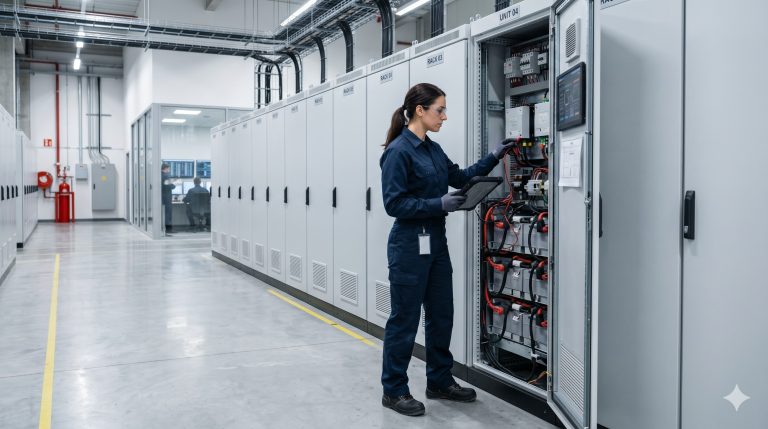
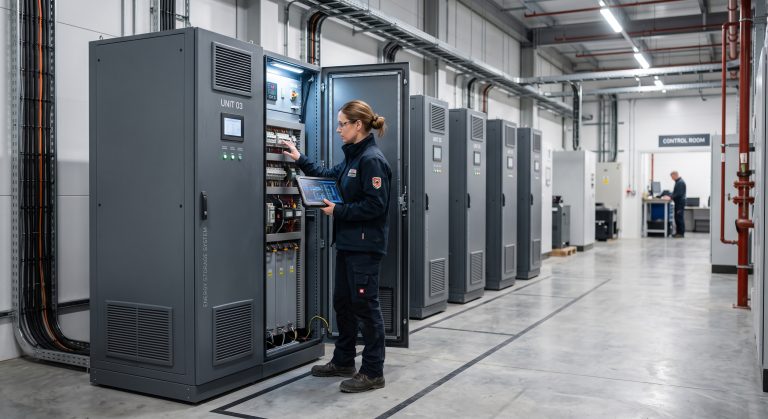
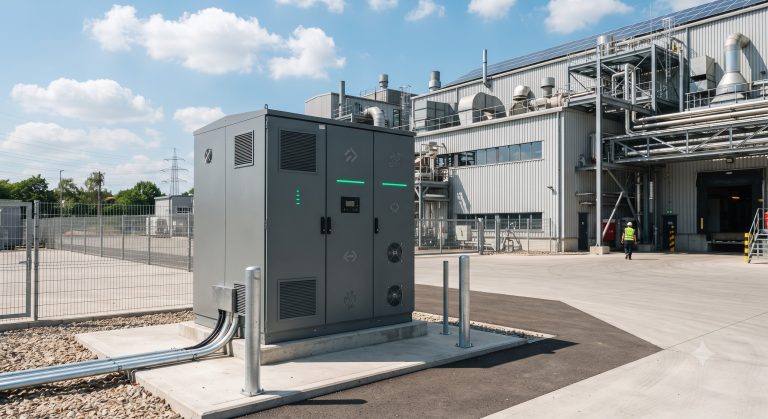
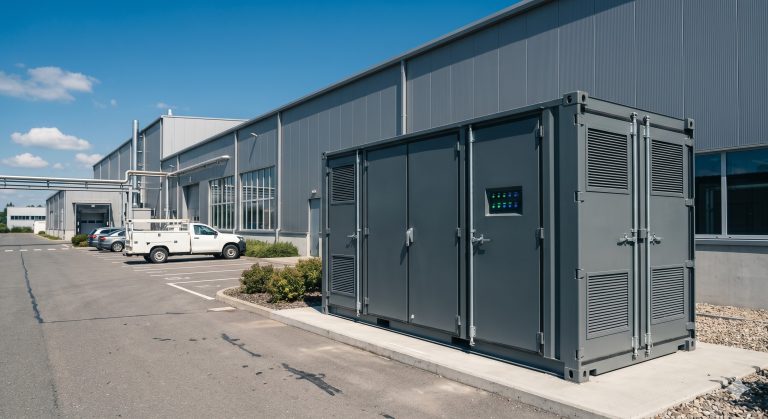
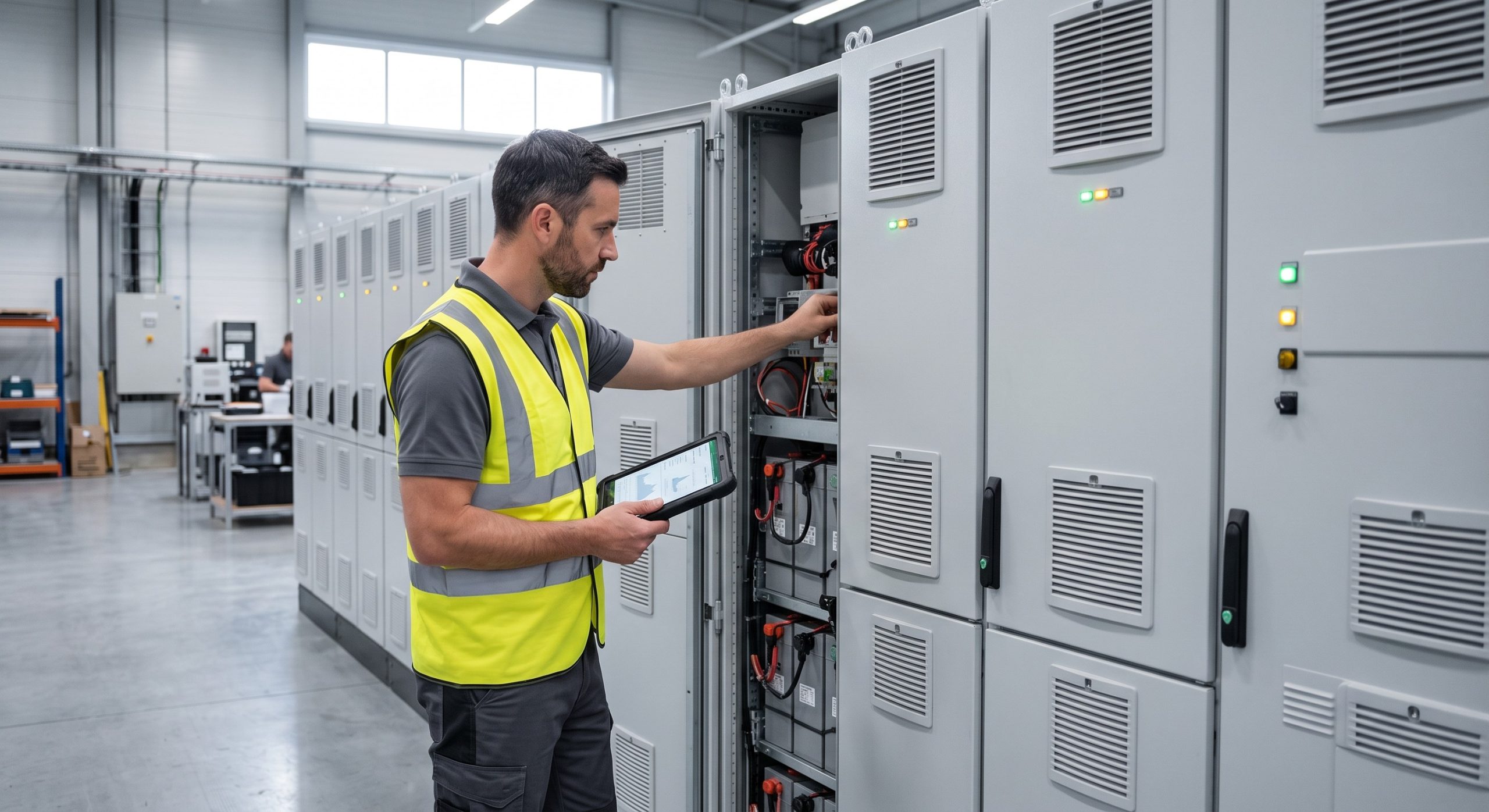
When sourcing a containerized Battery Energy Storage System (BESS), one of the first questions procurement managers, plant engineers, and system integrators ask is about internal layout flexibility. The simple answer is yes, but the extent of customization depends on your specific application, battery chemistry, cooling requirements, and safety protocols. This FAQ covers the most critical pre-sales and post-sales questions from BESS experts, focusing on whether the internal layout of the container ESS is customizable to meet your project’s unique demands.
Frequently Asked Questions
- Q1: Is the internal layout of the container ESS customizable to fit different battery chemistries and capacities?
- Yes, the internal layout of a container ESS is fully customizable to accommodate different battery chemistries (LFP, NMC) and capacity requirements (from 1MWh to 5MWh+ per unit). The design can be tailored to adjust the number of racks, shelf spacing, and DC busbar connections. For instance, swapping from a standard 280Ah LFP cell to a 314Ah or 320Ah cell requires modifying the rack footprint and cooling duct routing, but this is a standard engineering adjustment.
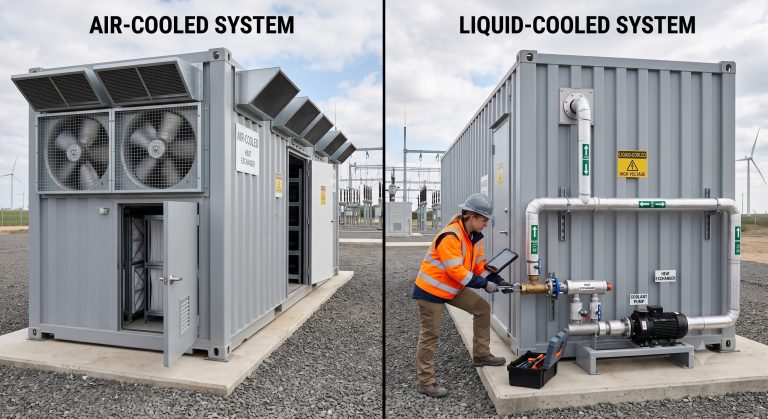
- Q2: What customization options are available for the thermal management and cooling system within the container?
- The internal layout can be fully customized to incorporate either forced-air cooling or advanced liquid cooling (cold plates/immersion) systems. For liquid cooling, we can reconfigure the internal piping, manifold positions, and glycol distribution units to optimize space and ensure uniform cell temperatures. This customization is crucial for high- C-rate applications (e.g., EV supercharging integration) to prevent thermal runaway and extend cycle life.
- Q3: Can the battery management system (BMS) and power conversion system (PCS) be integrated directly into the container, and how does that affect layout?
- Absolutely. We can customize the container layout to include a dedicated electrical compartment for the BMS and PCS (power conversion system). This often involves creating a firewall-separated section within the same unit to isolate AC/DC conversion equipment. The layout can be adjusted to minimize DC cable lengths between the battery racks and the PCS, which improves system efficiency and reduces parasitic losses.
- Q4: How does the container layout accommodate fire safety mechanisms and thermal runaway prevention?
- Our container ESS layouts are specifically designed to integrate multi-tier fire safety systems, including aerosol suppression, water mist nozzles, and gas detection modules. The internal physical layout can be customized to create specific ‘isolation zones’ and explosive exhaust vent paths. We can arrange battery racks to ensure unobstructed access for firefighting agents and strategically place sensors for early gas/smoke detection, meeting UL 9540A standards.
- Q5: Is the container ESS layout modular for future scalability and parallel connection?
- Yes, the internal layout is designed with future scalability in mind. We can customize the DC busbar linkage area to facilitate easy parallel cabinet connectivity. This often means pre-configuring cable trays and connection terminals at both ends of the container to allow ‘daisy-chaining’ of additional units. This modular approach ensures you can expand capacity from a standard 2MW system up to 100MW+ without redesigning the core infrastructure.
- Q6: How does the customization of the internal layout impact the overall return on investment (ROI) and levelized cost of energy (LCOE)?
- Strategic customization directly improves ROI and reduces LCOE. By optimizing the layout for specific peak shaving or arbitrage applications, you can fit a larger capacity kWh within the same footprint, or improve the round-trip efficiency by reducing thermal gradients and electrical losses. A well-designed layout also simplifies maintenance, reducing O&M costs over the 10-year lifecycle. We can calculate a custom LCOE model based on your specific site and energy usage patterns.
- Q7: Can the container be configured for grid-tie or off-grid (islanding) modes, and does the layout change?
- The internal layout is flexible to support both grid-tie and off-grid configurations. For off-grid/islanding applications, we often customize the internal space to include additional black-start equipment or larger generator connection breakers. For grid-tie, the emphasis is on optimizing the PCS and EMS for demand response, which may involve layout changes to incorporate advanced metering and communication hardware.
- Q8: What are the typical customization lead times and testing protocols for a custom container ESS layout?
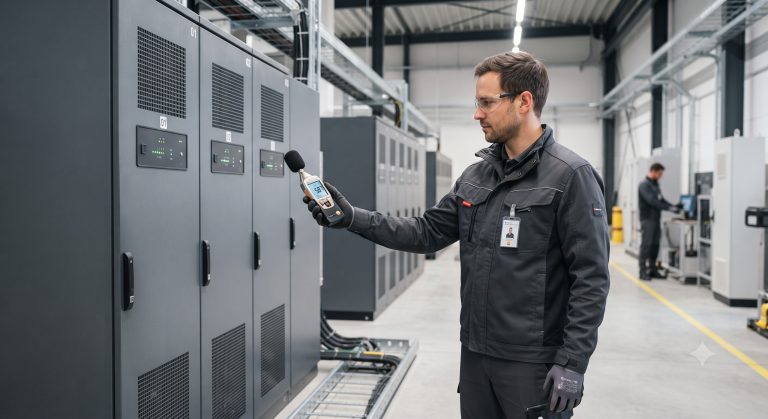
- The lead time for a custom layout typically ranges from 12 to 20 weeks, depending on the complexity of the electrical and plumbing designs. We follow a strict FAT (Factory Acceptance Test) protocol where the fully assembled container is tested on our premises. The layout customization is validated through thermal imaging, insulation resistance testing, and full capacity cycle testing to ensure safety and performance before global sea freight shipment.