Introduction: The Critical Role of the Energy Storage Micro-controller in Modern C&I ESS
In the rapidly evolving landscape of Commercial & Industrial (C&I) energy storage, the energy storage micro-controller functions as the central nervous system of the Battery Energy Storage System (BESS). As grid instability and peak demand charges escalate, facility managers and system architects are turning to advanced micro-controller technology to orchestrate bi-directional power flow, ensure UL 9540 safety compliance, and maximize return on investment. This deep technical review analyzes the integration of liquid cooling with Power Conversion Systems (PCS) and Tier-1 LFP cell metrics, providing a data-driven blueprint for high-performance deployments.
Core Architecture: BMS, PCS, and EMS Synergy
Battery Management System (BMS) Precision
The energy storage micro-controller lies at the heart of the BMS, executing cell balancing algorithms to maintain voltage uniformity across thousands of LFP cells. This precision is vital for achieving a cycle life exceeding 8,000 cycles at a 90% Depth of Discharge (DoD). The micro-controller continuously monitors thermal runaway precursors, ensuring that internal temperatures remain within a safe operating window between 15°C and 35°C to optimize electrochemical stability.
Liquid Cooling PCS Integration
Next-generation liquid cooling systems, managed by the energy storage micro-controller, are replacing traditional air-cooled solutions in high-density C&I environments. The system’s fluid pipeline connectors and flow logic are calibrated to maintain a temperature differential of less than ±1.5°C across all cells, significantly mitigating the degradation linked to internal thermal imbalances. This integrated thermal control strategy ensures that the PCS maintains a round-trip efficiency of up to 95%, reducing parasitic loads during high-current DC/AC conversion.
Technical Specifications & Cell Metrics
The following specifications represent the industry benchmark for Tier-1 LFP-based systems, verified against IEC 62619, UL 9540, and UN38.3 certification requirements. The energy storage micro-controller ensures these parameters are dynamically maintained across varying load and temperature conditions.
| Key Parameter | Technical Specification |
|---|---|
| Battery Chemistry | Tier-1 LFP (Lithium Iron Phosphate) |
| System Capacity | 100kW / 200kWh to 1MW / 2MWh (Modular) |
| Cycle Life (@90% DoD) | >8,000 cycles (EOL 80% EOL) |
| Round-Trip Efficiency | ≤ 95% (Liquid Cooling) |
| Thermal Control | Liquid Cooling (Delta T < ±1.5°C) |
| Certifications | UL 9540, IEC 62619, UN38.3, CE |
Commercial ROI: Peak Shaving and Demand Response
Total Cost of Ownership (TCO) Optimization
Data-driven analysis indicates that an energy storage micro-controller with advanced load curve flattening reduces peak demand penalties by up to 30%. By leveraging fast grid synchronization (<50ms response time), the micro-controller enables facilities to capture utility demand response incentives, directly reducing CapEx and OpEx. A 1MWh system, cycling daily with a liquid-cooled BESS, can achieve a payback period of under 4 years, depending on regional electricity pricing (LCOE optimization).
Deployment Scenarios: C&I Micro-grids and EV Supercharging
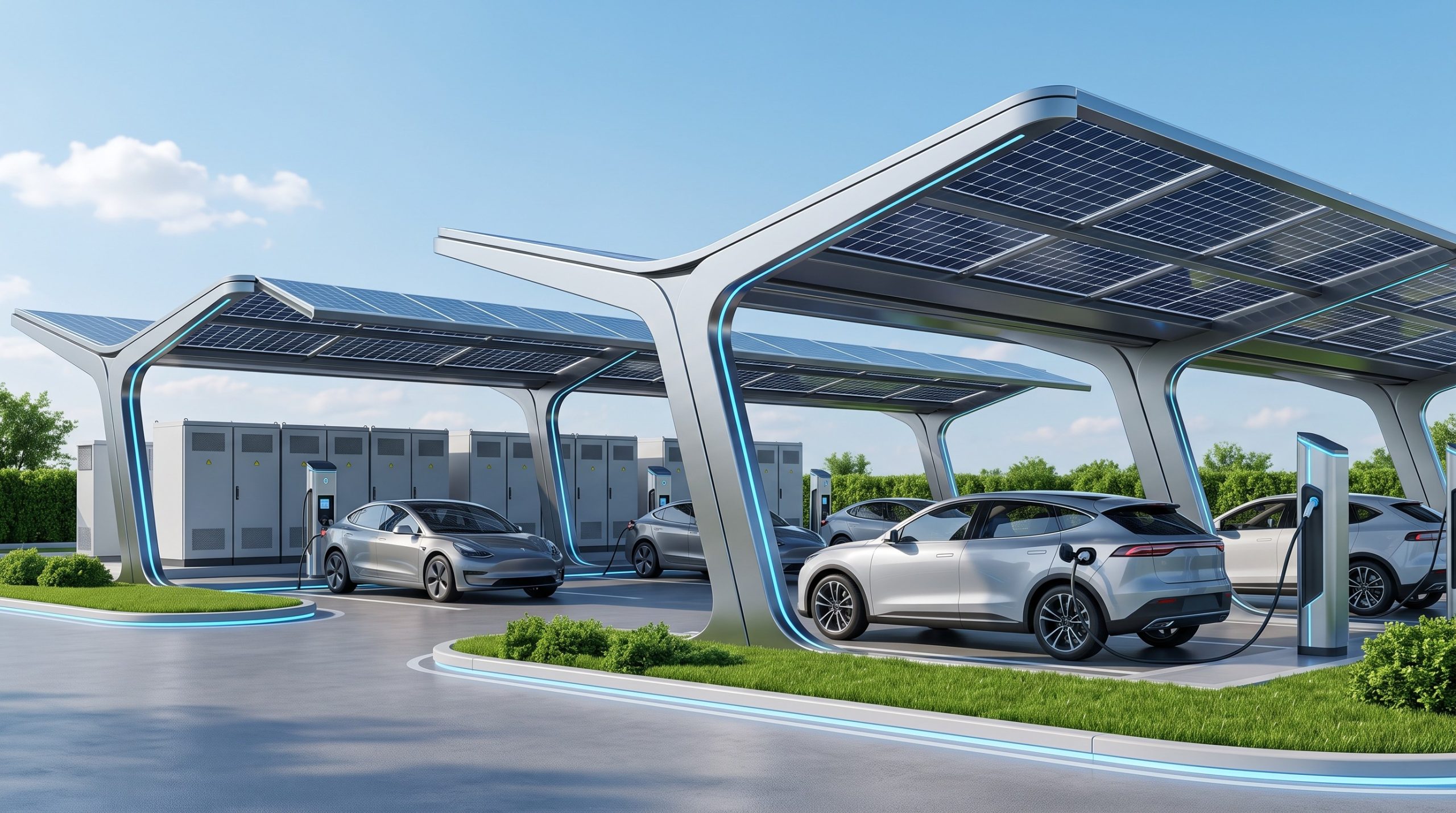
In industrial parks, the energy storage micro-controller facilitates seamless off-grid transition, replacing diesel gensets for backup power while supporting intermittent PV input. For PV-Storage-Charging synergies, the micro-controller manages the staging of EV superchargers, preventing grid overload by buffering up to 150kW per charging terminal. This architecture ensures complete energy independence and aligns with zero-carbon migration strategies.
Conclusion: The Future of Intelligent Energy Management
The evolution of the energy storage micro-controller is pivotal for the mass adoption of resilient, high-efficiency commercial storage. By combining liquid cooling thermal control with robust BMS algorithms, system integrators can guarantee asset longevity and compliance with the strictest global safety standards. As C&I facilities face increasing pressure to decarbonize, deploying systems driven by high-performance micro-controllers will be the decisive factor in achieving sustainable, cost-effective grid support.