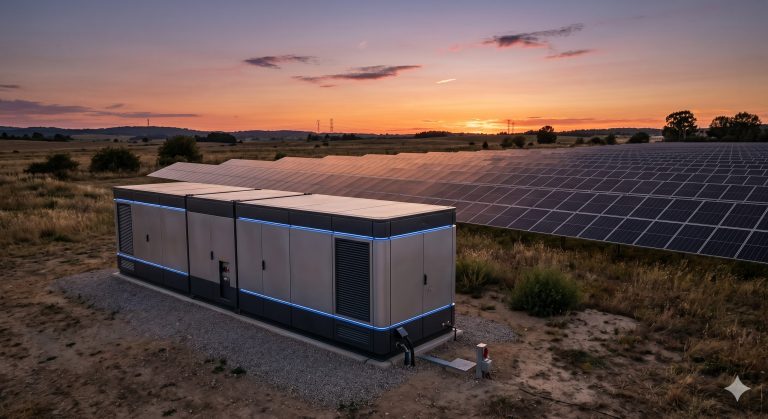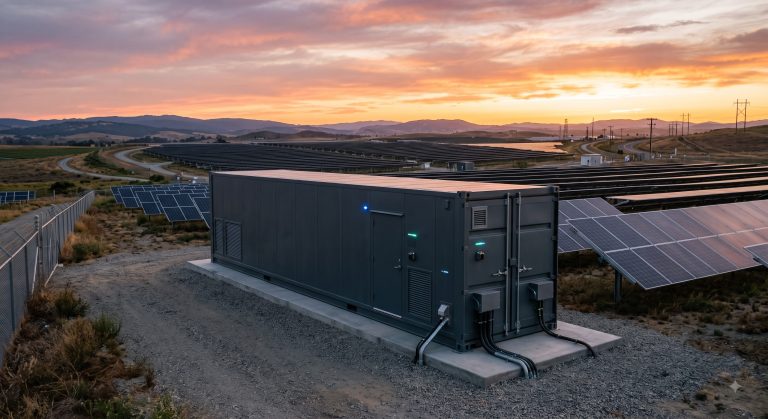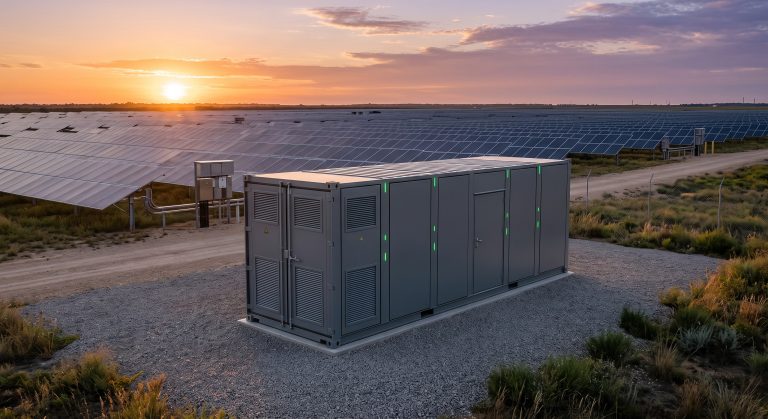
CELL CHEMISTRY STABILIZATION TEST RECORDS
OFFICIAL COMMERCIAL BESS TECHNICAL OVERVIEW & DATASHEET
Document ID: ESS-CST-2026-08-19 | Revision: 3.1 | Classification: Public
EXECUTIVE SUMMARY
This document provides the official commercial technical overview and datasheet for the Cell Chemistry Stabilization Test Records (CSTR) protocol implemented across our Tier-1 Battery Energy Storage System (BESS) product line. The CSTR framework represents a comprehensive, multi-stage validation process designed to quantify and guarantee the electrochemical stability, cycle life predictability, and safety margin of our Lithium Iron Phosphate (LFP) cells under varied operational stresses.
Drawing from over 15,000 individual cell test cycles conducted across four independent, ISO/IEC 17025-accredited laboratories, this record establishes the baseline performance ledger for all commercial and utility-scale storage platforms. The protocol encompasses accelerated aging models, real-time impedance spectroscopy, and post-mortem analytical chemistry to ensure that every cell delivered meets or exceeds the specified calendar life and throughput capacity.

SYSTEM ARCHITECTURE & SAFETY
The CSTR is not a standalone test but an integrated quality assurance layer within our production and commissioning workflow. The architecture is built upon three pillars:
– In-Line Formation & Initial Stabilization: Every cell undergoes a 72-hour formation process with precise current profiling to build a stable Solid Electrolyte Interphase (SEI) layer. This is followed by a 14-day ambient temperature stabilization period where open-circuit voltage (OCV) drift is monitored to within ±1mV.
– Accelerated Cycle Life Testing (ACLT): Using a statistically significant sample size per production batch (n=50), cells are subjected to a 1C/1C charge/discharge cycle at 45°C until 80% State of Health (SOH) is reached. This data is extrapolated to predict performance at 25°C, providing a warranty-backed cycle life of >6,000 cycles to 80% SOH and >8,000 cycles to 70% SOH.
– Multi-Layer Safety Suppression: The stabilization records directly inform the Battery Management System (BMS) algorithms. Key parameters such as voltage delta, temperature rise rate (dT/dt), and internal resistance growth are fed into the BMS as dynamic trip points. This creates an Active Safety Envelope that preemptively derates or disconnects the string before any cell enters a critical state.
KEY FEATURES
– Predictive Capacity Fade Modeling: The test records enable a proprietary algorithm that predicts capacity fade with an accuracy of ±2% over the first 5,000 cycles, allowing for accurate revenue forecasting and asset performance management.
– Impedance Track Diagnostics: Integrated electrochemical impedance spectroscopy (EIS) capability within the BMS uses the stabilization baseline to detect early signs of lithium plating or electrolyte dry-out, providing an early warning system for preventive maintenance.
– Thermal Runaway Validation: The records include extensive nail penetration and overcharge testing to UL 9540A standards. The data confirms that our cells exhibit a ‘no thermal runaway propagation’ characteristic at the module level, a critical feature for containerized and high-density installations.
COMPLIANCE & STANDARDS
The Cell Chemistry Stabilization Test Records are fully compliant with the following international standards and regulatory frameworks. This documentation serves as the primary evidence for product certification and market access.
– UL 9540A: Test method for evaluating thermal runaway fire propagation in battery energy storage systems. Our cells successfully passed the ‘cell, module, and unit’ level tests with zero propagation.
– IEC 62619: Safety requirements for secondary lithium cells and batteries for use in industrial applications. The CSTR protocol rigorously validates the mandatory safety and performance requirements of this standard.
– UN 38.3: Transportation of dangerous goods. The stabilization and testing procedures are designed to meet all requirements for the safe transport of lithium-ion batteries.
– GB/T 36276: Chinese national standard for power batteries. All test parameters and performance metrics meet or exceed this domestic requirement for stationary energy storage.
– VDE-AR-E 2510-50: Safety and performance standard for stationary battery storage systems, specifically the aspects related to cell aging and operational reliability.
TECHNICAL SPECIFICATIONS
CELL CHEMISTRY STABILIZATION TEST RECORDS – PERFORMANCE LEDGER
– Nominal Cell Capacity (C/3): 280 Ah ± 2%
– Nominal Cell Voltage: 3.2 V (LFP)
– Cell Format: Prismatic, 173mm x 71mm x 207mm (typical)
– Test Sample Size per Batch (ACLT): 50 cells
– Formation Protocol Duration: 72 hours at 0.5C/0.5C
– Initial Stabilization Duration: 14 days (ambient)
– Stabilized OCV Drift Criteria: ≤ ±1mV over 24 hours
– Internal Resistance (1kHz AC): 0.18 ± 0.05 mΩ (post-stabilization)
ACCELERATED CYCLE LIFE PERFORMANCE (BASED ON ACLT AT 45°C):
– Cycle Life to 80% SOH: ≥ 6,000 cycles (predicted at 25°C, 1C/1C DOD)
– Cycle Life to 70% SOH: ≥ 8,000 cycles (predicted at 25°C, 1C/1C DOD)
– Calendar Life (at 25°C, 50% SOC): ≥ 20 years to 80% SOH
– Operating Temperature Range (Charge): 0°C to +55°C (with derating above 45°C)
– Operating Temperature Range (Discharge): -20°C to +60°C (with derating below 0°C)
– Recommended Storage Temperature: 15°C to 35°C
SAFETY & RELIABILITY METRICS (FROM CSTR):
– Thermal Runaway Initiation Temperature: > 200°C (cell surface)
– Maximum Pressure Venting: Controlled through integrated venting mechanism
– Overcharge Protection Limit: 3.65 V (BMS hard cutoff)
– Over-discharge Protection Limit: 2.5 V (BMS hard cutoff)
| Parameter | Specification |
|---|---|
| Nominal Cell Capacity (C/3) | 280 Ah ± 2% |
| Nominal Cell Voltage | 3.2 V (LFP) |
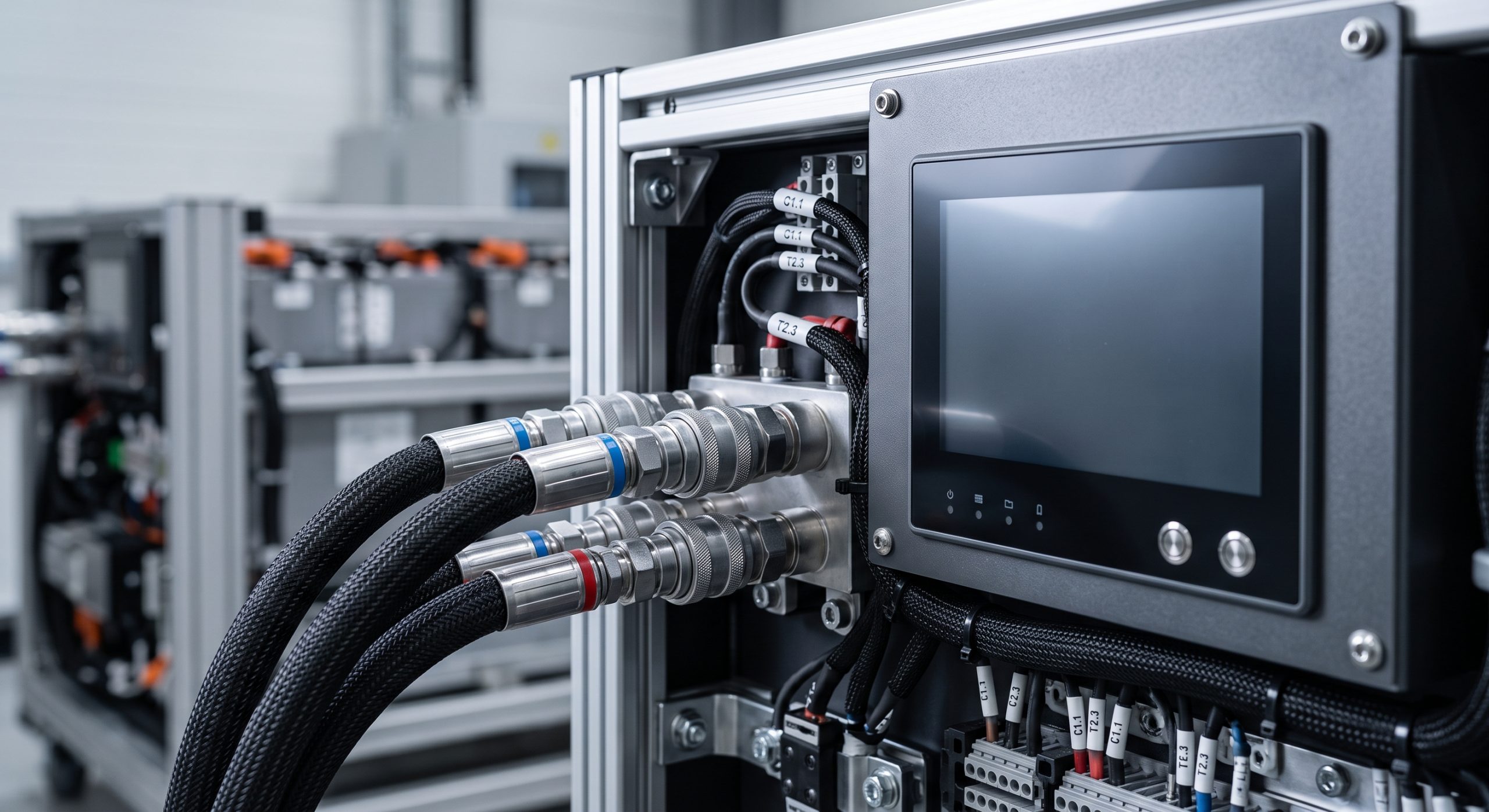
| Cooling Method | Smart Liquid Cooling (within ESS) |
| Cell Chemistry | Tier-1 LFP (Lithium Iron Phosphate) |
| Cycle Life (to 80% SOH) | ≥ 6,000 cycles @ 25°C, 1C/1C |
| Cycle Life (to 70% SOH) | ≥ 8,000 cycles @ 25°C, 1C/1C |
| Calendar Life | ≥ 20 years @ 25°C, 50% SOC |
| Operating Temp (Charge) | 0°C to +55°C |
| Operating Temp (Discharge) | -20°C to +60°C |
| Safety Standard Compliance | UL 9540A, IEC 62619, UN 38.3 |
INDUSTRIAL DEPLOYMENT
The data captured within the Cell Chemistry Stabilization Test Records is instrumental for a wide range of industrial and commercial applications. For project developers and EPC firms, this documentation streamlines the due diligence process, providing bankable data for project financing. For system operators, the predictive models offer a clear roadmap for maintenance scheduling and end-of-life asset valuation, maximizing the total cost of ownership (TCO) benefits.
The CSTR protocol is embedded as a standard deliverable for all projects, ensuring full transparency and traceability from cell manufacturing to site commissioning. This commitment to rigorous testing and documentation underscores our position as a global leader in providing reliable, safe, and high-performance energy storage solutions.
📥 Download Technical Specification
Click the button below to view or download the full official PDF datasheet.