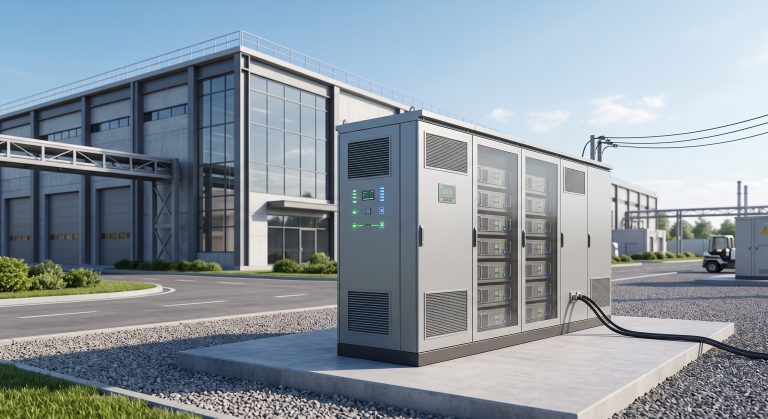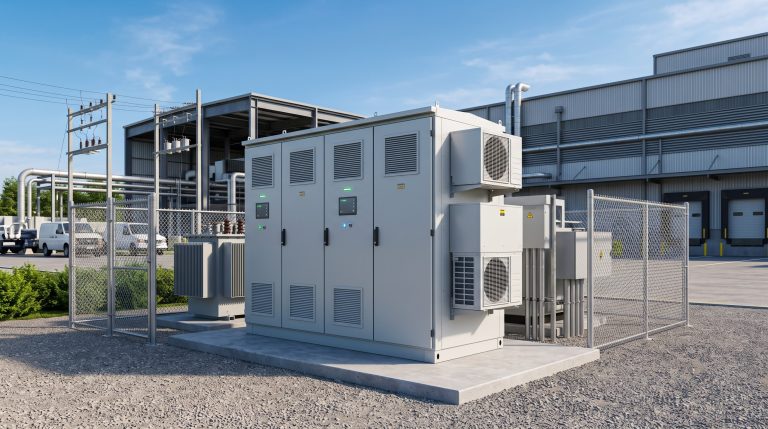
Introduction: The Convergence of Solar, Storage, and EV Charging
The global energy transition is accelerating, driven by the urgent need to decarbonize transportation and the grid. At the heart of this transformation lies the home solar-storage-charging system—a concept that is rapidly scaling from residential rooftops to become the cornerstone of commercial and industrial (C&I) micro-grids. As electric vehicle (EV) adoption skyrockets, the demand for high-capacity charging infrastructure is straining local grids. The integration of photovoltaic (PV) generation, battery energy storage systems (BESS), and EV charging infrastructure into a unified, smart platform—often referred to as a PV-Storage-Charging (光储充) system—is no longer a futuristic concept but a critical B2B solution for energy resilience and profitability.
This technical blog provides a deep dive into the architecture, technical specifications, and commercial viability of deploying advanced home solar-storage-charging systems, particularly within C&I and EV supercharging contexts. We will analyze the engineering synergies, safety protocols, and ROI models that are making this integrated approach a superior alternative to traditional grid-dependent diesel generators and air-cooled storage solutions.
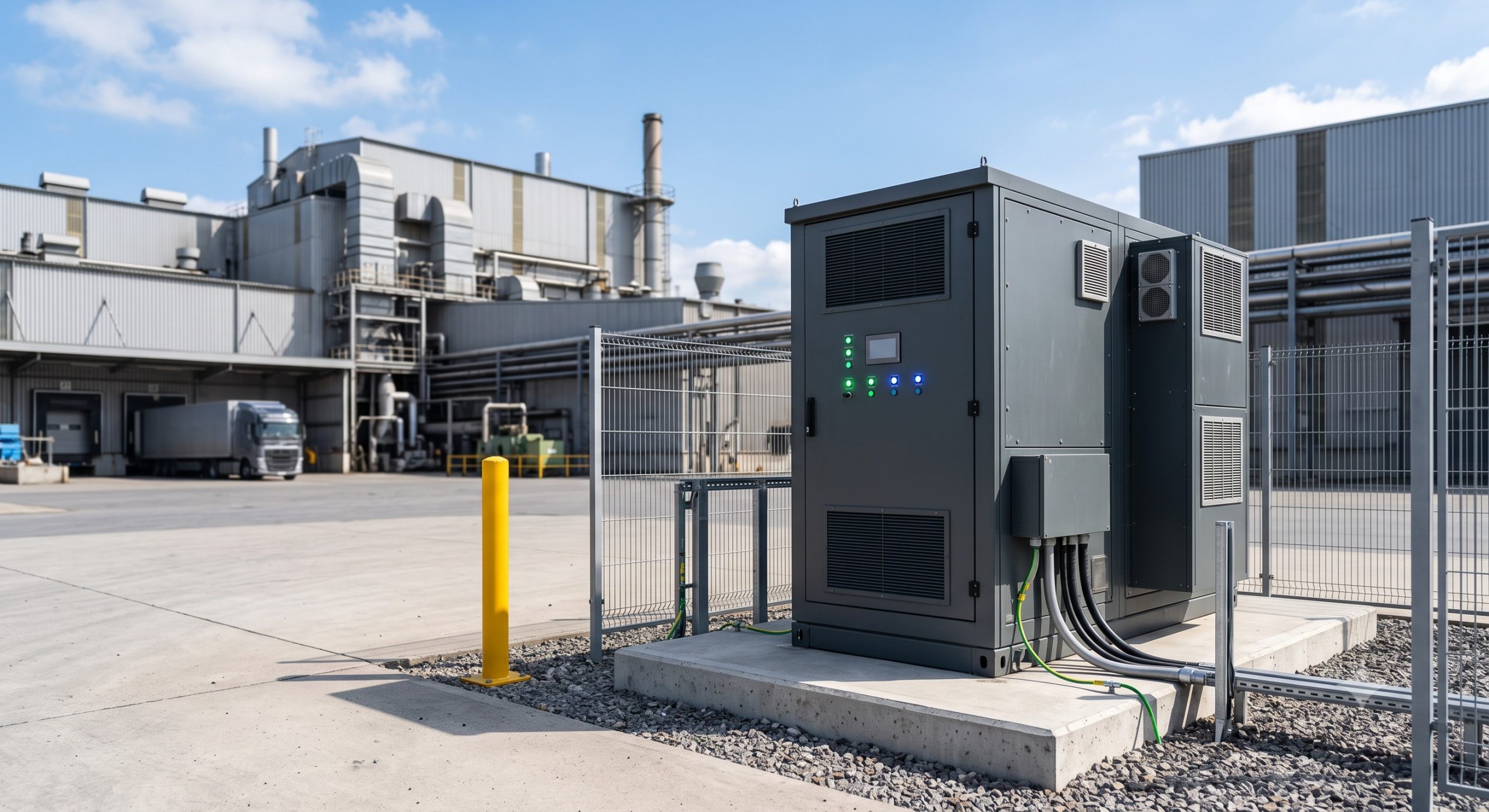
Core Architecture: The Engineering Synergy of PV, BESS, and PCS
The efficacy of a high-performance home solar-storage-charging system depends on the seamless orchestration of its core components. Unlike legacy systems that treat PV, storage, and loads as separate entities, modern integrated solutions utilize a centralized Power Conversion System (PCS) and an advanced Energy Management System (EMS) to optimize the energy flow.
The PCS acts as the bidirectional heart of the system, converting DC power from the PV array and the battery into AC power for the grid or loads, and vice versa for charging. The latest generation of PCS units are moving towards silicon carbide (SiC) switching modules, which offer higher switching frequencies and lower conduction losses compared to traditional IGBTs. For instance, systems utilizing SiC technology can achieve a peak PCS efficiency of up to 99.1%, enabling faster response times for frequency regulation and supporting up to two full charge/discharge cycles per day for power arbitrage and peak shaving . The PCS is designed to support multiple Maximum Power Point Tracking (MPPT) channels to handle variable PV inputs, with some units capable of connecting to PV arrays up to 90 kW or more .
Battery Management System (BMS) and Safety Protocols
The Battery Management System is the brain of the storage component, responsible for cell monitoring, balancing, and protection. For C&I applications, Tier-1 LFP (Lithium Iron Phosphate) cells are the industry standard due to their intrinsic thermal stability and long cycle life. A robust BMS ensures optimal performance by managing the Depth of Discharge (DoD) and maintaining cell temperature uniformity. Advanced cooling systems, such as liquid cooling, are crucial for large-scale deployments. This technology maintains cell temperature differences within ±1.5°C, significantly improving battery consistency and reducing degradation over the system’s lifetime .
Technical Specifications: A Data-Driven Comparison
To objectively evaluate the capabilities of a home solar-storage-charging system, procurement specialists and system architects must focus on key performance metrics. The following table provides a baseline for evaluating commercial-grade systems.
| Key Parameter | Technical Specification |
|---|---|
| Battery Chemistry | Tier-1 LFP (Lithium Iron Phosphate) |
| Cell Configuration | e.g., 3.2V, 280Ah cells in series |
| System Capacity | Scalable from 50 kWh to >2 MWh |
| Cycle Life | >8,000 cycles @ 90% DoD |
| PCS Efficiency (Peak) | Up to 99.1% (SiC-based) |
| Round-Trip Efficiency (RTE) | Up to 91.3% |
| Thermal Management | Liquid Cooling with precise cell temp control (e.g., ±1.5°C) |
| Safety Compliance | UL 9540, IEC 62619, UN38.3, CE |
| Enclosure Rating | IP55 to IP66 (PCS) / IP67 (Pack-level) |
Thermal Management: The Liquid Cooling Imperative
Thermal management is the single most critical factor influencing the safety, performance, and lifespan of a BESS. The industry is rapidly shifting from air cooling to liquid cooling for high-density C&I applications. Liquid cooling systems, often utilizing a glycol-based coolant, offer superior heat dissipation compared to air cooling, allowing for more compact cabinet designs and higher energy densities . This precise thermal control is essential for maintaining high round-trip efficiency and achieving the cycle life required to ensure a positive return on investment.
Furthermore, safety compliance is paramount. Systems must adhere to rigorous international safety standards, including IEC 62619 for industrial batteries, UL 9540 for energy storage systems and equipment, and UN38.3 for transport safety. A comprehensive safety architecture includes multi-level fire suppression (aerosol, water-based), cell-level thermal runaway prevention with early warning systems, and physical separation of battery and electrical compartments .
Commercial ROI and the Value of Grid Support
For C&I facilities and EV charging station operators, the business case for a home solar-storage-charging system hinges on its ability to generate revenue and reduce costs through multiple streams. The primary drivers of ROI are peak shaving and load shifting. By storing energy during periods of low demand when electricity prices are low and discharging during peak demand, businesses can significantly reduce their utility costs. Modern EMS platforms enable intelligent dispatch strategies that automatically respond to dynamic electricity pricing, capturing arbitrage opportunities with high precision.
Beyond energy arbitrage, these systems are increasingly being leveraged for Demand Response (DR) programs and grid support services. With Virtual Power Plant (VPP) readiness, these systems can provide frequency regulation and stabilize the local grid, creating an additional revenue stream for the asset owner . The return on investment is further amplified when the system is paired with DC fast charging (DCFC) for EVs, as the BESS can buffer the high-power demand, reducing the required grid connection capacity and avoiding costly infrastructure upgrades.
Deployment Scenarios and Industry Outlook
The versatility of the home solar-storage-charging system architecture makes it suitable for a wide array of deployment scenarios across various sectors.
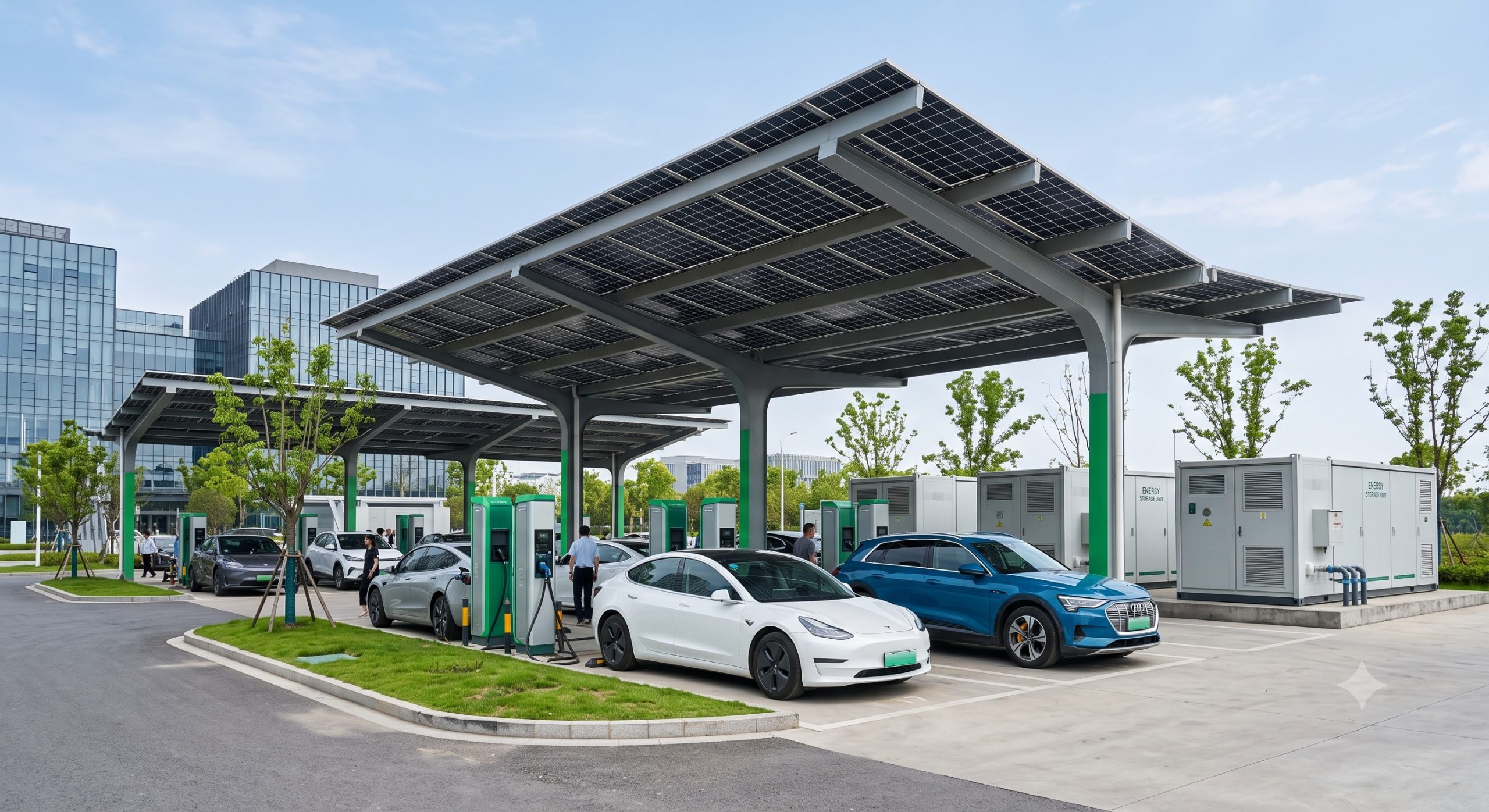
EV Supercharging Stations
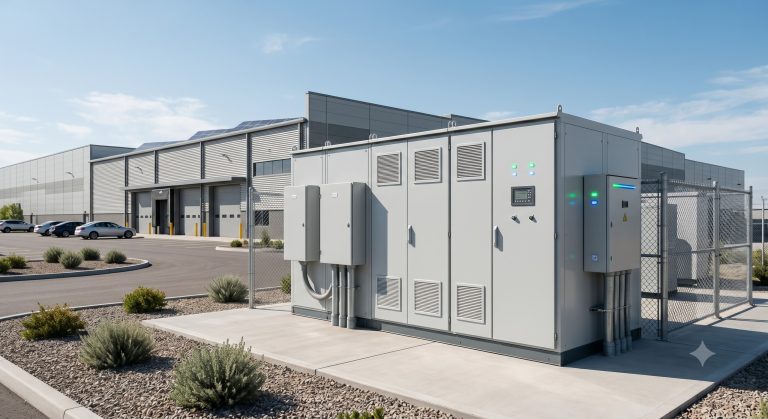
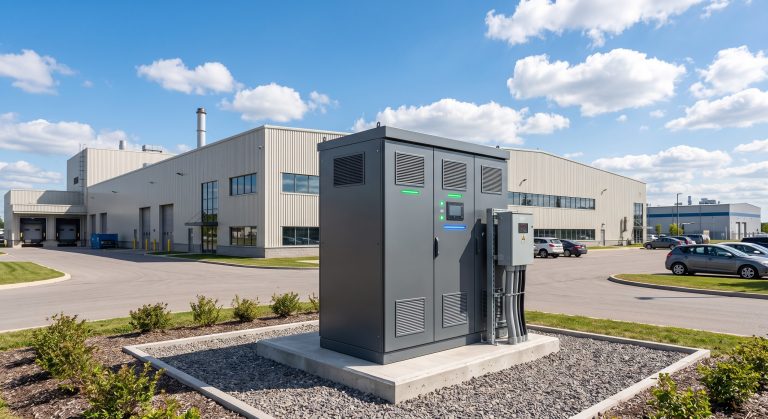
As demand for rapid EV charging grows, the need for on-site energy buffering becomes critical. A containerized PV-Storage-Charging system, such as those integrating 120 kW DC fast EV chargers with storage capacities of up to 115 kWh, can be deployed in parking lots and fleet depots to provide high-power charging without overloading the grid . These systems often include foldable PV canopies to provide auxiliary power and emergency off-grid support.
Industrial Parks and Manufacturing Facilities
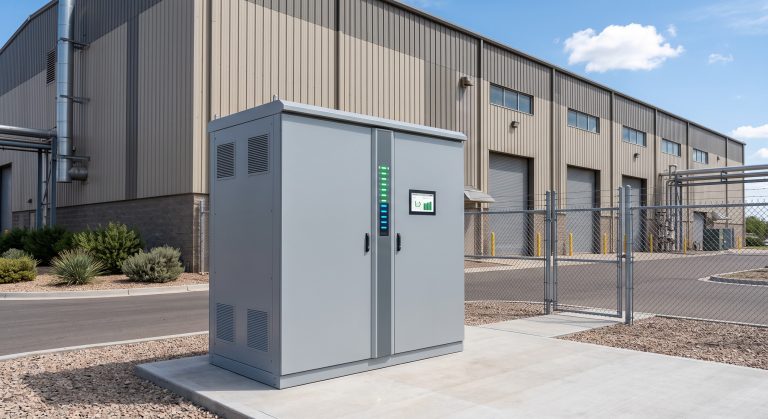
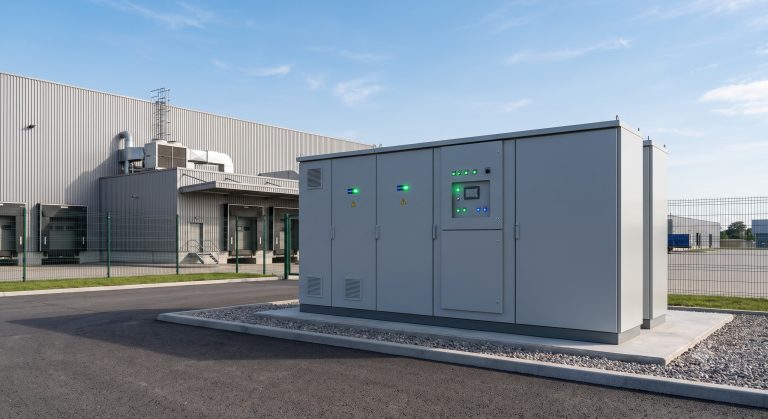
Facilities with high energy consumption can deploy modular systems in a containerized format to achieve energy independence. The modular architecture allows for easy scalability, with systems capable of supporting up to 2,280 kWh of storage. These solutions provide backup power, peak load management, and ensure operational continuity in weak grid environments . The integration of AI-powered diagnostic functions and remote monitoring further reduces operational and maintenance (O&M) overhead, ensuring high system availability .
Conclusion: The Future of Commercial Energy is Integrated
The deployment of home solar-storage-charging systems represents a paradigm shift from passive energy consumption to active, intelligent energy management. By leveraging the synergies between PV, storage, and EV charging, businesses can achieve energy independence, reduce operational costs, and contribute to grid stability. The key to success lies in selecting a system with a robust LFP battery chemistry, an efficient SiC-based PCS, an advanced liquid cooling system, and comprehensive safety certifications such as UL 9540 and IEC 62619. As the cost of battery technology continues to decline and regulatory frameworks evolve to reward grid flexibility, the commercial viability of these integrated systems will only grow, cementing their role as the foundation of the next-generation smart grid and the future of B2B energy infrastructure.