COMMERCIAL SYSTEMS ENGINEERING REFERENCE MANUAL: TIER-1 LFP STORAGE PLATFORM
EXECUTIVE SUMMARY
This document serves as the official engineering reference manual for the commercial and industrial (C&I) energy storage platform, specifically designed for Tier-1 LFP (Lithium Iron Phosphate) battery integration. The system is engineered to provide scalable, high-efficiency energy management for peak shaving, load shifting, and micro-grid stabilization. This overview details the system architecture, core safety mechanisms, key performance indicators, and comprehensive technical specifications required for system integrators, EPCs, and facility engineers.
SYSTEM ARCHITECTURE & SAFETY
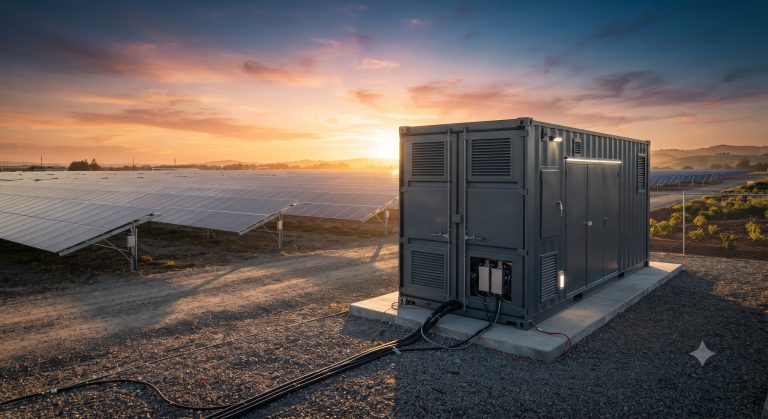
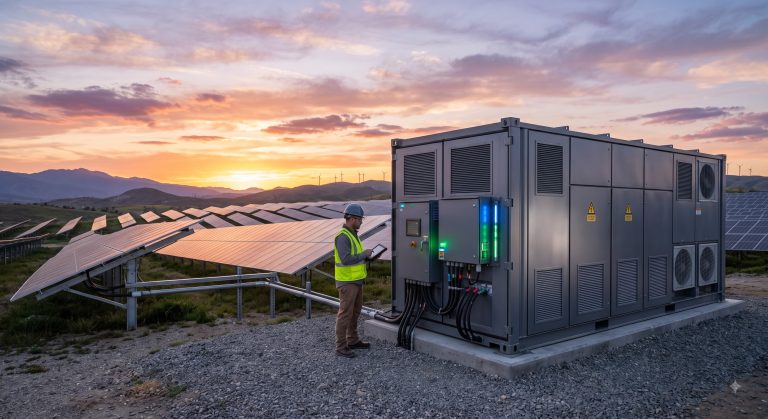
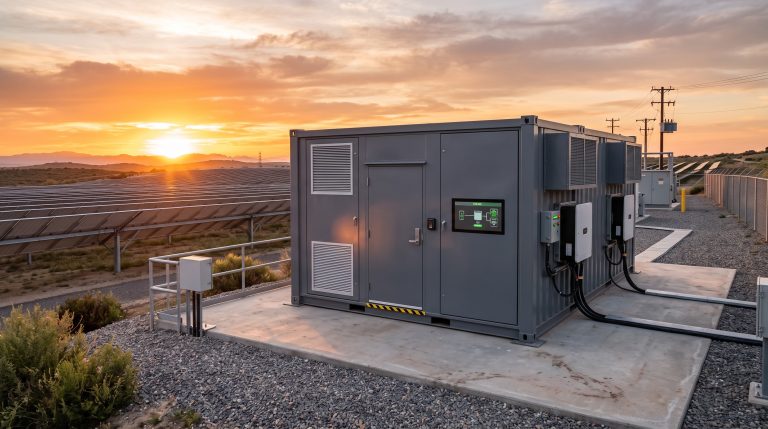
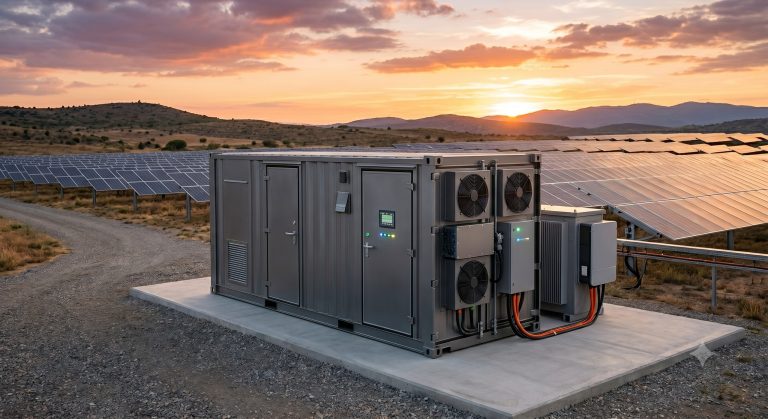
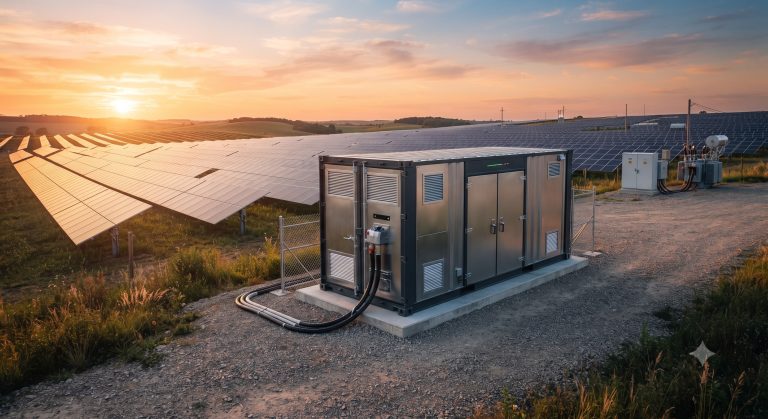
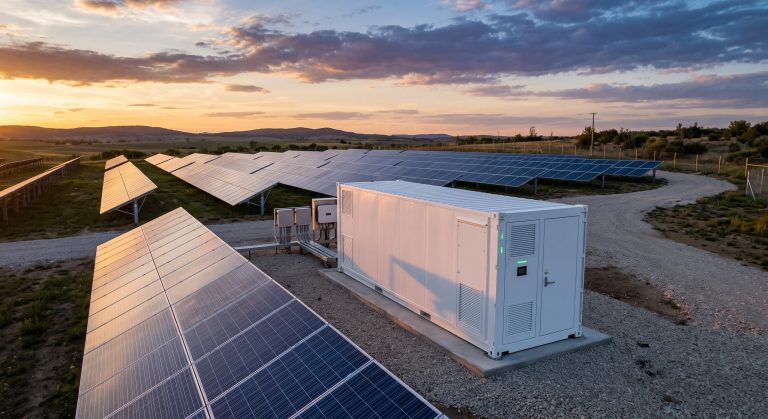
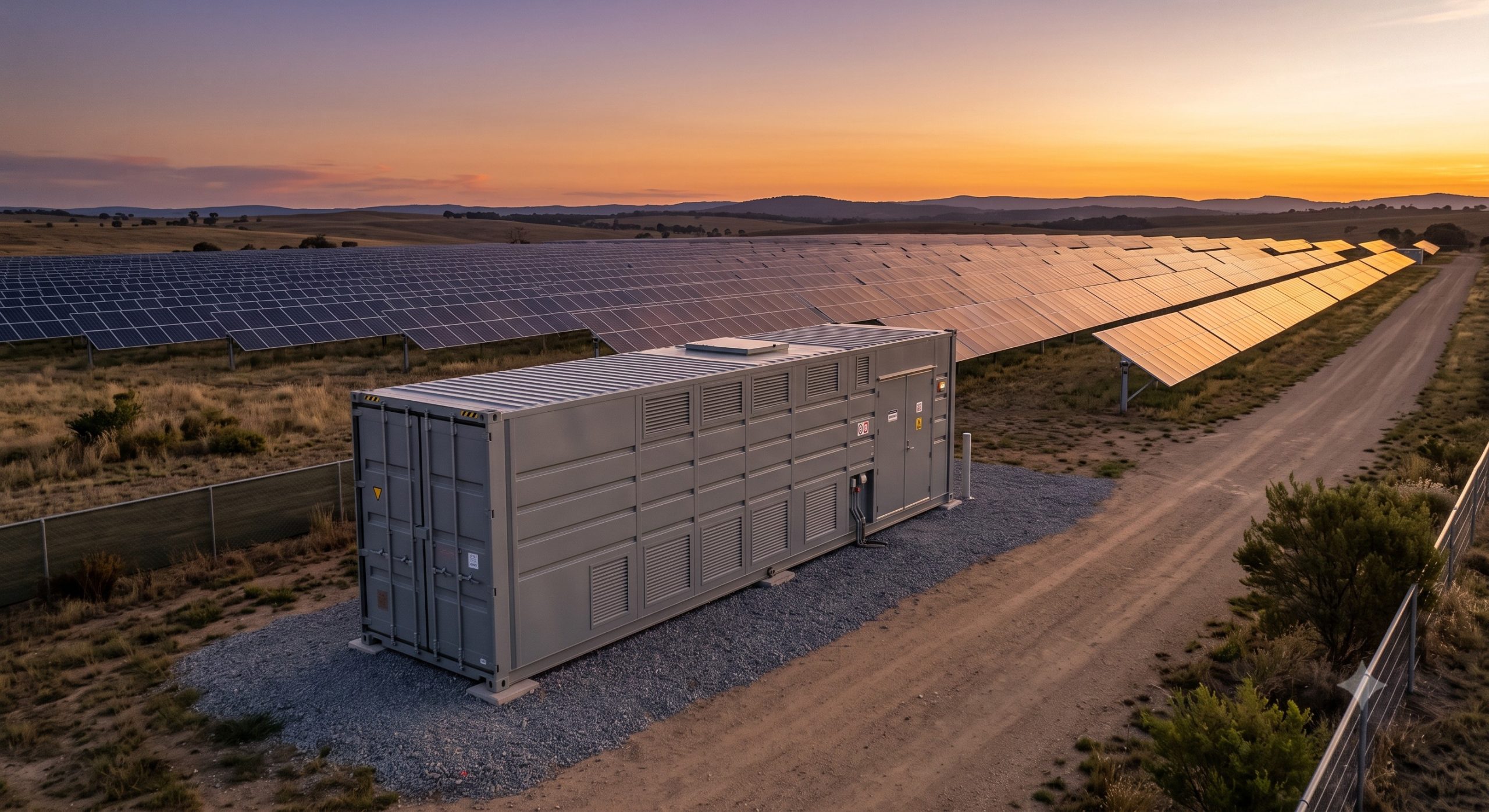
The platform features a modular, containerized architecture designed for outdoor deployment. The core system integrates bi-directional power conversion systems (PCS), a proprietary battery management system (BMS), and a liquid cooling thermal management system (TMS).
– CELL CHEMISTRY: Integrates exclusively with UL 9540A-tested, Tier-1 prismatic LFP cells, ensuring inherent thermal stability and a cycle life exceeding 6,000 cycles at 25°C ambient temperature.
– BMS ARCHITECTURE: A distributed, three-level BMS (Cell Module, Rack, and System) provides real-time monitoring of voltage, current, and temperature. It features active cell balancing to minimize capacity degradation and maximize usable energy over the system’s lifetime.
– SAFETY PROTOCOLS: Multi-layer protection includes a dedicated fire suppression system (aerosol or gas-based), explosion vents, and a rapid shutdown mechanism compliant with NFPA 70E and UL 9540 requirements. The system maintains electrical isolation and ground fault detection to ensure operational safety.
KEY FEATURES
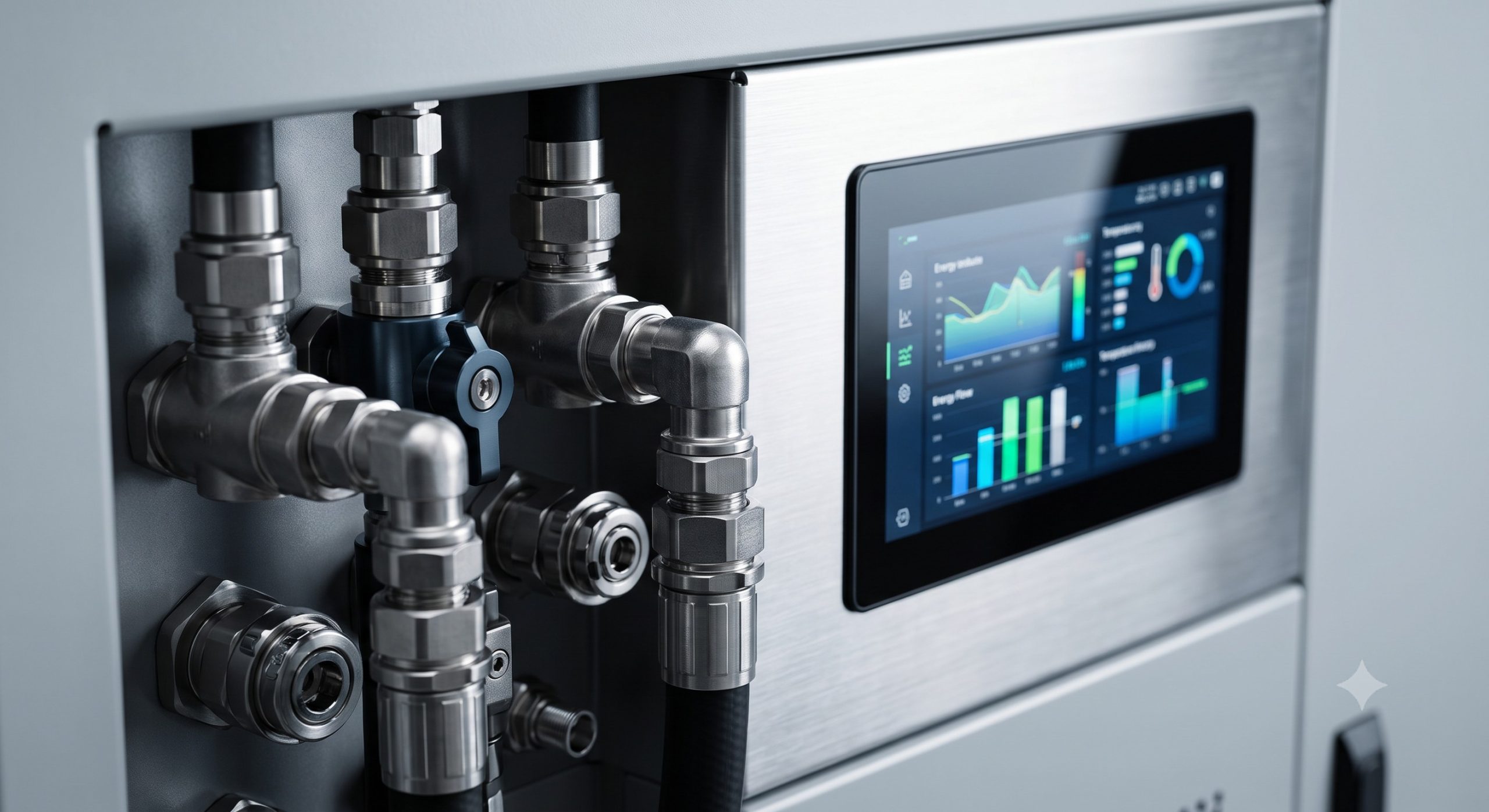
– Feature 1: Smart Liquid Cooling: A closed-loop liquid cooling circuit maintains optimal battery temperature within a +/- 1°C variance, significantly enhancing system efficiency and prolonging cell life. The system’s Coefficient of Performance (COP) is engineered to minimize auxiliary power consumption.
– Feature 2: High Voltage & Scalability: Supports high DC busbar voltages (up to 1,500 V DC), allowing for fewer power conversion steps and reduced system losses. The cabinet design allows for parallel expansion up to multiple megawatt-hours on a single AC bus.
– Feature 3: Advanced EMS Integration: The onboard Energy Management System (EMS) features an intelligent dispatch algorithm, providing seamless integration with PV, diesel generators, and grid infrastructure. It supports standard communication protocols (Modbus, IEC 61850) for interoperability.
COMPLIANCE & STANDARDS
The equipment is designed and certified to meet global safety and performance standards, including:
– UL 9540 (Energy Storage Systems and Equipment).
– UL 1973 (Standard for Batteries for Use in Stationary Applications).
– IEC 62619 (Secondary cells and batteries for industrial applications).
– IEC 61000-6-2 (EMC Immunity for Industrial Environments).
– NFPA 855 (Standard for the Installation of Stationary Energy Storage Systems).
TECHNICAL SPECIFICATIONS
| Parameter | Specification |
|---|---|
| Nominal Capacity | 215 kWh / 372 kWh per base cabinet; scalable |
| Nominal Voltage | 768 V DC / 1,500 V DC |
| Cooling Method | Smart Liquid Cooling (Ethylene Glycol/Water) |
| Cell Chemistry | Tier-1 Prismatic LFP |
| Round-trip Efficiency | > 92% (DC) at rated power |
| Cycle Life | > 6,000 cycles at 80% DoD, 25°C |
| Response Time | < 100 ms for active power dispatch |
| Operating Temp. Range | -30°C to +50°C (with derating) |
| Fire Suppression | Aerosol / Gas-based with early warning |
| Communication | Modbus RTU/TCP, IEC 61850, CAN |
| Ingress Protection | IP54 (Container) / IP65 (PCS Cabinet) |
INDUSTRIAL DEPLOYMENT
The modular nature of the platform supports a wide range of industrial applications, from manufacturing facilities and data centers to commercial real estate. The system can be deployed as a standalone storage asset, integrated into a PV-storage-charging (PVSC) infrastructure, or managed as a distributed energy resource (DER) for virtual power plants (VPP). The design accommodates an ambient temperature range of -30°C to +50°C with derating, making it suitable for diverse climate conditions. System pad requirements and spacing clearances are provided in the detailed installation engineering documents.
📥 Download Technical Specification
Click the button below to view or download the full official PDF datasheet.