Introduction: The Safety Imperative in Utility-Scale BESS Procurement
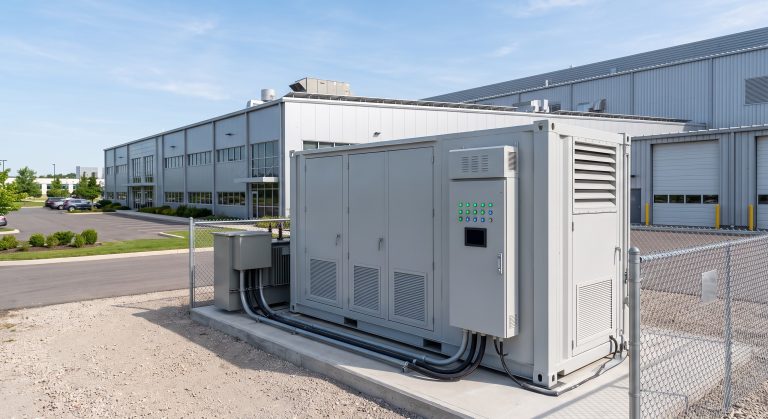
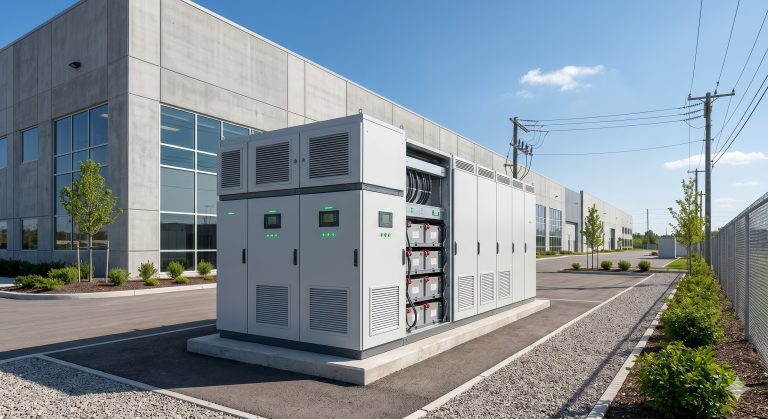
The rapid expansion of the utility-scale Battery Energy Storage System (BESS) market, driven by renewable integration and data center growth, has brought supply chain safety and compliance into sharp focus. With over 12 GW deployed in 2024 and forecasts predicting 93 GW over the next five years, the industry is transitioning from pilot projects to critical grid infrastructure . However, high-profile incidents, such as the Moss Landing thermal runaway events, have underscored the inherent risks of lithium-ion technology and elevated fire safety to a primary procurement criterion . For project developers, utilities, and EPCs, navigating the utility BESS supply chain now demands a rigorous focus on advanced Battery Management Systems (BMS), fire suppression, and compliance with standards like UL 9540 and IEC 62619. This guide delves into the engineering specifications, system architecture, and procurement strategies essential for mitigating thermal risks in grid-scale energy storage projects.
Core Architecture & Battery Management: The First Line of Defense
Tier-1 LFP Cell Selection and Supply Chain Dynamics
The foundation of a safe and reliable BESS is the battery cell itself. The industry has overwhelmingly standardized on Lithium Iron Phosphate (LFP) chemistry for utility-scale projects due to its superior thermal stability and long cycle life compared to NMC chemistries . However, sourcing these cells presents a significant supply chain challenge. Chinese manufacturers dominate global LFP production, and recent trade policies, including Section 301 tariffs and FEOC restrictions, are reshaping the procurement landscape . The market is currently experiencing a structural shortage of 314Ah cells, with prices climbing to around 0.365 Yuan/Wh ($0.05/Wh) and order backlogs extending into 2027 . This tightness forces buyers to secure long-term supply agreements (MSAs) with tier-1 suppliers to ensure supply chain resilience and price stability . Battery cells now account for 60-65% of total BESS container costs, underscoring their critical role in project economics and risk allocation .
Multi-Level BMS and PCS Integration
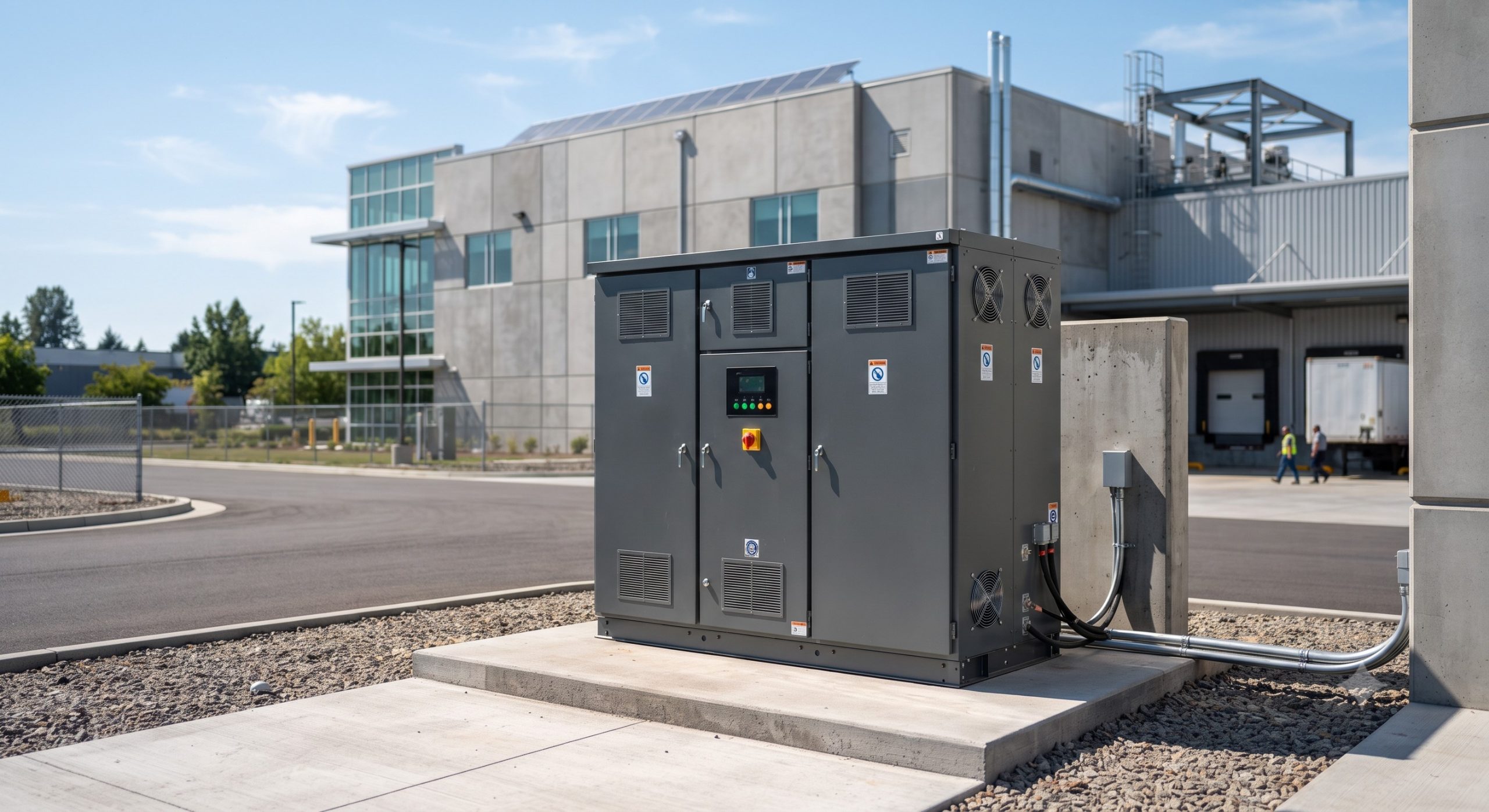
Beyond the cell, a sophisticated Battery Management System (BMS) is the cornerstone of thermal safety and performance optimization. The BMS performs continuous monitoring of voltage, current, and temperature at the individual cell level, ensuring operation within safe parameters and preventing conditions that could lead to thermal runaway . Cell balancing, fault detection, and system protection are critical functions that maintain battery health and extend the operational lifespan . This is complemented by the Power Conversion System (PCS), which handles bi-directional energy flow between the battery (DC) and the grid (AC). Modern PCS units incorporate advanced control algorithms for grid synchronization and can support functionalities like frequency regulation, enhancing grid stability while adhering to safety protocols.
Technical Specifications: Compliance and Performance Metrics
When specifying a BESS for utility-scale applications, the technical datasheet must align with both performance goals and stringent safety and compliance standards. The following table outlines critical parameters that procurement specialists should demand from their supply chain partners.
| Key Parameter | Technical Specification |
|---|---|
| Battery Chemistry | Tier-1 LFP (Lithium Iron Phosphate) |
| Cell Capacity | 314Ah (standard), 512Ah+ (high-capacity) |
| System Capacity | Standardized 20-foot containers (e.g., FE-250 / FE-450) |
| Cycle Life | >8000 cycles @ 90% DoD (Depth of Discharge) |
| Round-Trip Efficiency | >95% (with advanced PCS & EMS) |
| Thermal Management | Liquid Cooling (advanced), Air Cooling (standard) |
| Safety Compliance | UL 9540, IEC 62619, UN38.3 |
| BMS Functions | Cell balancing, temperature monitoring, fault detection, system protection |
| PCS Type | Bi-directional AC/DC converter with grid synchronization |
| Operating Duration | 2-hour (FE-250) to 4-hour (FE-450) |
Safety Standards and Certifications
Compliance with international standards is non-negotiable in the utility BESS supply chain. UL 9540 is the standard for Energy Storage Systems and Equipment in North America, assessing the safety of the complete system . IEC 62619 focuses on the safety requirements for secondary lithium cells and batteries used in industrial applications. Additionally, UN38.3 is essential for the safe transportation of lithium batteries, a critical consideration in the logistics of the supply chain . Project developers must also consider insurance requirements and grid-tie compliance, which are heavily influenced by these certifications .
Liquid Cooling for Thermal Control
Effective thermal management is vital for preventing thermal runaway and maximizing cycle life. Leading BESS integrators, including new entrants like Ford Energy, are standardizing on liquid cooling systems for their 20-foot containerized solutions . Liquid cooling offers superior thermal efficiency, maintaining optimal cell operating temperatures across a broader range of ambient conditions, which is crucial for high-cycle applications. This technology directly contributes to achieving >8000 cycles at 90% DoD by mitigating the accelerated degradation associated with high temperatures .
Commercial ROI & Grid Support: The Business Case for Safety
While safety is paramount, it is also a key driver of financial performance. A robust safety and compliance strategy directly impacts the levelised cost of storage (LCOS) and total cost of ownership. According to Lazard’s 2026 LCOS report, the interplay of tariffs and FEOC restrictions has increased costs, with a 100MW/400MWh project’s LCOS now ranging from $148/MWh to $209/MWh with the ITC . However, supply chain resilience and adherence to safety standards mitigate risks of project delays, forced outages, and warranty claims, which can severely erode ROI .
Utilities and data centers are driving demand for bankable storage systems. As Lisa Drake, president of Ford Energy, noted, developers need suppliers who will be there in year 10 to honor a warranty claim . This accelerates the consolidation of the supply chain around established OEMs with proven track records in grid-scale deployments and long-term performance commitments. Furthermore, projects integrating with VPPs and frequency regulation markets can capture multiple revenue streams, improving financial viability and supporting energy independence.
Deployment Scenarios and Strategic Procurement
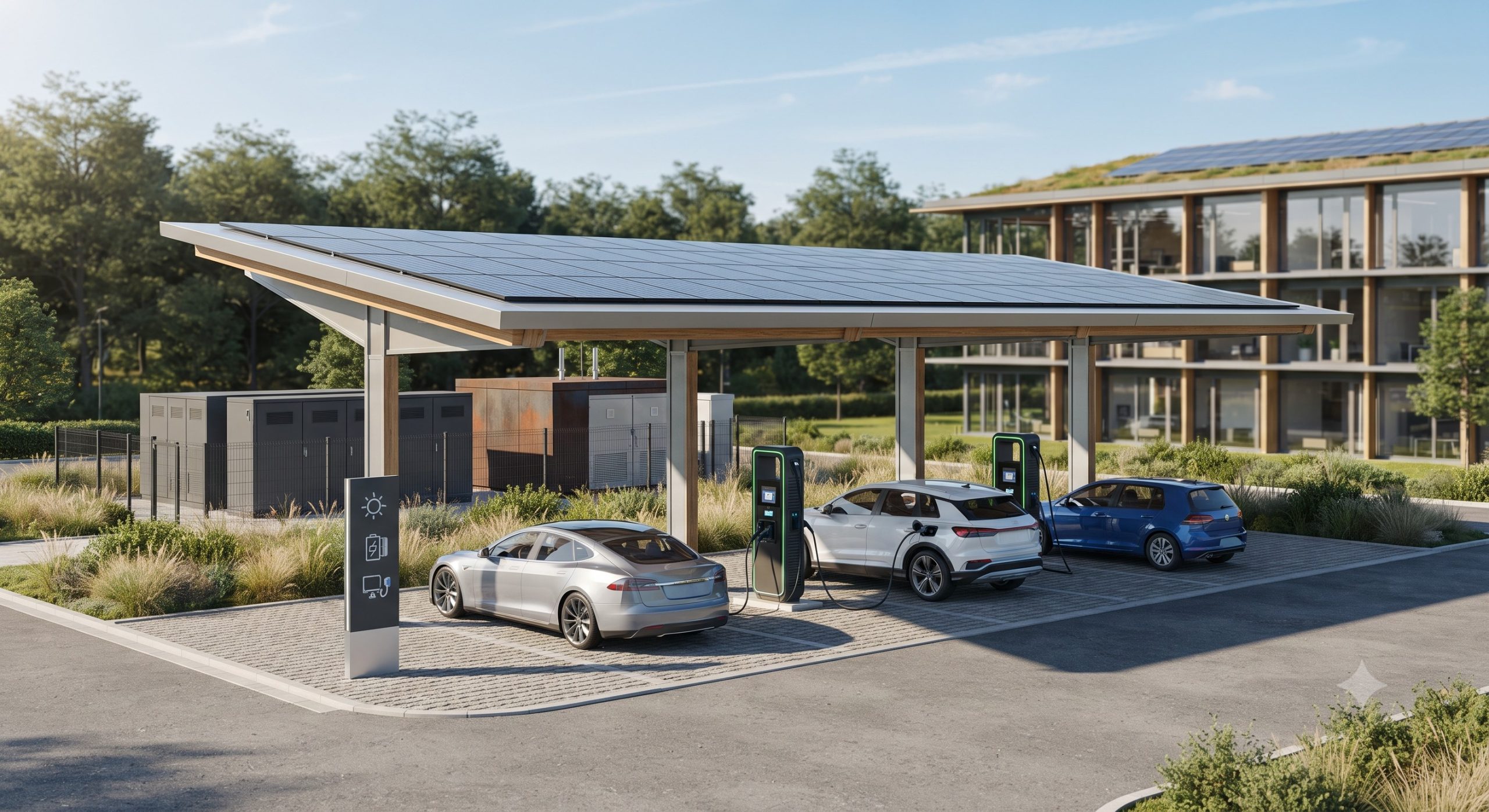
High-safety BESS solutions are critical across various grid-support applications, including co-location with renewable assets, substation-based ‘non-wires alternatives,’ and behind-the-meter C&I projects for peak shaving. The demand is further amplified by the AI-driven data center boom, where reliable, low-carbon power is essential .
When procuring grid-scale energy storage, adopting a turnkey delivery model from a single, responsible supplier is often preferred to reduce interface risk and allocate performance responsibility clearly . OEM-based platforms like Ford Energy’s standardized FE-250 and FE-450 DC blocks offer repeatable, bankable designs . These systems, built with advanced LFP cells and integrated liquid cooling, are tailored to meet the rigorous safety and performance requirements of modern grid infrastructure.
Conclusion
The utility BESS supply chain is at an inflection point, where the imperative for thermal safety and grid reliability is reshaping procurement, engineering, and compliance standards. As the market scales to meet soaring demand from renewables integration and data center growth, choosing the right supply chain partners is not just a strategic advantage; it is an operational necessity. By prioritizing tier-1 LFP cell sourcing, advanced BMS and liquid cooling technologies, and uncompromising adherence to UL 9540 and IEC 62619, developers can navigate market volatility and deliver resilient, high-performance energy storage assets. The future of grid infrastructure depends on a supply chain engineered for safety from the cell to the system level.