Introduction
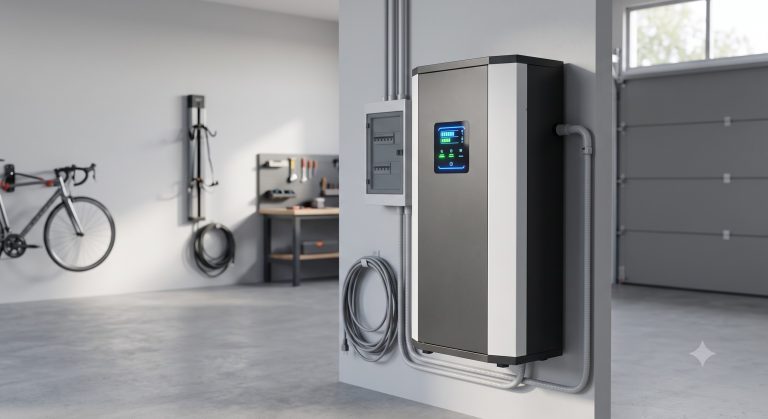
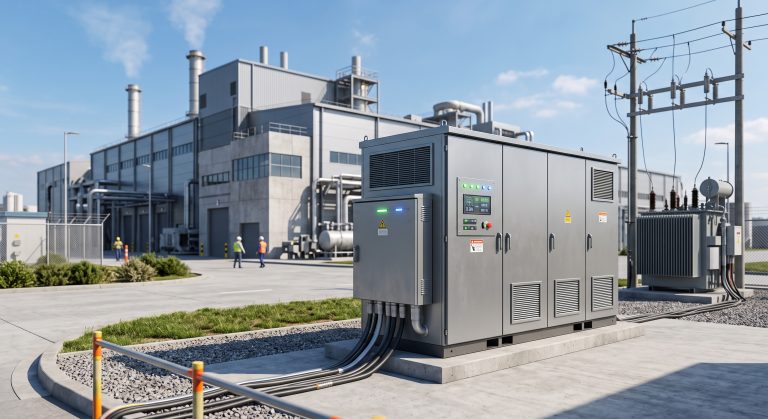
In the rapidly evolving landscape of commercial and industrial (C&I) energy management, the integration of a Power Conversion System (PCS) within a Battery Energy Storage System (BESS) container has emerged as a cornerstone of modern energy strategy. For B2B procurement managers and system architects, understanding Container BESS PCS integration is critical to unlocking operational efficiency and maximizing return on investment. This guide provides a deep technical and commercial analysis of turnkey containerized energy storage solutions, focusing on the architectural nuances, performance metrics, and economic frameworks that define industry best practices. The era of fragmented component sourcing is giving way to a streamlined, factory-integrated approach that minimizes site risk and accelerates deployment .
Core Architecture & Battery Management
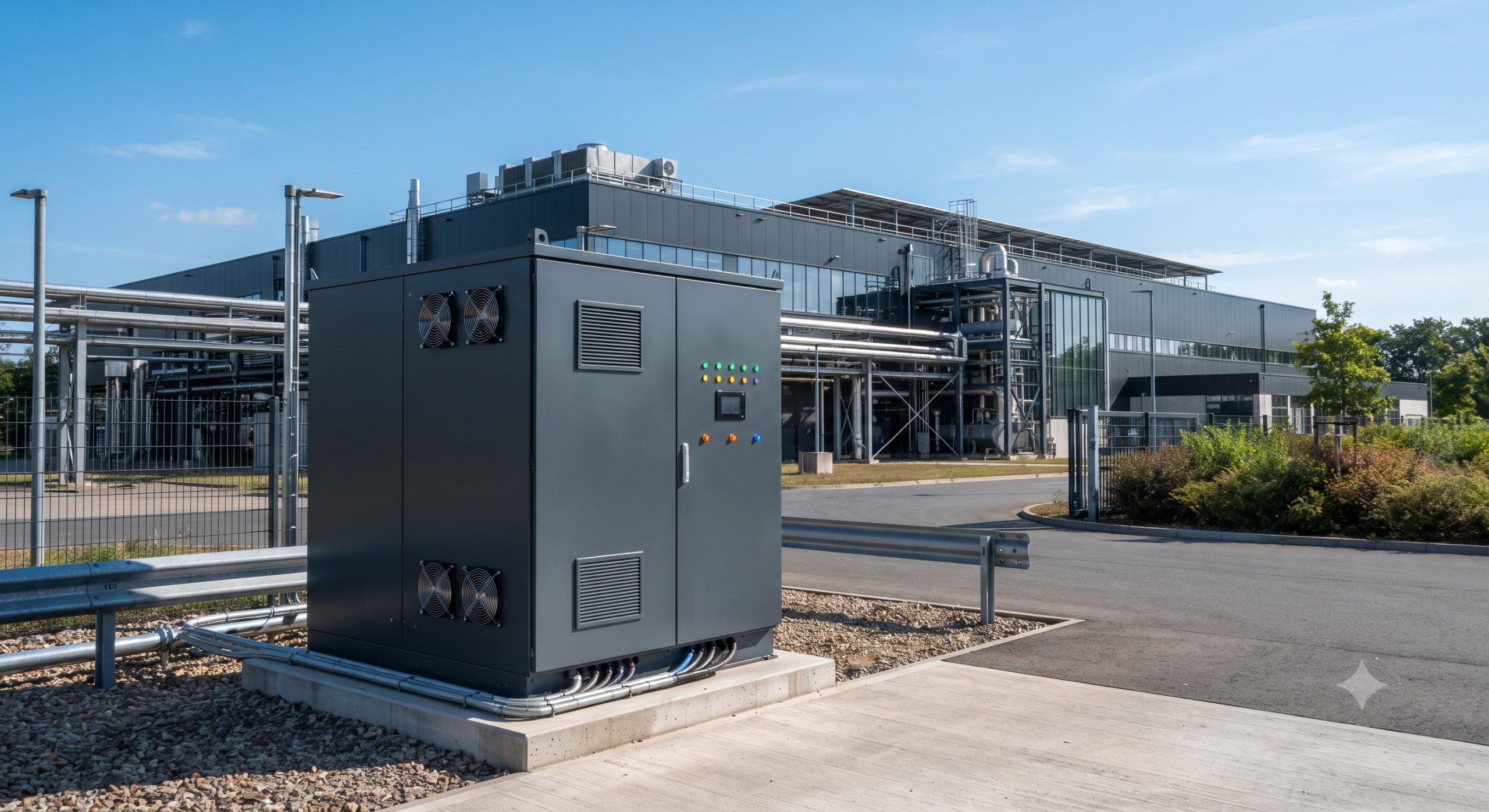
The foundation of a high-performance containerized BESS lies in the seamless communication and integration between its core components: the lithium-ion battery packs, the PCS, and the Battery Management System (BMS). Modern solutions leverage a sophisticated communication topology where the Energy Management System (EMS) acts as the central brain. Typically, the EMS communicates with the tertiary BMS and the PCS via ethernet using the Modbus TCP/IP protocol, ensuring rapid and reliable data exchange. Simultaneously, the tertiary BMS oversees secondary BMS units within each battery cluster through CAN bus communication, while the EMS controls liquid cooling units via RS485 and Modbus RTU . This hierarchical structure enables precise orchestration of bi-directional power flow, allowing the system to efficiently charge during low-demand periods and discharge during peak hours, stabilizing facility load curves.
Liquid Cooling: The Pivotal Thermal Technology
As energy density in containerized systems increases, thermal management has become a paramount differentiator. Liquid cooling technology is rapidly surpassing traditional air cooling in C&I applications due to its superior heat dissipation capabilities. By circulating a coolant through dedicated pipelines adjacent to battery cells, liquid cooling maintains optimal operating temperatures within a narrow band, crucial for preserving the cycle life and safety of lithium-iron-phosphate (LFP) cells. This system, managed by the EMS, prevents performance derating in extreme ambient temperatures, ranging from -30°C to +50°C, ensuring consistent full-load operation regardless of external conditions . This thermal stability is directly linked to enhanced round-trip efficiency and prolonged asset life.
Technical Specifications
The following table outlines key performance indicators and technical specifications for a state-of-the-art containerized BESS, representing the current industry standard for C&I deployments.
| Key Parameter | Technical Specification |
|---|---|
| Battery Chemistry | Tier-1 LFP (Lithium Iron Phosphate) with 314-280 Ah cells |
| System Capacity | 1.0 MWh to 5.0+ MWh (e.g., 2.25 MWh, 5 MWh configurations) |
| PCS Rated Power | Up to 2.5 MW AC (Scalable with parallel units) |
| Cycle Life @ 90% DoD | >6,000 to 8,000 cycles |
| Round-Trip Efficiency | >92% (including auxiliary loads) |
| DC Voltage Range | 1,164V to 1,500V (High-voltage architecture) |
| Thermal Management | Integrated Liquid Cooling (Temperature range: -20°C to 50°C) |
| Safety & Compliance | UL 9540, IEC 62619, UN38.3, CE (IP54 enclosure) |
| Response Time | <200 ms for grid frequency regulation |
Commercial ROI & Grid Support
The business case for a containerized BESS is fundamentally anchored in its ability to perform peak shaving and capture value through demand response programs. By strategically discharging stored energy during peak tariff periods, C&I facilities can significantly reduce their electricity costs, often achieving payback periods well within the system’s warranted lifespan. Beyond direct cost savings, these systems provide critical grid support. The PCS, with its rapid response times of under 200 milliseconds, enables fast frequency regulation and ancillary services, allowing facilities to monetize their BESS capacity by stabilizing the local grid . With Tier-1 LFP cells achieving >8000 cycles at 90% Depth of Discharge (DoD), the total cost of ownership (TCO) becomes increasingly competitive, especially when factoring in the avoidance of demand charges and participation in VPP (Virtual Power Plant) aggregations.
Deployment Scenarios
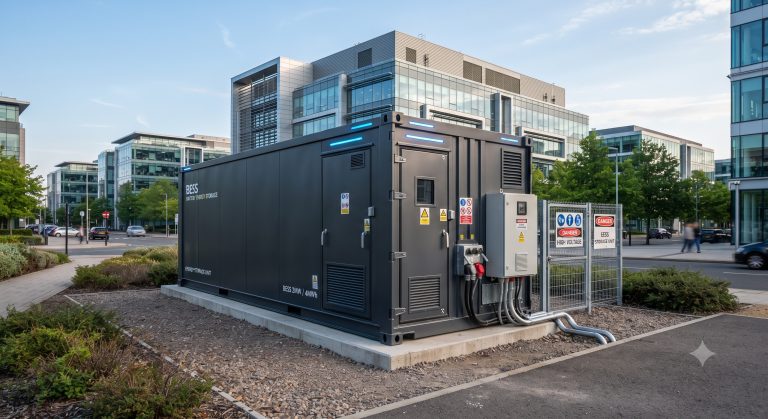
The modularity of containerized BESS makes it adaptable to a wide variety of high-demand environments.
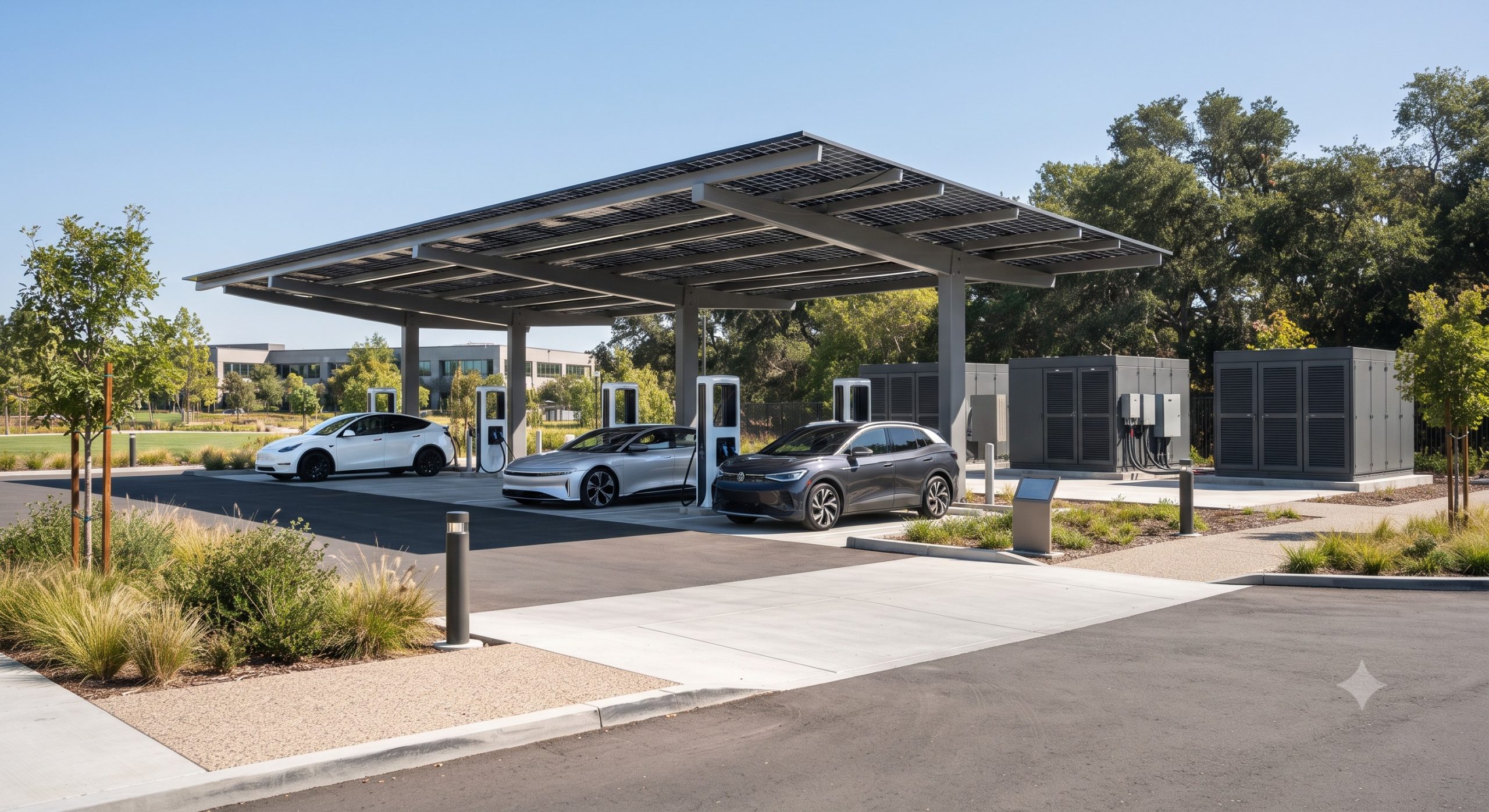
- PV-Storage-Charging (光储充) Hubs: Integrating Container BESS PCS integration with EV supercharging stations is a prime application. The BESS can buffer solar energy from a canopy and discharge it at high rates to charge electric vehicles, reducing stress on the grid and enabling the station to operate in off-grid mode during outages .
- Industrial Parks & Micro-grids: In industrial settings, these systems ensure energy independence and resilience. Pre-wired and factory-tested, the container can be deployed alongside renewables and diesel generators to create a robust micro-grid. Its pre-configured grounding and AC/DC buses simplify on-site wiring, reducing installation time from weeks to days .
Conclusion
Container BESS PCS integration represents a mature, highly efficient, and financially sound solution for modernizing energy infrastructure in the C&I sector. By selecting a factory-integrated, liquid-cooled system that complies with key safety standards like UL 9540 and IEC 62619, businesses can secure a 10-15 year asset that enhances profitability, supports sustainability goals, and ensures energy resilience. As the global energy transition accelerates, the advanced, pre-validated architecture of containerized BESS stands as the definitive solution for forward-thinking enterprises.