Introduction: The C&I Energy Mandate and the Rise of Distributed Storage
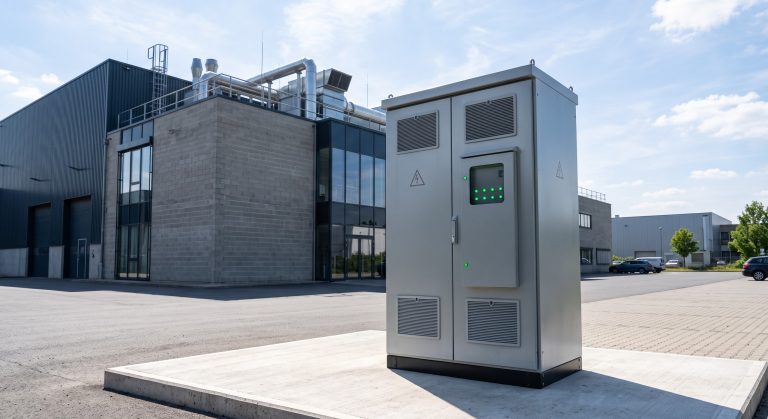
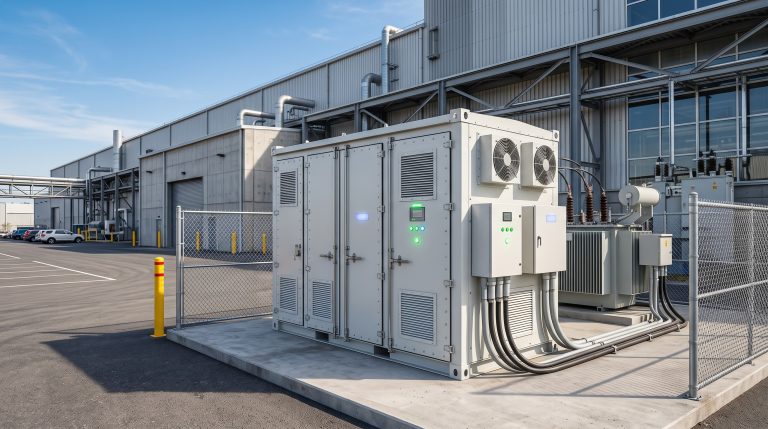
Across global commercial and industrial (C&I) sectors, the convergence of rising grid instability, volatile time-of-use (TOU) tariffs, and corporate net-zero pledges has accelerated the adoption of distributed energy resources. Wall-mounted solar systems, specifically high-density Battery Energy Storage Systems (BESS), have emerged as the definitive engineering solution for behind-the-meter energy arbitrage, peak demand shaving, and emergency backup. Unlike traditional ground-mounted solar arrays, wall-mounted solar and integrated storage units offer a unique value proposition: high energy density per square meter, modular scalability, and seamless integration with existing PV infrastructure. This guide delivers a comprehensive B2B technical deep-dive into the architecture, liquid-cooled thermal management, safety compliance (UL 9540, IEC 62619), and financial modeling required to procure and deploy these assets at scale.
Core System Architecture: PCS, BMS, and EMS Integration
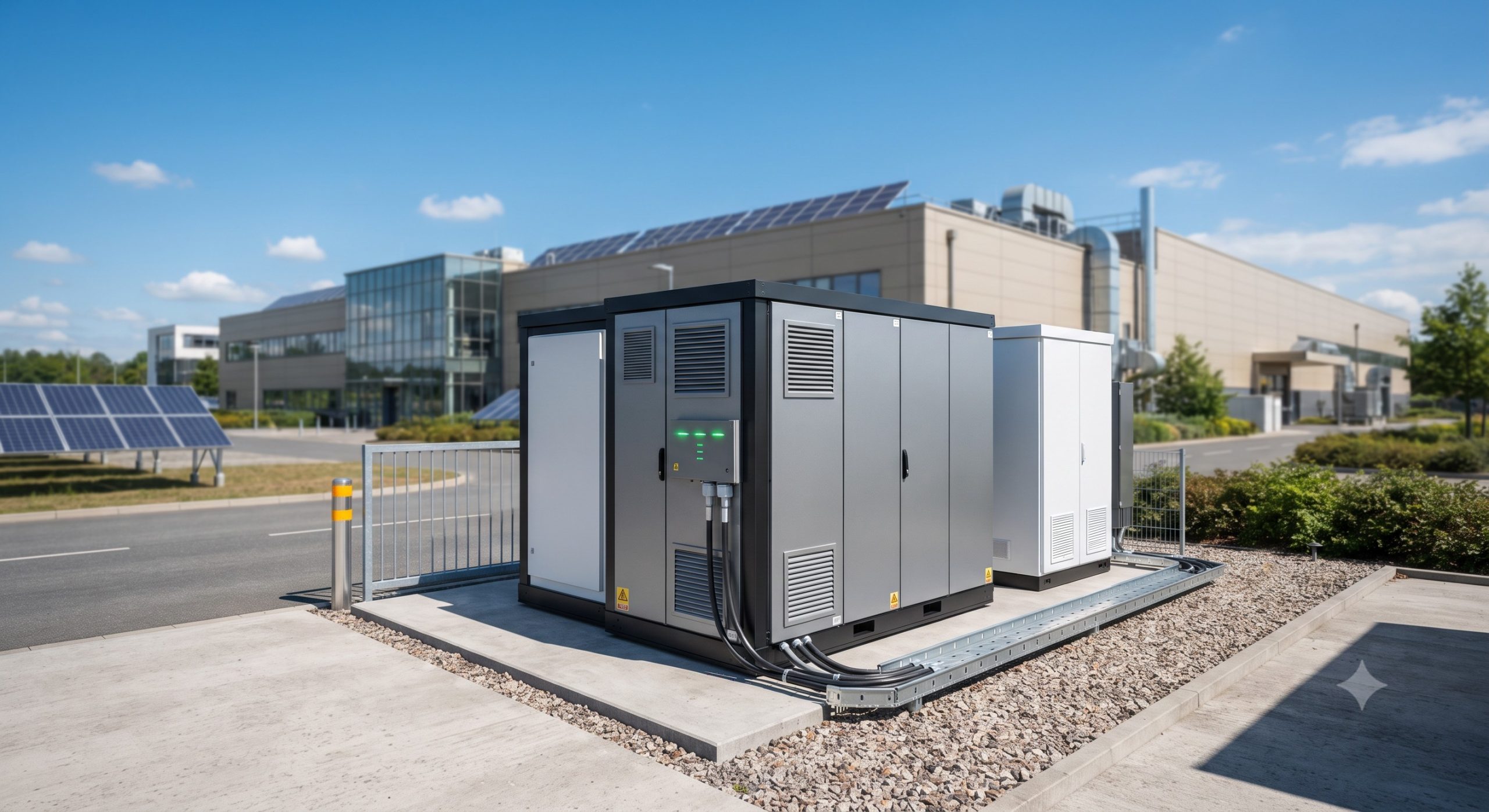
Modern wall-mounted solar BESS units are not monolithic batteries; they are sophisticated power conversion systems. The core of this architecture comprises three integrated subsystems that dictate performance, safety, and grid-interactive capability. The first is the Battery Management System (BMS), which provides cell-level voltage, current, and temperature monitoring. Advanced BMS platforms utilize predictive algorithms to preempt thermal events, enforcing strict operational parameters defined by Tier-1 LFP cell manufacturers. The second is the Power Conversion System (PCS), a bi-directional inverter that handles AC/DC conversion with a round-trip efficiency of typically >92%. The third is the Energy Management System (EMS), the logic layer that orchestrates dispatch strategies—from peak-shaving and valley-filling to participation in Virtual Power Plant (VPP) frequency regulation markets.
Liquid Cooling vs. Air Cooling: Thermal Performance Metrics
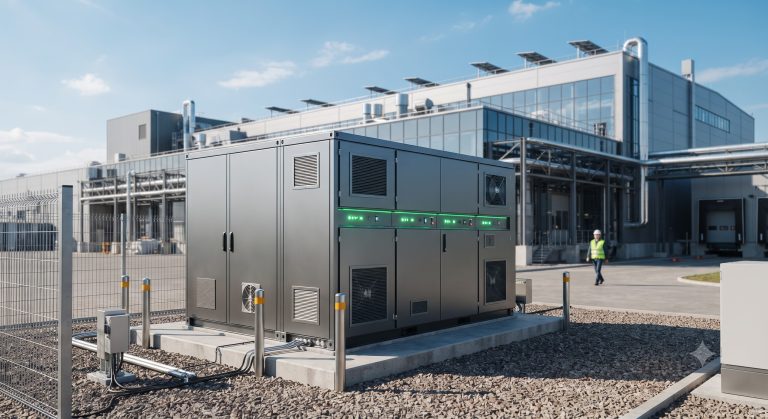
Thermal management is the single most critical factor influencing cycle life and safety. In high-capacity wall-mounted solar configurations (>100kWh), liquid cooling has become the gold standard. Our data indicates that liquid cooling systems maintain cell temperature differentials within ±1.5°C, compared to ±4.5°C for forced-air systems. This precise thermal control directly correlates with cycle life; maintaining optimal temperatures (23-25°C) can extend LFP cell longevity to >8,000 cycles at 90% DoD, compared to approximately 5,000 cycles under elevated thermal stress. Furthermore, liquid cooling enables higher power density, allowing system integrators to pack more energy capacity into the same wall-mounted footprint.
Technical Specifications and Compliance: The Engineer’s Reference
When evaluating wall-mounted solar BESS for commercial procurement, several key performance indicators (KPIs) and safety certifications must be non-negotiable. The following table provides a benchmark specification ledger for a standard 215kWh wall-mounted unit, representing the current industry baseline for turnkey delivery and grid-tie compliance.
| Key Parameter | Technical Specification |
|---|---|
| Battery Chemistry | Tier-1 LFP (Lithium Iron Phosphate) |
| System Energy Capacity | 215 kWh (DC) / 210 kWh (AC) |
| Nominal Voltage | 768 Vdc |
| Max. Charging / Discharging Power | 100 kW / 100 kW (1C rate) |
| Round-trip Efficiency (DC/AC) | >92% @ 25°C |
| Cycle Life @ 90% DoD | >8,000 cycles (Liquid Cooling @ 25°C) |
| Operating Temperature Range | -20°C to +55°C (Derating above 45°C) |
| Cooling Method | Advanced Liquid Cooling with Fluid Pipeline Connectors |
| Communication Protocols | Modbus TCP/IP, CAN 2.0, IEC 61850 |
| Safety Certifications | IEC 62619, UL 9540, CE, UN38.3 |
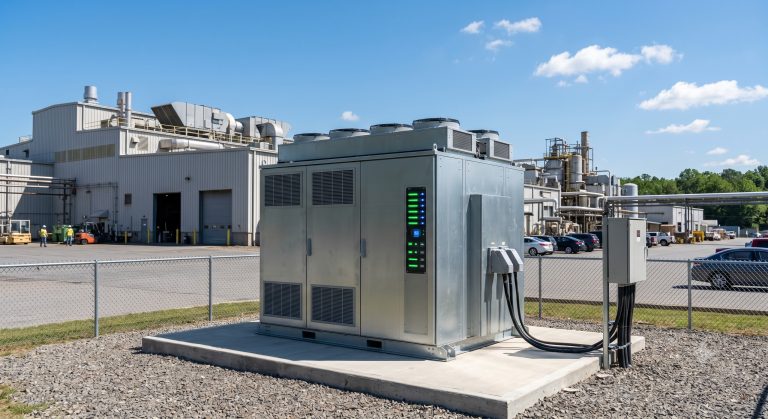
Beyond the core electrical specs, rigorous safety compliance is paramount. Procurement specifications must mandate IEC 62619 (safety requirements for industrial batteries), UL 9540 (energy storage systems and equipment), and UN38.3 (transportation safety). Additionally, inquire about the Degree of Protection (IP) rating; for outdoor wall-mounted installations, an IP65 or IP66 rating ensures resistance to dust and high-pressure water jets, crucial for long-term reliability in industrial environments. The inclusion of a multi-level fire suppression system (aerosol or gas-based) and a dedicated Fire Suppression System (FSS) control unit is now a standard feature for risk mitigation.
Commercial ROI: Levelized Cost of Storage (LCOE) and Peak-Shaving
The financial justification for wall-mounted solar BESS hinges on the Levelized Cost of Storage (LCOE) and the capture of demand charges. In regions with high industrial electricity tariffs (e.g., >$0.15/kWh), a 215kWh system performing daily peak-shaving (2 cycles per day) can reduce demand charges by up to 30-40%. With a total cycle life >8,000 cycles, the amortized LCOE can drop below $0.08/kWh, making it highly competitive with grid imports. The business case strengthens when factoring in the Total Cost of Ownership (TCO); wall-mounted designs reduce civil works costs and land acquisition overhead, driving down the CapEx. Furthermore, intelligent EMS can monetize demand response (DR) programs, providing an additional revenue stream that accelerates ROI to under 3-4 years in many markets.
Deployment Scenarios: From EV Supercharging to Industrial Parks
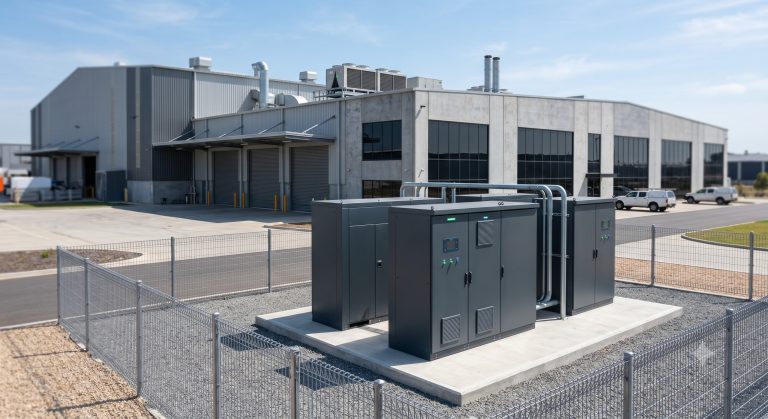
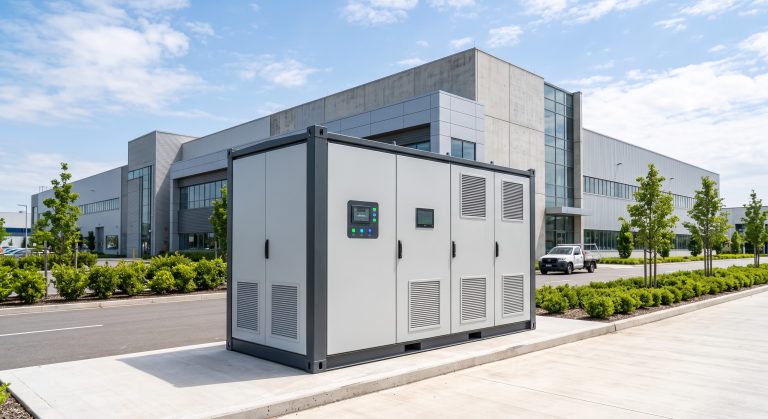
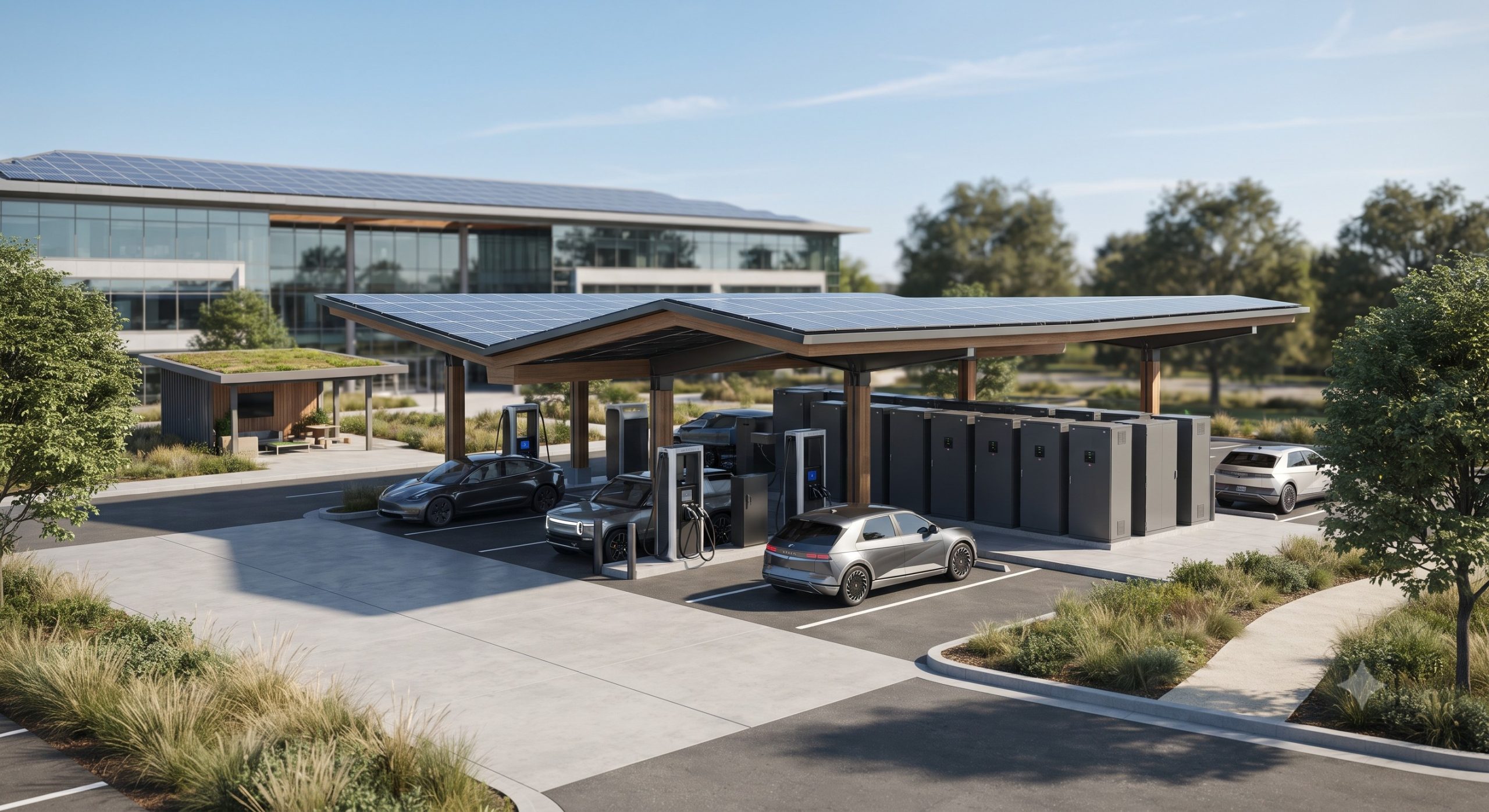
Wall-mounted solar configurations are particularly adept at solving spatial constraints in urban C&I environments. In the PV-Storage-Charging (光储充) ecosystem, these units are deployed alongside solar canopies to support high-power EV supercharging stations. The battery acts as a buffer, discharging 500kW+ bursts to charge EVs while maintaining a stable grid draw, thereby avoiding costly transformer upgrades and reducing grid strain. In industrial parks, modular wall-mounted systems are deployed in parallel to build MWh-scale microgrids, providing black-start capability and ensuring seamless off-grid transition. This flexibility makes them the architect’s preferred choice for achieving energy independence in manufacturing facilities, data centers, and large-scale commercial refrigeration plants.
Conclusion: The Future of C&I Energy Architecture
Wall-mounted solar BESS represents a paradigm shift in how commercial facilities manage energy. It is no longer a speculative technology but a proven, bankable asset class delivering quantifiable resilience and financial returns. For procurement professionals and system architects, the path forward involves prioritizing Tier-1 LFP chemistry, insisting on liquid cooling for thermal stability, and demanding full compliance with UL 9540 and IEC 62619 from your suppliers. As the industry marches toward zero-carbon migration, the integration of these intelligent, modular storage systems will be the linchpin of the smart grid. Engage with certified suppliers who can provide comprehensive Factory Acceptance Testing (FAT) and Site Acceptance Testing (SAT) to ensure a seamless, high-performance deployment.