Introduction: The Wholesale Energy Storage Imperative
In an era defined by volatile energy markets and aggressive decarbonization targets, the commercial and industrial (C&I) sector is increasingly turning to Battery Energy Storage Systems (BESS) as a cornerstone of energy strategy. For project developers, EPCs, and facility managers, navigating the global BESS wholesale market requires a deep understanding of system architecture, economic viability, and rigorous safety standards. The stakes are high: with electricity costs soaring and grid instability a growing concern, a poorly sourced system can erode ROI, while a strategically procured asset can deliver peak-shaving savings, demand response revenue, and enhanced energy resilience. This guide provides a comprehensive, data-driven roadmap for B2B buyers to master the wholesale procurement of advanced BESS solutions, focusing on technical specifications, commercial models, and the critical metrics that define long-term asset performance.
Core Architecture & Battery Management
System Topology and Component Integration
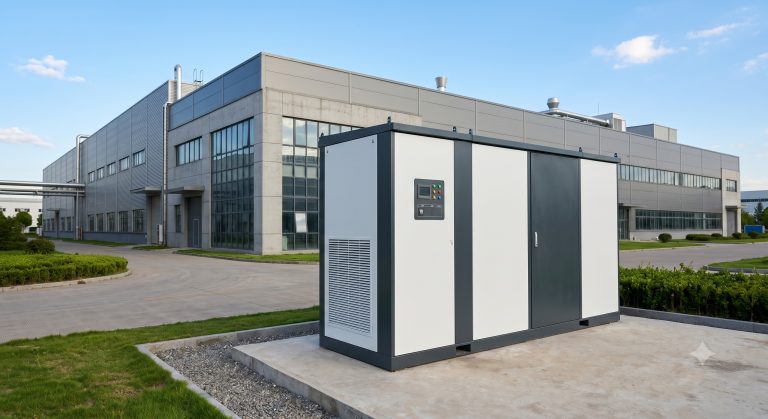
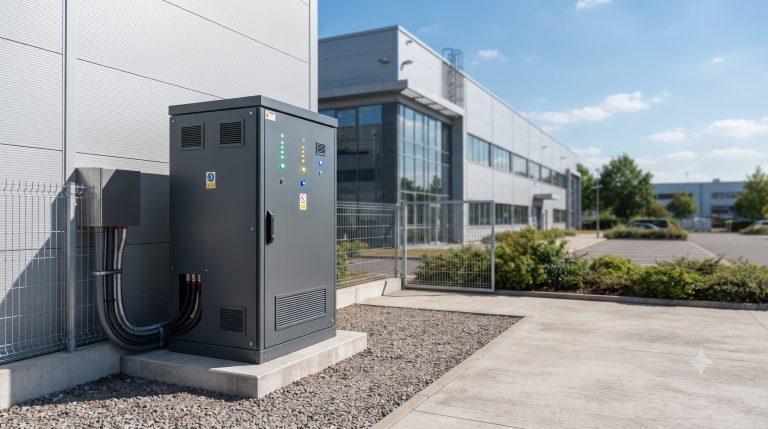
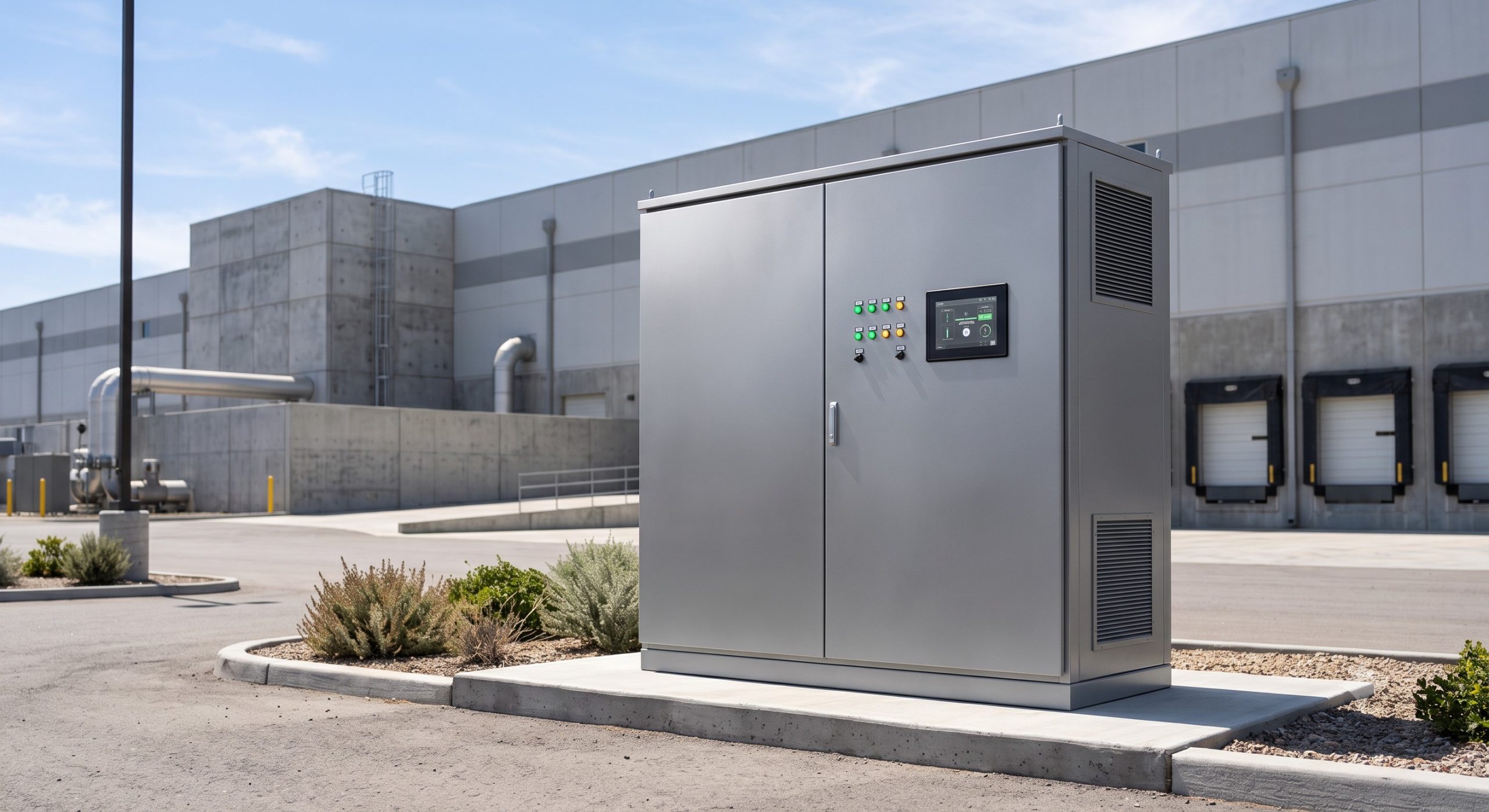
At the heart of every high-performing BESS is a seamless integration of four core components: the Battery Pack (cells and modules), the Battery Management System (BMS), the Power Conversion System (PCS), and the Energy Management System (EMS). In modern wholesale systems, these are often consolidated into a single, factory-integrated cabinet to simplify deployment and ensure compatibility. For example, systems like the GoodWe ESA Series combine these elements into a compact unit, with a footprint of just 1.47 m² and an energy density of 177.6 kWh/m², crucial for space-constrained commercial sites . The trend in wholesale procurement is moving toward such ‘all-in-one’ solutions, which minimize on-site integration risks and reduce balance-of-system costs.
LFP Chemistry and Tier-1 Cell Selection
The lithium-ion chemistry of choice for C&I stationary storage is almost exclusively Lithium Iron Phosphate (LFP). Its superior thermal stability, long cycle life, and cost-effectiveness make it the preferred option over NMC or NCA chemistries for safety-critical applications. Wholesale buyers must source systems using Tier-1 LFP cells, such as the prevalent 314Ah prismatic cells, which are now an industry benchmark for performance and reliability . These cells offer a balance of energy density and safety, ensuring the system can withstand the rigors of daily deep cycling. The pedigree of the cell is paramount; procurement strategies should prioritize suppliers who are transparent about their cell sourcing and can demonstrate robust quality control and traceability.
Advanced Thermal Management: Liquid vs. Air Cooling
Thermal management is a critical differentiator in global BESS wholesale procurement. While air cooling is a mature and cost-effective technology, liquid cooling is rapidly becoming the standard for high-performance C&I systems due to its superior efficiency and ability to maintain tighter cell temperature variances. For instance, GoodWe’s ESA Series guarantees a cell temperature variance of less than 3°C with its liquid cooling system, which is vital for extending cycle life and ensuring consistent performance . Liquid cooling is particularly advantageous for high-density deployments and applications involving multiple daily charge/discharge cycles, as it prevents hotspots and reduces the energy consumption of the cooling system itself.
Technical Specifications
The following table outlines the key technical specifications that procurement professionals should evaluate when comparing wholesale BESS offerings. These metrics are fundamental to calculating the system’s performance, lifespan, and economic returns.
| Key Parameter | Technical Specification | Industry Benchmark |
|---|---|---|
| Battery Chemistry | Tier-1 LFP (Lithium Iron Phosphate) | Premium 314Ah cells |
| Cycle Life | >6,000 cycles @ 90% DoD | Longevity for C&I applications |
| Round-trip Efficiency | >88% (with liquid cooling) | Liquid cooling enhances efficiency |
| Depth of Discharge (DoD) | 90% (recommended for daily cycling) | Balances performance and lifespan |
| Safety Certifications | UL 9540, IEC 62619, UN38.3, CE | Mandatory for global deployment |
| Thermal Management | Liquid Cooling (Preferred) / Air Cooling | Maintains cell temp variance <3°C |
| IP Rating | IP55 (System), IP67 (Modules) | Ensures outdoor durability |
Safety Compliance and Certification
Compliance with international safety and performance standards is non-negotiable in wholesale BESS procurement. Buyers must verify that systems hold certifications such as IEC 62619 for industrial battery safety, UL 9540 for energy storage systems and equipment, UN38.3 for safe transport, and CE marking for the European market . These certifications are not just bureaucratic hurdles; they represent a manufacturer’s commitment to rigorous design, manufacturing quality, and fire safety. Furthermore, features like multi-level fire suppression systems (e.g., aerosol-based) and robust IP ratings (e.g., IP55 for the enclosure, IP67 for modules) are essential for ensuring the system’s operational safety and resilience in various environmental conditions .
Commercial ROI & Grid Support
Total Cost of Ownership (TCO) and LCOE
While the upfront CapEx is a significant factor, a sophisticated procurement strategy focuses on the Total Cost of Ownership (TCO) and Levelized Cost of Storage (LCOS). A system with a higher initial price but superior cycle life, higher round-trip efficiency, and lower degradation rates will almost always yield a lower LCOS over its 10-15 year lifespan. For example, a system guaranteeing >6,000 cycles at 90% DoD provides a substantial economic advantage over a system with only 4,000 cycles, as it spreads the capital cost over more usable energy throughput. Suppliers should provide detailed data on capacity degradation, energy throughput warranties, and performance guarantees to enable accurate LCOS modeling. Research indicates that data-driven strategies can increase economic profitability significantly, with potential yearly revenues in wholesale electricity markets exceeding €9 million through optimized bidding strategies .
Demand Response and Peak Shaving
The primary business case for C&I BESS is often peak shaving—reducing demand charges by discharging stored energy during periods of high grid demand. However, as markets evolve, the value proposition expands to include demand response (DR) programs and participation in wholesale electricity markets. For instance, in the Irish market, day-ahead price spreads average around €103/MWh, creating a significant arbitrage opportunity for BESS operators . Wholesale buyers should look for systems with fast-response PCS and smart EMS capable of executing sophisticated dispatch strategies, such as trading in day-ahead and intra-day markets. The ability to scale capacity—for instance, by paralleling multiple units to reach 1.8 MWh or more—enhances the system’s ability to capture these revenue streams .
Deployment Scenarios
PV-Storage-Charging Synergy and Industrial Parks
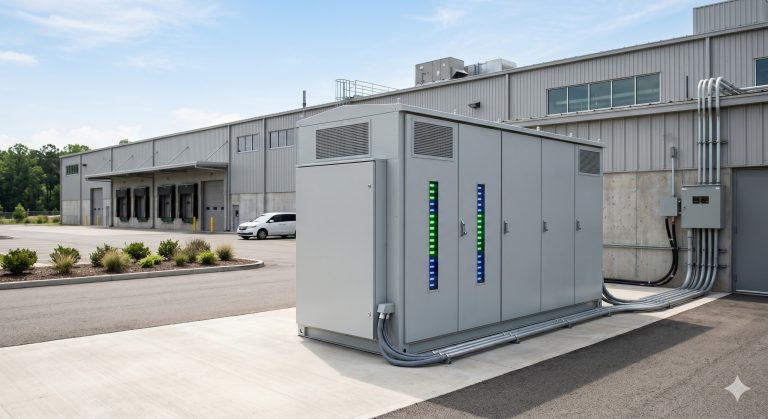
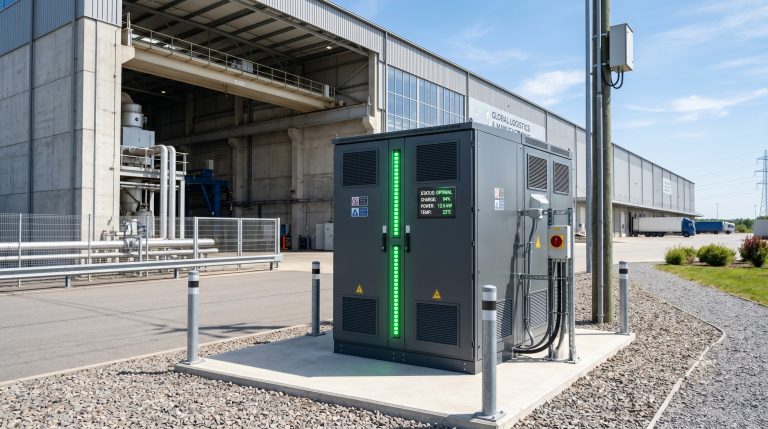
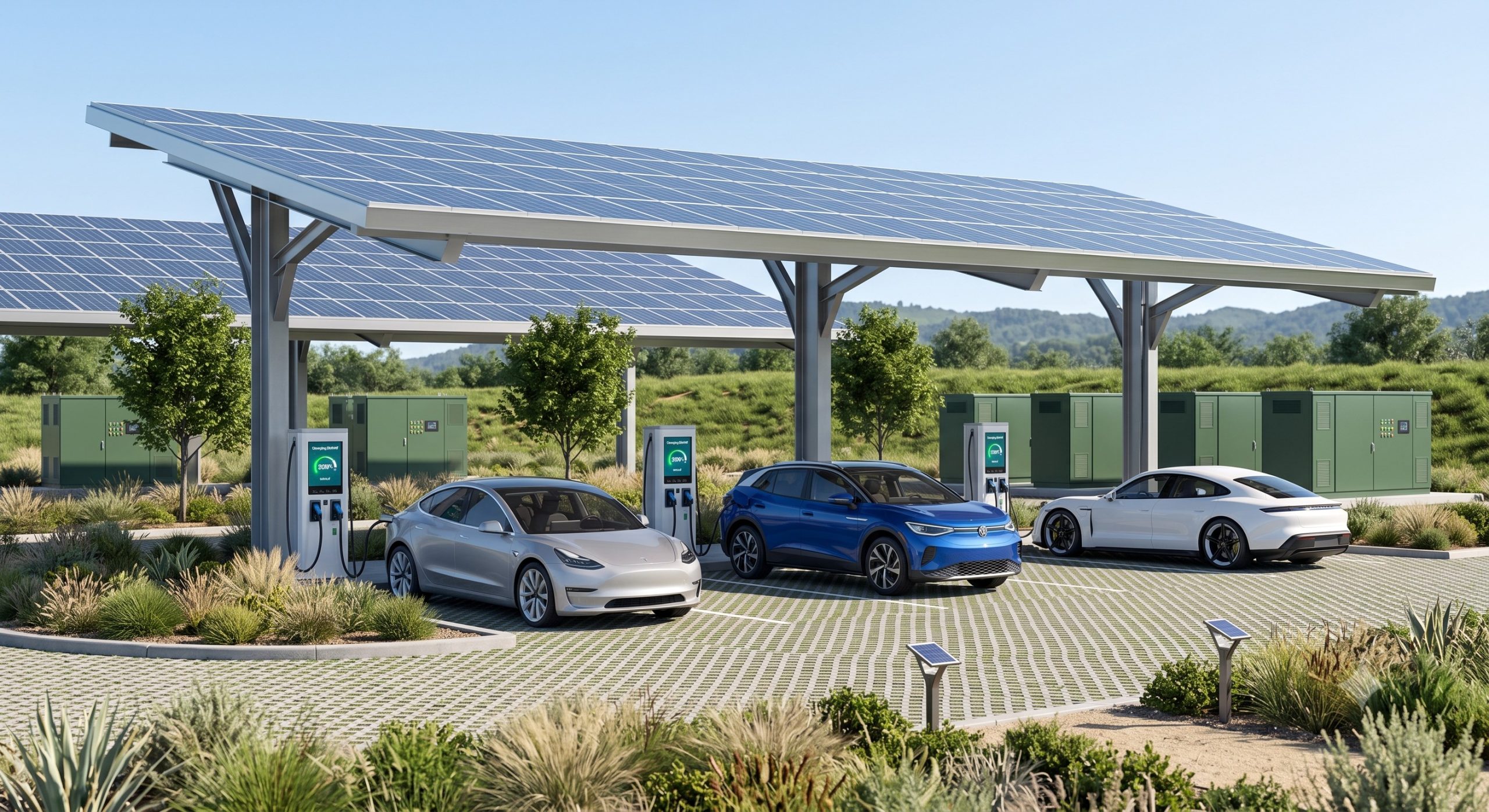
Modern BESS deployments are rarely standalone. The highest-value projects integrate storage with on-site solar PV and EV charging infrastructure—a configuration known as PV-Storage-Charging (光储充). This synergy allows businesses to maximize self-consumption of solar energy, charge EVs at lower off-peak rates, and store excess energy for use during peak periods or grid outages. Systems like the GoodWe BAT series are specifically designed to pair with hybrid inverters for such integrated solutions, providing a one-stop 50kW/100kWh C&I solar storage solution . In industrial parks, modular BESS containers provide a pathway to energy independence, smoothing grid demand, reducing peak tariffs, and providing backup power that enhances operational resilience in the face of power disruptions.
Conclusion: A Strategic Approach to Global BESS Wholesale
Procuring a BESS is a strategic investment, not a commodity purchase. Success in the global wholesale market demands a disciplined approach that prioritizes technical depth, rigorous supplier verification, and a clear-eyed assessment of lifecycle economics. Buyers must move beyond simple price comparisons and focus on the total value proposition: the reputation of cell suppliers, the integrity of the BMS, the efficacy of thermal management, and the robustness of the warranty and certifications. As the C&I energy transition accelerates, the ability to architect, procure, and deploy high-performance BESS will be a key competitive advantage. By adhering to the principles outlined in this guide—understanding the architecture, evaluating the data, and enforcing strict compliance—businesses can secure assets that deliver reliable returns and contribute to a more resilient, sustainable energy future.