Introduction: The Commercial Imperative for Residential Energy Storage
In the dynamic landscape of distributed energy resources, home battery storage solutions have rapidly evolved from a niche consumer commodity into a strategic B2B asset class. For installers, project developers, and procurement specialists, understanding the nuances of system architecture, chemistry, and economic viability is paramount. The global push for decarbonization, coupled with escalating grid instability, has transformed residential energy storage into a critical infrastructure component, presenting a multi-billion dollar market opportunity. This guide provides a deep technical and commercial analysis of modern home battery storage, focusing on the metrics that matter: cycle life, depth of discharge (DoD), round-trip efficiency, and total cost of ownership, to empower B2B decision-makers in delivering high-value installations.
Core Architecture & Advanced Battery Management
At the heart of every robust home battery storage system lies a sophisticated interplay of hardware and software designed for safety, longevity, and performance.
The Power Conversion System (PCS) & Inverter Integration
The Power Conversion System (PCS) is the backbone of energy flow, managing the bidirectional conversion between alternating current (AC) and direct current (DC) . In modern residential setups, hybrid inverters integrate solar generation, battery charging, and grid interaction seamlessly. For instance, systems like the EcoFlow DELTA Pro Ultra X achieve up to 97% conversion efficiency, enabling robust power delivery for high-demand appliances without requiring soft starters . B2B procurement must prioritize inverters compatible with leading brands like Fronius, SMA, and Sungrow to ensure system versatility and ease of integration .
Battery Management System (BMS) & IoT Integration
The Battery Management System (BMS) is the guardian of the battery pack. Advanced BMS platforms now incorporate IoT cloud capabilities for remote monitoring, predictive maintenance, and Over-The-Air (OTA) firmware updates. Cutting-edge BMS modules support high-current active balancing, effectively crushing voltage differences to maximize the lifespan of high-capacity lithium battery packs . This is particularly crucial for commercial operators managing fleets of systems, reducing maintenance costs and operational risks through real-time health tracking.
Thermal Management: Air vs. Liquid Cooling
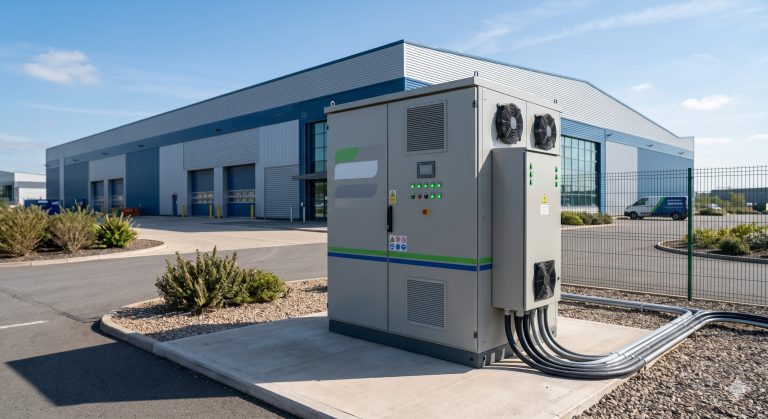
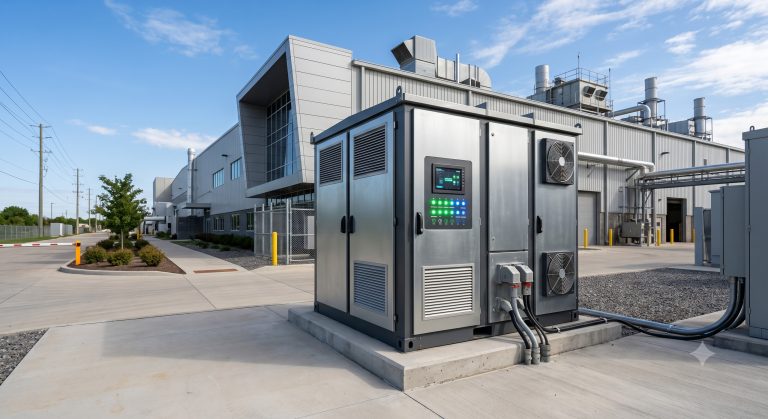
Effective thermal control is non-negotiable for performance and safety. While air cooling remains prevalent, advanced systems are increasingly adopting liquid cooling technology to achieve higher power density and lower energy consumption. For instance, commercial-grade systems adapted from the C&I sector demonstrate that liquid cooling can deliver over 20% higher power density and up to 30% lower energy consumption compared to traditional air-cooling solutions, maintaining a cell temperature differential of less than 2°C to extend component lifespan . This is critical for B2B buyers designing high-density installations.
Technical Specifications & Compliance
For B2B sourcing, compliance with international standards is as critical as raw performance. Systems must adhere to rigorous safety and transport protocols.
| Key Parameter | Technical Specification | Industry Standard / Requirement |
|---|---|---|
| Battery Chemistry | Tier-1 LFP (Lithium Iron Phosphate) | Cobalt-free for safety and longevity |
| Usable Capacity (per unit) | 5.9 kWh to 29.6 kWh (modular cabinet), expandable to 89.07 kWh | IEC 62619 |
| Cycle Life | >8000 cycles @ 90% Depth of Discharge (DoD) | UL 9540 |
| Round-Trip Efficiency | ≥96% | High efficiency for peak shaving ROI |
| Thermal Management | Liquid Cooling (Optimal) / Air Cooling | Maintains <2°C cell temperature differential |
| Protection Class | IP55 (System) / IP67 (Battery Module) | UN38.3 |
| Operating Temperature Range | -20°C to 50°C | VDE 2510-50 |
| Compliance | UL 9540, IEC 62619, CE, UN38.3 | Mandatory for B2B deployment and insurance |
Compliance Standards: UL 9540, IEC 62619, and UN38.3
Ensuring compliance with IEC 62619 (safety requirements for secondary lithium cells and batteries) and UL 9540 (standard for energy storage systems and equipment) is essential for market access and insurance purposes. Units must also comply with UN38.3 for safe transportation . These certifications validate the system’s design for thermal stability, electrical safety, and mechanical robustness, ensuring they meet the strict requirements of global distributors and installers.
Commercial ROI & Grid Support Capabilities
The value proposition of home battery storage solutions for B2B stakeholders extends beyond simple backup power to active grid participation and financial optimization.
Peak Shaving, Load Shifting & Time-of-Use (ToU) Arbitrage
Commercial and industrial facilities, and even aggregated residential clusters, utilize storage to manage peak demand charges and optimize electricity bills . By charging batteries during low-cost off-peak hours and discharging during high-cost peak periods, businesses can significantly reduce their electricity expenses. AI-powered ToU modes, as seen in advanced systems, can automatically forecast and optimize this cycle, potentially slashing electricity costs by up to $6,000 annually per installation .
Virtual Power Plant (VPP) Readiness & Frequency Regulation
Advanced systems are increasingly VPP-ready, capable of providing grid support services like frequency regulation and demand response. By participating in utility incentive programs, battery assets can generate additional revenue streams, accelerating ROI. This requires robust communication protocols (e.g., CAN bus) and an EMS capable of intelligent dispatch and rapid response (< 100ms) to grid signals .
Deployment Scenarios
The modularity and scalability of modern home battery systems allow for a diverse range of deployment scenarios beyond the single-family home.
Residential New Builds & Retrofits
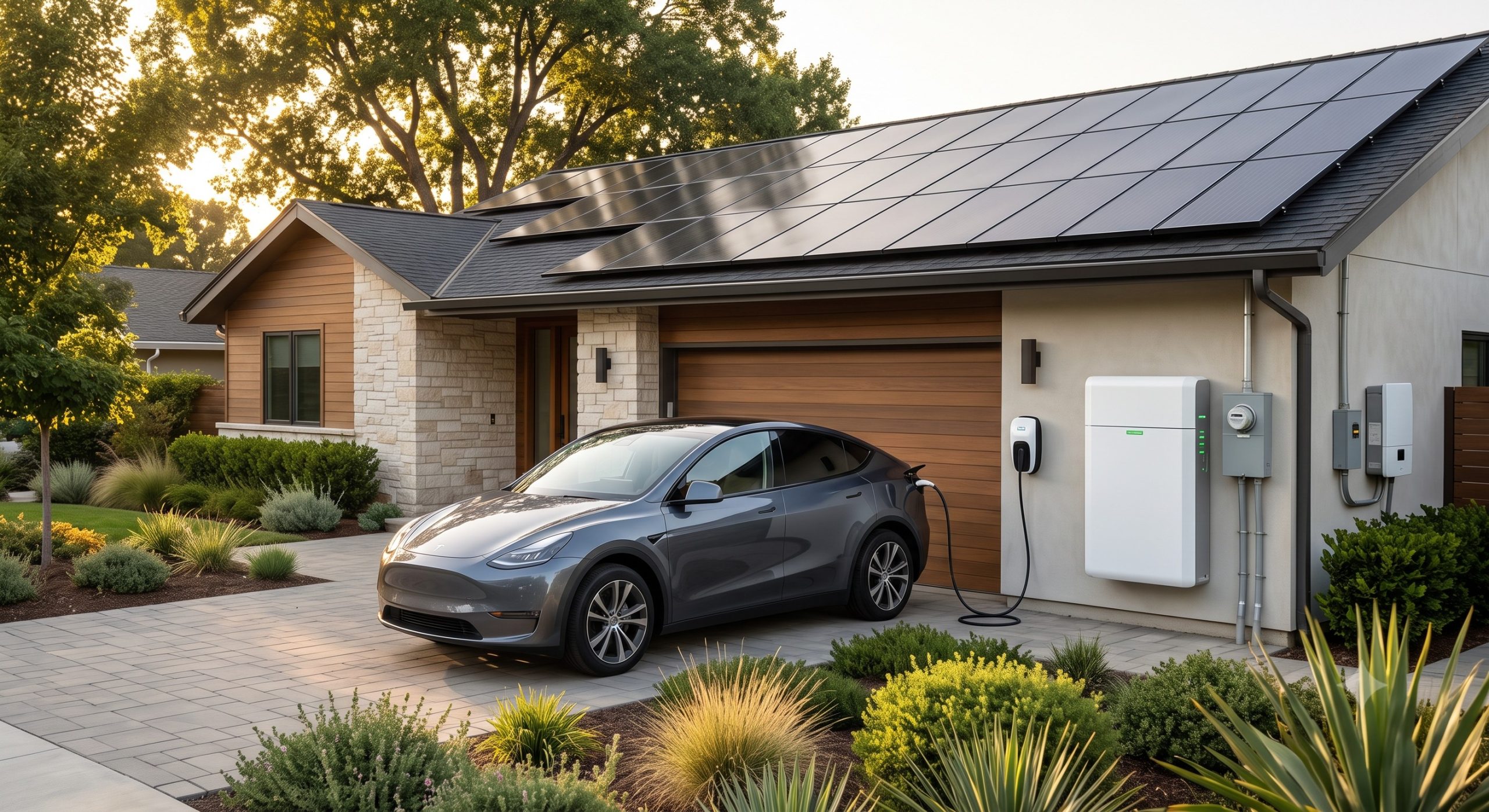
For new developments, integrating a comprehensive storage solution allows builders to offer ‘zero-energy ready’ homes, adding significant market value. For retrofits, systems can be AC-coupled to existing solar PV arrays, simplifying installation. All-in-one solutions, such as Sunwoda’s SunESS-Power with integrated hybrid inverters and capacities from 5 to 40 kWh, streamline deployment for installers .
Multi-Family Units & Mixed-Use Buildings
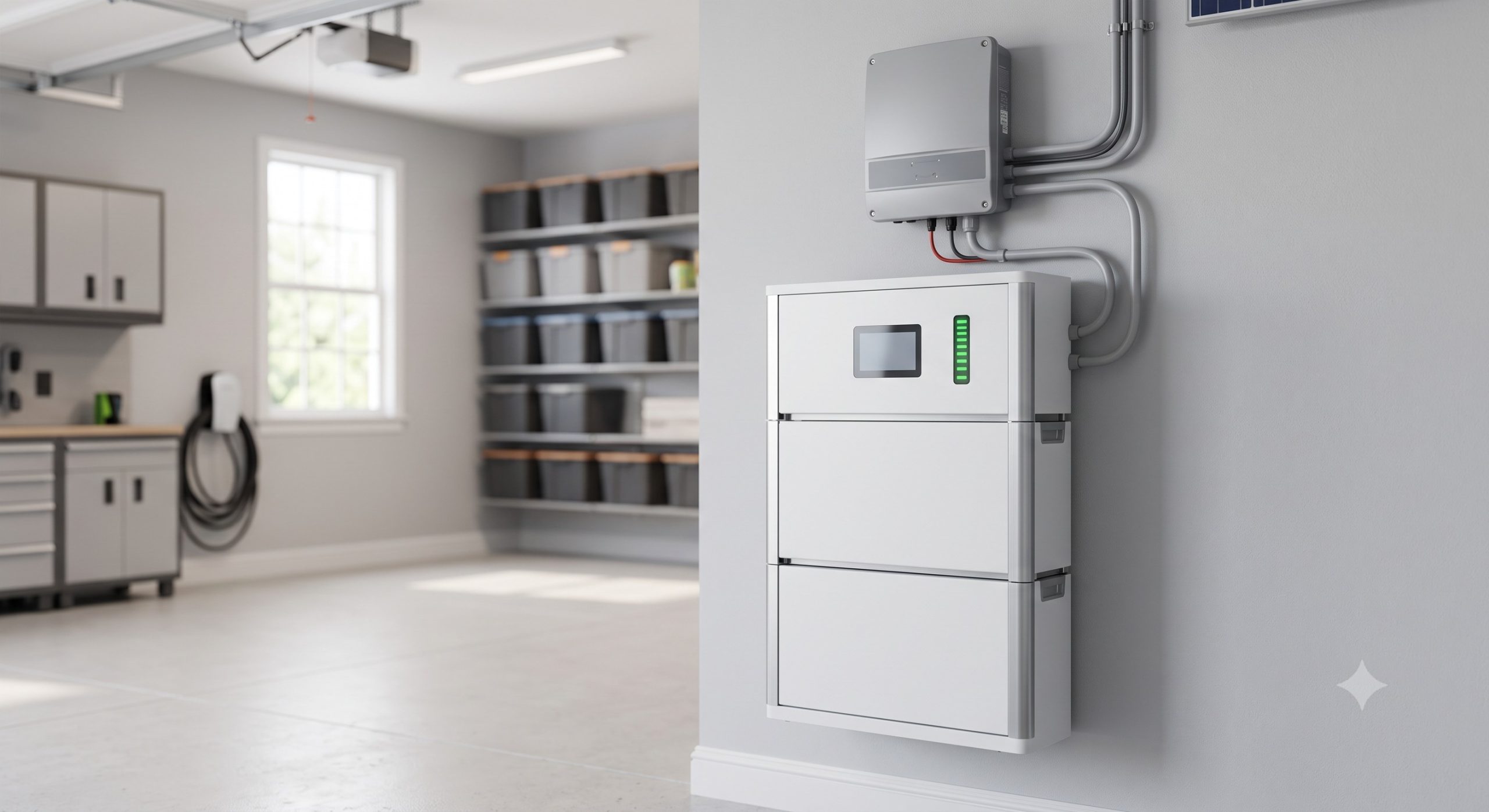
Shared storage systems in apartment complexes or mixed-use buildings can manage common area loads, provide backup for essential services, and aggregate demand for VPP participation. Wall-mounted units, typically ranging from 3kWh to 15kWh, offer space-saving, aesthetically pleasing solutions for urban environments where floor space is at a premium .
PV-Storage-Charging Integration
Integrating storage with EV charging infrastructure (PV-Storage-Charging hubs) is a high-growth application. A modular, scalable system can power EV superchargers, flattening the load curve and reducing strain on the grid during peak periods. This synergy turns a facility into a comprehensive energy service provider, maximizing the utilization of on-site solar generation and enhancing resilience .
Conclusion: The Strategic Procurement Roadmap
For B2B stakeholders, sourcing home battery storage solutions requires a strategic approach that balances initial investment against long-term performance and compliance. Prioritizing systems with Tier-1 LFP cells, a proven BMS, and comprehensive certifications like UL 9540 and IEC 62619 is critical. Evaluating the Total Cost of Ownership (TCO) by analyzing cycle life, DoD, and round-trip efficiency will ensure a profitable and sustainable business model. As the market matures, those who invest in high-quality, compliant, and intelligent storage solutions will be best positioned to capitalize on the energy transition, delivering superior value to their clients and end-users.