Introduction: The Strategic Case for Transportable Battery Energy Storage in Modern C&I Energy Management
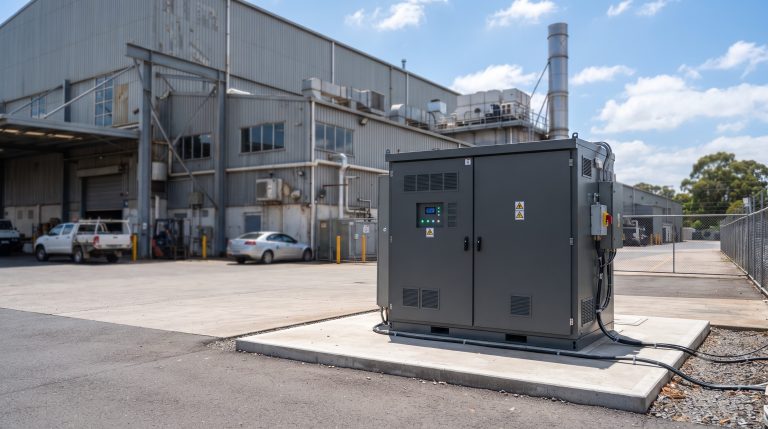
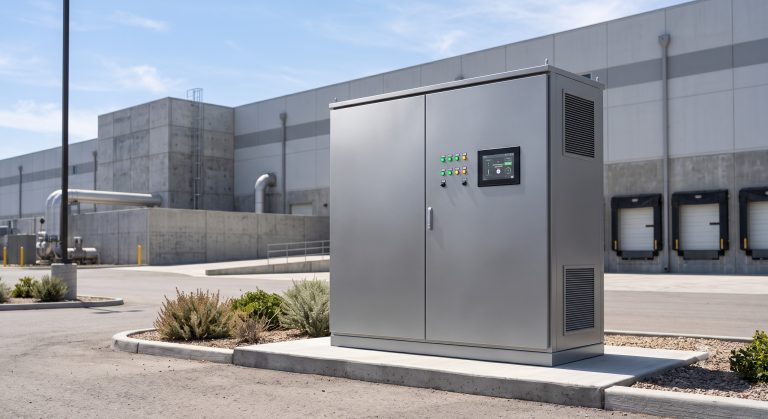
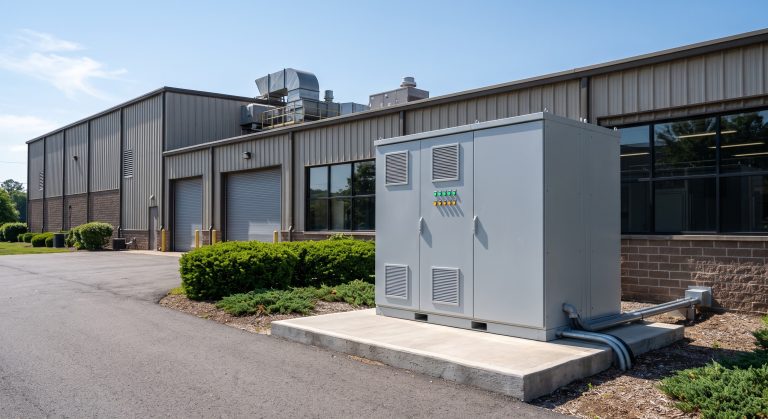
For today’s commercial and industrial (C&I) energy managers, the challenge is no longer simply the cost of electricity, but its availability and reliability. Grid instability, peak demand charges, and the increasing penetration of renewables have created a volatile energy landscape. In response, Transportable battery energy storage (BESS) has emerged as the definitive engineering solution for C&I facilities, industrial parks, and EV charging hubs. Unlike stationary systems, transportable or modular BESS units offer unprecedented flexibility: they are pre-engineered, factory-tested, and can be rapidly deployed to alleviate grid stress, provide backup power, or capitalize on energy arbitrage. This guide serves as a comprehensive technical and commercial source for decision-makers evaluating this transformative technology, with a focus on system architecture, total cost of ownership (TCO), and compliance with global safety standards like IEC 62619 and UL 9540.
Core Architecture and Battery Management: The Engineering Backbone
Battery Chemistry & Cell Topology
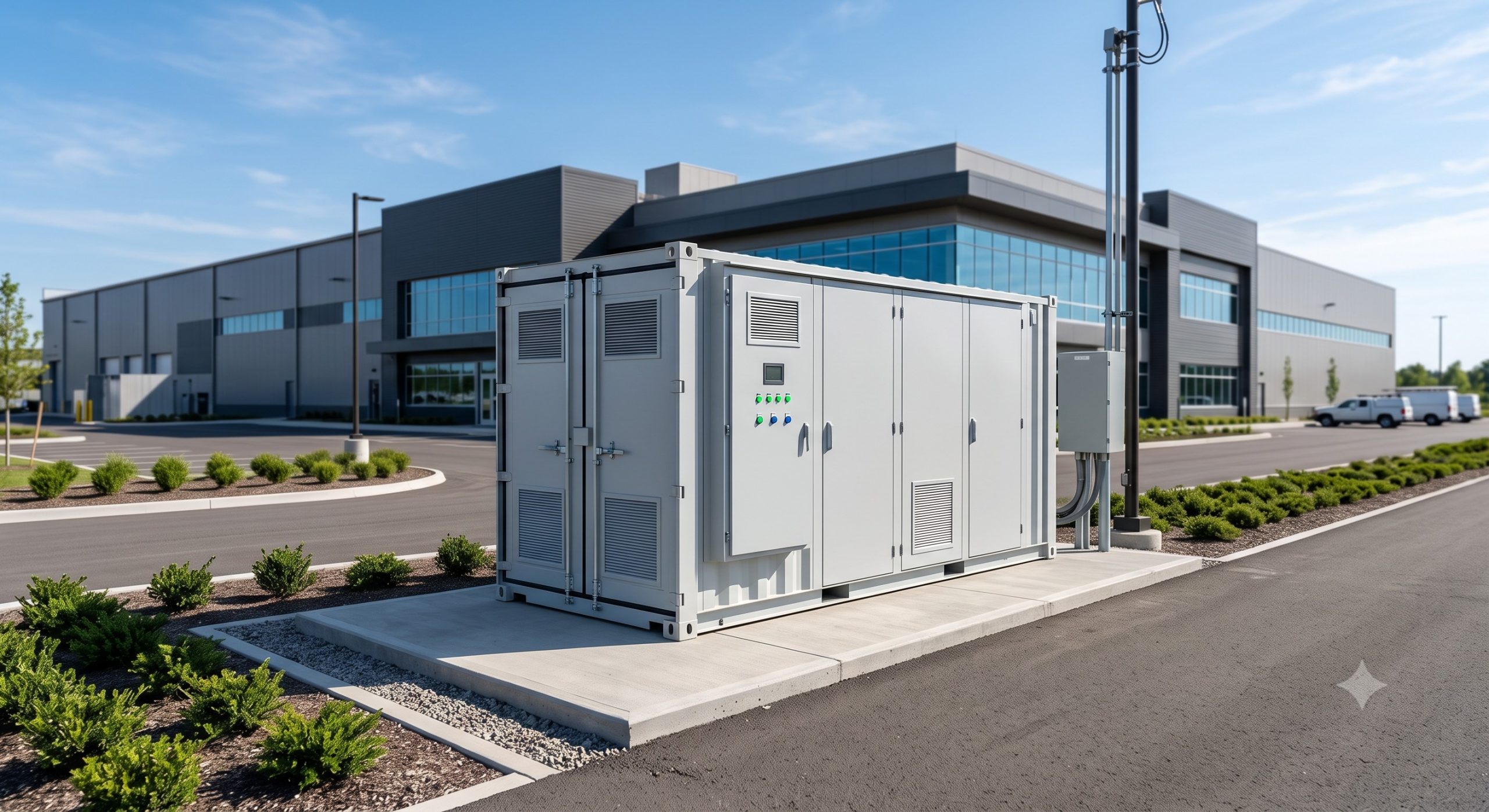
At the heart of a modern transportable BESS is the battery pack. The industry has overwhelmingly standardized on Tier-1 Lithium Iron Phosphate (LFP) cells. LFP chemistry is favored for C&I applications due to its exceptional thermal stability, long cycle life, and absence of cobalt, making it both safer and more cost-effective. A typical high-capacity transportable unit integrates these cells in a series-parallel configuration to achieve desired system voltages (commonly 800V-1500V DC) and capacities, ranging from 500kWh to over 2MWh in a single ISO container or skid-mounted cabinet. For instance, a 1MW/2MWh system is an industry sweet spot for peak shaving and grid support, optimized for a maximum Depth of Discharge (DoD) of 90%, thereby maximizing usable energy without significantly accelerating cycle life degradation.
Power Conversion System (PCS) and Bi-directional Inverter
The PCS is the intelligent gateway between the DC battery and the AC grid. For transportable systems, a liquid-cooled PCS is becoming increasingly standard due to its superior power density and thermal management, enabling operation in ambient temperatures ranging from -20°C to +50°C without derating. The PCS manages the bi-directional flow of electricity: rectifying AC power from the grid to charge the battery and inverting DC power back to AC for discharge. Critical performance metrics for the PCS include a high round-trip efficiency (typically >92% at rated power), low total harmonic distortion (THD <3%), and the ability to operate in both grid-tied and off-grid modes, facilitating islanding capability for critical loads during grid outages.
Battery Management System (BMS) and Smart EMS
The Battery Management System (BMS) is the critical safety and performance component, responsible for cell-level monitoring, state-of-charge (SoC) and state-of-health (SoH) estimation, and cell balancing. An advanced BMS employs active balancing techniques to ensure all cells in a string have uniform voltage and temperature, which is paramount for maximizing capacity and preventing premature failure. This data is fed into the Energy Management System (EMS), a software layer that orchestrates the entire system’s operation. The EMS uses complex algorithms to dispatch energy based on real-time electricity pricing, peak load forecasts, and grid signals. For a transportable unit intended for demand response, the EMS must support standard communication protocols like Modbus TCP/IP, IEC 61850, and DNP3 to interface seamlessly with utility control rooms and aggregators.
Technical Specifications and Performance Metrics
When sourcing a transportable BESS, procurement and engineering teams must scrutinize a core set of performance and safety metrics. The following table summarizes the critical parameters that define a premium system, aligning with international standards. Compliance with UN38.3 is mandatory for safe transportation, while UL 9540 and IEC 62619 certifications validate the system’s safety for stationary and mobile industrial applications.
| Key Parameter | Technical Specification |
|---|---|
| Battery Chemistry | Tier-1 LFP (Lithium Iron Phosphate) |
| Nominal Energy Capacity | Up to 2.0 MWh per standard ISO container |
| Rated Power Output | 500 kW to 1.5 MW AC (Scalable via parallel units) |
| Round-Trip Efficiency | 92-95% @ 25°C nominal |
| Cycle Life | >8000 cycles @ 90% DoD to 70% EOL |
| Depth of Discharge (DoD) | 90% recommended for optimal TCO |
| Thermal Management | Integrated Liquid Cooling (Coolant: Water-Glycol mix) |
| Safety Certifications | IEC 62619, UL 9540, UN38.3, CE |
| Protocol | Modbus TCP, IEC 61850, DNP3 |
Commercial ROI and Grid Support Strategy
Total Cost of Ownership (TCO) and LCOE Analysis
A primary driver for deploying transportable BESS is the financial return, which is best evaluated via the Levelized Cost of Storage (LCOE) and a comprehensive TCO analysis. The LCOE is a function of the upfront capital expenditure (CapEx), system efficiency, cycle life, and operational expenditures (OpEx), primarily maintenance and replacement costs. For a C&I facility facing peak demand charges of $15-$20/kW, a 1MW/2MWh system can achieve payback periods of under 5 years, generating annual savings of over $200,000 through peak shaving and demand charge mitigation. The TCO model must also factor in the degradation rate of the LFP cells, typically around 2-3% per year for the first few years, followed by a more linear decline, ensuring the system retains >70% capacity after 8000 cycles at 90% DoD.
Frequency Regulation and VPP Readiness
Beyond site-level savings, transportable BESS units are prime candidates for grid services. Their fast response time (typically <100ms from signal to full power output) makes them excellent for primary frequency regulation. By participating in ancillary service markets, owners can unlock additional revenue streams, often surpassing the returns from pure arbitrage. Furthermore, these systems are inherently Virtual Power Plant (VPP) ready. They can be aggregated by an EMS or third-party operator to form a single, dispatchable resource, providing flexible capacity to the grid. For industrial parks, this offers a dual benefit: reducing their own energy costs while providing a stability service to the local utility.
Deployment Scenarios and Integration Synergies
PV-Storage-Charging (光储充) Synergy
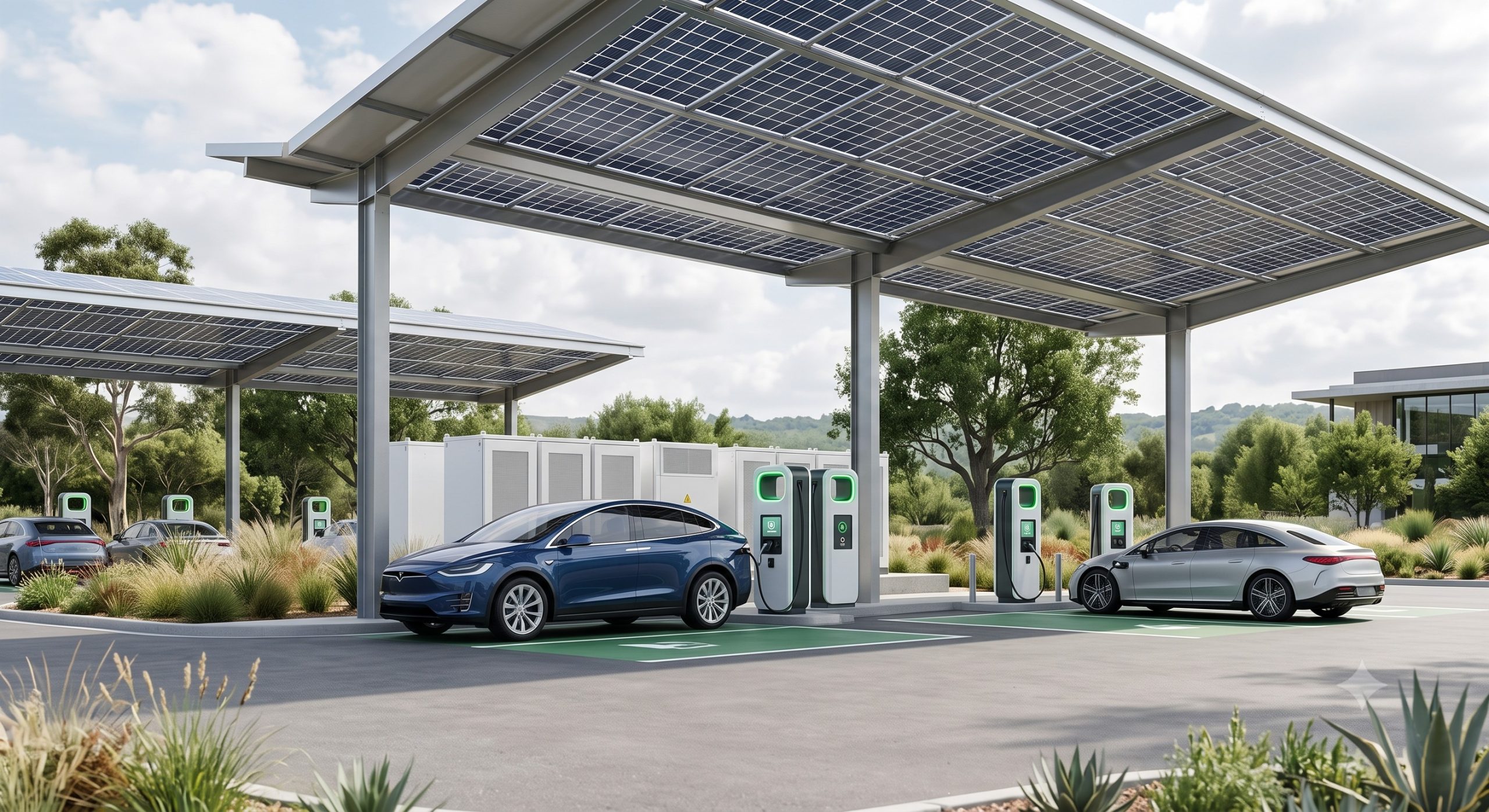
One of the most compelling deployment scenarios for a transportable BESS is its integration into a PV-storage-charging (光储充) hub. By coupling the storage system with a solar canopy and EV supercharging infrastructure, facility owners can create a self-sustaining, low-carbon energy ecosystem. The BESS acts as a buffer, storing excess solar generation during the day and dispatching it to charge EVs during peak hours, significantly reducing grid connection costs and charging tariffs. This synergy is particularly lucrative for commercial fleets and logistics hubs transitioning to electrification.
Industrial Park Energy Independence and Microgrids
For industrial parks, transportable BESS serves as the cornerstone of a robust microgrid. Their modular nature allows for phased capacity additions as energy demands grow. During grid outages, the BESS can island and provide seamless backup power to critical production lines, preventing costly downtime. Integrating with on-site diesel generators, which are traditionally used for backup, the BESS can reduce fuel consumption by managing load peaks and providing spinning reserve, ultimately decarbonizing facility operations and aligning with global sustainability directives.
Conclusion: The Future of Flexible C&I Energy
The Transportable battery energy storage market is poised for explosive growth, driven by the global push for decarbonization and the increasing need for grid resilience. For B2B energy professionals, investing in a high-quality, compliant, and modular BESS solution is no longer a speculative move, but a strategic imperative. By focusing on Tier-1 LFP cells, advanced liquid cooling, robust EMS/BMS integration, and strict adherence to standards like UL 9540, businesses can de-risk their operations, optimize their energy spend, and actively contribute to a more sustainable grid. As the technology matures, the TCO of these systems will continue to decline, making transportable BESS an indispensable asset for every forward-thinking C&I facility.