STRATEGIC ASSET PROCUREMENT EVALUATION REPORT: THIRD-PARTY INDEPENDENT BATTERY QUALITY AUDIT REPORT
EXECUTIVE SUMMARY
This document serves as the definitive technical overview and datasheet for the Third-party independent battery quality audit report, a cornerstone of our commitment to uncompromising quality and bankability in the energy storage market. In an industry where the integrity of the battery system directly impacts project ROI, safety, and operational longevity, this audit report provides an unbiased, scientific validation of our Tier-1 LFP cells and overall system quality. The report is a critical asset for financial institutions, project developers, and EPCs seeking to de-risk their investments and ensure adherence to the highest international standards. It details the rigorous testing protocols, pass/fail criteria, and empirical data that substantiate the performance and safety claims of our energy storage solutions. This document is not merely a compliance formality; it is a strategic tool that underpins our warranty, enhances our product’s bankability, and provides absolute transparency to our clients.
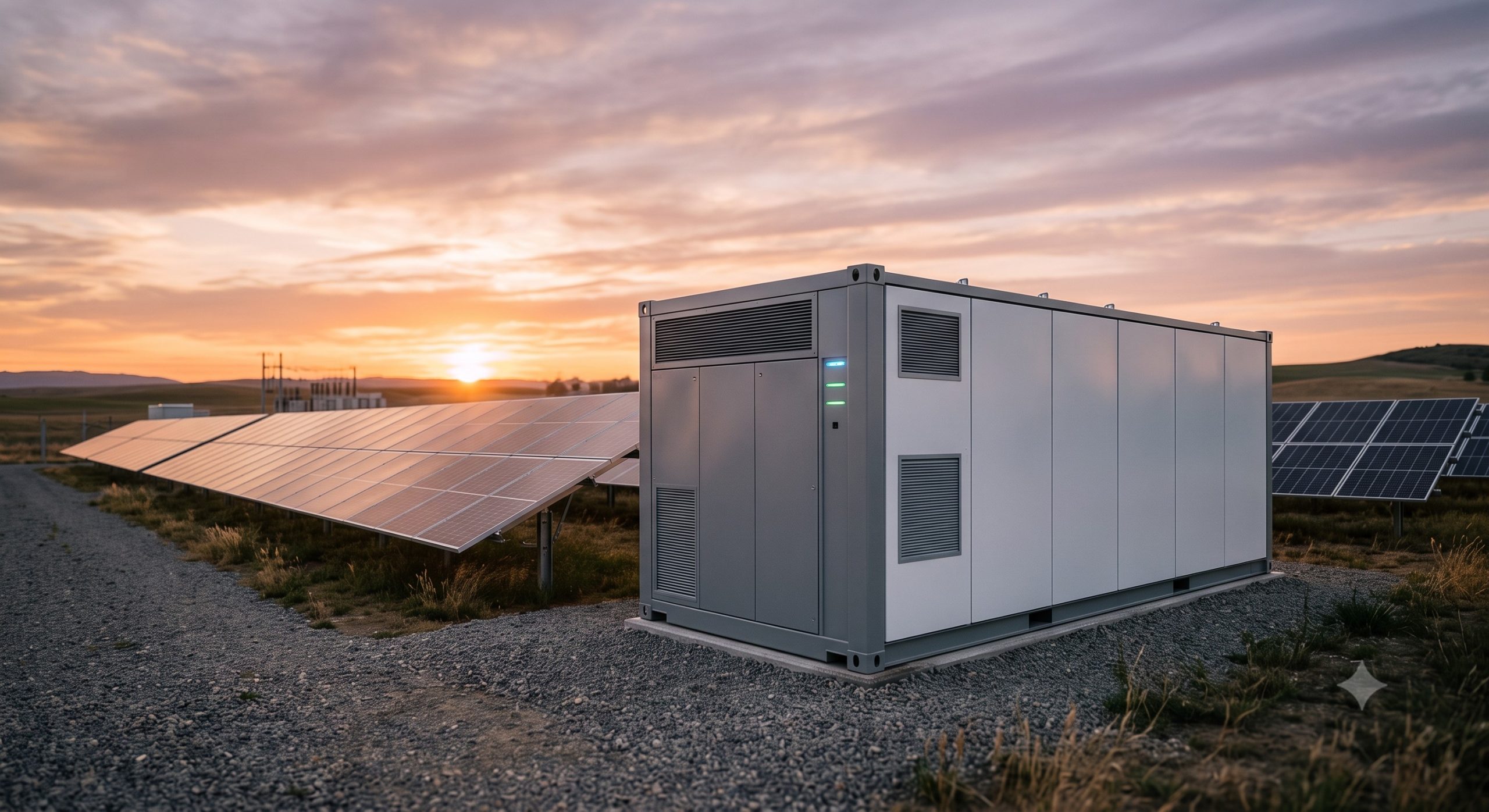
SYSTEM ARCHITECTURE & QUALITY ASSURANCE FRAMEWORK
The audit process is meticulously structured to evaluate the entire BESS supply chain, from raw material sourcing to the final assembled module. Our quality assurance framework is built upon a multi-tiered approach, integrating in-process quality control (IPQC) with independent, third-party verification at each critical stage of production.
RAW MATERIAL VALIDATION: The audit begins with the chemical and physical analysis of the cathode (Lithium Iron Phosphate), anode (Graphite), electrolyte, and separator materials. Independent laboratories conduct X-ray diffraction (XRD) and scanning electron microscopy (SEM) to verify crystal structure and particle size distribution, ensuring consistency and purity that exceed industry norms. This phase ensures that the fundamental building blocks of our cells meet the exacting specifications required for long cycle life and thermal stability.
CELL AND MODULE MANUFACTURING AUDIT: This on-site inspection focuses on the precision of the electrode coating, calendaring, and winding/stacking processes. The audit verifies the absence of contaminants, the uniformity of the active material loading, and the quality of the tab welding and sealing processes. Environmental controls within the dry room (dew point < -45°C) are rigorously checked to prevent moisture ingress, a leading cause of premature cell degradation. The auditor also validates the calibration of all manufacturing and testing equipment, ensuring a statistically controlled production environment. THIRD-PARTY INDEPENDENT BATTERY QUALITY AUDIT REPORT KEY FEATURES - Comprehensive Cell & Module Testing: The report includes data from a full suite of electrical, mechanical, and environmental tests, including Capacity Testing (0.2C, 0.5C, 1C), DC Internal Resistance (DCIR) measurement, and AC Impedance Spectroscopy (EIS) to characterize cell health and internal chemistry. - Rigorous Safety & Abuse Testing: The audit goes beyond standard certification, subjecting cells and modules to extreme conditions such as Overcharge, Over-discharge, Short Circuit, Thermal Abuse (Heat), and Nail Penetration tests. All results are documented, verifying the robust safety features of our LFP chemistry and mechanical design. - Long-Term Durability & Cycle Life Projection: A critical component of the audit is accelerated aging and cycle life testing. The report provides empirical data on capacity fade and DCIR increase over thousands of cycles (e.g., >8000 cycles @ 25°C, 0.5C/0.5C, EOL 70%), offering a transparent, data-backed projection of system lifespan.
COMPLIANCE & STANDARDS
The audit is performed according to globally recognized standards, guaranteeing our solutions meet and exceed the most stringent regulatory requirements. The test plan is a rigorous framework that ensures our hardware is robust, reliable, and safe for deployment in any market.
– IEC 62619 (Safety Requirements for Secondary Lithium Cells and Batteries for Use in Industrial Applications).
– IEC 60730-1 (Automatic Electrical Controls).
– UN 38.3 (Transport of Dangerous Goods – Lithium Batteries).
– UL 1973 (Batteries for Use in Stationary, Vehicle Auxiliary Power and Light Electric Rail Applications).
– UL 9540A (Test Method for Evaluating Thermal Runaway Fire Propagation in Battery Energy Storage Systems).
TECHNICAL SPECIFICATIONS & PERFORMANCE LEDGER
| Parameter | Specification |
|---|---|
| Audit Standard | IEC 62619, UL 1973, UN 38.3 |
| Cell Chemistry | Tier-1 LFP (Lithium Iron Phosphate) |
| Nominal Cell Capacity | 280 Ah ± 2% (Typical) |
| Nominal Cell Voltage | 3.2 V |
| Cell Format | 71 x 174 x 207 mm (Prismatic) |
| Module Configuration | 1P16S, 52 V, 280 Ah |
| Rack Configuration | 4P416S (Typical), 1331.2 V |
| Rated Capacity (BESS) | 2.5 MWh / 5.0 MWh (Project Scalable) |
| Cycle Life @ 25°C 0.5C/0.5C | ≥ 8000 Cycles to 70% EOL |
| Operating Temp. Range | Charge: 0°C to 55°C, Discharge: -20°C to 55°C |
| DC Internal Resistance (1kHz) | ≤ 0.18 mΩ ± 0.05 mΩ |
| Storage Temperature (Recommended) | 15°C – 35°C |
| Relative Humidity | 5% – 95% (Non-condensing) |
TEST PARAMETER SPECIFICATION
– AUDIT STANDARD IEC 62619, UL 1973, UN 38.3
– CELL CHEMISTRY Tier-1 LFP (Lithium Iron Phosphate)
– NOMINAL CELL CAPACITY 280 Ah ± 2% (Typical)
– NOMINAL CELL VOLTAGE 3.2 V
– CELL FORMAT 71 x 174 x 207 mm (Prismatic)
– MODULE CONFIGURATION 1P16S, 52 V, 280 Ah
– RACK CONFIGURATION 4P416S (Typical), 1331.2 V
– RATED CAPACITY (BESS) 2.5 MWh / 5.0 MWh (Project Scalable)
– CYCLE LIFE @ 25°C 0.5C/0.5C: ≥ 8000 Cycles to 70% EOL
– OPERATING TEMP. RANGE Charge: 0°C to 55°C, Discharge: -20°C to 55°C
– DC INTERNAL RESISTANCE (1kHz) ≤ 0.18 mΩ ± 0.05 mΩ
– STORAGE TEMPERATURE (Recommended) 15°C – 35°C
– RELATIVE HUMIDITY 5% – 95% (Non-condensing)
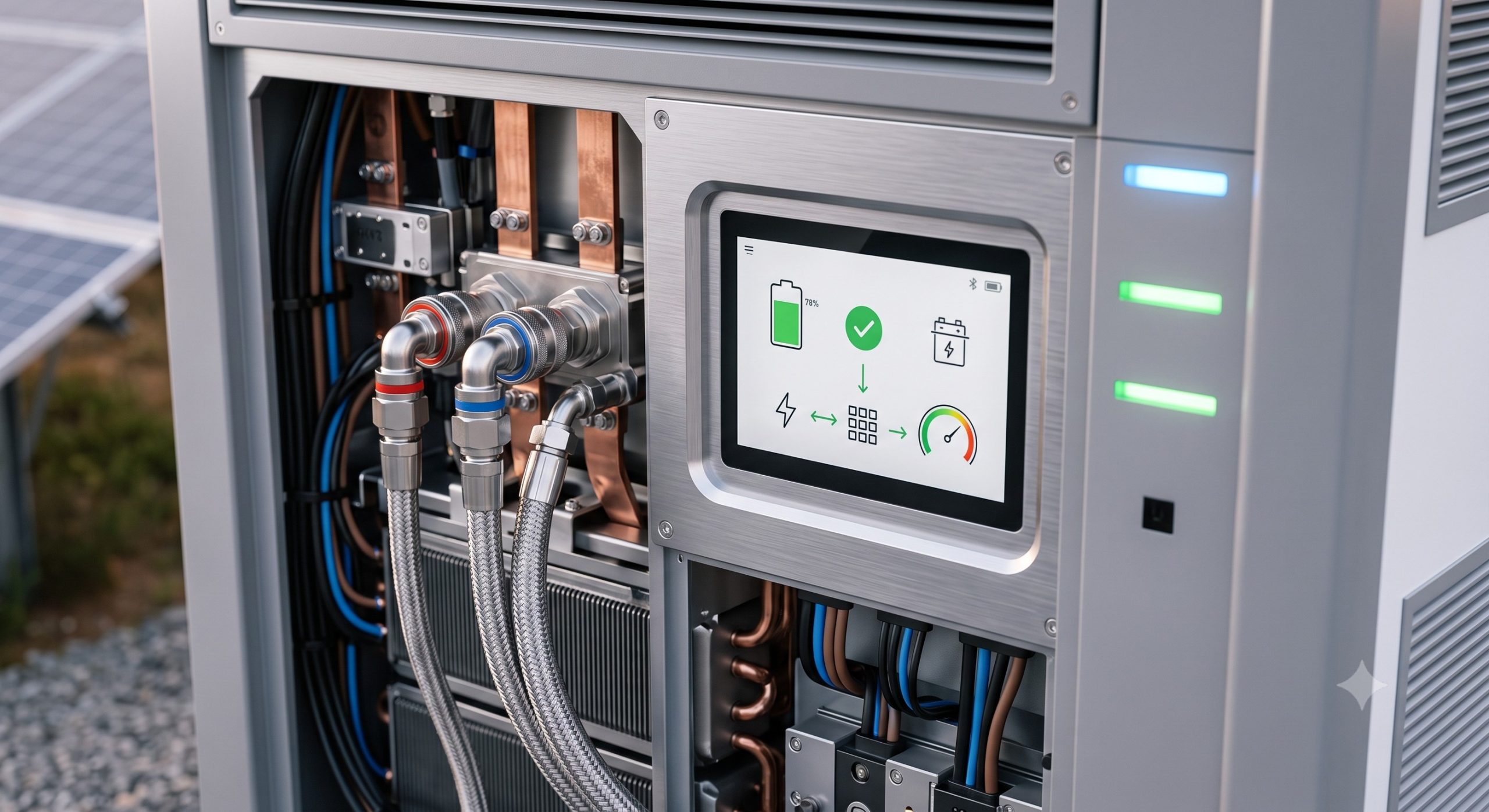
INDUSTRIAL DEPLOYMENT & PROCUREMENT STRATEGY
The Third-party independent battery quality audit report is an indispensable asset for large-scale infrastructure projects and strategic fleet operations. It directly addresses the concerns of asset owners and financiers by providing clear, independently verified data that supports the technical due diligence process.
For utility-scale projects, this report enables investors to accurately model degradation and performance, leading to more precise revenue projections and a better understanding of the project’s long-term risk profile. It forms the technical basis for our comprehensive warranty, assuring the buyer that the system will perform as specified for the duration of the project’s financial life. For C&I and micro-grid applications, the audit provides the confidence needed to integrate storage into mission-critical operations, ensuring reliable performance in demanding environments and optimizing the total cost of ownership (TCO). By providing this level of transparency, we empower our clients to make informed procurement decisions, secure financing, and confidently commission assets that will deliver decades of reliable service.
📥 Download Technical Specification
Click the button below to view or download the full official PDF datasheet.