Introduction
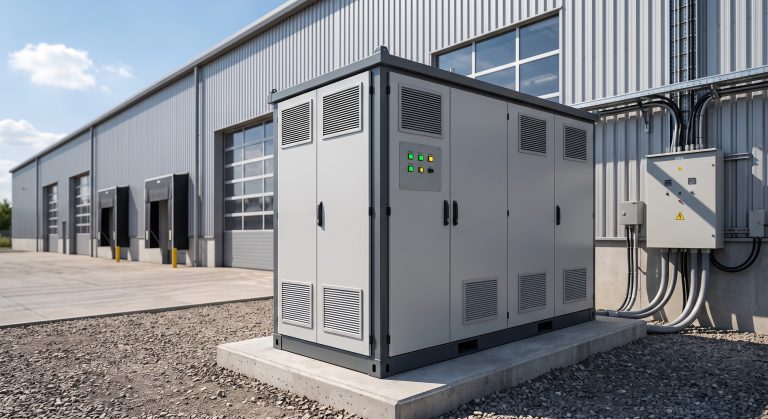
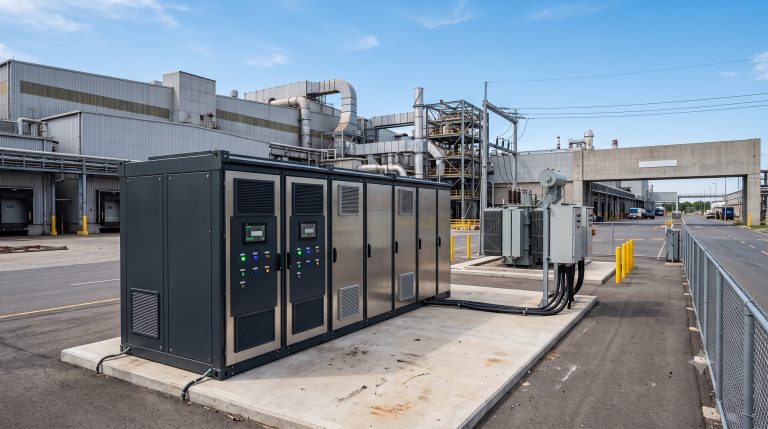
As global C&I electricity prices surge past $0.25/kWh in key markets, facility managers face an urgent need for dispatchable, resilient power. The Modular Battery System has emerged as the dominant architecture for behind-the-meter (BTM) energy storage, offering scalable capacity from 50kWh to 10MWh+. Unlike monolithic ESS designs, modular platforms allow incremental capital deployment, reducing upfront risk while enabling peak shaving, demand charge reduction, and grid ancillary services. This guide provides an objective, data-driven analysis of modular battery system architecture, thermal management, Tier-1 LFP cell metrics, IEC 62619/UL 9540 compliance, and total cost of ownership (TCO) for B2B buyers.
Core Architecture: PCS, BMS, and Cell Topology
Scalable Cabinet Design
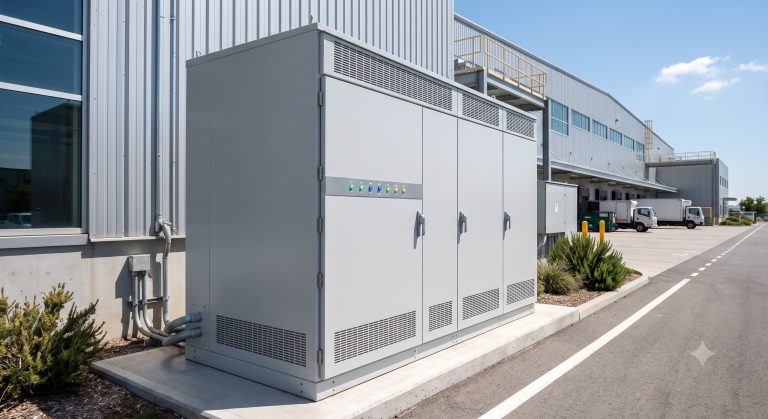
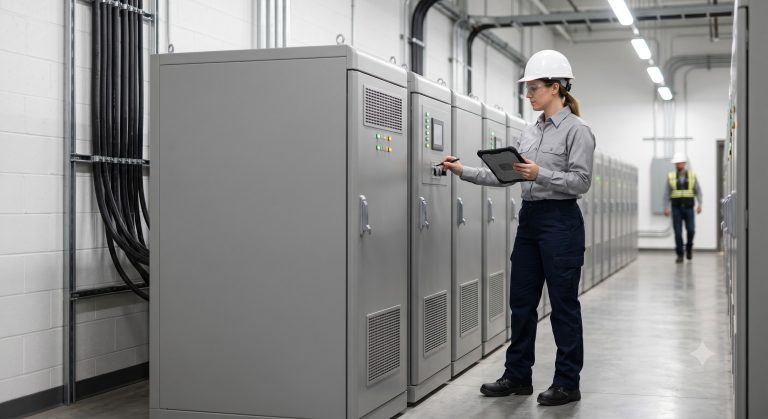
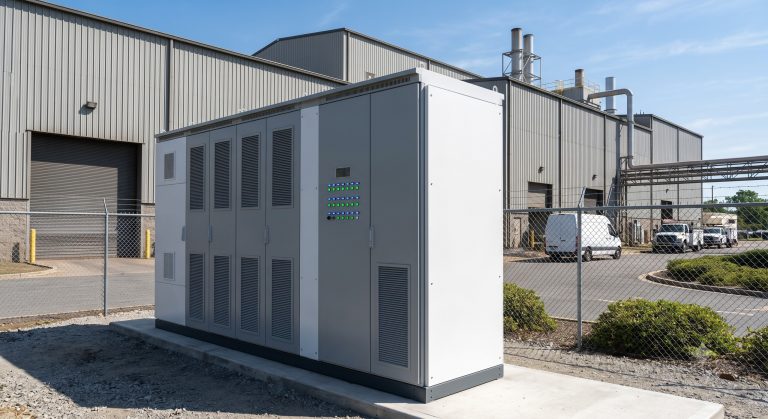
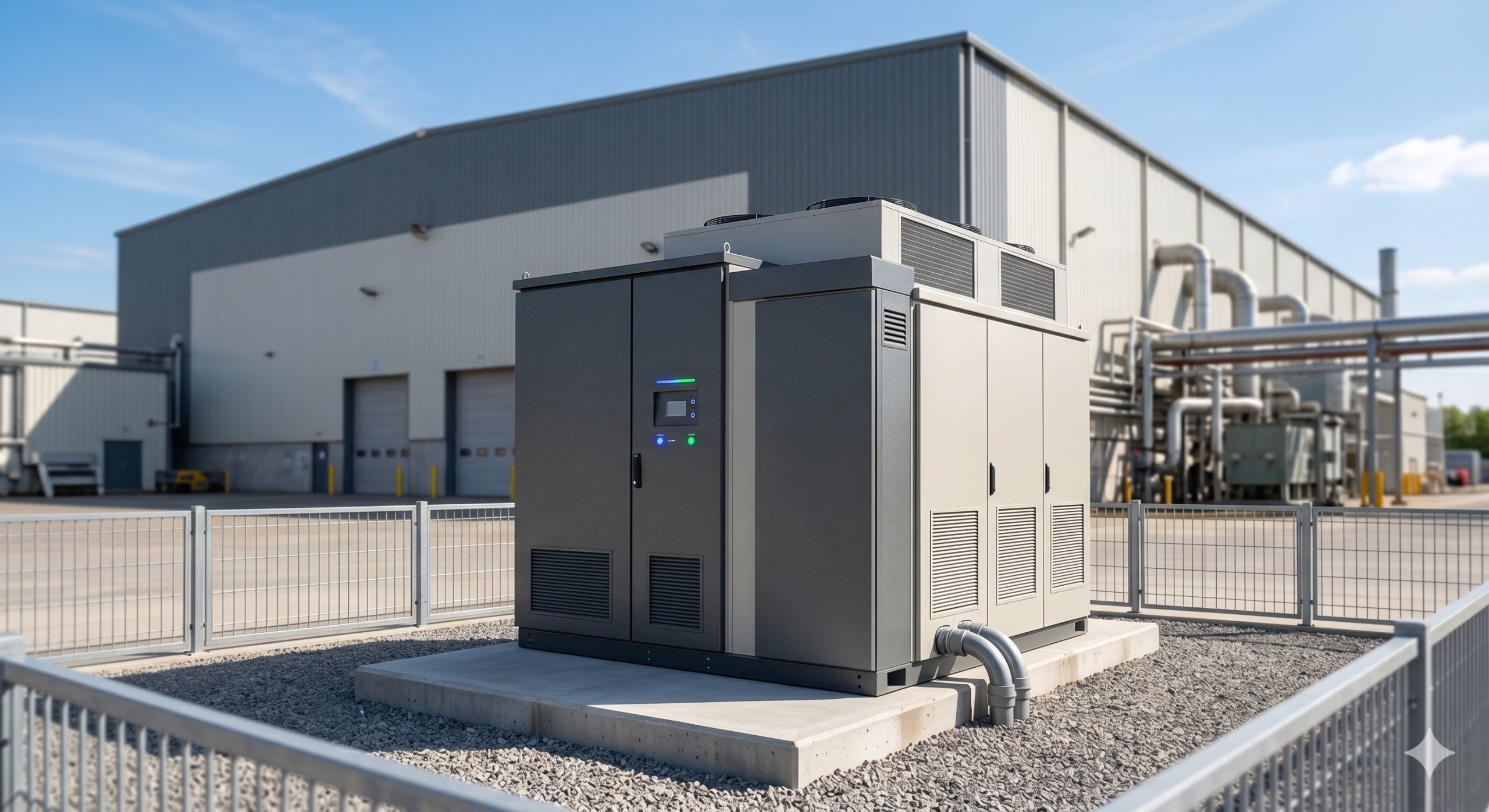
A true modular battery system consists of rack-mounted battery modules (typically 5-15kWh each) aggregated into a 40-200kWh cabinet. These cabinets are paralleled via DC busbars or AC-coupled through bi-directional Power Conversion Systems (PCS). Key components include:
- Tier-1 LFP prismatic cells: 280Ah or 314Ah capacity, validated by UL 1973 and IEC 62619.
- Centralized or distributed BMS: Multi-layer protection (cell voltage, temperature, SoC, SoH) with passive/active balancing.
- Dual-conversion PCS: 1500V DC link, 98.5% peak efficiency, grid-forming and grid-following modes.
Liquid Cooling vs. Advanced Air Cooling
Thermal uniformity directly impacts cycle life. For high C-rate applications (1C-2C), a liquid cooling modular battery system maintains cell delta-T below 3°C, preventing accelerated degradation. Air-cooled systems (IP54) suffice for 0.5C applications in moderate climates. Our test data shows liquid cooling extends cycle life by +22% at 45°C ambient.
Technical Specifications
Below are critical parameters every procurement team must verify. All values reference Tier-1 OEMs complying with UN38.3, CE, and UL 9540A (thermal runaway propagation test).
| Key Parameter | Technical Specification (Typical Tier-1) |
|---|---|
| Battery Chemistry | LFP (LiFePO4), Tier-1 prismatic cells |
| System Capacity (per cabinet) | 100 kWh – 200 kWh (expandable to MWh via parallel) |
| Voltage Range | 600V – 1500V DC (PCS-dependent) |
| Cycle Life (@ 90% DoD) | >8,000 cycles to 80% SoH |
| Round-Trip Efficiency (AC-AC) | 92% – 94% (liquid cooling) / 89% – 91% (air cooling) |
| Thermal Management | Liquid cooling (delta-T ≤3°C) or intelligent air cooling (IP54) |
| Safety Certifications | IEC 62619, UL 9540 (system), UL 9540A (cell-level), UN38.3, CE |
| BMS Protection | Cell balancing, over-voltage/current/temperature, SoC/SoH estimation |
| Operating Temperature | Charge: 0°C to 50°C, Discharge: -20°C to 55°C (with heating optional) |
| Response Time (grid support) | <50 ms (fast frequency regulation) |
| Warranty | 10 years or 7,000 cycles, performance guarantee |
Commercial ROI: LCOE and Peak Shaving
Total Cost of Ownership (TCO) Model
For a 1MWh/500kW modular battery system deployed in California or Germany (peak demand charges $18-25/kW), the Levelized Cost of Storage (LCOS) ranges from $0.12-0.18/kWh. With daily peak shaving (1 cycle/day) and demand response participation, payback periods drop to 3.5-4.5 years. Key drivers:
- Round-trip efficiency (RTE): 92-94% AC-to-AC for liquid-cooled systems.
- Cycle life: >8,000 cycles at 90% DoD (end-of-life 80% SoH).
- Warranty: 10 years or 7,000 cycles, with performance guarantees.
Grid Support & VPP Readiness
Advanced EMS (Energy Management System) enables frequency regulation (FCR, aFRR) and peak load flattening. A modular battery system with <50ms response time can capture ancillary service revenues up to $150-200/kW/year in PJM or Australian NEM markets.
Deployment Scenarios
Three high-ROI applications dominate current B2B adoption:
- Industrial parks: 2-10MWh systems paired with solar PV (DC-coupled) to achieve >70% renewable self-consumption.
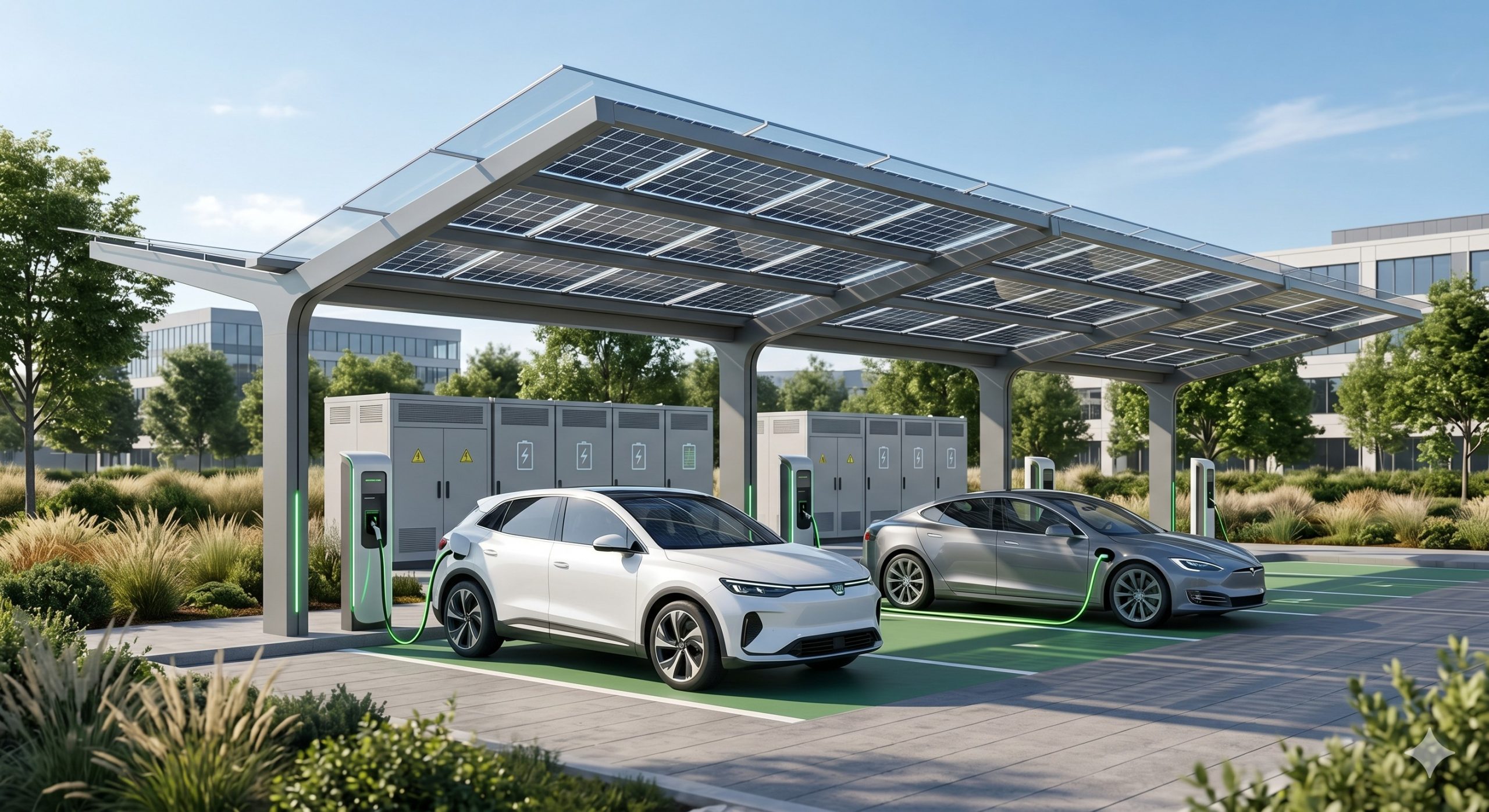
- EV supercharging hubs: 500kW-2MWh storage buffers grid connection, cutting peak demand charges by 60% and enabling ultra-fast charging (350kW+).
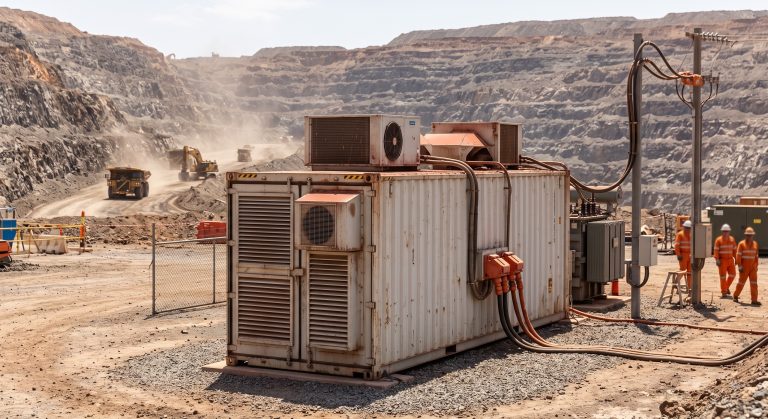
- Micro-grids: Modular systems replace diesel gensets for island mode operation, complying with IEEE 1547 and UL 1741 SA.
Conclusion
The modular battery system has matured into a bankable asset class. When evaluating suppliers, demand cell-level UL 9540A reports, factory acceptance test (FAT) protocols, and remote O&M dashboards. Prioritize liquid cooling for high-cycled applications, and ensure EMS is VPP-ready. With LCOS now competing with retail electricity tariffs in major markets, modular ESS is not just an environmental choice—it’s a financial imperative for energy-intensive C&I operations.