Introduction: Why Industrial Energy Users Are Ditching Grid Dependency for 80kW-400kW DC Charging & Storage
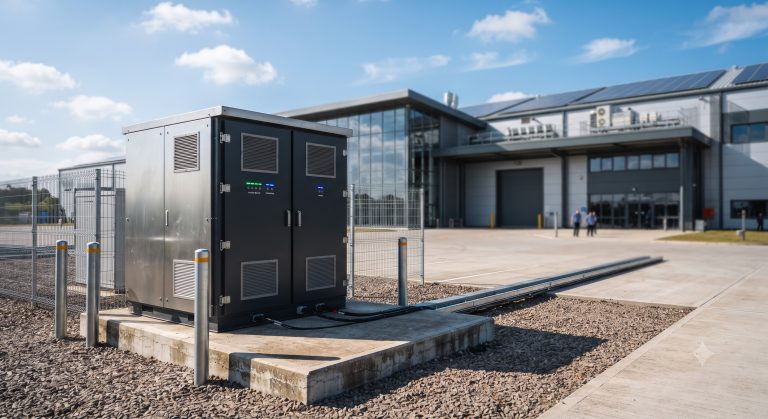
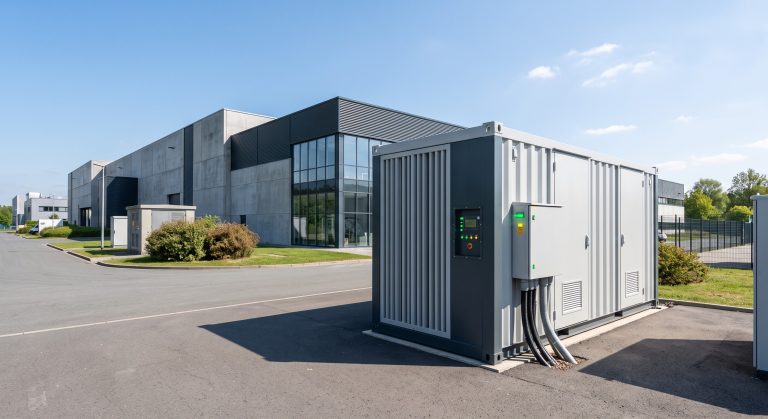
Rising industrial electricity costs, aging grid infrastructure, and surging EV adoption are forcing commercial & industrial (C&I) facilities to rethink energy resilience. Traditional solutions like diesel generators fail on LCOE (Levelized Cost of Energy) and carbon compliance. The 80kW-400kW All-in-one DC Charging Station – integrating Battery Energy Storage System (BESS), DC fast charging, and intelligent energy management – has emerged as the single most capital-efficient peak-shaving and grid-independent asset for mid-scale operations. Data from recent field deployments show round-trip efficiency >92%, cycle life >8000 cycles @ 90% DoD, and payback periods under 3 years when paired with PV-storage-charging (光储充) architectures.
Core Architecture & Battery Management: The Triad of PCS, BMS, EMS, and Liquid Cooling
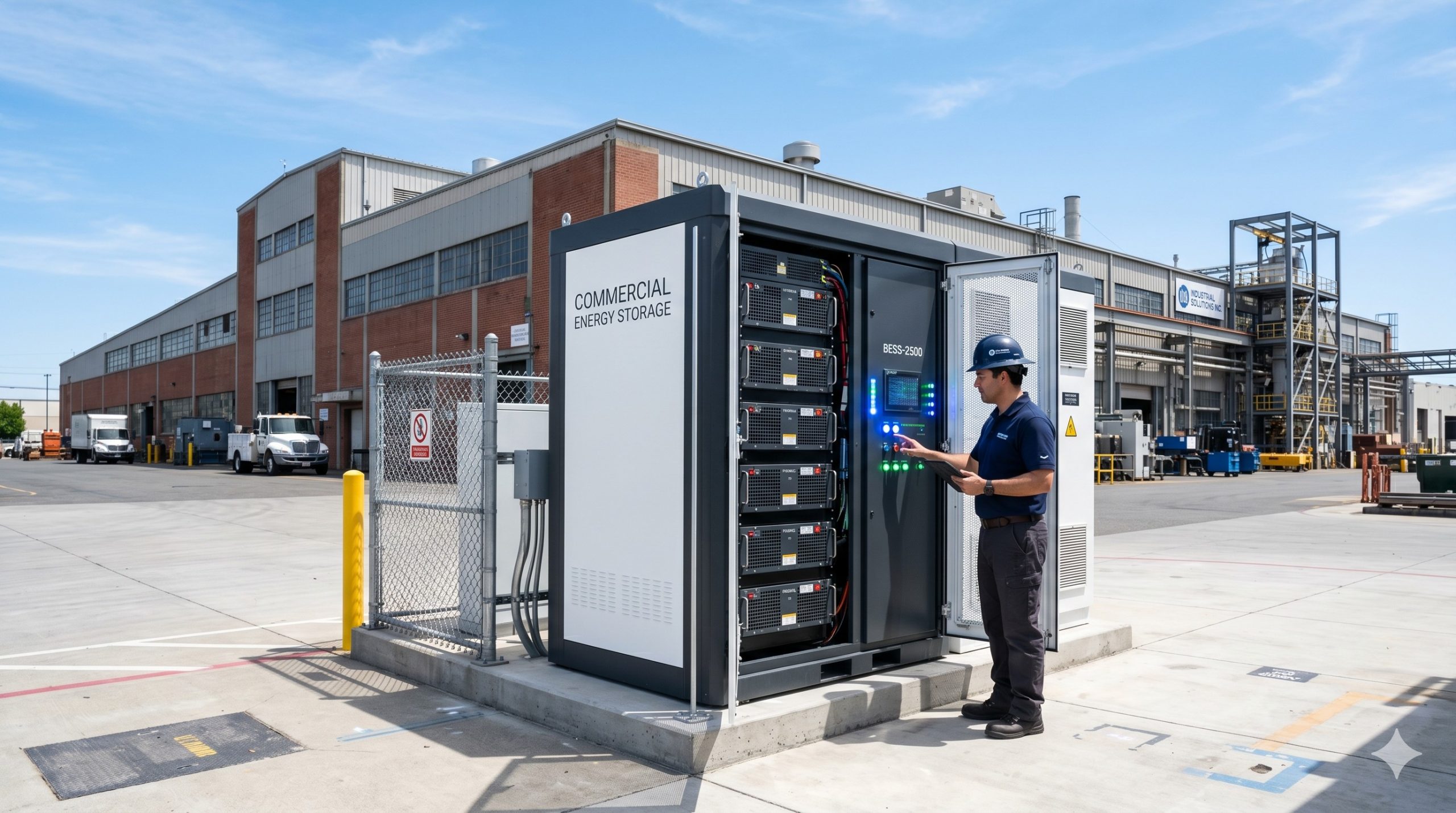
Power Conversion System (PCS) – Bi-directional Intelligence
The 80kW to 400kW PCS module operates with ≤3% THD (Total Harmonic Distortion) and supports seamless grid-tie and islanding mode transitions within 20ms. It enables peak shaving, demand response, and reactive power compensation (PF ±0.8 adjustable).
Battery Management System (BMS) & Cell Safety
All units utilize LFP (Lithium Iron Phosphate) prismatic cells certified to IEC 62619, UL 9540A, CE, and UN38.3. Multi-layer BMS protection includes over-voltage, under-voltage, over-temperature, short-circuit, and cell balancing (passive/active). Thermal runaway prevention is enforced by an integrated aerosol-based fire suppression system meeting NFPA 855.
Energy Management System (EMS) – AI-Driven Optimization
The cloud-edge EMS uses load forecasting, time-of-use (ToU) arbitrage, and real-time SOC (State of Charge) control. It supports Modbus TCP/IP, CAN 2.0, and IEC 61850 for substation integration.
Thermal Management: Liquid Cooling vs. Forced Air
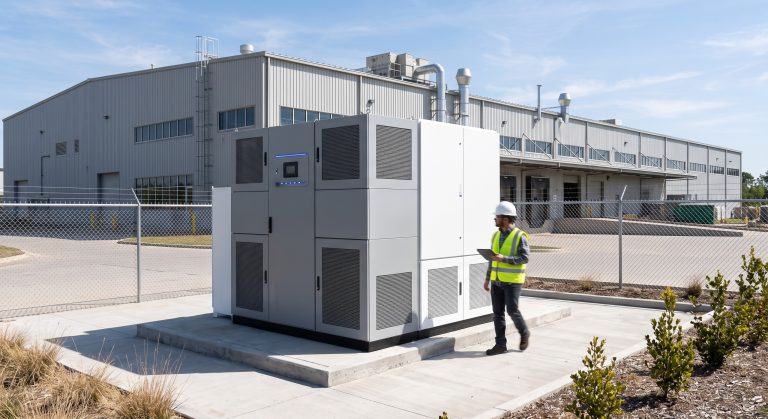
For systems ≥200kW continuous DC charging, liquid cooling (coolant: water-glycol) maintains cell temperature delta ≤3°C, extending cycle life by ~15% compared to air cooling. IP54 ingress protection ensures outdoor deployment.
Technical Specifications
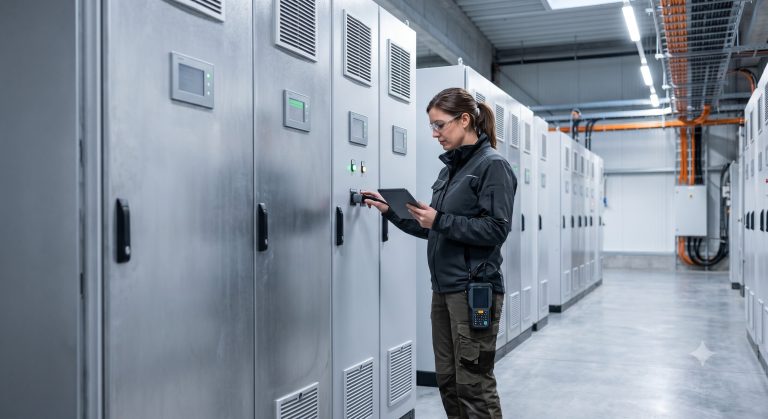
Below are standard parameters for a 200kW / 372kWh reference unit (customizable 80kW-400kW).
| Parameter | Specification (200kW/372kWh Reference) |
|---|---|
| Battery Type | LFP (Lithium Iron Phosphate) |
| System Capacity (Usable) | 372 kWh (configurable 150-800 kWh) |
| DC Fast Charging Output | 80kW / 120kW / 160kW / 200kW / 240kW / 300kW / 400kW (CCS2/GB/T/CHAdeMO) |
| AC Grid Input | 380V ±15%, 3P+N+PE, 50/60Hz |
| Cycle Life | >8000 cycles @ 90% DoD, EOL 70% SOH |
| Round-trip Efficiency | ≥92% (DC side @ 0.5C) |
| Cooling | Liquid cooling (water-glycol) / Optional forced air |
| Safety Certifications | IEC 62619, UL 9540A, CE, UN38.3, NFPA 855 |
| Fire Suppression | Aerosol-based + gas detection + thermal runaway isolation |
| IP Rating | IP54 (outdoor) / Optional IP65 |
| Operating Temperature | -30°C to +55°C (derated >45°C) |
| Communication Protocols | Modbus TCP/IP, CAN 2.0, IEC 61850, OCPP 1.6J |
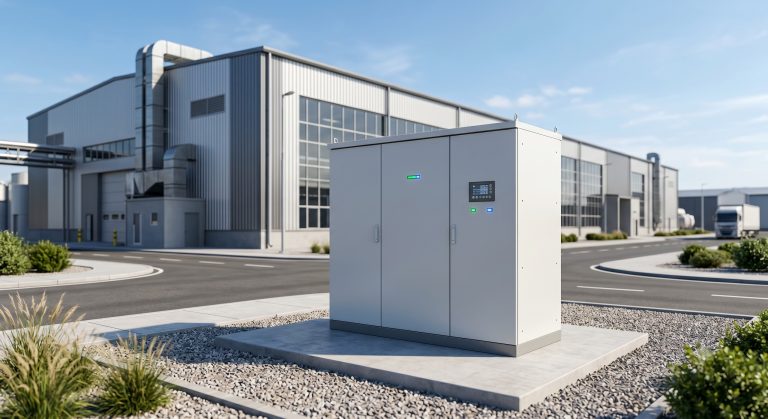
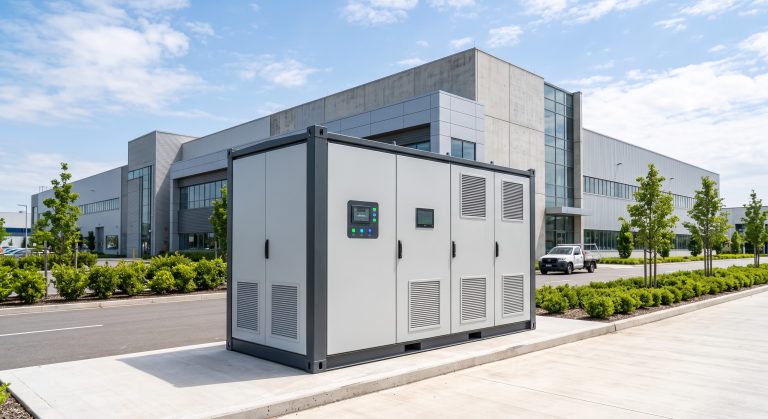
| Dimensions (L×W×H) | 1400×1100×2200 mm (approx., varies by capacity) |
Commercial ROI & Grid Support: Outcompeting Diesel Generators & Grid Peaks
The 80kW-400kW All-in-one DC Charging Station achieves LCOE as low as $0.12/kWh vs. diesel generation at $0.45–0.85/kWh. Primary revenue streams include:
- Peak shaving: Reduce demand charges by 30–60% (typical demand charge $15–30/kW).
- ToU arbitrage: Charge at $0.06/kWh (night) and discharge at $0.25/kWh (peak).
- Demand response (DR): Earn $100–200/kW/year in ancillary service markets.
- EV charging margin: Bundle with DC fast charging to capture premium EV fleet rates.
- PV self-consumption: Increase solar offset from 30% to 85% for C&I rooftops.
Case studies from European industrial parks show simple payback 2.8–4.2 years and IRR >22% for 400kW systems with 4h duration. The integrated black-start capability provides critical backup during grid outages, avoiding production losses of $10k+/hour.
Deployment Scenarios
This platform is purpose-built for four high-growth segments:
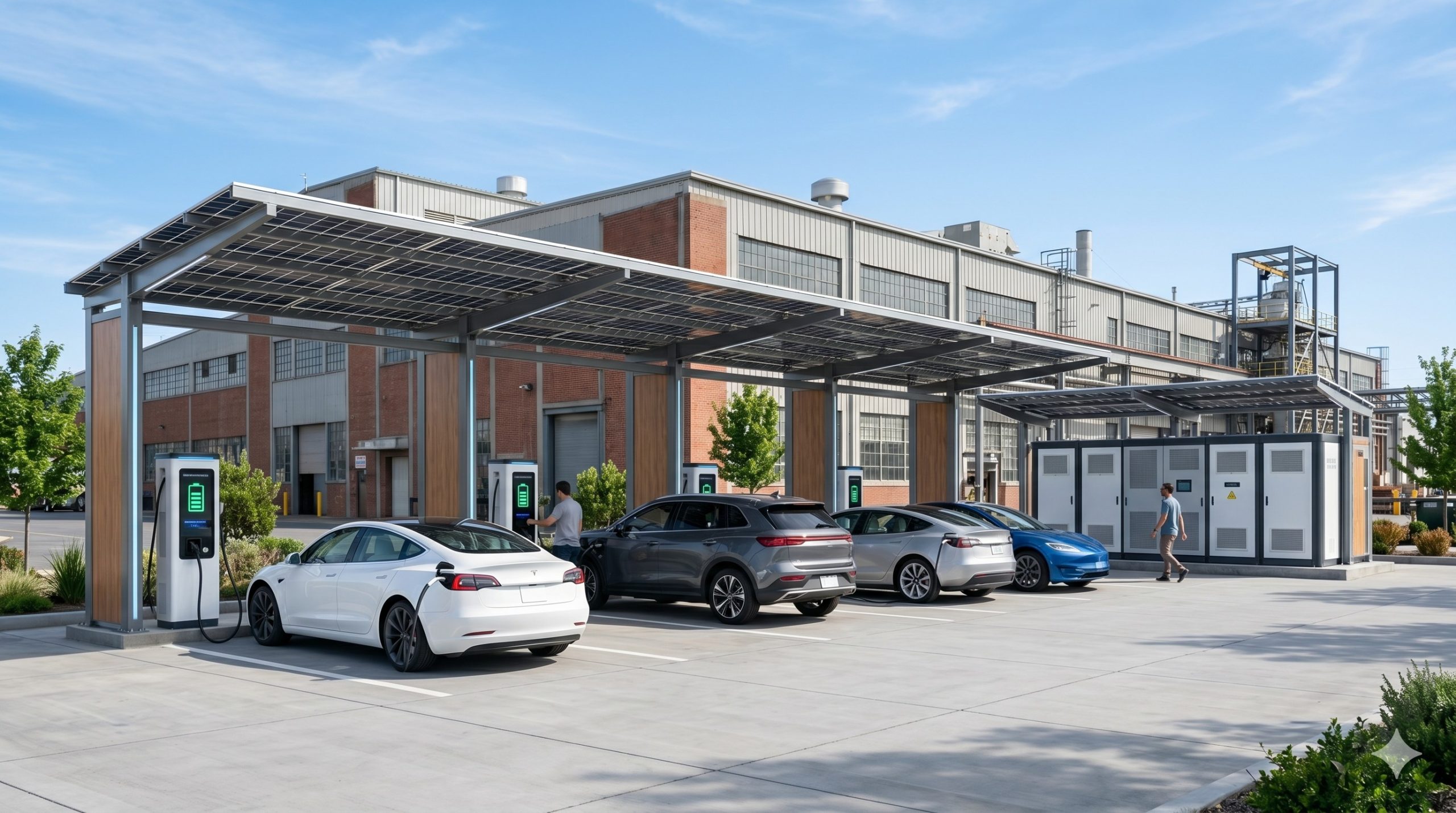
- EV Supercharging Hubs: Co-locate 200-400kW BESS with 150-350kW DC chargers to avoid transformer upgrades and provide grid buffering.
- Industrial Parks & Manufacturing: Peak shaving for stamping presses, furnaces, and HVAC loads with high cyclic demand.
- Island Microgrids & Remote Mines: Replace diesel gensets with PV + BESS + DC charging for electric haul trucks.
- Commercial Buildings (Hotels, Hospitals, Data Centers): Backup power + ToU arbitrage + EV fleet charging for logistics.
Conclusion: The Zero-Carbon Mandate Demands 80kW-400kW DC Charging & Storage
As grid instability and carbon taxes accelerate, the 80kW-400kW All-in-one DC Charging Station represents the minimum viable scale for energy independence in C&I sectors. With UL 9540 and IEC 62619 certifications now standard, procurement risk has fallen dramatically. Future-ready systems support vehicle-to-grid (V2G) and second-life battery integration. For decision-makers evaluating BESS wholesale or commercial energy storage, the 80-400kW all-in-one form factor delivers the highest density of ROI per square meter. The transition from passive grid consumer to active grid prosumer is no longer optional – it is the new industrial imperative.