Introduction: The C&I Energy Crisis and the Diesel Dilemma
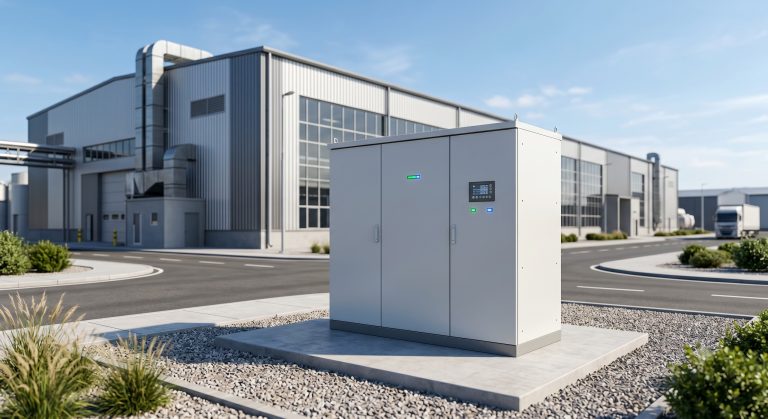
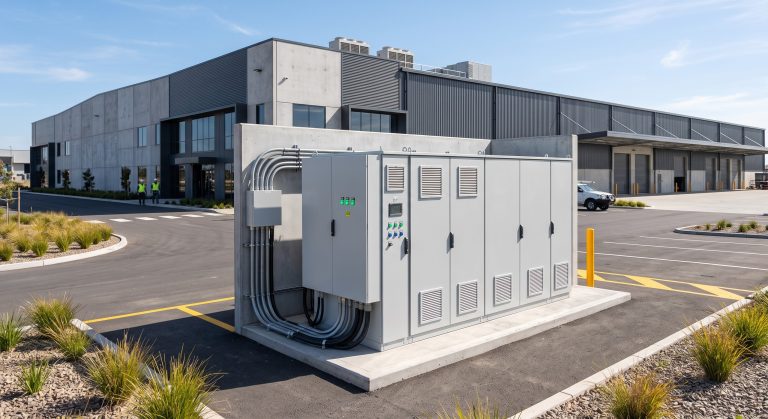
Commercial and industrial (C&I) facilities across the globe are facing a perfect storm: volatile electricity tariffs, escalating demand charges, and the urgent need to decarbonize operations. For decades, the default backup and peak-shaving solution has been the diesel generator. However, diesel gensets are increasingly untenable—fuel price volatility, carbon taxation, noise pollution, maintenance overhead, and slow transient response make them a liability rather than an asset. Enter High Energy Density BESS (Battery Energy Storage Systems), a transformative technology that is redefining C&I micro-grid economics. Unlike conventional diesel units, a high energy density BESS delivers instantaneous response, zero emissions, and a round-trip efficiency exceeding 90%—all within a footprint that is 60-70% smaller than legacy containerized systems. This deep technical review explores the architecture, metrics, and commercial superiority of high energy density BESS, providing a data-driven blueprint for system architects, EPCs, and facility managers evaluating a diesel-to-storage migration.
Core Architecture: PCS, BMS, and High-Density LFP Integration
Battery Chemistry and Cell-to-System Engineering
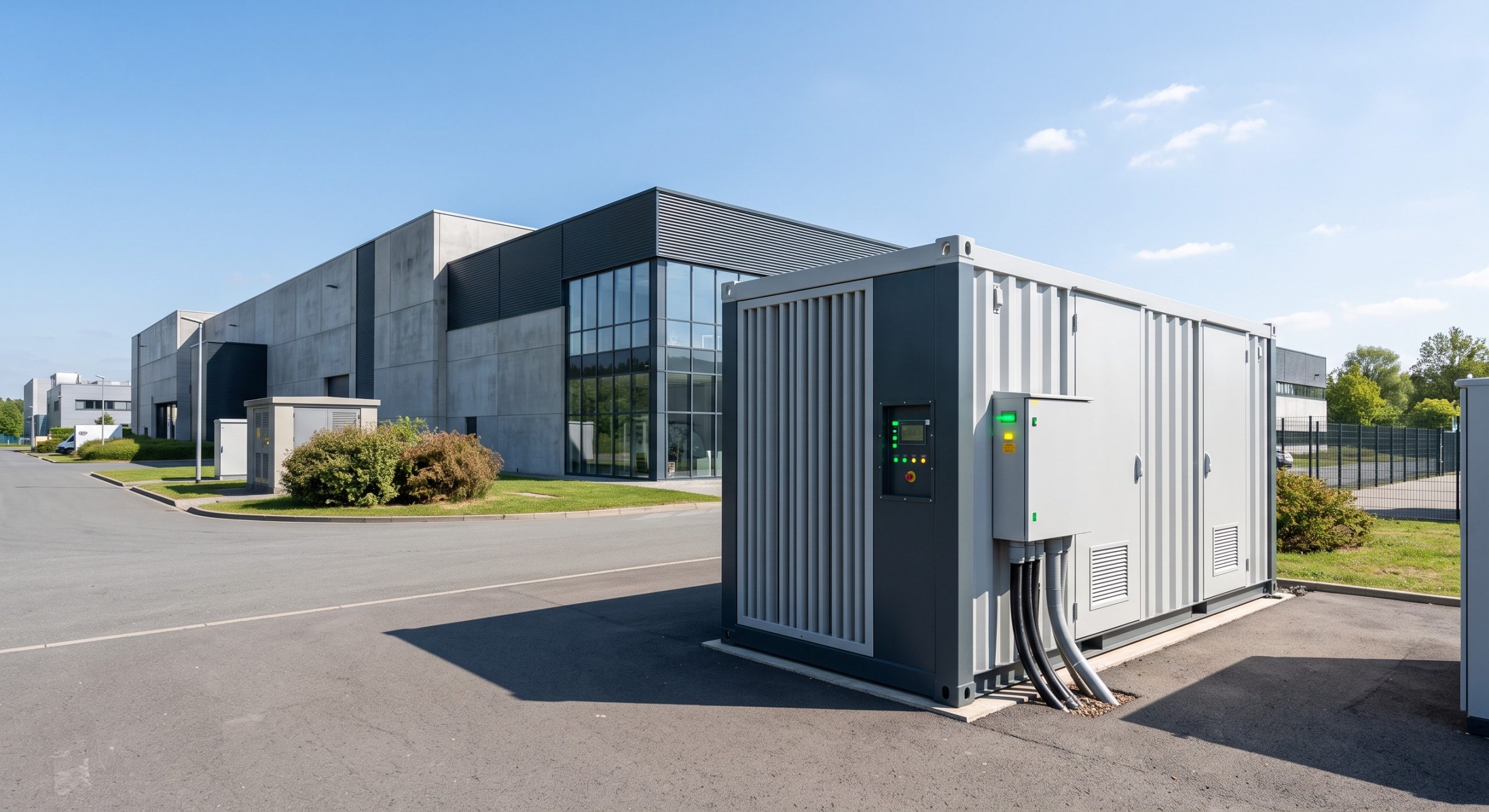
At the heart of every high energy density BESS lies Tier-1 LFP (Lithium Iron Phosphate) chemistry. LFP cells offer a superior thermal stability profile compared to NMC, with a thermal runaway onset temperature typically above 200°C. The energy density advantage is achieved through advanced cell-to-pack (CTP) and cell-to-chassis (CTC) integration, eliminating redundant structural components. Modern high energy density BESS cabinets achieve system-level energy densities of 250-350 kWh/m², compared to 120-180 kWh/m² for traditional air-cooled racks. This is critical for C&I sites where real estate is at a premium.
Bi-directional PCS and Grid-Forming Capabilities
The Power Conversion System (PCS) is the operational nexus of the BESS. High energy density systems utilize bi-directional, grid-forming PCS with SiC (Silicon Carbide) semiconductors, achieving peak efficiencies of 98.5%. This enables seamless transitions between grid-tied, islanded, and black-start modes. For micro-grid applications, the PCS must support frequency regulation (primary and secondary response) and voltage support, with reactive power capability (±0.9 PF). Unlike diesel generators that require 10-30 seconds to synchronize and ramp, a high energy density BESS delivers full power in <100 milliseconds, making it ideal for demand response and peak shaving.
Advanced BMS and Active Cell Balancing
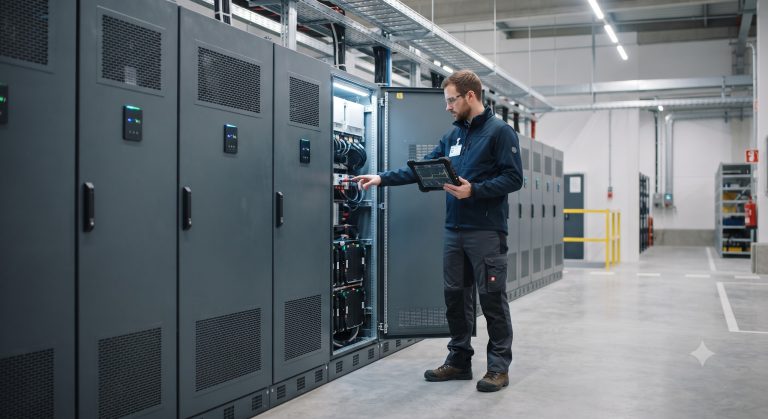
The Battery Management System (BMS) in a high energy density architecture is not merely a monitoring layer—it is an active balancing and safety controller. Tier-1 systems employ active cell balancing with efficiencies >90%, compared to passive balancing at 60-70%. This directly extends cycle life by mitigating cell-to-cell divergence. The BMS communicates via CAN bus and Modbus TCP to the Energy Management System (EMS), enabling state-of-charge (SoC) and state-of-health (SoH) estimation with <3% error. Multi-level protection includes over-voltage, under-voltage, over-temperature, and over-current cutoffs, all compliant with IEC 62619 and UL 9540.
Thermal Control: Liquid Cooling vs. Air Cooling in High-Density Systems
High energy density BESS generates significant internal heat—up to 3-5% of throughput energy. Air cooling, while simpler and lower CapEx, struggles to maintain temperature uniformity across densely packed cells. Liquid cooling is the definitive solution for high-density architectures. A liquid-cooled system maintains cell temperature delta within ±2°C, compared to ±5-8°C for air cooling. This uniformity directly impacts cycle life: every 10°C reduction in operating temperature can double LFP cycle life. Liquid cooling also enables higher C-rates (0.5C to 1C continuous) without derating, crucial for frequency regulation and EV supercharging support.
Modern liquid cooling loops use ethylene glycol-water mixtures (50/50) with leak detection and redundant pumps. The cooling plate design ensures direct contact with cell tabs, minimizing thermal resistance. For C&I deployments, liquid cooling reduces auxiliary power consumption by 20-30% compared to air cooling, improving overall round-trip efficiency.
Technical Specifications and Compliance Matrix
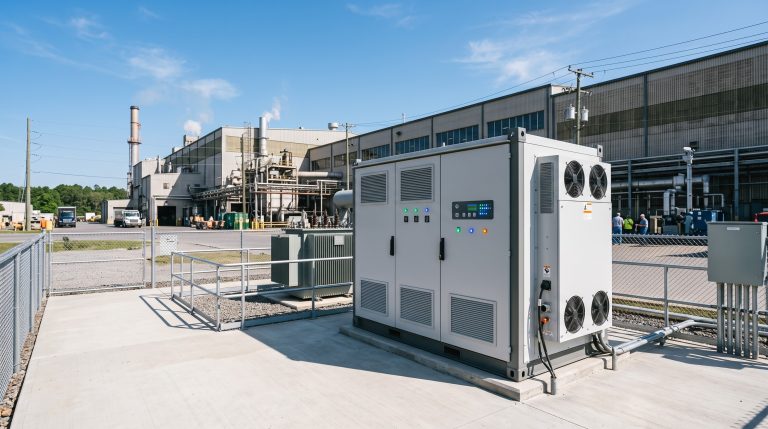
The following table summarizes the core parameters of a typical high energy density BESS cabinet for C&I micro-grid applications. These specifications are benchmarked against IEC 62619, UL 9540, UN38.3, and CE standards.
| Key Parameter | Technical Specification |
|---|---|
| Battery Chemistry | Tier-1 LFP (Lithium Iron Phosphate) |
| System Capacity | 200 kWh – 500 kWh per cabinet (modular to MWh) |
| Cycle Life | >8000 cycles @ 90% DoD, 25°C |
| Round-trip Efficiency | ≥ 90% (DC-DC), ≥ 88% (AC-AC) |
| Depth of Discharge (DoD) | 90% (usable) |
| Cooling Method | Liquid Cooling (ethylene glycol-water 50/50) |
| Cell Temperature Delta | ≤ ±2°C |
| PCS Topology | Bi-directional, grid-forming, SiC-based |
| Response Time | < 100 ms (full power) |
| Communication | CAN bus, Modbus TCP, IEC 61850 |
| Safety Standards | IEC 62619, UL 9540, UN38.3, CE |
| Fire Suppression | Multi-level: aerosol + perfluorohexanone |
| Ingress Protection | IP54 (outdoor cabinet) |
| Operating Temperature | -20°C to +55°C |
| Design Life | 15 years (capacity retention ≥ 70%) |
Commercial ROI and Grid Support: Quantifying the Diesel Advantage
Peak Shaving and Demand Charge Reduction
For a typical C&I facility with a 1 MW peak demand and $25/kW monthly demand charge, a high energy density BESS can reduce peak demand by 30-50%. With a 2 MWh system and 90% round-trip efficiency, the annual savings can exceed $150,000. The Levelized Cost of Storage (LCOS) for LFP BESS is now $0.05-0.08/kWh per cycle, compared to diesel genset operation at $0.25-0.40/kWh (fuel + maintenance).
Frequency Regulation and Ancillary Services
High energy density BESS with grid-forming PCS can participate in frequency regulation markets (e.g., PJM, UK Frequency Response). The response time of <100ms and round-trip efficiency >90% make BESS superior to diesel for ancillary services. In markets with dynamic electricity pricing, the EMS can arbitrage time-of-use (ToU) rates, charging during off-peak and discharging during peak.
Total Cost of Ownership (TCO) Analysis
Over a 10-year horizon, a high energy density BESS with >8000 cycles @ 90% DoD delivers a TCO that is 40-60% lower than a diesel genset of equivalent capacity. Diesel maintenance (oil changes, filter replacements, engine overhauls) costs $0.02-0.04/kWh, while BESS maintenance is <$0.01/kWh. Additionally, BESS eliminates fuel storage risks, carbon taxes, and noise compliance issues.
Deployment Scenarios: Micro-Grids, EV Charging, and Industrial Parks
Replacing Diesel Gensets in C&I Micro-Grids
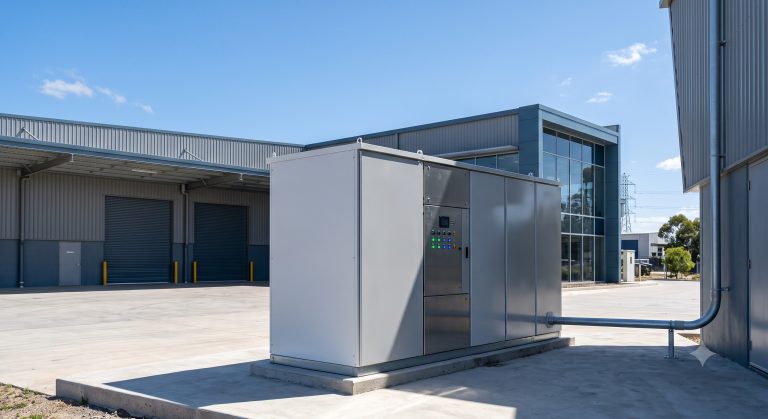
High energy density BESS is uniquely suited for islanded micro-grids in remote industrial parks, data centers, and manufacturing facilities. The seamless off-grid transition (<20ms) ensures zero downtime for critical loads. Unlike diesel, BESS can be paralleled indefinitely, scaling from 100 kWh to 100 MWh.
PV-Storage-Charging (光储充) Integration
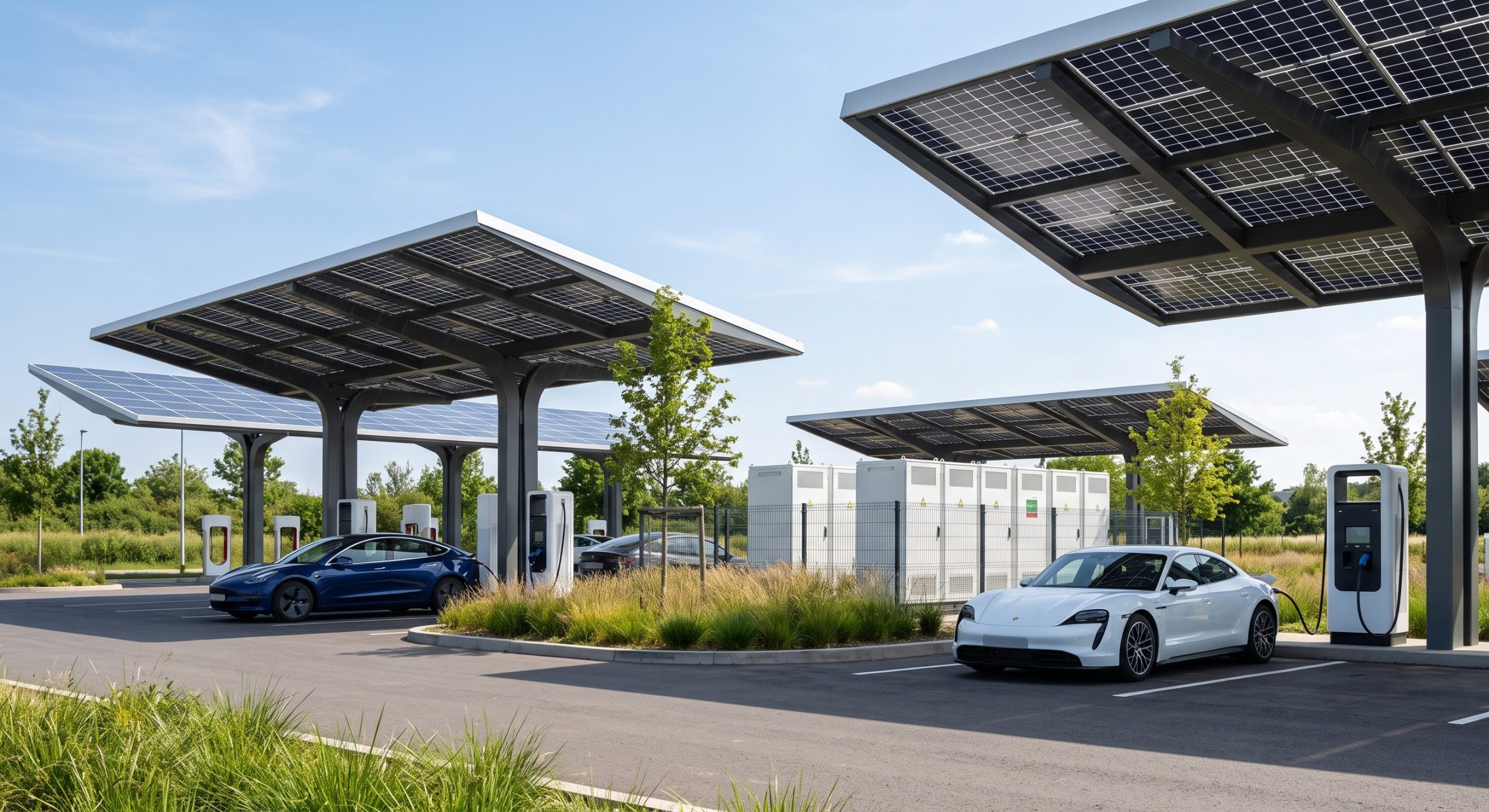
The PV-Storage-Charging model is gaining traction in EV supercharging stations. A high energy density BESS buffers the intermittent solar output and provides high-power charging (150-350 kW) without straining the grid. The DC-coupled architecture minimizes conversion losses, achieving system efficiency >95%.
Industrial Park Energy Independence
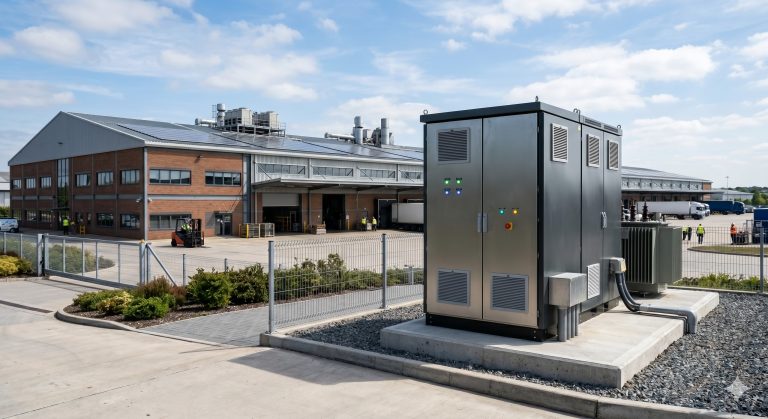
For industrial parks with multi-megawatt loads, modular high energy density BESS cabinets can be deployed in parallel to achieve MWh-scale capacity. The EMS orchestrates load curve flattening, demand response, and VPP (Virtual Power Plant) participation.
Conclusion: The Strategic Imperative for High Energy Density BESS
The transition from diesel generators to High Energy Density BESS is no longer a question of “if” but “when.” With superior round-trip efficiency, cycle life, and grid support capabilities, high energy density BESS delivers a compelling ROI for C&I facilities. By leveraging Tier-1 LFP cells, liquid cooling, and advanced BMS, system architects can design micro-grids that are resilient, sustainable, and economically superior. As IEC 62619, UL 9540, and UN38.3 compliance becomes standard, the path to zero-carbon C&I operations is clearer than ever. For EPCs and facility managers, the message is simple: evaluate high energy density BESS today, or risk being left behind in the energy transition.