The Economic Imperative for Minimalist Home Battery Design in Modern Grids
Global electricity costs for Commercial & Industrial (C&I) facilities have surged by an average of 12.7% year-over-year in major OECD markets, driving a critical need for behind-the-meter energy storage solutions. The concept of minimalist home battery design, while often associated with residential applications, is rapidly evolving into a scalable, high-density architecture for light commercial, retail, and multi-tenant residential buildings. Unlike sprawling containerized storage, a minimalist home battery design focuses on space-optimized, high-energy-density systems that deliver peak-shaving, backup power, and grid ancillary services without the footprint of traditional industrial BESS. This sourcing guide provides an expert-level technical and financial breakdown for B2B procurement professionals evaluating the Total Cost of Ownership (TCO), grid integration capabilities, and safety compliance of these next-generation energy assets.
Core Architecture & Intelligent Battery Management System (BMS)
Modular Cell-to-Cabinet Topology
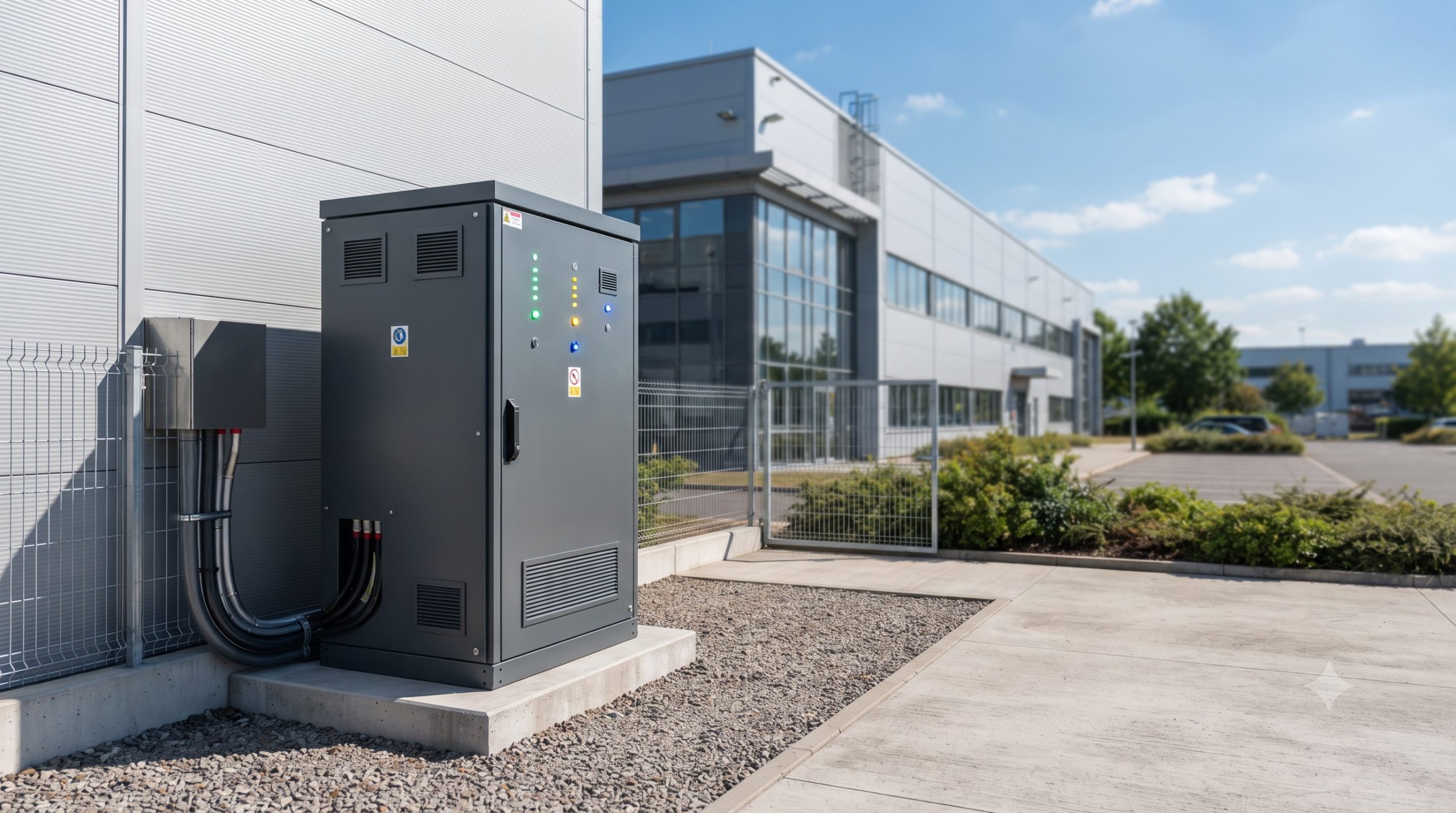
At the heart of any advanced minimalist home battery design is a modular, scalable architecture utilizing Tier-1 LFP (Lithium Iron Phosphate) prismatic cells. These cells are configured in a series-parallel arrangement within a 19-inch rack or slim wall-mounted enclosure, achieving a system capacity ranging from 5 kWh to 30 kWh per unit. For C&I applications, parallel stacking of up to 8 units allows for a scalable 240 kWh micro-grid solution. The BMS is the system’s central nervous system, offering real-time monitoring at the cell level with a voltage accuracy of ±5 mV and current measurement precision of ±1%. This precision enables advanced cell balancing algorithms, ensuring that variations in internal resistance do not degrade overall pack performance. Furthermore, the BMS integrates with an intelligent EMS (Energy Management System) to perform state-of-charge (SOC) and state-of-health (SOH) estimations, critical for optimizing Depth of Discharge (DoD) parameters.
Power Conversion System (PCS) Bi-Directional Integration
Unlike traditional systems that utilize separate rectifiers and inverters, modern minimalist designs feature a highly integrated, bi-directional PCS with a conversion efficiency exceeding 98% at nominal load. This bi-directional conversion capability allows seamless transition between grid-tied and off-grid modes. During grid outages, the system transitions within 20 ms, ensuring zero downtime for sensitive C&I loads such as servers or point-of-sale systems. The PCS topology employs a 4-leg inverter architecture that supports unbalanced loads and neutral forming, a non-negotiable feature for single-phase backup in retail environments. For PV-Storage-Charging synergy, the PCS includes dedicated MPPT (Maximum Power Point Tracking) inputs, enabling direct DC coupling with solar arrays, reducing round-trip energy losses by approximately 3-5% compared to AC-coupled systems.
Thermal Control: Liquid Cooling vs. Air Cooling ESS
Thermal management is the cornerstone of longevity and safety in high-density battery packs. Traditional air cooling systems, while cost-effective, struggle to maintain optimal operating temperatures (15°C to 35°C) under high C-rate discharging (e.g., 1C). Advanced minimalist home battery design increasingly adopts liquid cooling thermal control for its superior thermal conductivity and stability. A liquid cooling loop, with a thermal conductivity of ~0.6 W/m·K, effectively extracts heat from cell surfaces, maintaining a temperature differential of less than 5°C across the entire pack. This uniform thermal profile drastically reduces the risk of thermal runaway and slows down the degradation of electrolytes, directly contributing to the extended cycle life detailed in the specifications below. Conversely, air cooling systems are limited in high-ambient-temperature environments (>40°C) and often derate the system’s output power to prevent overheating, making liquid cooling the preferred choice for industrial and commercial micro-grid applications.
Technical Specifications & Performance Metrics
The following technical specifications represent a standard high-performance configuration of a minimalist home battery design suitable for C&I peak shaving and backup. These metrics are audited against international standards to ensure compliance, safety, and reliability.
| Key Parameter | Technical Specification |
|---|---|
| Battery Chemistry | Tier-1 LFP (Lithium Iron Phosphate) with Prismatic Cells |
| System Capacity (Nominal) | 5.12 kWh – 30.72 kWh per unit (Scalable to >240 kWh in parallel) |
| Cycle Life | >8000 cycles @ 90% DoD, >10,000 cycles @ 80% DoD (End of Life Criteria: 80% SOH) |
| Depth of Discharge (DoD) | Up to 95% (Recommended: 90% for optimal cycle life) |
| Round-Trip Efficiency | 95% at 0.5C charge/discharge rate (DC-to-DC) |
| Rated Power (PCS) | 5 kW – 15 kW per unit (Bi-directional, 4-leg inverter topology) |
| Thermal Management | Integrated Liquid Cooling (or optional Forced Air Cooling) |
| Voltage Range (Battery) | DC 48V – 800V (configurable based on rack configuration) |
| Operating Temperature | -20°C to +55°C (with derating above 45°C for air cooling variants) |
| Communication Protocols | CAN, RS-485, Modbus TCP/IP, support for EMS/VPP aggregation |
| Safety & Compliance | UL 9540, UL 9540A (Thermal Runaway), IEC 62619, CE, UN38.3 (Transportation) |
| IP Rating | IP65 (Outdoor/Indoor installation capability) |
Key takeaways from the specifications include the exceptional cycle life of >8000 cycles at 90% DoD, translating to over 15 years of daily use at a 1C discharge rate. The compliance with IEC 62619 and UL 9540 ensures that the system has passed rigorous safety tests for thermal propagation and grid interconnection, a critical factor for insurance and regulatory approvals. Furthermore, the 95% round-trip efficiency is a testament to the advanced PCS and low-resistance cell tabs, maximizing the usable energy per charge and enhancing the LCOE.
Commercial ROI & LCOE Analysis for Peak-Shaving
Total Cost of Ownership (TCO) and Maximizing Peak-Shaving ROI
For a typical C&I facility with a monthly peak demand charge of $15/kW, a 30 kWh minimalist battery operating on a two-hour discharge strategy can yield annual savings of approximately $4,500 in demand charges alone. When integrated with a solar PV system, the peak-shaving capabilities are enhanced, allowing the facility to export excess energy during peak price periods (4 PM – 8 PM), thereby capturing arbitrage value. The TCO analysis must factor in the initial CapEx (including hardware, installation, and interconnection) against OpEx (maintenance, insurance, and degradation costs). With a degradation rate of less than 2% per year, the asset maintains >80% of its nameplate capacity well into its 15th year of operation, ensuring a positive ROI often achievable within 4 to 6 years. Additionally, participation in Demand Response programs can provide an additional revenue stream, with utilities offering up to $50/kW per event for grid support.
Deployment Scenarios and VPP Readiness
Virtual Power Plant (VPP) and Frequency Regulation
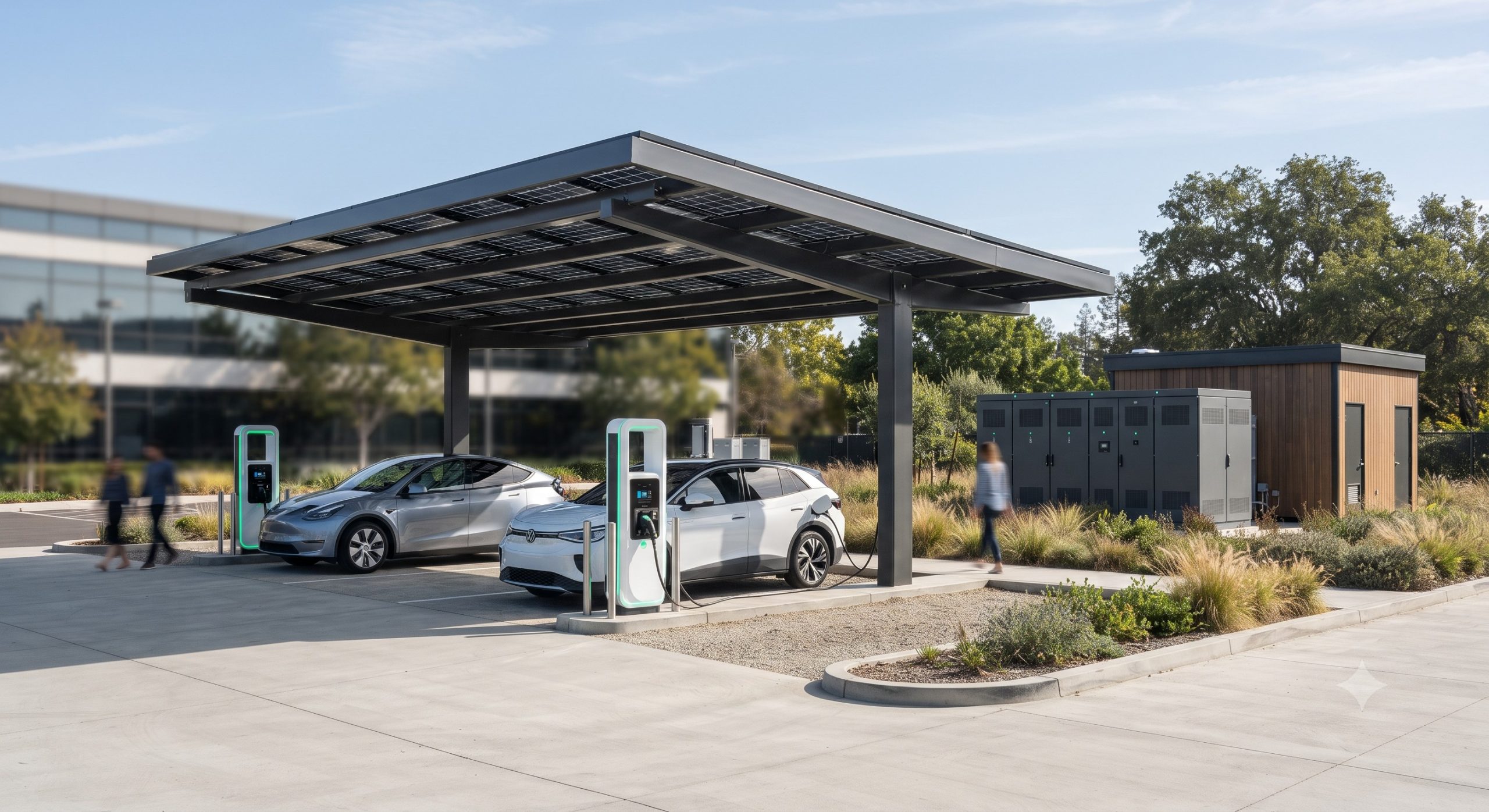
The advanced communication protocols (CAN, RS-485, Modbus TCP/IP) ensure that a fleet of these minimalist systems can be aggregated into a Virtual Power Plant (VPP). This enables the BESS to participate in frequency regulation ancillary services, responding to grid dispatch signals within 200 ms. In an industrial park setting, multiple units can be linked via a central controller, forming a resilient micro-grid capable of islanding during grid disturbances. This makes the minimalist home battery design a critical component in the transition to zero-carbon facilities, reducing reliance on diesel generators and lowering the overall carbon footprint.
Conclusion: The Strategic Roadmap for Energy Resilience
The minimalist home battery design is not merely a compact energy source; it is a sophisticated, data-driven asset for C&I energy independence. Its integration of Tier-1 LFP chemistry, advanced liquid cooling, and smart EMS enables a unique balance of safety, performance, and cost-effectiveness. For B2B sourcing professionals, focusing on certified compliance (UL 9540, IEC 62619) and verifiable cycle life is paramount. The ability to scale, coupled with VPP readiness, positions this storage solution at the forefront of the grid modernization wave. As we move towards a decarbonized future, adopting these advanced energy storage systems is a strategic investment in operational reliability and financial sustainability.