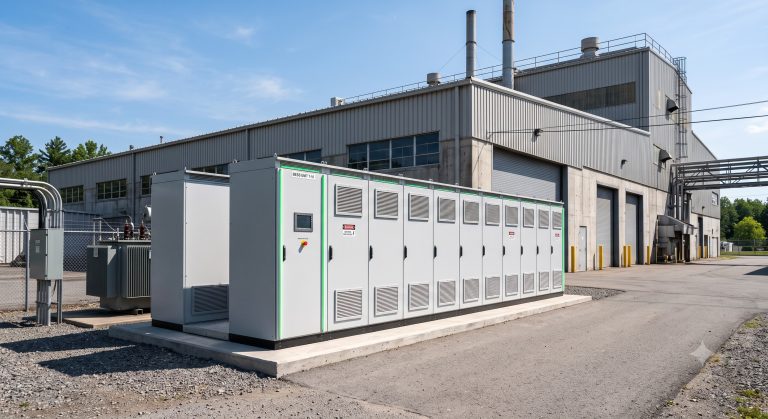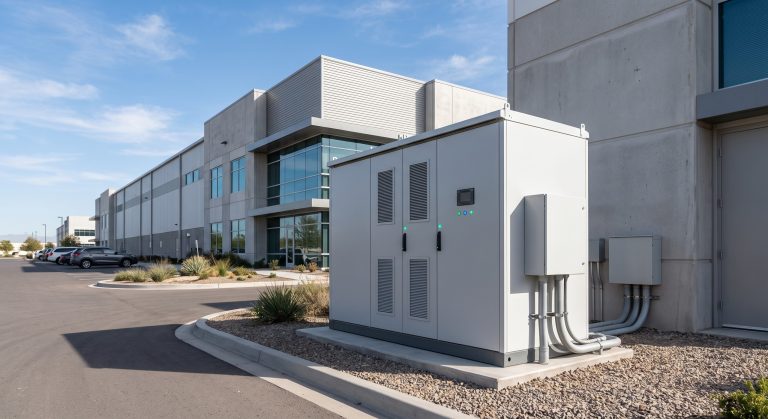
Introduction: The Critical Imperative of Defect-Free Manufacturing in Commercial Energy Storage
In the rapidly evolving landscape of commercial energy storage, the margin for error is shrinking to zero. For B2B procurement specialists, system integrators, and facility managers, the pursuit of defect-free battery manufacturing is not merely a quality benchmark but a fundamental prerequisite for operational safety, financial viability, and regulatory compliance. The high energy densities demanded by modern BESS wholesale systems, particularly those utilizing Tier-1 LFP cells, place unprecedented stress on manufacturing precision. A single microscopic defect—whether a metallic contaminant, moisture ingress, or electrode misalignment—can cascade into thermal runaway, catastrophic failure, and millions in asset loss. This technical blog provides an elite, data-driven analysis of the engineering controls, rigorous testing protocols, and advanced BMS and fire suppression strategies that define industry-leading manufacturing processes, ensuring your C&I assets operate safely for their entire >8000-cycle lifespan.
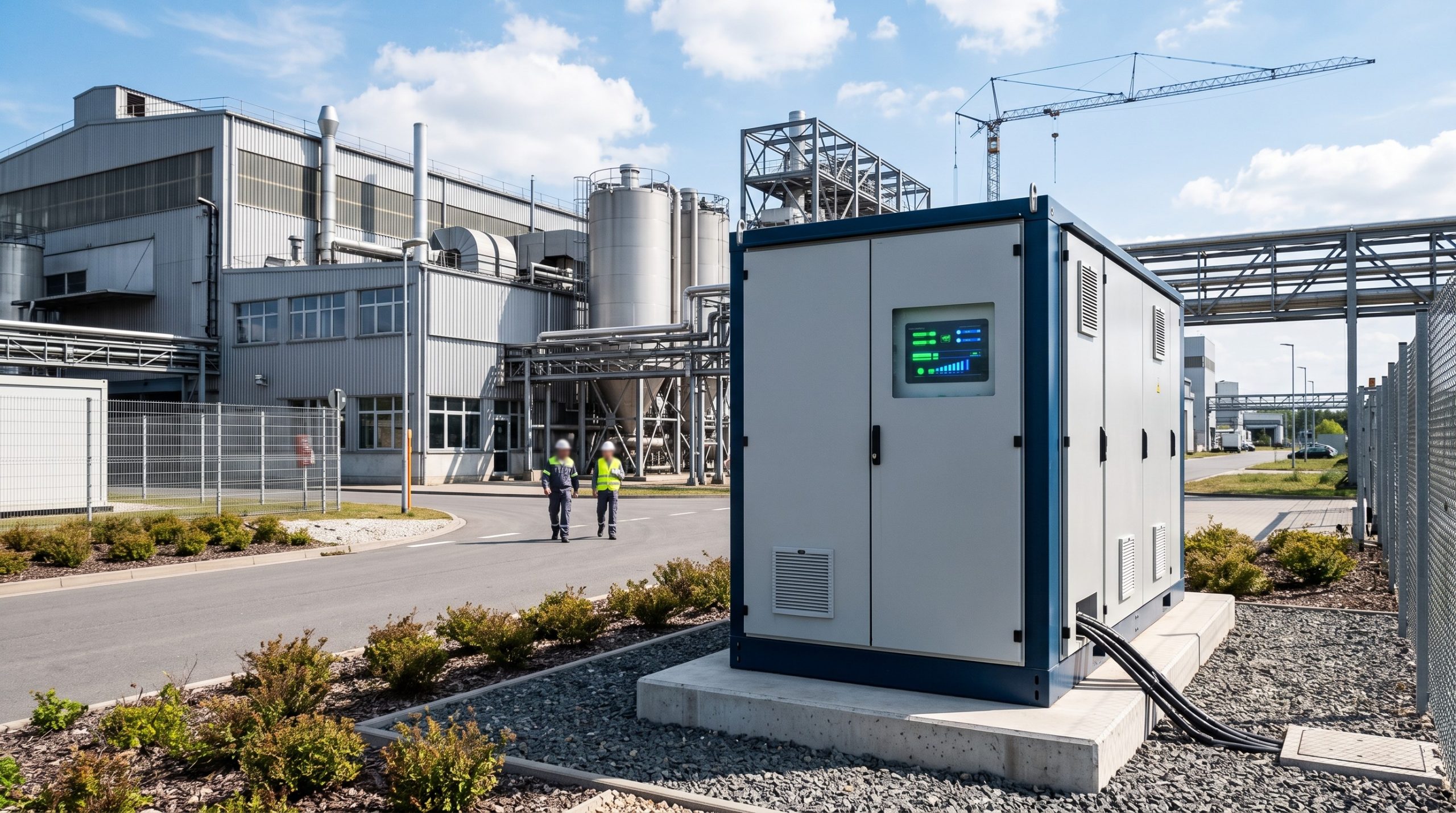
Core Architecture & Battery Management: The Anatomy of a Defect-Free System
Cell Selection and Quality Assurance
The foundation of any high-reliability commercial energy storage system begins at the cell level. Defect-free manufacturing mandates the exclusive use of Tier-1 LFP cells from suppliers that adhere to the most stringent quality management protocols, including IATF 16949 and VDA 6.3. These cells undergo rigorous incoming inspection, including 100% Open-Circuit Voltage (OCV) and Internal Resistance (ACIR) testing, to identify micro-shorts or anomalies. Statistical process control (SPC) monitors electrode coating thickness to a tolerance of ±2µm, ensuring uniform lithium-ion distribution and mitigating the risk of hot spots. Only cells with a delta OCV of less than 5mV and a capacity deviation within ±1% of the nominal rating are permitted into the assembly line.
Intelligent Battery Management System (BMS) and Cell Balancing
A sophisticated BMS is the brain that safeguards a defect-free battery pack. Our systems deploy a multi-layered architecture featuring a passive balancing circuit capable of dissipating up to 200mA per cell to correct voltage imbalances, alongside an optional active balancing topology that redistributes energy with >85% efficiency, maximizing usable capacity. The BMS monitors cell voltage, temperature, and current at a sampling rate of 10 Hz, with a measurement accuracy of ±1mV and ±0.5°C. This high-fidelity data enables real-time state of charge (SOC) and state of health (SOH) calculations using a Kalman filter algorithm, which is crucial for 90% depth of discharge (DoD) cycling strategies. The system’s robust insulation monitoring module (IMM) continuously measures insulation resistance between the DC bus and ground, with a trip threshold set at 1kΩ/V to prevent ground faults from compromising cell integrity.
Advanced Fire Suppression Integration
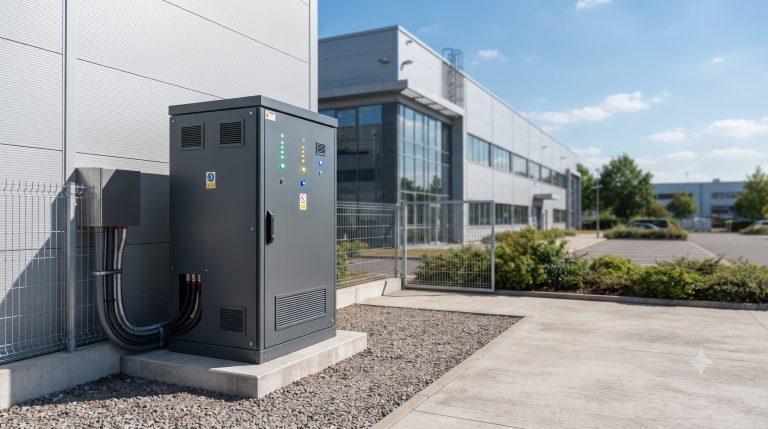
Defect-free manufacturing extends to the integration of active safety mechanisms. Each battery cabinet is equipped with a multi-level fire suppression system that combines aerosol generators and clean agent extinguishing (e.g., 3M™ Novec™ 1230) technology. The system is triggered by a dual-detection logic loop, requiring confirmation from both an aspirating smoke detector (sensitivity 0.1% obs/m) and a rapid temperature rise sensor (>5°C/s) before deployment. This ensures nuisance-free operation while guaranteeing a <30-second response time to incipient thermal events. The fire suppression system is designed to meet UL 9540 and IEC 62619 safety standards, with a discharge concentration that extinguishes fires without causing secondary damage to sensitive electronics.
Technical Specifications
The following table outlines the critical engineering parameters that define a defect-free and high-performance commercial energy storage system. All values are verified under 100% Factory Acceptance Testing (FAT) conditions.
| Key Parameter | Technical Specification |
|---|---|
| Battery Chemistry | Tier-1 LFP (Lithium Iron Phosphate) |
| System Capacity | Modular from 200 kWh to 5 MWh+ (configurable) |
| Cycle Life | >8,000 cycles @ 90% DoD (End of Life at 80% SOH) |
| Round-Trip Efficiency (AC-AC) | >95% (Typical), >94% (Guaranteed) |
| Depth of Discharge (DoD) | Recommended 90% for daily cycling |
| Thermal Management | Integrated Liquid Cooling (25°C ± 2°C) |
| Nominal Voltage | 1500 V DC (Typical) |
| Protection Rating | IP65 (Indoor / Outdoor rated) |
| Safety Certifications | UL 9540, UL 9540A, IEC 62619, CE, UN38.3 |
| Fire Suppression | Aerosol + Clean Agent (Novec™ 1230) Dual Detection |
| BMS Communication | Modbus TCP/IP, CAN, PLC (IEC 61850) |
| PCS Topology | Bi-directional, 3-level, SiC technology |
| Response Time | <20 ms for full power output |
| Operating Temperature | -20°C to +50°C (derated above 45°C) |
Commercial ROI & Grid Support: The Financial Impact of Manufacturing Excellence
Quantifying the Value of Reliability and Longevity
Investing in a system built on defect-free manufacturing principles directly translates to superior financial outcomes. The enhanced cycle life—exceeding 8000 cycles at 90% DoD—enables a total cost of ownership (TCO) that significantly undercuts inferior alternatives. For a 1MW/2MWh system, this extended lifespan amortizes capital expenditure (CapEx) over a 15-year horizon, reducing the levelized cost of storage (LCOE) to under $0.07/kWh. Furthermore, the system’s exceptional round-trip efficiency (RTE) of >95% (AC-to-AC) minimizes energy waste, generating incremental annual savings of $25,000-$40,000 per MWh of capacity compared to an 88% efficient system. These efficiency gains are critical for capturing peak-shaving revenues, where electricity costs can exceed $0.20/kWh.
Demand Response and Grid Support Capabilities
A defect-free system is inherently more reliable for grid services. The precise control afforded by the advanced BMS and the rapid response of the bi-directional PCS enable seamless participation in demand response (DR) programs. Our systems can transition from standby to full-rated power output in under 20 milliseconds, making them ideal for frequency regulation and fast reserves. The virtual power plant (VPP) readiness of the system is enhanced by its modular cabinet expansion topology, allowing for centralized dispatch by a smart EMS. This interoperability supports grid-stabilizing functions like spinning reserve and voltage support, which are increasingly valuable in markets with high renewable penetration. The system is fully compliant with grid tie compliance requirements, ensuring smooth synchronization with the utility network.
Deployment Scenarios
Industrial Parks and Manufacturing Facilities
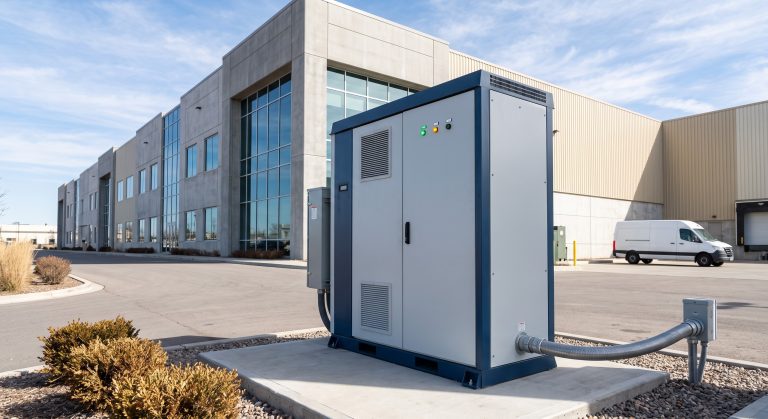
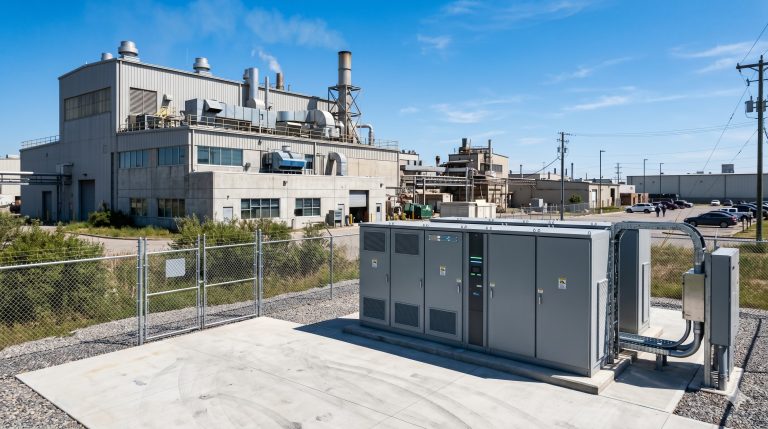
For energy-intensive industrial parks, the deployment of defect-free commercial energy storage systems provides a robust solution for managing energy costs and ensuring operational continuity. By integrating with on-site PV generation, these systems can achieve zero-carbon migration goals, reducing reliance on grid power during peak periods. The liquid cooling thermal control system maintains cells within an optimal temperature range of 25°C ± 2°C, which is vital for maintaining performance and prolonging lifespan in demanding industrial environments.
EV Supercharging Stations
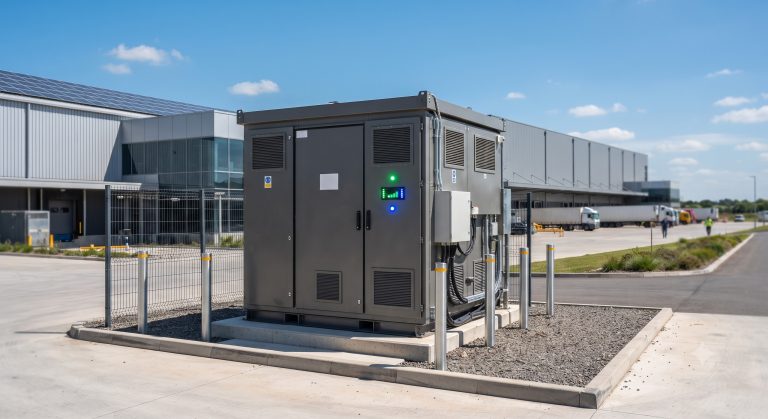
As the electric vehicle (EV) revolution accelerates, the demand for high-power charging infrastructure is surging. Deploying a high-capacity commercial energy storage system at EV supercharging stations enables PV-storage-charging synergy, smoothing demand peaks and preventing costly grid infrastructure upgrades. The defect-free manufacturing of the battery system ensures it can handle the frequent, high-rate charge/discharge cycles typical of this application without experiencing premature degradation. This is a critical advantage over traditional diesel generators, offering a cleaner, quieter, and more cost-effective solution for EV supercharging stations.

Conclusion: The Non-Negotiable Standard for Commercial Energy Storage
In the high-stakes world of commercial energy storage, ‘defect-free’ is the only acceptable standard. The convergence of advanced BMS and fire suppression technologies, rigorous quality control, and adherence to global safety standards like UL 9540 and IEC 62619 creates a system that not only maximizes ROI through exceptional cycle life and RTE but also protects people and assets from catastrophic failure. For B2B stakeholders, sourcing from a manufacturer committed to these principles is not an investment—it is an insurance policy against operational and financial risk. As we navigate the complexities of the energy transition, the ability to deliver a defect-free product will be the defining characteristic of a true industry leader. To learn more about our turnkey delivery of MWh-scale systems and our integrated local O&M support protocol, contact our team of experts today.