Introduction: The Energy Imperative for C&I Facilities
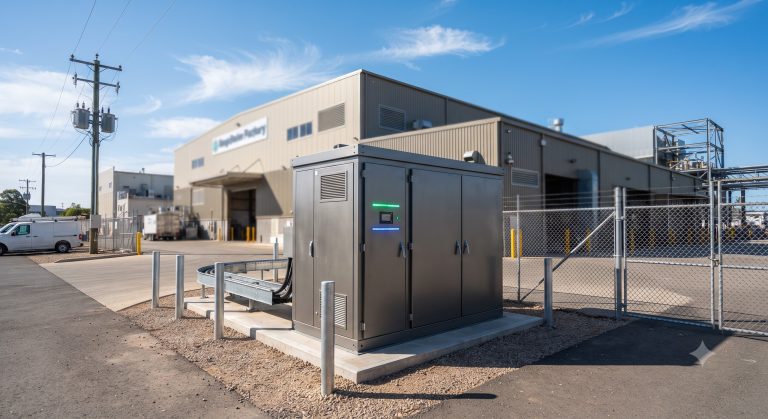
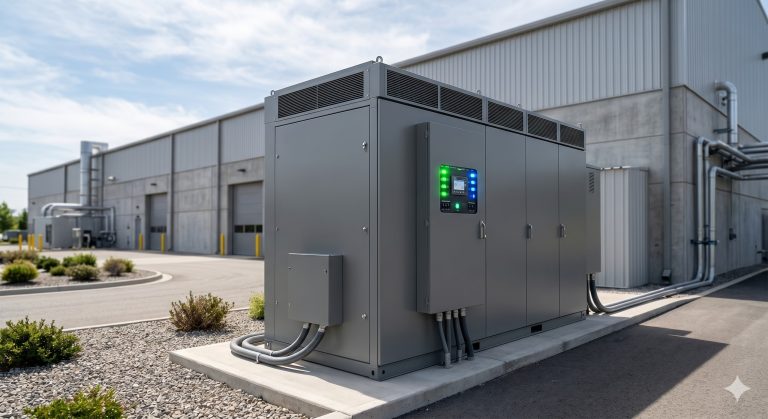
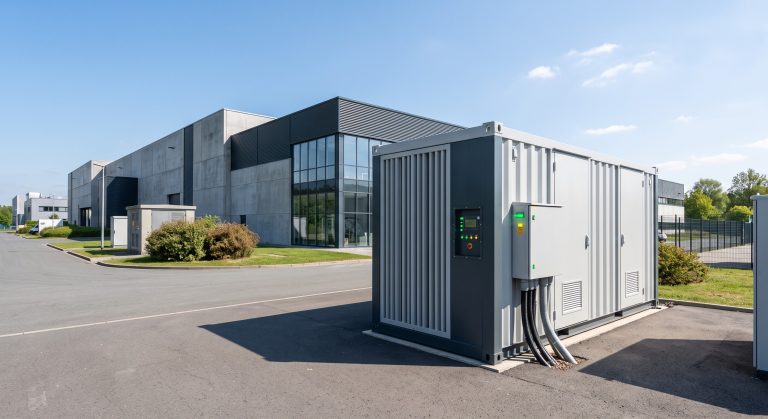
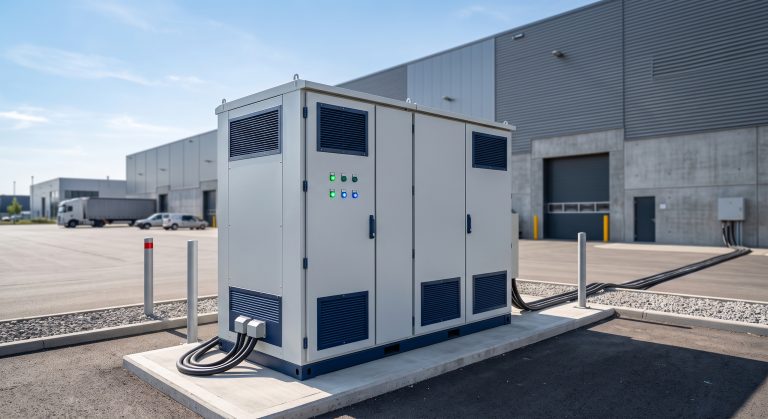
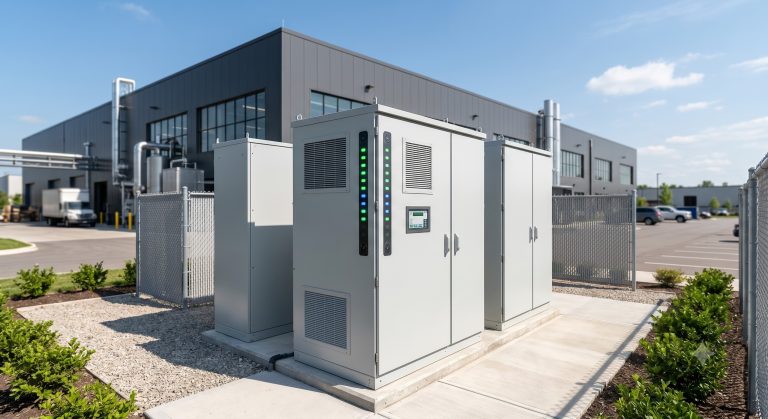
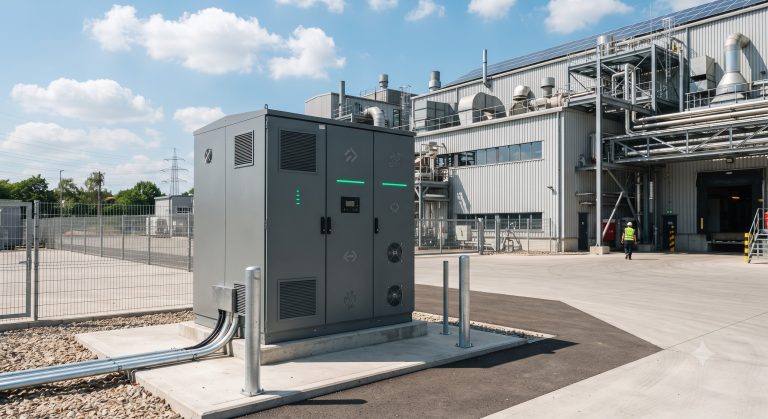
As global energy prices exhibit persistent volatility and the transition to renewables accelerates, Commercial & Industrial (C&I) enterprises face a critical challenge: managing escalating electricity costs while ensuring operational resilience. The megawatt container battery has emerged as the definitive engineering solution to this dilemma. These containerized Battery Energy Storage Systems (BESS) offer scalable, high-capacity energy management, enabling peak shaving, grid support, and integration with renewable sources. This guide provides a comprehensive, data-driven analysis of the architecture, key performance metrics, and strategic value of Tier-1 LFP (Lithium Iron Phosphate) container batteries for B2B stakeholders .
Core Architecture: PCS, BMS, and System Integration
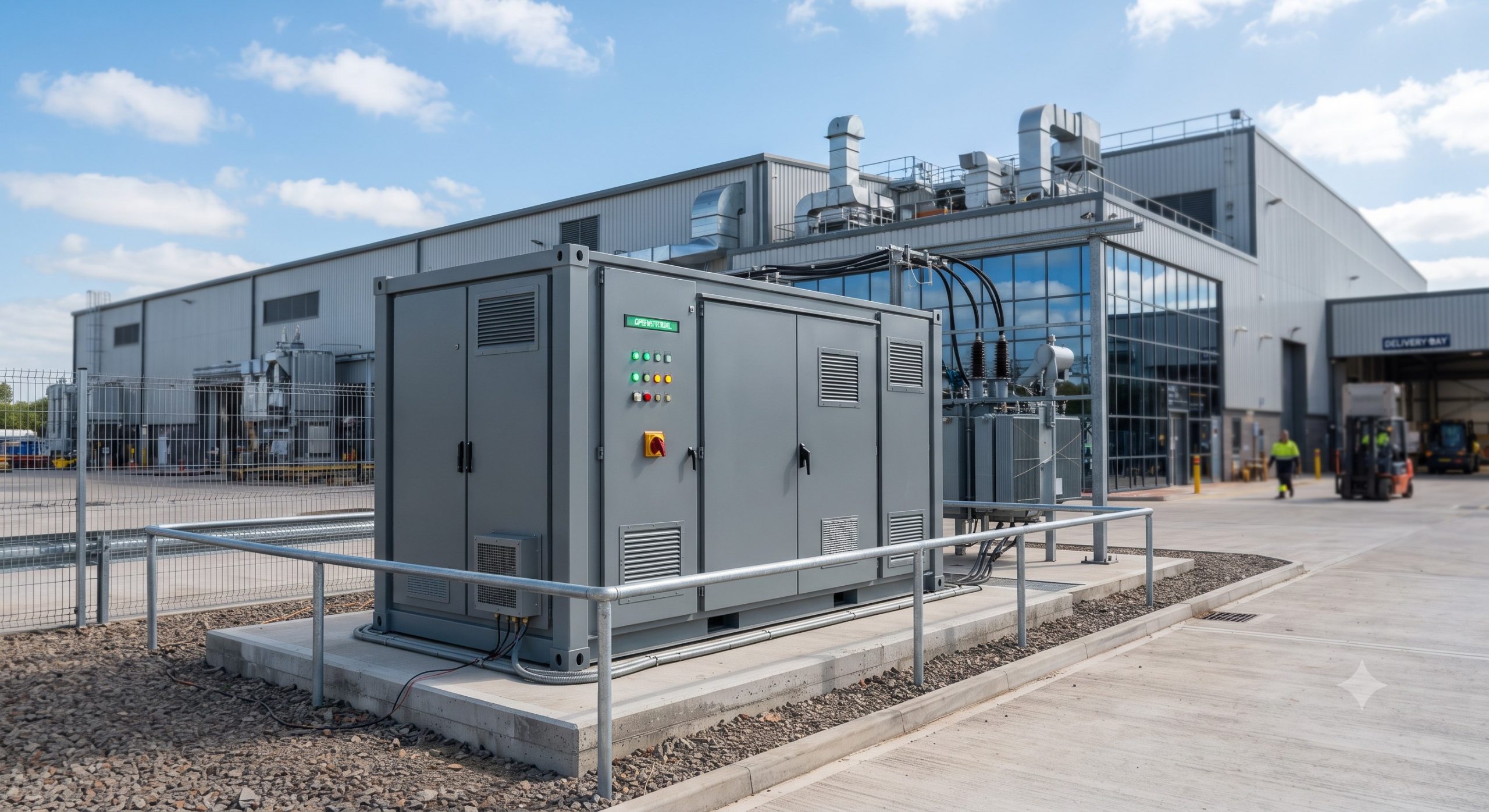
The modern megawatt container battery is not merely a set of batteries in a box; it is a sophisticated, fully integrated energy management system. Its architecture is defined by the interplay of critical hardware and software components designed for high efficiency and safety.
Power Conversion System (PCS) and Energy Management
The PCS is the core power electronic interface, acting as the bi-directional bridge between the battery’s direct current (DC) and the facility’s alternating current (AC) grid. Modern systems leverage advanced, high-efficiency PCS topologies to ensure bi-directional power conversion, facilitating seamless charging and discharging. For example, standard C&I solutions often feature a nominal AC output of 125 kW . The architecture is complemented by an intelligent EMS (Energy Management System) that dispatches power based on real-time grid signals and load demands, optimizing for either peak shaving or demand response .
Battery Chemistry and Packaging
The foundation of safety and longevity in these systems is the use of Tier-1 LFP cells. Unlike other lithium-ion chemistries, LFP offers superior thermal stability and a significantly longer cycle life, making it ideal for the daily cycling demanded by C&I applications . Modern modules utilize high-capacity cells, such as the 314 Ah prismatic cells, often configured in a 1P52S (single parallel, 52 series) architecture to achieve high voltage and capacity .
Critical Advantage: Liquid Cooling vs. Air Cooling
Effective thermal management is paramount to ensuring safety and maximizing the lifespan of a megawatt container battery. While air-cooled systems have been a traditional baseline, liquid cooling is rapidly becoming the industry standard for high-density, high-performance C&I BESS. Liquid cooling maintains a tightly controlled operational temperature, often keeping cell-to-cell temperature delta under 3°C, which is crucial for consistent performance and mitigating the risk of thermal runaway . Advanced designs employing dual-serpentine cold plates can significantly improve cooling efficiency, enhancing temperature uniformity across large-format cells and preserving cycle life . The table below summarizes key specifications of a typical modern liquid-cooled system.
| Key Parameter | Technical Specification |
|---|---|
| Battery Chemistry | Tier-1 LFP (Lithium Iron Phosphate) 314 Ah Cells |
| Round-trip Efficiency | ≥ 88% |
| Cycle Life | > 8000 cycles @ 90% DoD |
| Thermal Management | Liquid Cooling (Cell ΔT < 3°C) |
| Safety Standards | UL 9540, UL 9540A, IEC 62619 |
| Enclosure Rating | IP54 – IP67 (System/Cell) |
Technical Specifications: A Data-Driven Overview
When evaluating a megawatt container battery, procurement managers must examine the core technical specifications. These parameters define the system’s capability, durability, and return on investment. Key metrics include Round-trip efficiency, which measures the total energy lost during a charge-discharge cycle, with rates often exceeding 88% . The Depth of Discharge (DoD) and Cycle Life are also critical; Tier-1 LFP systems are designed to achieve >8000 cycles at a 90% DoD, ensuring over a decade of reliable service in daily peak-shaving operations . The table below provides a comprehensive view of these critical parameters.
| Key Parameter | Technical Specification |
|---|---|
| Battery Chemistry | Tier-1 LFP (Lithium Iron Phosphate) |
| Cell Capacity | 280 Ah – 314 Ah |
| System Energy Capacity | 200 kWh – 5 MWh+ (Scalable) |
| System Power (AC) | 50 kW – 3 MW per unit |
| Round-trip Efficiency | > 88% |
| Cycle Life | > 8000 cycles @ 90% DoD |
| Thermal Management | Liquid Cooling (Cell-to-cell ΔT < 3°C) |
| Enclosure Rating | IP54 – IP67 |
| Industry Standards | UL 9540, IEC 62619, UN38.3, CE |
Commercial ROI and Grid Support
For B2B decision-makers, the business case for a megawatt container battery hinges on a clear Return on Investment (ROI) and Total Cost of Ownership (TCO). The primary economic driver is peak shaving: charging the battery during low-cost off-peak hours and discharging it during expensive peak-demand periods to reduce electricity bills . In regions with high demand charges, this strategy alone can yield a payback period of 3.68 years . Beyond peak shaving, these systems are capable of providing critical grid support and demand response services, and are VPP-ready (Virtual Power Plant), allowing asset owners to generate additional revenue by selling frequency regulation and voltage support services to grid operators .
Deployment Scenarios: Industrial Parks and Micro-Grids
Industrial Parks and EV Supercharging
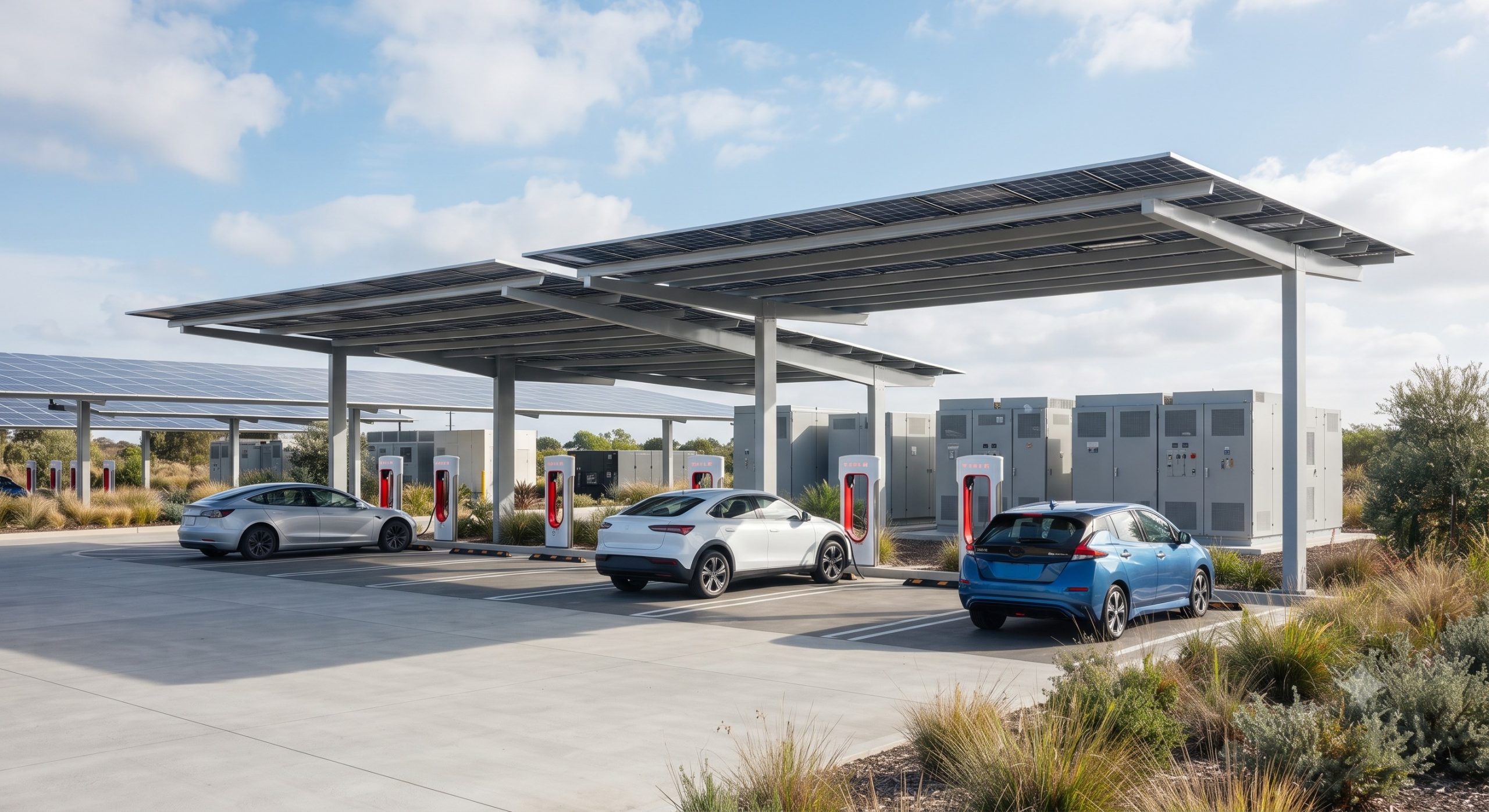
Industrial parks and EV supercharging stations are ideal environments for deploying megawatt container batteries. These facilities present high and volatile energy demand profiles. The modular nature of containerized BESS allows for MWh-scale deployment, providing a robust buffer against grid instability while enabling PV-Storage-Charging synergy . The container’s compact footprint and turnkey delivery significantly reduce on-site construction and commissioning time.
Conclusion: The Strategic Asset for Energy Independence
The megawatt container battery represents a strategic infrastructure investment rather than a mere operational expense. By integrating Tier-1 LFP chemistry, advanced liquid cooling, and intelligent EMS, these systems provide unprecedented control over energy costs while ensuring grid independence. With established industry standards like UL 9540, IEC 62619, and UN38.3 certifying their safety and reliability, C&I enterprises can confidently adopt this technology to achieve zero-carbon migration and long-term financial resilience .