Introduction: Why Legacy UPS No Longer Meets Data Center Uptime Requirements
The modern data center is the beating heart of the digital economy. However, the exponential growth of AI workloads, high-performance computing (HPC), and edge infrastructure has pushed traditional Uninterruptible Power Supply (UPS) systems to their absolute limit. The old paradigm of lead-acid batteries paired with static transfer switches simply cannot deliver the grid support and rapid response required by a 10MW+ facility. As Tier 4 data centers push for five-nines (99.999%) availability, the industry is pivoting to advanced Battery Energy Storage Systems (BESS) as the ultimate solution for data center uninterruptible power. These new systems leverage Liquid Cooling PCS integration and Tier-1 LFP cell metrics to achieve unprecedented density, safety, and total cost of ownership (TCO) improvements. By moving beyond diesel generator bridging and integrating with smart Energy Management Systems (EMS), BESS units are redefining what it means to deliver clean, reliable, and cost-effective power to critical IT loads.
Core Architecture: The Shift from VRLA to High-Capacity LFP BESS
The architecture of modern data center uninterruptible power has evolved significantly. Traditional valve-regulated lead-acid (VRLA) systems are being replaced by modular, rack-mounted BESS solutions utilizing Lithium Iron Phosphate (LFP) chemistry. This transition is driven by the need for higher energy density and a reduced physical footprint, which is critical in space-constrained colocation facilities. The core components now include a bi-directional Power Conversion System (PCS), an advanced Battery Management System (BMS), and a liquid cooling thermal management infrastructure to maintain optimal cell temperatures.
PCS Integration and Dynamic Response
Unlike legacy UPS systems that rely on passive standby, modern BESS units employ active grid-forming inverters. This allows the PCS to provide instantaneous frequency regulation and voltage support, essentially functioning as a Virtual Power Plant (VPP) asset when idle. The integration of liquid cooling into the PCS modules allows for higher switching frequencies without derating, ensuring continuous power at 105% load capacity during peak demand. The system architecture supports seamless grid transition, isolating the critical load from upstream disturbances in under 2 milliseconds—faster than the typical 4ms transfer time of a static switch.
Advanced BMS and Cell Balancing
At the heart of this system is the BMS, which manages individual cell voltage, temperature, and State of Charge (SoC). Proper cell balancing is essential to prevent thermal runaway and ensure maximum lifespan. Modern BMS platforms utilize active balancing techniques to equalize cell voltages during charging, significantly improving the round-trip efficiency of the storage system. This precision logic allows operators to utilize Depth of Discharge (DoD) management strategies that optimize both immediate capacity and long-term cycle life, ensuring the asset remains viable for over a decade.
Technical Specifications: Key Metrics for Tier-1 Data Centers
When evaluating data center uninterruptible power systems, sourcing managers must analyze the specific technical parameters that affect performance and compliance. The following table summarizes the critical specifications required for modern high-density deployments.
| Key Parameter | Technical Specification |
|---|---|
| Battery Chemistry | Tier-1 LFP (Lithium Iron Phosphate) – Prismatic Cells |
| System Capacity | 500 kWh to 5 MWh per containerized block (scalable) |
| Cycle Life | >8000 cycles @ 90% DoD |
| Round-trip Efficiency | >92% (DC to DC) ensuring high grid support economics |
| Cooling Method | Liquid Cooling + Active HVAC |
| Safety Standards | IEC 62619, UL 9540A, UN38.3, CE |
| PCS Topology | Bi-directional 3-level NPC with Grid-Forming capabilities |
| Rated Output Frequency | 50/60 Hz (Grid synchronous) |
| Communication Protocols | Modbus TCP, IEC 61850, SunSpec |
Thermal Management: Liquid Cooling vs. Air Cooling ESS
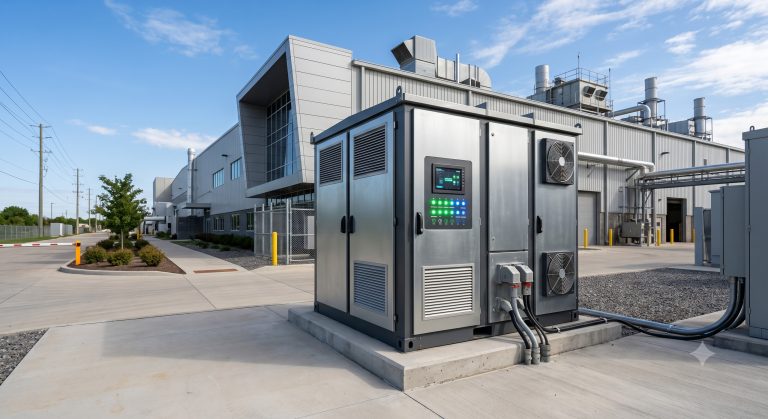
Thermal control is arguably the most critical engineering challenge in high-density BESS. While air cooling (forced convection) is common in low-power applications, high-capacity data center BESS units require liquid cooling thermal control to achieve the desired power density of >200kWh per cabinet. Liquid cooling allows for tighter cell packing, reducing the physical footprint by up to 40% compared to air-cooled alternatives. It maintains cell temperature differentials within 2°C, which is essential to prevent accelerated degradation and ensure UL 9540 compliance.
Commercial ROI and Energy Resilience
The business case for upgrading to advanced BESS UPS solutions extends far beyond backup power. These systems enable peak-shaving, significantly reducing demand charges during high-tariff periods. By integrating with on-site solar PV generation (PV-Storage-Charging synergy), data centers can achieve a Zero-Carbon Migration strategy while reducing OpEx. Furthermore, the ability to participate in utility demand response programs transforms the UPS from a cost center into a revenue-generating asset. The lifecycle analysis shows that despite higher initial CapEx, the Total Cost of Ownership (TCO) is lower than diesel generators over 10 years when factoring in fuel, maintenance, and battery replacement costs.
Target Deployment Scenarios
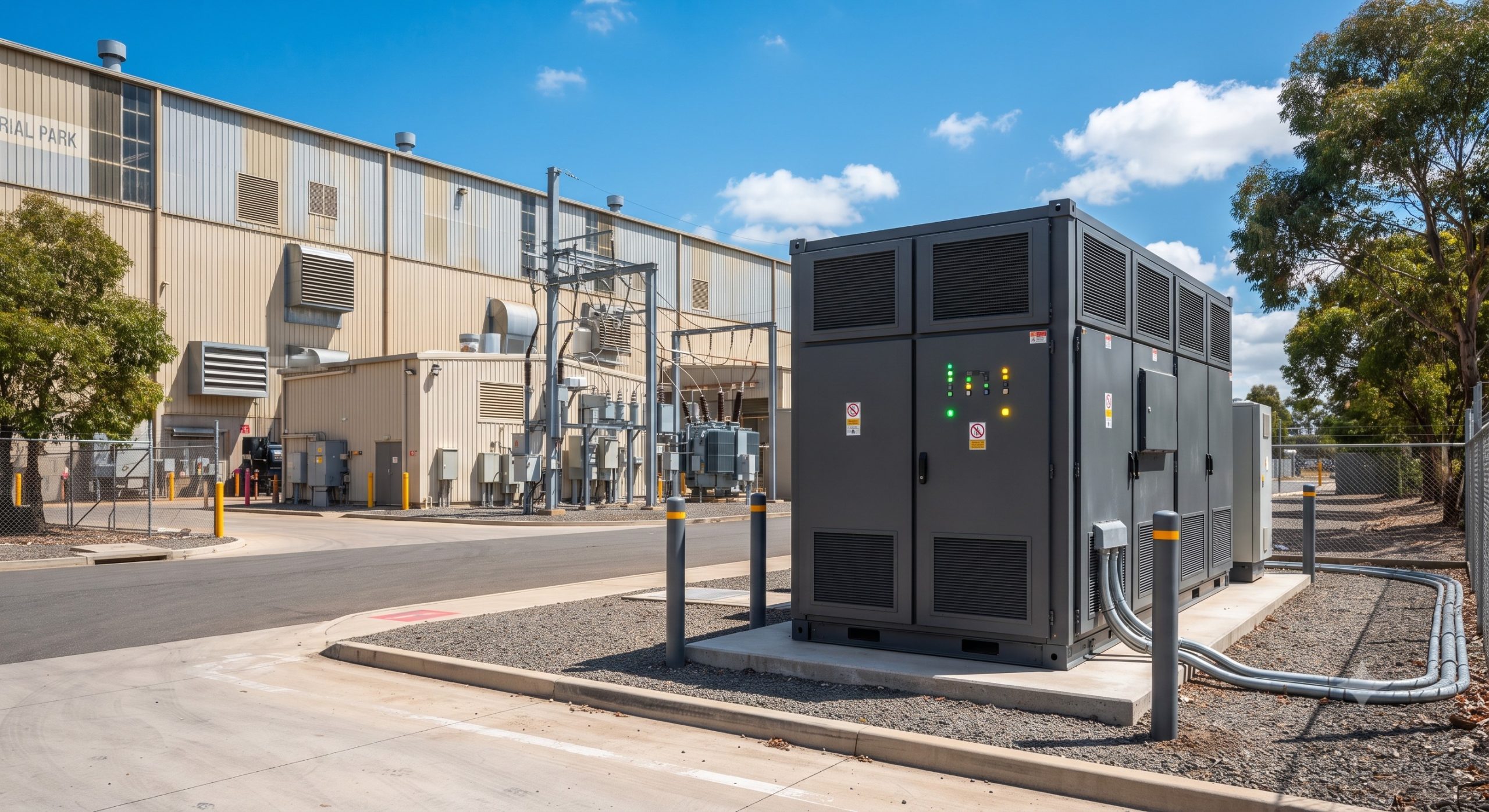
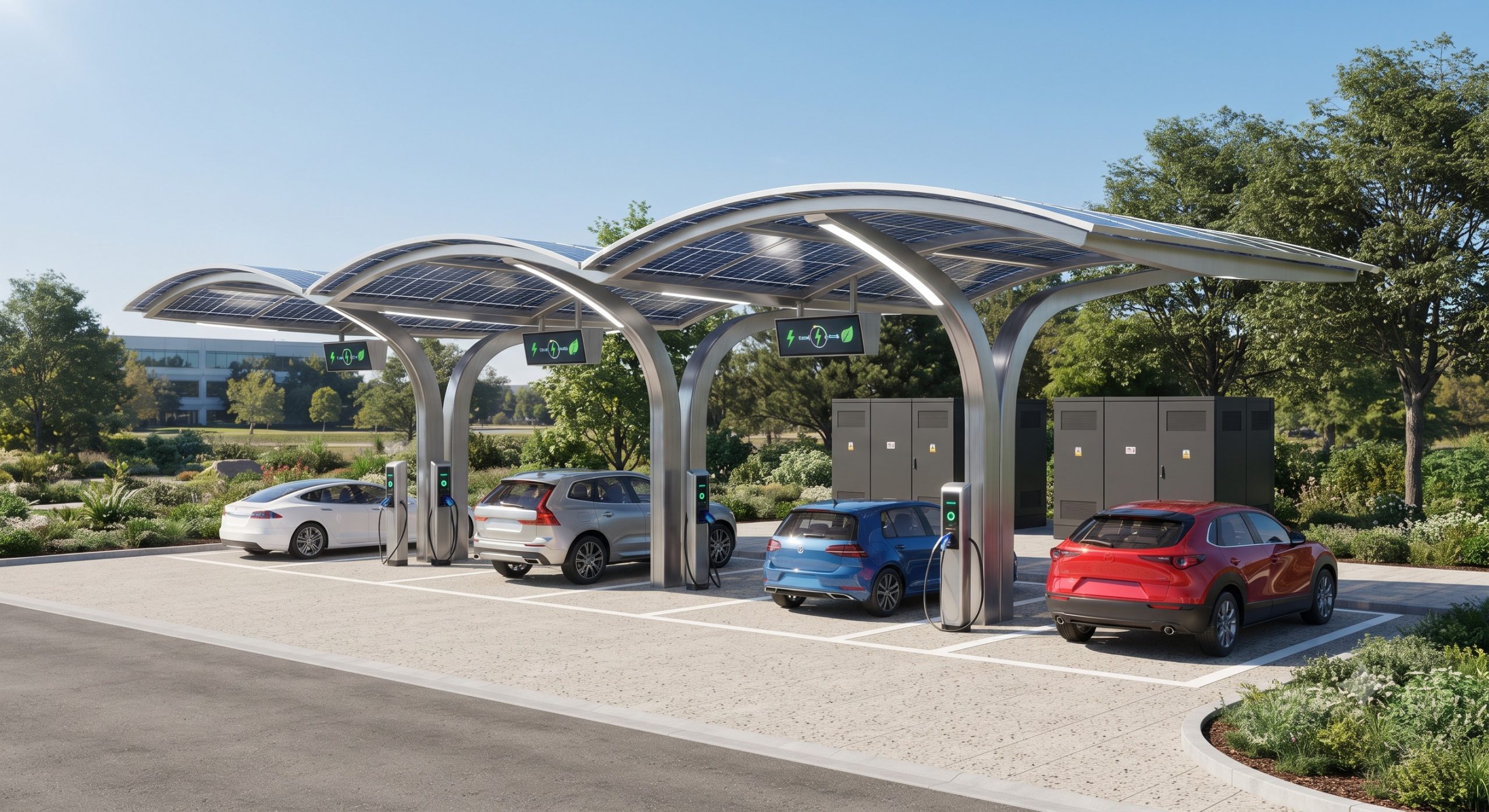
Modular BESS is ideal for a variety of industrial settings. For industrial parks, these systems provide energy independence by integrating with existing medium-voltage switchgear. In EV supercharging stations, the high discharge rate of LFP cells stabilizes grid demand, preventing brownouts when multiple heavy EVs connect simultaneously. The system architecture supports easy parallel cabinet expansion, allowing sites to scale energy capacity incrementally as IT load increases.
Conclusion: Building a Future-Proof Power Infrastructure
Adopting a modern Battery Energy Storage System for data center uninterruptible power is no longer a luxury but a necessity for digital infrastructure resilience. The combination of Tier-1 LFP chemistry, active liquid cooling, and intelligent EMS dispatch ensures that facilities can maintain operational continuity while optimizing financial performance and environmental impact. As the industry moves toward carbon neutrality, the data center of the future will rely on these smart, clean energy assets to manage grid volatility and support the ever-increasing power demands of AI and cloud computing.