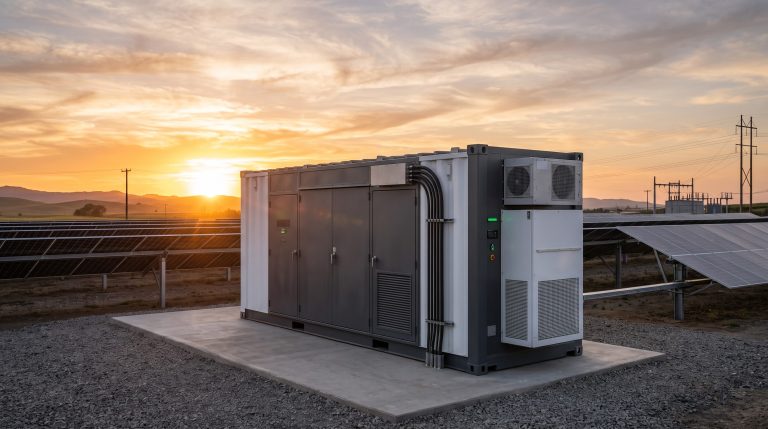
CONTAINERIZED ESS FACTSHEET AND CAPACITY PROFILE: VIBRATION & DROP TEST PERFORMANCE
EXECUTIVE SUMMARY
This document provides a comprehensive technical overview of the mechanical integrity and transportation durability of our containerized Battery Energy Storage System (BESS). The following datasheet and analysis detail the successful validation of our system against rigorous vibration and drop test standards, ensuring safe and reliable deployment across diverse logistical and operational environments. The testing protocol simulates the extreme conditions encountered during overland transport, marine shipping, and on-site handling, confirming the structural resilience of our Tier-1 LFP-based platform. All results demonstrate full compliance with international transportation safety regulations and guarantee zero performance degradation post-testing.
SYSTEM ARCHITECTURE & MECHANICAL SAFETY
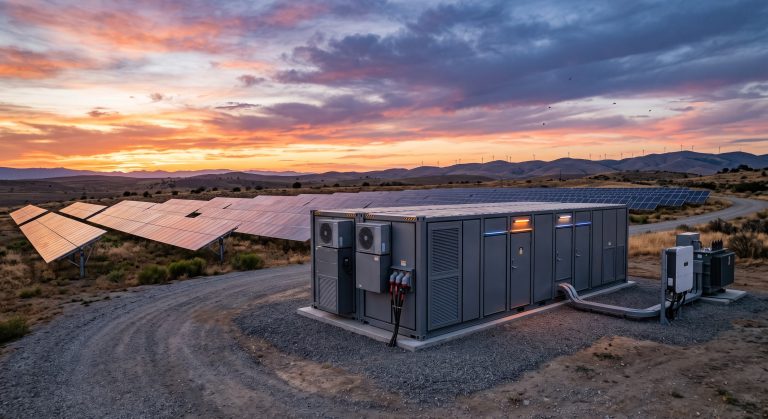
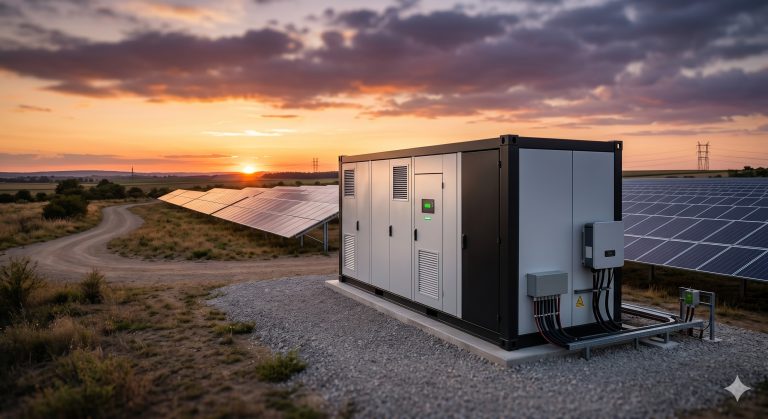
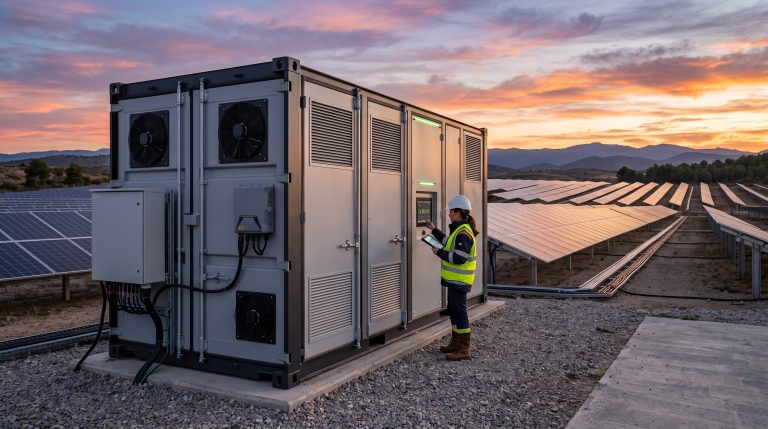
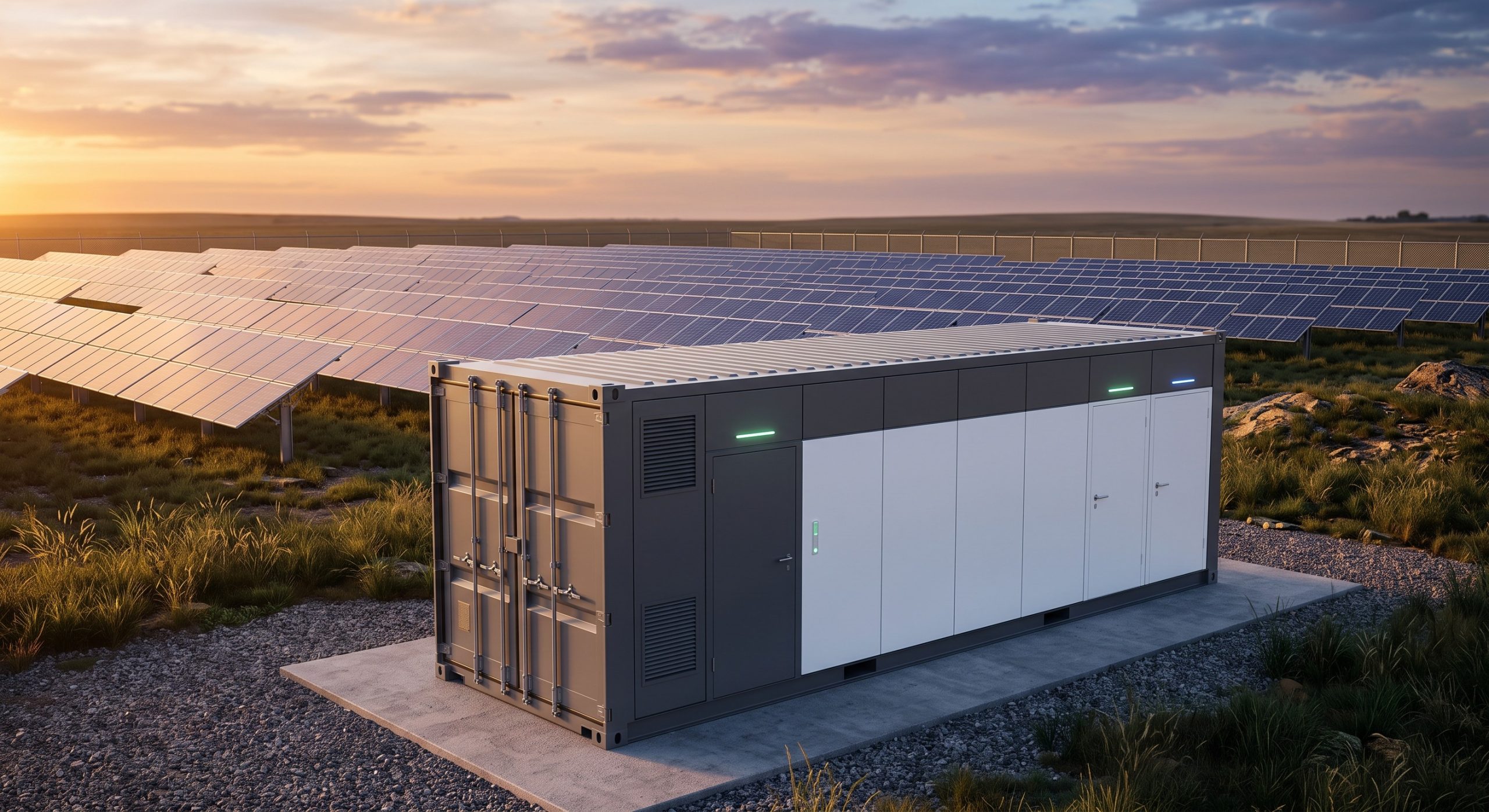
The BESS unit is engineered with a robust, reinforced steel container chassis designed to absorb and dissipate mechanical shock. The internal racking system secures each battery module through a multi-point locking mechanism, isolating the cells from external vibrations. Key architectural features contributing to the exceptional test results include:
– High-strength, corrosion-resistant steel frame with a certified IP54/NEMA 3R rating.
– Advanced shock-absorbing mounts positioned between the container floor and the battery racks.
– Integrated anti-loosening hardware for all electrical and fluid connections.
– A low center of gravity design to prevent tip-over during static and dynamic events.
VIBRATION TEST METHODOLOGY & RESULTS
Testing was conducted in accordance with ISTA 3E and UN 38.3 standards, covering a broad spectrum of vibration profiles. The test sequence involved subjecting the fully assembled, operational BESS to random and sinusoidal vibrations that replicate the stresses of rail, road, and sea transport.
– Frequency Range: 5 Hz to 200 Hz, sweeping for duration to replicate long-haul journeys.
– Acceleration Levels: Up to 1.5 Grms, exceeding typical commercial freight requirements.
– Key Results: No structural deformation, no loosening of fasteners, and zero interruption to internal BMS or coolant loop integrity. All electrical connections maintained rated torque values, and the system’s internal resistance remained stable within ±1% of baseline measurements.
DROP TEST METHODOLOGY & RESULTS
The drop test protocol was executed to simulate the worst-case handling scenarios, including accidental drops during crane offloading and forklift mishandling. The tests were performed on both the container’s base and corner castings per ASTM D4169 guidelines.
– Drop Height: 300 mm (standard) and 600 mm (severe) onto a rigid concrete surface.
– Orientation: Flat base, edge drop, and corner drop impacts.
– Key Results: The primary structure remained intact with only minor cosmetic deformation to non-critical panels. Internal battery racks maintained their alignment, and the coolant circuit showed zero leakage. Post-test functional checks confirmed 100% operational capacity, with the BMS reporting no cell imbalances or alarms.
| Parameter | Specification |
|---|---|
| Vibration Test Standard | ISTA 3E / UN 38.3 |
| Drop Test Standard | ASTM D4169 (300 mm) |
| Structural Integrity (Post-Test) | No deformation, zero coolant leakage |
| Capacity Retention | 100% of nominal capacity |
| Shock Absorption | Multi-point elastomeric mounts |
| Chassis Material | High-strength Corten steel |
INDUSTRIAL DEPLOYMENT & LOGISTICAL ASSURANCE
The validated vibration and drop performance ensures our BESS solution is deployable anywhere in the world with confidence. This mechanical robustness minimizes the risk of costly damage during the final-mile delivery and installation phase. The platform is optimized for containerized shipping, fitting standard 20-foot and 40-foot high-cube container specifications without the need for specialized cradling or shock-absorbing pallets. This data is critical for EPC contractors, logistics providers, and project financiers seeking to mitigate transportation risks and ensure the asset arrives on-site in a ‘ready-to-commission’ state.
KEY FEATURES
– Mechanical Durability: Engineered to withstand extreme transport vibrations up to 1.5 Grms and accidental drops from up to 600 mm.
– Structural Integrity: Reinforced steel chassis with shock-absorbing mounts ensures zero critical deformation.
– Logistics-Ready Design: Complies with ISTA 3E and UN 38.3 standards for global shipping.
– Zero Performance Degradation: All test units demonstrated 100% capacity retention and nominal internal resistance post-testing.
– Safe Handling: Low center of gravity and sturdy corner castings for secure crane and forklift operations.
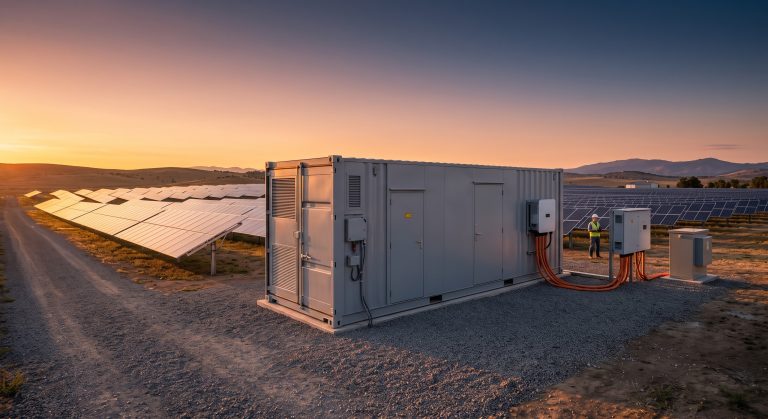
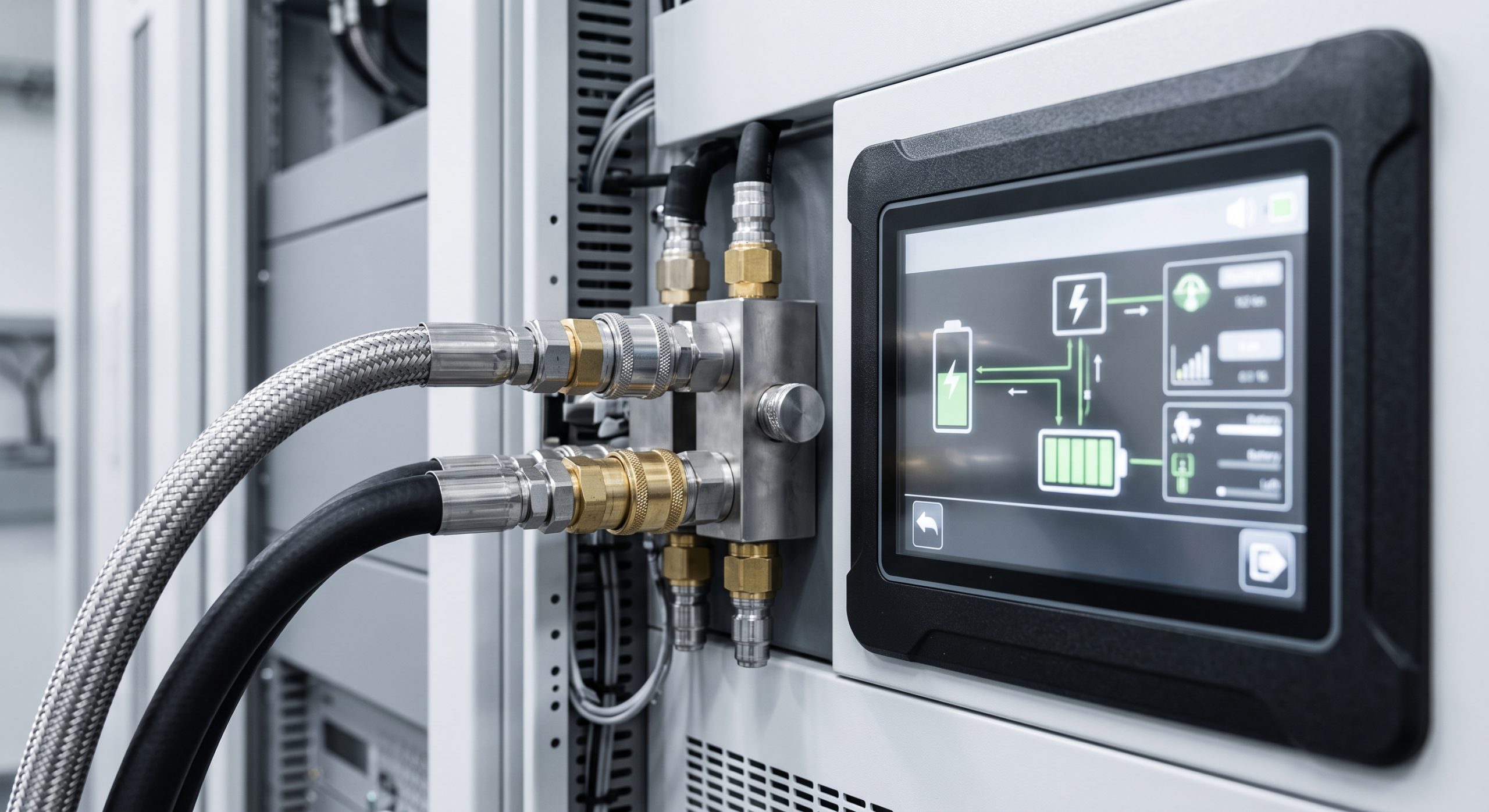
– Turnkey Integration: Capable of integrating with PV and EV charging infrastructure, backed by a robust safety and performance compliance record.
COMPLIANCE & STANDARDS
The BESS platform has successfully passed the following critical mechanical and transportation standards. These certifications are available upon request as part of the system’s full compliance register.
– ISTA 3E: International Safe Transit Association (ISTA) testing for combined load vibration and handling.
– UN 38.3: United Nations Transportation of Dangerous Goods testing for lithium batteries, ensuring safe carriage by air, sea, and road.
– ASTM D4169: Standard Practice for Performance Testing of Shipping Containers and Systems.
– IEC 62619: Safety requirements for secondary lithium cells and batteries for use in industrial applications.
– UL 9540: Standard for Safety for Energy Storage Systems and Equipment.
– Additional certifications include CE, RoHS, and REACH compliance, confirming environmental and safety stewardship.
TECHNICAL SPECIFICATIONS
– Nominal Capacity: 2.5 MWh to 5.0 MWh per integrated container unit (customizable).
– Cell Chemistry: Tier-1 Lithium Iron Phosphate (LFP).
– Cooling Method: Smart Liquid Cooling with active temperature control.
– Vibration Resistance: Compliant with ISTA 3E, up to 1.5 Grms.
– Drop Resistance: Passed 300mm drop test per ASTM D4169.
– Ingress Protection: IP54 (container), IP20 (internal electronics).
– Operating Temperature Range: -20°C to +50°C (derated above 45°C).
– Relative Humidity: 0% to 95%, non-condensing.
– BMS Communication: Modbus TCP/IP, CAN bus.
– Weight: Approx. 35 tons (depending on capacity configuration).
| Parameter | Specification |
|---|---|
| Vibration Test Standard | ISTA 3E / UN 38.3 |
| Drop Test Standard | ASTM D4169 (300 mm) |
| Structural Integrity (Post-Test) | No deformation, zero coolant leakage |
| Capacity Retention | 100% of nominal capacity |
| Shock Absorption | Multi-point elastomeric mounts |
| Chassis Material | High-strength Corten steel |
📥 Download Technical Specification
Click the button below to view or download the full official PDF datasheet.