EXECUTIVE SUMMARY
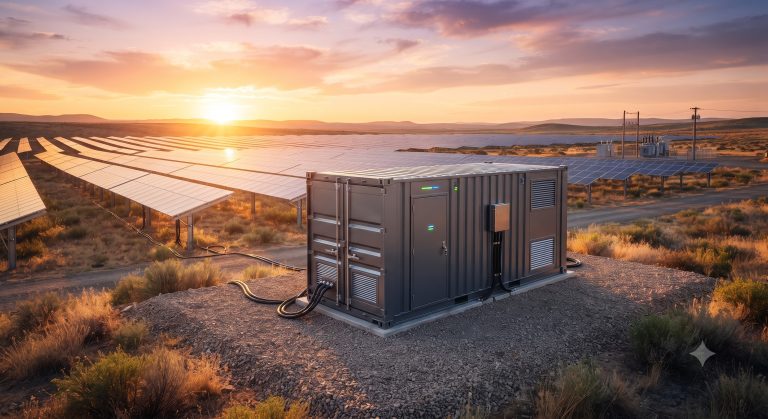
The Residential Storage Smartphone App represents a paradigm shift in homeowner energy independence, delivering Tier-1 battery management intelligence directly to iOS and Android devices. Engineered as the primary user interface for the residential energy storage system (ESS), this application provides real-time telemetry, granular control over charge/discharge cycles, and AI-driven optimization of self-consumption versus grid export. Designed for seamless integration with rooftop PV arrays and time-of-use (TOU) utility rate structures, the app transforms complex power electronics into an intuitive, consumer-friendly experience. This datasheet outlines the application architecture, communication protocols, cybersecurity framework, and the precise operational parameters that empower homeowners to reduce reliance on the grid while maximizing return on investment.
SYSTEM ARCHITECTURE & SAFETY
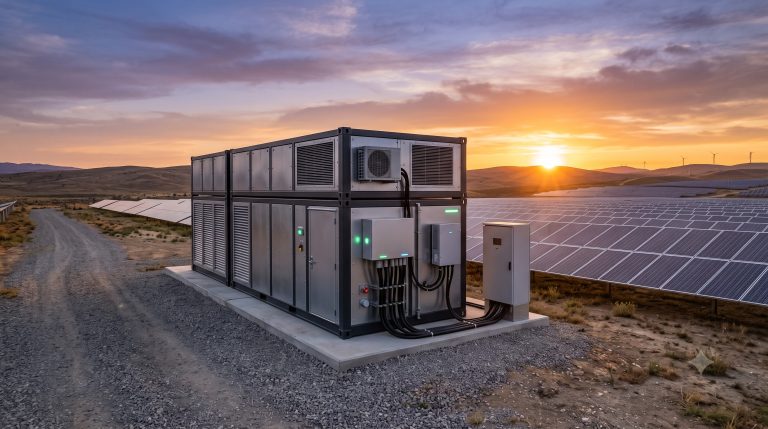
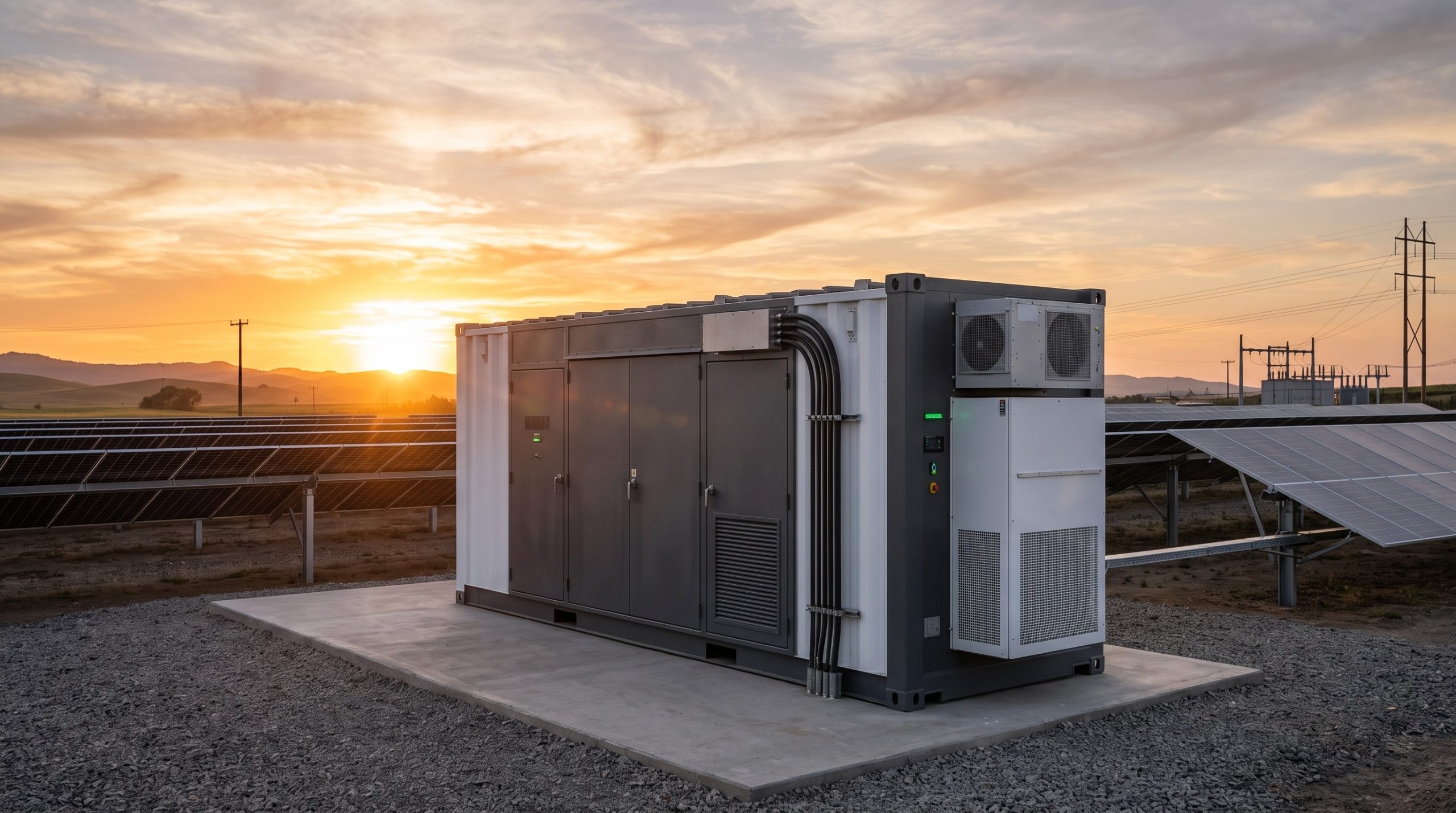
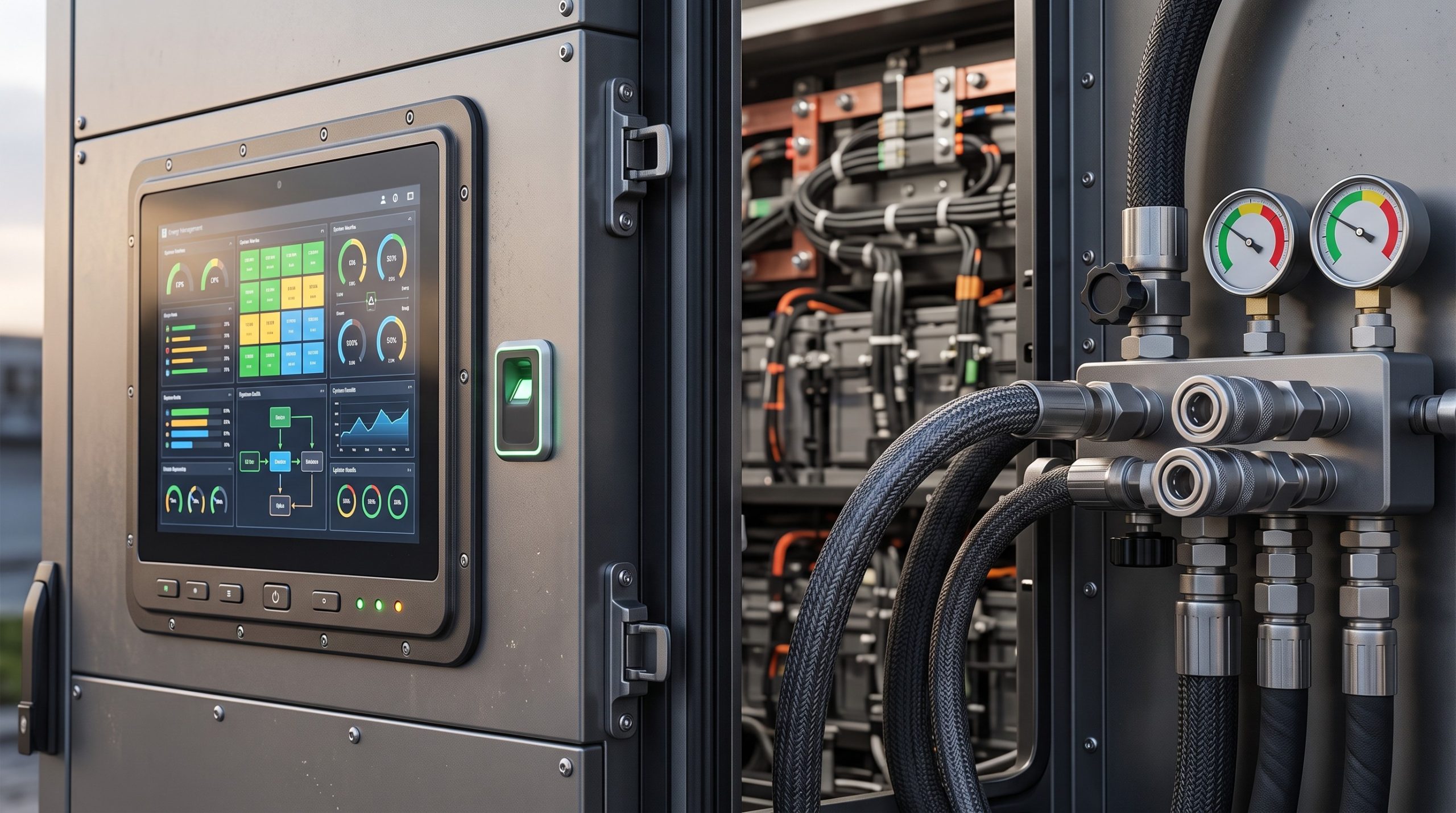
The Residential Storage Smartphone App operates on a secure, cloud-native IoT architecture. The mobile client communicates bi-directionally with the residential hybrid inverter and battery management system (BMS) via a robust encrypted MQTT/TLS 1.3 pipeline. The architecture comprises three primary layers: the Edge Layer (residential ESS and Wi-Fi/LAN dongle), the Cloud Layer (OEM-hosted data lake and AI dispatch engine), and the Client Layer (iOS/Android application). Safety is paramount: the app enforces role-based access control (RBAC), requiring multi-factor authentication (MFA) for installers and homeowners. Critical firmware updates are cryptographically signed and delivered over-the-air (OTA). The app continuously monitors cell voltages, temperature gradients, and state of charge (SoC), triggering push notifications for any anomalies exceeding pre-set safety thresholds. A hardwired emergency stop status is mirrored in the app for absolute transparency.
KEY FEATURES
– Real-Time Energy Flow Visualization: Animated dashboard displaying PV generation, battery charge/discharge rates, home consumption, and grid import/export in kilowatts and kilowatt-hours.
– AI-Powered TOU Arbitrage: Automated scheduling that charges the battery during off-peak hours and discharges during peak utility rates, maximizing monthly savings.
– Remote Firmware Management: One-tap OTA updates for inverter and BMS, ensuring optimal performance and cybersecurity patches without on-site visits.
– Granular Backup Reserve Control: User-definable state-of-charge (SoC) floor for uninterrupted power supply during grid outages, adjustable from 10% to 100%.
– Multi-Tiered Alerts & Diagnostics: Push notifications for fault codes, filter maintenance reminders, and extreme weather grid-outage preparedness.
– Installer Commissioning Wizard: Guided step-by-step setup for Wi-Fi pairing, CT clamp calibration, and grid code selection.
COMPLIANCE & STANDARDS
The Residential Storage Smartphone App and its underlying communication gateway comply with the following international standards: IEC 62443-4-2 (Industrial Cybersecurity for IACS components), UL 2900-1 (Software Cybersecurity for Network-Connectable Products), FCC Part 15 Subpart B (Unintentional Radiators), and ETSI EN 303 645 (Cybersecurity for Consumer IoT). Data privacy is maintained in accordance with GDPR and CCPA. The application has been validated for interoperability with SunSpec Modbus and IEEE 2030.5 (CSIP) for utility demand response programs.
TECHNICAL SPECIFICATIONS
The following table details the operational parameters, communication interfaces, and minimum hardware requirements for the Residential Storage Smartphone App.
| Parameter | Specification |
|---|---|
| Application Name | Residential Storage Smartphone App |
| Supported OS | iOS 15.0+ / Android 10.0+ |
| Communication Protocol | MQTT over TLS 1.3, HTTPS REST API |
| Local Connectivity | Wi-Fi (2.4 GHz IEEE 802.11 b/g/n), Bluetooth 5.0 (Commissioning) |
| Data Refresh Rate | User-configurable: 5s / 10s / 30s / 60s |
| Authentication | OAuth 2.0 with MFA (TOTP) |
| Cybersecurity | AES-256 encryption at rest; ECDHE for key exchange |
| OTA Update | Cryptographically signed delta updates; rollback capable |
| Supported Languages | EN, DE, FR, ES, IT, PT, NL, PL, TR, ZH, JA |
| Minimum Battery Capacity | 5.0 kWh (expandable to 100 kWh) |
| Backup Reserve Range | 10% – 100% SoC |
| TOU Scheduling Slots | Up to 6 configurable charge/discharge windows |
| Alert Types | Push, Email, In-App; Critical/Non-Critical classification |
| Warranty | 10-year software maintenance & cloud service availability |
INDUSTRIAL DEPLOYMENT
Deployment of the Residential Storage Smartphone App follows a streamlined three-phase methodology: (1) Hardware Installation — The installer mounts the hybrid inverter and battery, connects CT clamps, and powers the system. (2) App Commissioning — Using the Installer Mode, the technician scans the system QR code, connects to the local Wi-Fi access point, configures grid parameters, and binds the system to the homeowner’s account. (3) Homeowner Onboarding — The homeowner downloads the app, logs in, and immediately visualizes energy flows. The app supports remote troubleshooting, allowing OEM support engineers to view diagnostic logs with homeowner consent, significantly reducing truck rolls. For fleet operators, a multi-site dashboard enables aggregated monitoring of residential VPP (Virtual Power Plant) assets.
📥 Download Technical Specification
Click the button below to view or download the full official PDF datasheet.